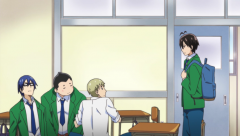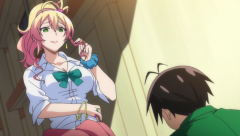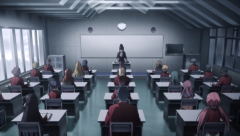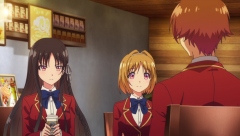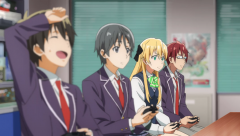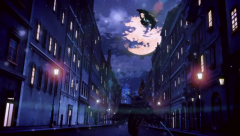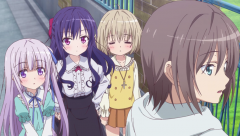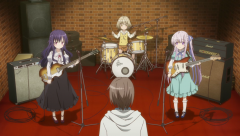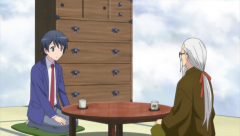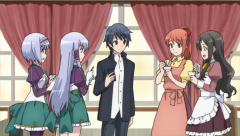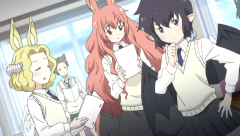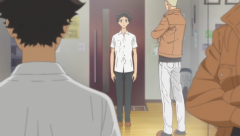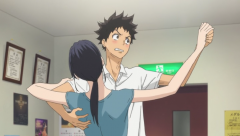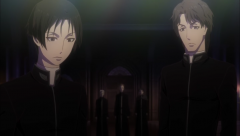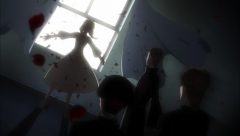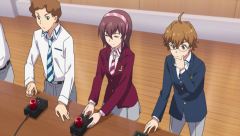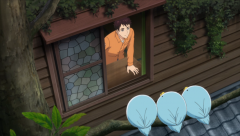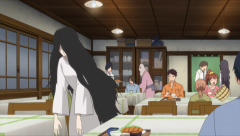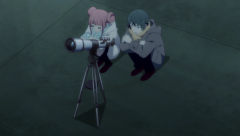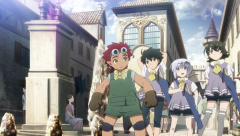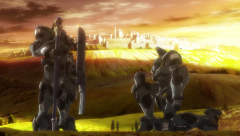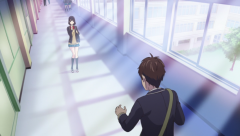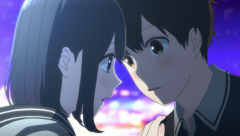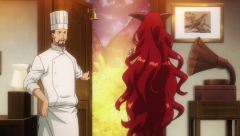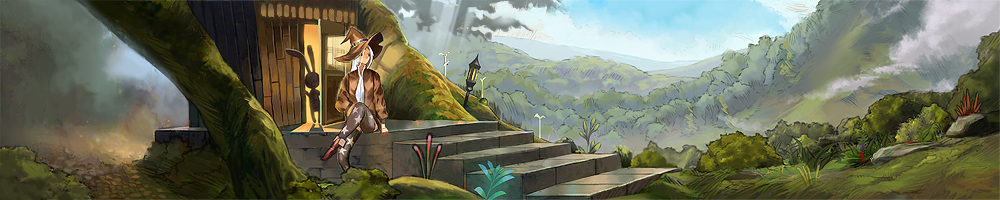
Uchoten Kazoku Review – 94/100

(Note: Since psgels didn’t give his final review to the first season, this review is for the entirety of Eccentric Family. If I had to grade the second season alone, it’s 90/100).

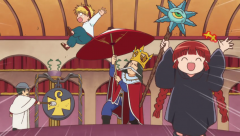
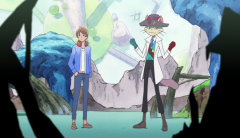
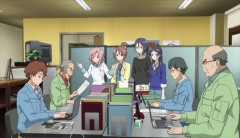
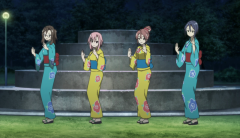
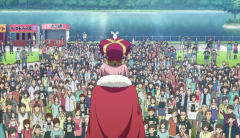
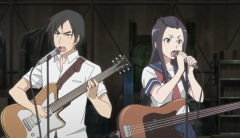
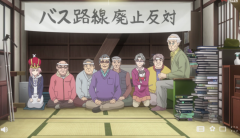
Doesn’t matter how you look at it, the Eccentric Family is a unique show, in a way it feels and tastes like no other shows out there, both in and out of itself. Everything surrounding it feel magical just like its world: the series is the only anime show that promoted as a city ambassador (Kyoto Special Goodwill Ambassador), the second season that no one see coming (especially at the time the first season ended the second book hasn’t even written yet), P.A Works studio became the leading unit in production committee of this second season, meaning they are passionate about this series and they have total artistic control over it (as for how influential the anime studios usually have over the decision of their work. Nil. Most of the time they are slave who draw and deliver what were told. Sad fact). This is one of few series where I can see a lot of love was put into those details, from the love of their characters to its rich world settings, to Yasaburou’s various adventures. Of course P.A Works does a magnificent job to visualize that world, but I also credit the success on Tomihiko Morimi’s adept writing. Eccentric Family is at heart a character-driven series, and he’s simply one of the best in this industry when it comes to character writing: eccentric cast of characters who distinctive, whimsical but always insightful and intriguing. I have a lot to say about this world so let get right down to it.

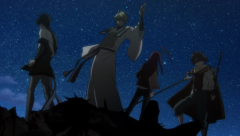
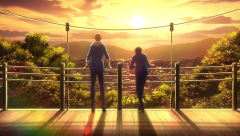
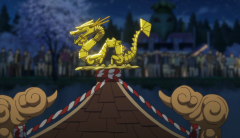
The Eccentric Family’s first and foremost strength comes from its magical-realism Kyoto world where human, tengu and tanuki live together in harmony. I am not at all exaggerating when I say that this setting is my personal favorite anime settings ever. Magical-realism has always been right up my alley: the mundane, ordinary world that mixed in with magical elements that serve as a normality to their world. And sure, in this world a lot of strange things happen: tanuki who transform into human shape and fool around until they get caught and turn into a hot pot tanuki, human who float in the air in broad daylight, a tiger (and bear) appear in the middle of the city. Just by the look of it, this world promises to provide a lot of fun, but this show even goes much more further than that: all the settings that not only gorgeous to look at, they all have strong sense of personality that feel like they get stuck in that specific moments: when you see the rooftop you immediately link to Benten, Yasaburou and the moon; when you see a flying house you would think right back to the Daimonji Festival and the stupid fights between Shimogamo and Ebisugawa’s family.

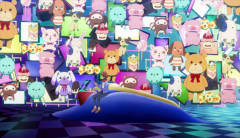
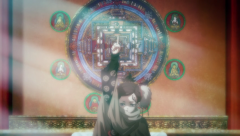
And to support for both its sense-of-wonder attitude and its magical-realism settings, The Eccentric Family is a masterclass at portraying an impossibly huge interior space that looks much grander than it supposed to be***: the Painting of Hell that literally pull you through hell with Onis doing wrestling and eating ramen; the 3-stories bus that has an upper floor of open air onsen and bamboo pathway; or a shogi board that can suck you into a secret room. Not only that warped sense occurs in space, it happens in time as well. There is a 2-epsiode worth of playtime that dedicated to Yasaburou’s various adventures in a span of a single day, where he enjoyed a public bath, went through hell, watching Oni wrestling, enjoyed mixed onsen, having crazy dinner party and witnessing his uncle got shot. See, those events feel much longer than it supposed to be. This is on purpose, of course, since what is a better way to highlight the enjoyment of busy carefree life by crazy events one after another?

In addition, the Eccentric Family’s greatest strengths come from its characters. The first season contains a great diversity of cast, but that quality really shines through in the second season as the new additions not only fit very well with the old cast, they even outshine them in many moments. Each of them has their own voice, has great arc to develop and their chemistry are natural, warm and insightful. Here comes one of the decision from the P.A Works that I find worth applauding, they never probably introduce a new character to us. Most of the time the new characters just walk in and have a normal conversation with our main casts and we have to work out their name and their role to the story. It helps that nearly every single one of them has their own way of speaking and their own personalities, so it’s not that hard to differentiate one from another, despite a relatively huge cast. It also helps that through we can tell so much about their characters through subtle gestures, so much as the Eccentric Family is one rare show that I can fall for new characters within the first few minutes (I remember you very fondly, Seiran). Our main protagonist, Yasaburou, is an interesting character to follow, throughout the course although all we see about him is having as much fun as possible with no consideration for responsibility, he takes care of everyone arounf him in his own way and in the end, he reaches a personal grown on balancing between those two factors. It’s up in the air if he’s constantly thinking of everything or constantly thinking nothing at all being led by his fool’s blood; but for him anyway, these are the same goddamn thing.

But by all mean, even 95 percent of the time this show treats their characters thoughtfully, the remaining 5 percent whenever the idiotic twins and Soun appear, they unfortunately drag the show down. These characters are the type that we all love to hate, so they possess their annoying traits… all the way, being annoying for the sake of annoying. I have since warmed up to Soun, but the way he came back to life kind of demerit his meaningful death. Another factor that happen in second season, is that sometimes they reprise the events of the first season (the Daimonji festival, the Nise-emon election), and whenever they do that they can’t bring the same impact as the first and seem like they rely on the beaten path.

While the first season focus more about familial bond, the responsibility one would strive to do versus the fun one has to experience through life, the second season follow that freedom sense, but touch on other themes such as self-identity (in term of Nidaime and Benten: one is a tengu who refuse to be one, the latter is a human who wants to become a tengu. None of them are happy), and the fate of love. The romance part is what surprise me the most as I would never expect I would ship for almost all the lovey cute little love here. I also give my hat off to the character designs, as each of the tanuki have human and tanuki counterparts, and we have such huge cast here but nearly every one of them is distinctive and attractive. The animation is thoroughly consistent and the music is really, really well done. In term of production value, I really have no complain.

The Eccentric Family has a lot to recommend on, I would argue that distractors can read the show as un-focus at times, because it feels like they set up for one crazy set-piece after another without a central conflict; but take heed that the majority of its 2-season runtime is about Yasaburou wanders around his city, tries to live the life to the max so it has its merit. I just say this simply; this show is brimming with love in every scene and with shows like this I know why I fall in love anime medium in a first place. The Eccentric Family already has a special place in my heart.


***If you want a real-place equivalent to this, I’d say it’s like the Old Quarter in Hanoi. From the outside you can only see a small pathway between 2 old houses that only wide enough for a bicycle to get in, then you get through that pathway, turn to some small alleys, go up-stair, pass through some small apartments and TADAH: a bookstore, a store and a café located inside all that maze. I was utterly amazed but there’s no chance an outsider would know such a place without the help of the local. And I do worry what going to happen if there is a fire there?

Little Witch Academia TV Review – 80/100

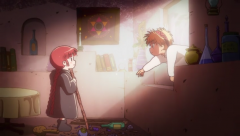
The Little Witch Academia series has been something that’s a long time coming. Ever since Studio Trigger made the original Anime OVA back in 2013 I have been hotly anticipating the time when it would be fleshed out into it’s own anime series. I love both the original OVA and the enchanted Parade so this series was one I was really looking forward to. So the question remains. Is Little Witch Academia a good series? Absolutely, out of the 25 episodes of it’s runtime I only didn’t enjoy one episode. This series was very fun and a worthwhile watch. However, is Little Witch Academia a great series? And therein lies the greatest problem with this series as a whole. For you see my friends, Little Witch Academia holds the potential for greatness and very closely skirts the line to becoming a truly great series. There are standout episodes which show a small glimmer of what this series could have really been. However instead the series plays it safe and sticks to a rather cartoonish format of episodic stories. It’s excellent character cast is unfortunately underutilised aside from some single episode stories and the main plot it develops within it’s second half more or less fizzles out into something more tame.

So to those watching it can be frustrating to see how this series opens up roads to great storytelling possibilities only to take the road of least resistance. Thus my greatest advice to any viewer is to not let yourself be fooled into thinking that this show will have a dynamic shift into a greater story arc. Throughout it’s run this is a simple story with simple objectives. Thus if you can come to accept that then you can enjoy what Little Witch Academia has to offer. Again, this really is a good show and has the kind of fun sensibility that very few anime can pull off. It’s a show that wouldn’t look out of place if put in a Saturday morning cartoon block and for those that woke up on mornings to tune into these kinds of shows as kids it will certainly hit that sentimental spot. If you aren’t part of that demographic then this may be a harder sell as I could see others get tired of the inconsequential episodic stories and a general lack of character development. Some characters get small changes but for the most part have simple characterisation. Akko in particular tends to have sporadic development as she tends to waver between growing as a person and then falling into her old ways.

Animation can have hiccups but is pretty stellar and charming throughout the board. You can really tell that a lot of heart went into this series production, even if it likely drove the animators to exhaustion. This show has it’s fair share of Sakuga sequences that show there is some real talent at Trigger. There are also references galore throughout the series from callouts to old cartoons(Hanna Barbara, Disney, Dexters lab) to previous trigger works and to even oddballs like 1984, Pawn Stars, Hellboy and Dinotopia. Keep a keen eye and you can spot dozens of callouts within the framework. OST is suitable but has some great versions of the main theme and a very good opening theme. Overall I do recommend this series. It isn’t what it could have been but what it is is hardly anything to scoff at. It’s one of the surprisingly few anime you can show to a young child without worry and maybe even blossom another fan of this medium. If you feel burned out by current anime and need something that’s a bit of a change of pace then LIttle Witch Academia is a fine recommendation indeed.

Summer Season 2017 Preview

Come one, come all, it’s time for the usual Anime season Preview and let me say this one took a lot more out of me than previous seasons. Maybe I am getting old or maybe it was the fact that I wrote a preview for a series and researched it only for to end up a short series. Making my efforts a waste of time. That would be the reasoning why there are previews of short series below when I usually disregard them. Either way, with holidays, moving to a new house, Dies Irae and just a general listlessness I found this season harder to write for. Looking at it overall I think this may be the weakest season of the year so far but we do still have a few standouts and some potential surprises that could save it.

So you know the drill. I check out every source I find from light novels to manga and give you a rundown on what looks to be great or terrible. Naturally peaking at the staff as well just to give a vague estimate on a series quality. Below we have a poll where you can rate what you want to be blogged this season which us writers will use as a reference when picking out shows. Whatever’s top of the list is guaranteed to get blogged. You have more than one vote so vote as many shows as you like.

This poll is no longer accepting votes

What will you be watching this fall?

Once again thanks to Mario for gathering the images, chipping in his two cents and helping with the format. Honestly makes this task a whole lot easier. Let’s get started,


The sequels/Shorts I don’t care about

Ikemen Sengoku: Toki o Kakeru Koi (Short)

Jigoku Shoujo Yoi no Togi [Hell Girl Season 4] (Sequel)

Kaito x Ansa (Short)

Musashino! (Short)

New Game! 2 (Sequel)

Nora to Oujo to Noraneko Heart (Short)

Seizei Gambare Mahou Shoujo Kurumi (ONA)

Senki Zesshou Symphogear AXZ (Sequel)

Skirt no Naka wa Kedamono Deshita. (Short)

Teekyuu 9 (Sequel)


Series I don’t care about

Action Heroine Cheer Fruits


Studio: diomedea

Director: Keizou Kusakawa

Script/Series composer: Naruhisa Arakawa

Source: Original

Set in Hinano City, a tranquil area that cultivates fruits, but has lost its vitality. For the town she loves, high school girl Misaki Shirogane and other girls become local heroines (at the urging of Misaki’s aunt, the prefectural governor) and vow to produce action live events. The teen story depicts their strenuous efforts to revitalize their town.


Honestly sounds like an effort to merge Love Live with Kickass. We got the director of Sekirei, Fuuka, Dog Days, Campione, Asura Cryin’….Oh god it only gets worse and worse. Well he did Nanoha’s first three seasons so I guess that’s something. Series composer worked on more bad than good but well I thought Nadesico and Outbreak company where alright. I don’t see any real hope for this. I say the hero aspect won’t play much of an active role and this will just be a bunch of cute girls in homemade hero outfits. I have had enough of cute girls being all cute and stuff but give me a call if we got cute girls in insane asylum.

Continue reading “Summer Season 2017 Preview”
Announcement Time – Writer’s Recruitment

UPDATE: WE HAVE ANOTHER WEEK TO GO. THIS APPLICATION PROCESS WILL CLOSE AS SOON AS THE FIRST SHOW – KAKEGURUI – STARTS AIRING. WE WILL SEND EMAILS TO THE APPLICANTS AFTERWARDS TO INFORM THEM WHETHER OR NOT THEY MADE IT. THANK YOU.

I’ll be straight to the point, it’s time for us to recruit a new permanent writer.

The reason, you ask? Welp, as much as I don’t want to admit, each season I feel we left out too many shows that worth covering. Having another writer on board, along with the support from casual writers like Helghast Killzone or Bam, we’re aiming at 9-10 shows per season. With psgels is now returning on the site with his monthly summary, the site can finally be in an active mode. Having new writer also mean that more shows for you guys to follow and enjoy.

But I’ll stress this again, for those of you who wonder if this site is ever going back to the glory times before psgels left, I can safely say we won’t, nor we intend to. We run things differently now with all the respect towards his bloggings from before, and rest assured that we still inform psgels on any development/ change we plan for this site, such as this.

But if you’re tempted with the idea of blogging anime, let be warned: this is a job that have little to no reward, time-consuming and require a strong commitment and frequent update. If you frequent this blog you would notice that usually we have little response rate, we’d be lucky if we have 1 or 2 response per post. Writing a post can eat up a lot of your free time as well. Usually, it’s about 3 hours per post, and you need to write them constantly almost every week.

Now, are you still keen on giving it a shot? Then, to the application:

Tell us a little bit about yourself, your favorite anime/ genre, what can you bring to the site (nah, we are not some kind of stuck up employers), and a sample post on any recent episode of your choice, or even a full review. The main reason for this sample post, apart from us having a good grasp of your writing style, is a little challenge for you guys to test yourself. “Try to write a post a same size as us (about 500 – 600 words), time how long it takes and ask yourself if you can really do that 3 times a week, for every single week of the year.” I’m just quoting roughly what Aidan said to me when I first approached him for the job and it did scare the hell out of me, but I survived. Ask yourself can you devote that much time each week to write reviews. If after you finish this sample post you still feel perfectly fine with all that, then you’re basically who we looking for.

One more thing that I suggest you do if you give this blogging a shot, just be yourself on your writing. Having a competent writing skills and good critical writing ability of course help, but having your own voice is what matters most. Let us know more about you through your post.

Send your application to this email: redriver(underscore)2005(at)yahoo(dot)com with the subject: “[your username] psgels.net Writer’s Application”. The deadline will be until the start of next season (1st of July), meaning you will have approximately 3 more weeks to get involved. Depending on how many applications we get, we will try to email you back whether you made it or not as soon as the decision is made. If you have any question, shoot it down the comment section. We honestly don’t know how many applications we will eventually get, but it’s part of the fun. Remember, as long as you think of this blogging as your hobby, you’ll be fine. That I can assure. You won’t go far for things you don’t enjoy. So don’t be shy, give this a shot and good luck.

Window Horses (2016) Movie Review – 87/100

In Window Horses, or its full name Window Horses – The Poetic Persian Epiphany of Rosie Ming, many characters keep asking the main protagonist, a Stick Girl in an otherwise fully formed character designs, why is she wearing a chador, in which she’s unable to reply. It’s her first trip to go overseas, so she just tries to fit in. For she’s blank state, you see, having little to no idea about the outside world, or even the poetry world. Rosie Ming, her name – herself a half-Chinese half-Persian who living in Canada, working in a fast food restaurant while writing poems (to be more exact, singing poems) as her hobby. She self-published her first book title “My Eye-full Poems by a person who has never been to France” and her greatest wish is to travel to France, the land of love and poetry. God listens to her well it seems, as she receives an invitation to attend to a poetry festival… in Shiraz, Iran. Throughout the course of the film, in a stranger land, she has a chance to listen to the voices of others, to staying open and curious with different cultures from different generation and learns a bit about herself and her family situation.

There’s one thing I can say for sure, Window Horses’ most obvious charm come from the fact that it feels like nothing else you’ve seen, especially in animation medium; the film whose main setting is in a poetry festival, a main character that is multiracial and the cast contain characters from many different backgrounds. Partly due to its unique appeal, the director Ann Marie Fleming had a bit of difficult time funding it, so she decided to crowdfund the project instead and it took her nine years to finally bring this lovely feature to life. The main character Rosie, a Stick Girl, has been the director’s own avatar for most of her career (the director herself is a half-Asian), and her simple design, both mean as a blank page, who despite not having a lot of experience, goes out to the world with curiosity and willingness to learn the world and all the things she can from other people; and as a simple likable character we can all root for and feel empathy with.

While the main plot is about Rosie visiting Iran, Window Horses isn’t strictly about her tale, but she serves as our window for the tales of other poets, the tale of Iran, and the tale of her father, who she come to believe that he had abandoned her and her Mom when she was young. Putting together, those tales are messy and over the place, but that is exactly the point to demonstrate how inspiration can come from every corner of the world; it’s the love of art, of poetry that brings those people who have vastly different ethnical backgrounds and different experiences in life all together. In one of her poetry quest, she is handed a poem by a Chinese poet Di Di (in Mandarin of course), who requested her to recite his poem in English with her own take. In order to do that she has to translate them into Persian, and then from Persian to English; thus in a process she has a chance to learn more about both of her ancestors, the Chinese and the Persian.

The humor of Window Horses is on the bright side here, in fact, its whimsical and light-hearted nature really help strengthening the mood and the theme of the story. This trip, after all, is more like an adventure for Rosie, where every new thing she learned, every people she met brimming with curious eyes. She quickly remarks in most of the things, mostly innocent deadpan questions like “How is it everyone here knows everything about everything”. The struggles she experienced for her “offensive content” to the Persian culture, for example (ya know, in Iran, solo performances by women is considered mildly offensive and have been banned), or the background story of exiled Chinese poet Di Di, both show us the difference in cultural perception, and add the richness to this little world.

Another main portion of the film is about each poet reciting their poems, and the history of Iran and important figures in Persian poetry culture, in which each part is showcase of visual inventiveness from different directors, who experiment with new styles to fit the content of the poems they are representing. (Fleming’s main job in those segments was to composite them into a cohesive whole). The history part doesn’t really sell it for me, mostly because it feels more like an educational Discovery Chanel on TV rather than fitting into this plot’s content; but the poem parts are easily one of the best strength of Window Horses. The director Fleming gave a smart decision to have all the poems reciting in their own languages without the subtitle. As a result, us as viewers don’t really understand what they’re talking about, but feel it. It’s the beauty of poetry. It’s not about the meaning, but the rhythms. Fleming also commented later in her interview that she wanted those poems to be some kind of code, viewers don’t need to understand it because they might get distracted from the main story, but if they wanted to, they can dig deeper to those contents because ther’s a whole world of art buried underneath it.

And then her little story about her parents, especially her father’s life come into light and was told to her by different people, most of them have known him at some point of his life. Her father’s backstory come a bit heavy-handed at times as it again touches upon the Iran Revolution and the refugees, but they do it without the expense of emotional drama of familial bond at its heart, so as messy as it is, it has its merits. Rosie’s grandparents, voiced beautifully by Nancy Kwan and Eddy Ko (If you have no idea who Nancy Kwan is, she was one of the first Asian-born actress played a pivotal role in the acceptance of actors of Asian ancestry in major Hollywood film roles) have some really great scenes of overprotective grandparents who must do anything to avoid their kid getting hurt, but hurts her instead by not telling her everything.

Wildly imaginative, sensitively portray the richness of multi-cultures and the love for poetry, at the same time bright and optimistic enough to bring hopeful sentiments to some otherwise grim and dark topics and a full delight from start to finish, Window Horses is a total winner in my book. Although feature a wide array of cast, it’s ultimately a personal story of Rosie to reach the world, learn few new things from other, appreciate more about her backgrounds and grown into her own at the end. Window Horses is a little story that worth telling.

May Summary

The month of may was… tough. I was incredibly busy and had very little time to keep up with 12 different series, and in the end I just couldn’t. But ah well, this happens. Back in the days this blog was my top priority after my studies: I’d finish my classes and homework and aside from that, all I did was watch anime and write. At this point my life is totally different, and I cannot do that anymore, so months like these happen. Next month’s going to be even worse because of a 2,5 week holiday to Denmark.

But yeah, the thing with this season was that there are a lot of series with potential. With months like these, it’s not just a matter of dropping the bad and uninteresting ones, but they force you to honestly look: which series are the really special ones? Which ones do more than just tell a story? Which are the series that go the extra miles. Below is the list of the shows that survived.

First some notes on the shows that I ended up dropping: Uchoten Kazoku was definitely well written but it just couldn’t grab me. Sakura Quest almost immediately lost my interest after last writing about it, Alice to Zouroku has a nice message for family values, but in the end it remains a story about a magical girl that has been done in essence many times before, Re-Creators lacks something that puts it above the others to me, and Sagrada Reset suffers from the “first episode is the best”-syndrome. I loved episode one, because it had this really melancholic undertone, but that completely disappeared after the first arc and now it’s just this “Hyouka with gore”. Dropping Warau Salesman hurt like the entire series, but in the end: it does remain a one-trick pony.

#4: Natsume Yuujinchou Roku (04-08)

Okay, I told myself I’d be strict on this series: if it’s going to go on for 6 season I’d better be consistently amazing to be worth it. This month was not. It was pretty much average Natsume: good stories with good morals that fleshed out the characters some more. At this point, I think it’s a good moment to officially label the length as one of the flaws of Natsume Yuujinchou, because it sure as hell isn’t going to stop after this season.

Here’s the thing: being concise is a key part of storytelling. You cannot just let your story go on for ever and ever. A good story has a beginning, middle and end. The beginning is there to sweep you away. The middle is there to develop, keep you on your feet, be a roller coaster ride of some sort. And then the ending is there to take everything to a next level. Natsume Yuujinchou is just a middle part that keeps going on and on and on. There’s no closure. That’s a very big problem with adaptations: they’re often way too faithful because of their length, so that there is no way to create a good ending. The reason why I’m still going back to anime is the ones that were made with an ending in mind. You cannot start your series and make stuff up as you go along, that is not good storytelling, and yet a lot of light novels and mangas are set up like that: they are written by small teams, who hope to go on for as long as possible. Anime have much tighter budgets, so especially the small ones know exactly how much time they have on their hands. A competent writer can use that to exactly plan the course of the series.

This is going to be fun for Jigoku Shoujo next season. Oh, I am going to sound SO hypocritical!

#3: Shingeki no Bahamut – Virgin Soul (05-08)

I did not continue with Zero Kara Hajimaru no Shou. Despite its great themes on racism, it got me thinking: it’s not like it’s breaching new ground or something. It’s just portraying racism pretty well this time, but should we really praise a series for doing something so trivial? Should we praise a seires for being not bad? No, what I’m interested in is the shows that go the extra mile and Zero just didn’t cut it.

Shingeki no Bahamut is more: this uses animation to tell its story, and it’s just as important as the written dialogue. It’s the type of series that can only work as an anime because in manga-form you’d miss out on so many details, movements, gestures, and not to mention the wonderful soundtrack here. But what this show is best at is portraying emotions: it beams across the screen. And that’s why I watch anime: I want to see what animation can elicit from viewers. Not a narrated picture-book, no something only movement can do. The direction, script, and production-values are all geared towards that. I mean logic is good and all, but sometimes you just need a character motivation of “I just felt like it”.

No, screw average or merely good. All series should strive to achieve something special. I don’t care what it is, as long as it stands out and it’s amazing (being especially bad is obviously not the right path). And when I look at my favourites over the years, they are all series that understood that, and did something in their own way. Something that cannot exactly be put to words, and at the very least can never be written down as a guide or something. It’s this feeling you get. And that makes it different for everybody of course, but I can see this show being filled with good intentions, and it’s drawing me in unlike most other shows this season that feel much less ambitious. And this is not just about the budget. Sure, it helps, but there is one particular show this season that demonstrates that you do not need a big budget for that. But first:

#2: Shingeki no Kyojin (31-34)

Okay so this turned out to be completely different from what I expected, but that’s good! This has turned out to be a really excellent sequel. It was so easy for the creators to pull a sell-out here: lots of titan-bashing, lots of Mikasa, much of the same really. And they didn’t: they used the first season as a diving board to go into a new direction. There is so much more mystery and horror here.

Also, the characters: like what did the three main characters do this season anyway? Aside from some flashbacks, all of them basically rode some horses, fought once, failed miserably and apart from that they did nothing and instead the spotlights were on all of the side-characters. This takes balls for such a mainstream series that has so much money depending on it! I love it! Especially since all these characters are much more interesting than our main trio (because let’s face it: they bear a lot of resemblances to Ash, Misty and Brock from Pokemon). This is the type of storyline that really tries to sweep its viewers off their feet the right way: not by having the flashiest budget, but because it messes with your expectations, your mind, while still being very well written.

This show has this annoying trick where right as a character is about to get to a plot twist, they get distracted, something happens, or they outright refuse to tell something that’s obvious to them. It’s like there’s this whole storyline going on that we have no idea about but they keep teasing us with it. That’s good mystery! Great mystery should be messy. It’s driving me crazy to get to know what’s really going on here. Yes, this is better than Yuri on Ice. In terms of really mainstream series it’s been a long time since a show had so many balls here.

#1: Seikaisuru Kado (05-07)

Okay, so why did Seikaisuru Kado win this season? I don’t think I’ve ever placed a series on top with this much intrusive CG: like half the character animations are in 3D, something I previously thought to be impossible to properly bring to life. Well let’s just say that the creators pulled a few tricks, plus what they did bring to the table is more than enough to make this just not matter.

A big theme in anime is evolving humanity: lots of villains’ plans are attempting not to destroy humanity, but to advance it. They can be done both well or terribly, but the fact remains that this is something typical of Japanese animation. You see this much less in the mediums of other countries. Seikaisuru Kado is entirely about this, but it plays with it brilliantly. Instead of having the villain attempt this, we’re at this moment still not sure whether Yahakui Zashunina is a villain or not: what his intentions are, and why he’s doing everything. Instead he has offered a number of advantages to humanity that are much more specific than what you’d otherwise see: this series really is trying to evolve humanity, but it’s also looking at the geopolitical implications of this, also something unheard of!

Out of all series this season, this really feels like it’s taking risks. It’s doing something that goes against the trends, proving that you can tell great stories on a small budget, it’s taking risks and it’s also attempting to evolve the medium itself by asking questions about common tropes. It’s in this way quite like a deconstruction, and a really good one. Because hell, before the season started I expected Shingeki no Kyojin to deliver the best plot twists, but hell no: this show blows everything out of the water. Every single episodes drops some kind of truth bomb that you don’t see coming and give an entirely new swing to the whole storyline.

Take episode 07 for example: when they went to the festival, and put that female character in a kimono, I found myself thinking “oh god, another one for the fanservice”. And then at the end of the episode she delivered a plot twists that pushed the story in a completely different direction from where it was going.

Yeah this is a really big contender for the Anime of 2017.

April Summary

Busy weekend so I am late! As usual, this summary is about all episodes that aired in the month April, ranked from the ones I like the least to the best. If I kept adding I’d never get these posts done.

There’s lots of great stuff this month, and I managed to keep up with twelve shows till the end of this month. No short 5-minute episodes, so fitting them all in was a challenge. General themes this season seem to be fantasy and racism. Overall production seems very solid. I mean, the bad shows were really bad and all, but so far the good shows really seem to want to deliver something good, and seem to all more and less understand what they’re doing. I feel a lot of them are trying to take their viewers seriously. You cannot imagine how refreshing that feels after 2013…

Anyway: yarr there be spoilers! And obligatory these are just my own impressions and nothing else. 3500 words which doesn’t seem too bad this time. Let’s go!

#12: Sakura Quest (01-04)

I liked the first three episodes. They were chaotic and colourful, yet grounded. The lead female was naive, sure. But she was thrust into this new situation and just had to figure out how to deal with everything being thrown at her. I like that. After that though… I’m afraid that the creators have already hit a bit of a slump. Episode four was all over the place in terms of how much it wanted to be taken seriously.

The show spent so long try and get the female lead to accept her place as the queen. And then it just pulls the other four leads into the team like it’s nothing. Their motivations are all hazy at best, and now they’re suddenly all working together (getting paid, I think) like they don’t have anything else to do. And then there was that inventor. Like, there are more series that have a character that totally doesn’t fit amongst the rest, and it can work, but the difference is here that his inventions totally transform the context of this series from out of nowhere. This used to be a fairly grounded series: it was colourful, but it could have happened in real life. Not anymore. This is actually very important, because how are we going to have to relate to it now, if it can just pull stuff like this out of its ass?

And with this, this show has become a “5 girls doing cute stuff”-series, instead of the Hana-Saku Iroha-wannabe. Hana-Saku Iroha did some crazy stuff, sure. But its sharp drama was what made me return to it. Sakura Quest so far hasn’t been sharp. I’d sooner describe it as dull and forced, very in danger of being dropped.

#11: Atom – The Beginning (01-03)

This show frustrates me. Not because it’s bad, or I wouldn’t have kept up with it, but because I see potential that this show is trying to not draw attention to. Like at first sight this is a really childish robot show with annoying characters. And yet I cannot name something that it’s technically doing wrong. And then once in a while it delivers something surprisingly poignant.

Now, three episodes in, I understand that Atom – The Beginning is an homage to Tetsuwan Atom, the very first anime series ever made. That explains the characters: Osamu Tezuka’s characters always were out there and exaggerated. The creators are doing their best to re-create his charms, but they do miss something that the old master had. His stories were about absolutes, big plot twists, and teaching kids harsh lessons instead of sugar-coating everything. But who knows where this series plans to be going.

But I admit: it knows how to write its annoying characters. The whole point of annoying characters is that they serve to bring in energy, and if they’re rounded enough you as a viewer will warm up to them. This is actually very difficult to do, and most attempts fail and become excruciating to watch, because failure means that you have to spend an entire series with a character that you hate. Like this show is seriously doing something right, but then on the other hand it spends an entire episode on finding a lost robot dog.

#10: Zero kara Hajimeru Mahou no Sho (01-03)

The animators are really struggling with properly bringing life to these characters, but thankfully the rest of the show does a really good job at making up to it. The setting in this series feels alive. The characters visit a lot of different towns and cities in these first three episodes, all of them populated with different people who actually feel like they live there.

What makes this series stand out the most is the racist themes. A lot of the fantasy series this season deal with them, but this series does it best, because there is not one side who is morally right in everything. It presents three different parties, who all are against each other due to complicated reasons and misunderstandings that grow because of some overreactions. There are evil characters, but they are individuals who mess things up for everyone. It really stresses that things are complicated. I like that a lot.

In terms of the characters, I still really like the two main ones; their chemistry is as solid as ever and they’re a delight to watch. It’s not all well though, because episode 2 introduced a really annoying character who seems to be tagging along for the whole ride. And I can’t stand this kid. All he does is whine or make bad jokes. And that’s basically this series: there are some things that it does really well, and some things that it’s really bad at. What makes me want to continue is that it’s the core of this series that’s really good. I mean it’s really onto something with its racial themes!

#9: Uchoten Kazoku (01-04)

Uchoten Kazoku is really tough to measure, because of how different it is. On one hand it’s slice of life, but enough things happen, and yet it doesn’t really have a plot: just a sequence of events in the lives ot these characters it plays through. It’s chock full of culture, references both really obscure and popular. It lacks the dramatic bombast that every other series had, but in terms of world-building it’s pretty darn excellent: how these tanuki are living their lives, and all their customs and strifes.

I think this lack of dramatic flair is what got to me in the first season. I mean, I couldn’t call this bad at all… it’s just hard to find a structure here to follow. Like, certain points or scenes that stick out or stand out as memorable. You could say that this series’ flaw is that it’s too consistent. Sounds weird of course, but anime remains an art form, and art can be really weird in how it sticks to people.

But don’t get me wrong: the writing here is very good. It always has something to talk about, characters are well rounded with rich backstories, the writing is also excellent, and you can definitely see that the creators did their homework.

#8: Sagrada Reset (01-04)

Okay yes, that was one hell of a misleading opening episode. I can understand why some people were turned off by episode 02, and let me warn you: if you were turned off by that, stay FAR away from episode 04, because it’s going to get even worse. As for me though, I like what the creators are trying to do: they have got this world chock full of people with strange powers, and every episode they try their best to make an as complicated story with them as possible. They just keep throwing stuff at you as the episode progresses, and combine that with how characters are constantly trying to explain each other’s motivations, constantly seeking the truth amidst these bizarre rules.

But let’s get one thing very straight: this is NOT a high school show where characters happen to have powers. This is full on mystery. And the way this show looks at death and pain is really weird. It’s like: “oh by the way, Pete died”, right as the characters are casually talking about something else for example. And none of the characters show any sign of being put off. There is plenty of remorse, but that initial shock you get when something terrible happens: that doesn’t seem to exist in this universe. It’s really weird, but they’re very consistent at it, which leads to a number of really bizarre situations, culminating in that incredibly disturbing end of episode 04.

I still like it a lot though. This show dares to break with conventions, and it’s constantly trying to one-up itself. Some of the logic either flew past me or is not consistent with itself, but eh: not enough for me to find it bothersome. The characters still are very enjoyable, and their calculating chemistry still works quite well. Perhaps not as good as with episode one, but in the meantime they tried to put in enough to make this work for the long run and make this not a one trick pony.

#7: Warau Salesman (01-04)

You’d think that this would become a novelty. Yet I keep returning, every week, despite how similar each episode is. Is it some sort of Stockholm Syndrome or something? Like every single episode is a big kick in the balls, and yet I keep returning. Falling for the charming salespitch, being drawn into this show just as the characters are tempted by the titular character. Seriously this guy is one evil sunovabitch.

The strength of this series is that it shows how easy it is to fall for temptations. While everything here is exaggerated, the core truth that they want to portray rings everywhere: its criticism at these sales constructions that are set up in such a way that breaking them and ruining your life is wraught with temptations that are just too easy to break. The same temptations keep returning: lust and stress relief. And some stories are stronger than ever, but there are some particularly biting ones. The first one of episode 04, for example. Like holy crap!

Make no mistake, despite the cartoonish look, this is an incredibly dark show. Also look how the Laughing Salesman also manages to wiggle his way into innocence, by pointing out the faults of his clients. It’s now gotten as far that during episode 4, you could see the traps he laid out miles beforehand. And that’s what makes this such a good horror series: by making these traps so easy you’re constantly screaming “don’t do it!” at your screen, yet unlike your average dumb horror character, you can understand where they’re coming from.

#6: Alice to Zouroku (01-05)

A big theme of 2017 is pushing powers to a new level: have characters with powers that are more all-encompassing than before, that have less limits. And not in the way that they create bigger energy-beams, but with the way that they start tearing the whole fabric of reality. Alice to Zouroku puts this in thriller-form, with a lot of childish innocence.

Out of all the series with action this season, Alice to Zouroku is the most grounded in reality because of how it keeps stressing responsibility. The characters all have lives, and backgrounds, rich in detail. And yet, it doesn’t shy away from anything, that’s what makes it scary. Seriously that hands woman was one hell of an effective villain in how she just completely doesn’t mess about, but even then I didn’t expect her to actually shoot something resembling a child. But that’s the strength of this series: this incredible contrast of childlike innocence on one hand and just this businesslike harshness on the other.

In april, Alice to Zouroku got five episodes out. It was not the most entertaining series of the season, but still I have to say that at the end of episode five, when they closed off the arc, they did so in a really adorable way. And it was thanks to all of this careful build-up. But erm, show… you do realize that you’re 12 episodes long, don’t you? Everything seems resolved now… how are you going to be able to top this?

#5: Re-Creators (01-04)

Re-Creators may not have had the most exciting start, but it’s clearly and visibly growing: every episode has gotten more interesting so far. This series came with a really interesting premise: what if characters suddenly came to life? It shows how they’d react to this new find knowledge, and also how they view their creators: the ones who write their stories. Every character looks at the issue in a different way: that’s what you need! A look the matter from many different angles.

And on top of that it also just got the basics right. It knows how a story and characters are written: rounded, instead of simple stereotypes. It takes its time to establish the kind of world it’s in. Characters behave in believable and consistent manners, there are no weird leaps in logic, and the acting is powerful, yet nobody is overacting. Animation is overall consistent, and the soundtrack also keeps getting better. These guys are really trying to put down something solid, yet exciting, and the kicker: the dialogue is also really well written. Heck, the main focus of this show is on its dialogue: the action is just there as a vehicle, to create tension.

My only complaint is how average the male lead is: like nothing sets him apart. But ah well: you can see him as a jar of glue; he holds everything together. Because of him this really diverse cast of characters managed to gather together and interact. And what this show did really well is keep him in the background. It realizes that this is in no way his story, and instead keeps the main actors the main actors, without him trying to wiggle himself in the important positions. And thank god there’s no romance yet!

#4: Shingeki no Bahamut – Virgin Soul (01-04)

Okay, so Virgin Soul is the sequel. Unfortunately I cannot find the time to watch the original like what I did with Shouwa Rakugo, so I’ll just watch the second season. For now it seems to be quite accessible without any prior knowledge, unlike Berserk, which I really want to continue, but won’t, for the same reason why I haven’t continued Mushishi’s second season.

There is one thing in particular that Shingeki no Bahamut does better than any other show this season. Yeah okay, there are multiple. The fluidity of some of its action scenes is un-rivaled, even when put next to Shingeki no Kyojin, which makes for a great spectacle. But the reason why it’s so high on this list is because of how expressive it is. The characters are alive and vibrant with emotions, they just pop out of the screen. The female lead is the best example of this where she just continues to bubble all over the screen, but the other characters do this to. Some obvious, but others subtle. Because of that it has a very engaging villain. Just the way he’s posed and drawn: this guy got presence. He beams royal confidence. That, combined with the setting in which a bunch of humans are the assholes for once in a fantasy-show makes the plot simple, yet very effective.

And it doesn’t need a complicated plot like what the other fantasy series have. This show is all about power plays. Taking what it has, and really trying to get everything as right as possible. That has lead to some impeccable animation: the poses, the stances, it’s all right. Notice how few still frames this show uses. When characters talk, it’s not just their lips that go up and down, no their chins move subtly as well. There’s more life in this series than any other show this season.

#3: Shingeki no Kyojin (26-30)

Ah, it’s just as I hoped: Shingeki no Kyojin decided to screw some conventions here. Not the ones I expected though, which makes it in a way even better. Five episodes aired this month, and in a move that very other series dare: it pretty much put the main cast on a bus in order to focus on some side-ones: all Eren&co did was travel, while the side cast got bombarded by all of the weird plot twists. And consider that this second season is only 12 episode makes this even more special: for this show to have the balls to really take its time, instead of doing the most obvious and put more focus on Mikasa, the most popular character of the series.

On the technical terms: yes. Great animation, soundtrack’s good, pacing’s terrific, storytelling had me on the edge of my seat. It pretty much did everything right. One thing in particular that stood out was the way in which this show does its horror. It combines it seamlessly with its mystery here: the characters were terrified, and it used that fear brilliantly while hinting for certain plot twists. It created such a paranoid atmosphere. Well done, Shingeki no Kyojin! Sometimes, not saying anything can do wonders.

Shingeki no Kyojin definitely aims to take the viewer on a ride. The most of any other show this season. It’s an emotional roller-coaster, but very different from the first season, which had a lot more bombast. And yet, when it hits, the second season does go much further. Like the gore? Much more detailed than what we saw in season one. These guys have gotten more interested in making something really special. Now keep challenging yourselves! Keep screwing more conventions!

#2: Seikaisuru Kado (00-04)

Shingeki no Bahamut and Shingeki no Kyoujin are behemoths. Their budget is huge and you see that in the animation, which is a feast for the eyes. And I like that a lot: one reason why I’m into animation is to see how well it can bring characters and settings to life, and big production-values are a great way to do this. My taste may be weird, but I love seeing a big group of people working together to animate a story, in all different meanings of the word. That this isn’t required or even necessary is proved by Seikaisuru Kado.

Nearly everything here is done in jarring CG. This is not a pretty looking series, and it was obviously done on a budget. But here’s the thing: Shingeki no Kyojin was bound to get a sequel, so you’re bound to invest in it. The other shows this season: here too you can see why investors were interested in their production: Bahamut is an epic fantasy series with dragons, based on a well received first season, Alice to Zouroku has cute girls, Warau Salesman is the next in line of classic shows to be revived. Even my number one pick for this month: it’s incredibly save. They all make sense. Seikaisuru Kado is the only one that doesn’t. I mean, how was this even pitched? “All-powerful aliens visit the earth and we need to negotiate with them”. Just, where did this come from? This is just so out of left field, it really takes balls to come with a series like this. I admire that a lot.

This show… over the course of five episodes it has done some really weird things. Note how every episode is significantly different with its focus, and yet every episode flows seamlessly into the other. Every episode is also incredibly thought-provoking. You may not agree with its statements, but that’s not the point: what IF an alien suddenly came with items that would solve the world energy crisis if used well? What would you do? What would happen? And it goes incredibly in-depth in its analysis and predictions. It’s bold, the way it’s doing this is going to piss off a lot of people, and in terms of global politics it is bringing more and more unspoken rules to the surface. A lot of shows this season have balls, but really: Seikaisuru Kado has by far the biggest ones. I was for a minute debating with myself about putting at at the top spot this month, but nah: that show reduced me to tears due to its sweetness. However, out of all new series to debate this year without a first season… yeah I can say that Seikaisuru Kado has the best and most interesting opening month of 2017.

#1: Natsume Yuujinchou (01-03)

I was about to go on about how this series really needs closure now, but then this new season came with its first three episodes, and even for this series’ standards they are excellent. Where the previous season felt perhaps like it was treading a bit of the same areas, these episode could only fit at this point in the story because of how well they’re making use of all of the build-up of the previous five seasons.

It all fits now: Season 1 was the introduction, Season 2 was Natsume getting to know more and more people. Season 3 was his growth. Season 4 was about his family. Season 5 was about his friends and the people around him. And now Season six is there to show how different he views the people around him now. He’s part of the family now, he has friends he trusts, and he’s opening up more and more to them: you see his resistance fade away more and more. Episode 02 stressed that he’s not alone anymore, and episode 03 did something really clever, in bringing back a character that used to annoy him, yet now manages to accept and see the good intentions. And vice versa.

And in the meantime he’s just completely adorable. Six seasons in and it still manages to tell these incredibly heart-warming stories. One month in and without a doubt this series is my favourite of the currently airing ones. It has this way of storytelling and pacing that makes the ending of every episode a delight, and at this rate, the other series have got an incredible job ahead if they want to be able to compete with this one. This is good! Be competitive! Strive to be the better one, this competition and wave of inspiration is what’s going to make the medium as an entirety better. The key is to learn from each other and inspire each other. Natsume Yuujinchou has nailed how to tell a story, and after nine years you can see its subtle influences all over. Holy crap the first season aired 9 years ago already! What happened to all that time!?

Kobayashi-san chi no Maid Dragon (Winter 2017) Review – 74/100

I remember back in the first impression of last Winter season, I regarded Demi-chan as a better Monster Girls slice of life subgenre over this one. But as the season progressed, while Demi-chan run out of its steam quickly, this one picked up its pace after an underwhelming first episode to become a much more worthy title of last season, to the point many critics (according to ANN critics) hailed it as one of the best show out of 2017 Winter season, behind only to the modern masterpiece Rakugo. Do I agree with that consensus? No, God, no. They obviously don’t watch ACCA, and I would argue Scum’s Wish or Tanya are better options. Dragon Maid is a warm little show that have some neat things to say about dysfunctional family and a high production values for its genre, but it never raises above exceptional level to me.

In fact, now looking back, the premiere episode of Dragon Maid was a bad representation of a whole show. The premise of a female dragon decides to live in a human house as a maid and devotes herself to that role, loves her host unconditionally is a wish-fulfilment and convenient one. That episode also played up the slapstick tone of dragon making a mess trying to fit in with human environment, which became less and less prominent as the show went on. They also played up the comedy which was a missed opportunity because while Dagon Maid is very solid at humor, they never meant to be in a forefront. The show improved dramatically from second episode with the introduction of Kanna and the show shifted the focus to slice-of-life approach, but the first episode already did the damage to discourage anime watchers into this show.

The humor of the show is on the risqué and bawdy side and I really do prefer this type of humor than over the top silliness, but I also agree that sometimes they got too carried away. The yuri love at the centre between Tohru and Kobayashi-san is well grounded; but the same can’t be said for the running gags of yuri undertone between two primary schoolers of Kanna and Riko (sometimes Kanna is a perpetrator for example, in which she “innocently” staying too close to Riko). More cringe-worthy, Lucoa and Shouta running gags of gigantic bouncing boob gave a huge backlash to more serious anime watchers as it appears the older (dragon) woman sexually assaulted the young shy boy. Well, for the love of God I’m not that serious about the issue but bouncy boob jokes do get old fast.

But at its core, Dragon Maid is a sensitive portrayal of a dysfunctional family and what it means to share happy moments with the person you love. Kobayashi-san, a thirty something workwoman who prefer to be left alone than having any real relationship is a perfect protagonist for this tale about family. Sometimes she remarks that it’s her who unsure how to express her feeling. Most of the time she doesn’t contact her real family not because they are having a tense relationship, it’s just her who feels detached from the family. There’s a real, honest look at the heart of modern day lifestyle, when individual starts drifting away from any real connection and this series is all about establishing that real connection.

The second theme Dragon Maid of underlined is the very definition of “family” and “where we belong”, as Tohru, who born a dragon, comes to live together with a human. The show addressed many times that the human world isn’t Tohru’s place, and because human’s and dragon’s lifespans are vastly dissimilar, what will happen to Tohru once Kobayashi reaches her end? Does lingering on the life that clearly don’t belong to you worth taking at all? As this series says, yes, because feeling is true. The other theme about family this show also addresses is the parental relationship, especially those from Kobayashi-san and Kanna. There are many touching moments where Kanna looks up to the protagonist as her mother figure (as a dragon she was exiled from her family) and Kobayashi-san tries her best to fit in that role. Secretly buying the stationary that she loves, tries to finish work early in order to aatend her play. Those intimate moments come from a very real place that doesn’t matter if the premise is phony (dragon appears as maid girl, duh), as long as your heart is in the right place you still hit jackpot.

True to its “sharing the moments together” theme, many of the show’s best sequences lie in the slice-of-life activities the characters have with each other, be it as bizarre as dragon’s fights, anime convention (where real monsters appear as themselves), or as mundane as spending a christmas holiday in kotatsu, preparing dinner or having a sport festival (there must be one in every slice of life high school show huh?) or performing a play together. The cast is mostly likable, especially Kanna who takes the anime world by storms. I also find the different length in each segment to be effective. Sometimes it plays for entire episode, sometimes it chops off and we have 4-koma like format, which actually adds to the final punch and the laid-back atmosphere of the show.

As KyoAni is the studio behind this show, it goes without saying that the show have a great treatment in productions values. The characters facial expressions are varied and spot on, the animation- where it needs to be, especially during dragon’s battles, is energetic and exciting. From what I gathered the studio actually modified a bit in its last 2 episodes from the manga source, which for me enhanced the main emotional core and successfully ended the show by overcoming its biggest external and internal threats.
All in all, Dragon Maid is an enjoyable anime. The show has relaxed atmosphere, engaging chemistry between its main cast, great animation and have some deeper and more intimate moments than its usual slice of life fare. Still compare to KyoAni canon I can’t help but think this is an inferior one with questionable fanservice. It’s heartwarming but lack certain quality to raise above the rest of a pack.

Some Quick First Impressions: Dungeon ni Deai o Motomeru no wa Machigatte Iru Darouka Gaiden: Sword Oratoria, sin Nanatsu no Taizai and Atom: The Beginning

Dungeon ni Deai o Motomeru no wa Machigatte Iru Darouka Gaiden: Sword Oratoria

Short Synopsis: A spinoff story of the DanMachi series.

Not even three minutes in and we got a boob joke. I say watching anime is really demoralizing for girls C cup and under seeing as anime seems to assume that if you aren’t stacked then you have no sex appeal. Well this is basically the Raildex of the DanMachi series. It lacks originality(I only just noticed that the first meeting between the sword girl and the protagonist of the DanMachi series essentially ripped off the iconic first meeting of Saber and Shirou in Fate), it’s bundled with fanservice and the action set pieces are only there to make the characters look good. Also yuri because why not. It’s not something as offensive as the next entry on this post but it is the equivalent of anime shovelware. This series was clearly made to target the SAO demographic and to those who don’t fall into that category it’s just a rather soulless experience. Guess the only thing left to say is that this show manages to barely beat out SukaSuka in terms of absurdly long anime titles.

Potential: 0%

Mario: A spinoff story based on the universe of DanMachi (which I only watched the first episode of it), this new season unfortunately is a weaker RPG fantasy fluff this season. What we have so far is the gang fighting a bunch of monsters. The cast so far is generic and the main heroine is so helpless she drags the whole cast down. I know everyone isn’t meant to be perfect and the main girl needs to develop somehow through its run, but  for God sake don’t do that by making her unbearable at the start. I still don’t really get why the show has to use “level” and all the monsters and level path exactly like a RPG? Aren’t they supposed to be in another world? Cut that game mechanics then. Now after few hours watching it, I don’t remember much of it so it kinda speaks to the quality of this one. Bland and forgettable.

Potential:10%


sin Nanatsu no Taizai

Short Synopsis: Lucifer falls from heaven and fights the well endowed seven deadly sins.

You know I think a series like this is an director just daring god to smite him. Cause I don’t know how more blasphemous you can get without genderbending Jesus.(Frankly I am surprised that hasn’t happened yet) So theres angels and demons and something something banished…honestly this show cares about it’s story as much as I do. This is essentially queens blade anime where the goal is tits, ass and more tits. Sadly the titillation is something I can’t enjoy because they made the age old mistake of making the breasts so big that it just becomes unappealing. The show goes out of it’s way to show nudity whenever possible and pretty much everyone is a lesbian who’s ready to feel up whoevers closest. This is an anime where a girl’s female best friend hugs her and then proceeds to cop a feel. But you know the biggest sin here is that it uses the seven deadly sins motive in the laziest way possible. Previous shows I seen at least played around with the concept to subvert expectations. Not here. Pride is prideful, envy is envious, sloth is lazy, Gluttony is hungry, wrath is picking fights, greed is trying to get money and lust is a bitch in heat. If you are interested in anime you can watch with your trousers down…honestly you would be better off going for hentai. At least that will put out.

Potential: 0%

Mario: Hello softcore porn, here we meet again. This season has offered heaps of terrible trends of current anime: we have a blatantly advertisement anime to promote their products, we have an incest anime, we have a lazy Light novel rip-off anime, but this is the trend I distaste the most: a fanservice softcore porn that numbs all the senses of us viewers. This is the most blatant misuse of seven sins concept that I have ever seen, and I can’t call this plot “plot” either because all they do is tied up the girl and “torture” her, in what sense I think you have an idea by now. The other girls are combination of huge tits, fetished custom designs and behave like they’re all ready to strip off. I will give it an upvote though that Sin never pretends to be something else, it’s straightforward fan-service from start to finish and I know there’s a market for this sort of anime but with all my respect this anime is what I disgust the most.

Potential: 0%


Atom: The Beginning

Short Synopsis: A prequel to Astro boy, two creators work to make an intelligent robot.

Much like Young Blackjack two years ago we have the return of another Tezuka favorite with a prequel series. In all honestly if we were going to get a prequel to Astro Boy animated I would have prefered Pluto. Not to say this series is bad, actually it’s a strong start to the series. But Pluto is a manga by the mangaka who made Monster and 20th Century Boys. So the level of quality is on another level. (It really is sad that only one of Naoku Urasawa’s best works has been animated.) But enough on that, this show manages a nice blend of old school and new school with excellent animation and a simplistic yet effective story. Atom’s design is excellent and there is a certain love put into the mechanical workings of the robots. The main characters are loveable dopes though due to my ignorance of the source material I feel like I am missing some sub level context in the shows presentation. Seeing as the manga got better as it went along I actually have high hopes for this one. People may have some trouble getting past it’s old sensibilities such as the catchphrases and tendency for characters to awkwardly shove exposition into dialogue. But if the animation can stay strong and keep it’s charm then this could be something worth checking out this season.

Potential: 80%

Mario: We get to the end of this long winded first impressions period (finally!), Atom the Beginning is a worthy title to close off these new anime-tasting offerings. Served as a prequel to the classic Astro Boy, although you don’t need the knowledge of the existing material to enjoy this one. The best thing this series offer so far is its rich and natural world building where robots becoming a prominent factor in human life. From robots specifically giving balloons to the children, helping human for constructions, to appearing in a massive parade, that world is well-detailed and I enjoy looking those technologies on display. This episode also succeeds on introducing the main casts so far, both informs us how they view of each other (like the genius *genius* wheelchair guy towards the main duo), and clearly establishes their personal traits. The main duo so far is your typical nerdy, self-centre and blind-by-their-own-ambitions type, and hearing them keep babbling about how genius they are can be bothersome at times, but their chemistry is quite grounded. Furthermore, if this episode is any indication, the show will go less action, save-the-world pack, but more about the implication of using Atom, which for me is far more interesting angle. The productions and the retro character designs also help to make this one more accessible. A solid start for Atom.

Potential: 70%

Some Quick First Impressions: Shingeki no Bahamut – Virgin Soul, ID-0 and Quan Zhi Gao Shou

Shingeki no Bahamut – Virgin Soul

Short Synopsis: A girl hunts a man in rags currently freeing demi-human slaves in the kingdom.

I thought the previous season of Bahamut was fairly mediocre so I didn’t really have much expectations for it’s sequel. I still feel this show has that air of mediocrity despite it having a strong first episode. Nonetheless it’s hard to deny that this show has a dynamic likeable cast of characters and the setup of gods and demons being dominated by humans is one I am most invested in. I considered this episode pretty watchable and the animation is quite excellent. I approve the animated dragon at the end of the episode. I swear animated dragons may be the most badass things in animation. So far it’s fun and it’s ties to it’s predecessor seem few that one could start from hear. If it can manage to not get too caught up in the god and demon realms this could be an interesting watch. But again I do think this could easily fall into medicority.

Potential: 65%

Mario: Welcome back to the world of Mistarcia, it has been awhile hasn’t it? (Not in my case though, as I just finished the first season 2 weeks ago). Although based on trading card game, the first season of Bahamut became a success with its high production values, fun characters and exciting battles. This sequel maintains the spirits the first season known of, with one of the strongest production values this season has to offer, with solid animation and detailed background design. The CG battles still a bit of up and down but this is pretty much expected based from the first season. Our new main girl Nina fits right in with the former cast. I have a bit of worry there but seeing my favorite girl Rita back bring me absolute joy. The actions are thrilling, although there’s probably too much action sequences for its own good. This show continues the fun and thrills of the first season, while hints on the intrigued world where human pretty much oppress the angel and devil kind, with some super fun characters to boost. Your safe bet of this season.

Potential: 75%


ID-0

Short Synopsis: A girl gets abducted by space pirates after being abandoned by her instructors.

I think it was rather clever to mask the stiff animation of CGI by having the majority of the screentime be of the characters in robot forms. Robots are one of the few things that CGI works well with in animation so it was a good idea. As for the episode itself I found it alright. I think most people would have difficulty in finding this show to watch as it isn’t on crunchyroll or the like. Actually seems like a lot of anime this season has become somewhat hindered thanks in part to Amazon Anime Strike. Having both a funimation and a crunchyroll account I am not keen on signing up for another service with a smaller lines and a double paywall. But alas, what of ID-O? Well it’s alright. Not winning any oscars but watchable enough to spend some time with. Might be that the premise hasn’t quite grabbed me but I don’t feel much drive to continue watching it. Partly because I am watching so much this season already. I expect the fanservice to level up next episode not that the girl is out of the mech and perhaps then the main plot could prove interesting enough to stick with it. As for me though I plan to sit this one out.

Potential:55%

Mario: This show is so much FUN. I know it’s a show about a bunch of mecha pirates in space; I know the stiff CG movements in most of those scenes, and I know the dialogues are stupid at best; but it’s fun. There’s a campy quality in the plot, the character’s interactions that makes this show charming. See how superficial the plot and the characters behave so far? The plot is about a group of adults manipulating a child to join them steal stuffs, the teacher and the other guy in the beginning act so campy it feels rather refreshing to see. And the fanservice, thank god because majority of time the characters are in mecha-mode so we don’t see that much, but the scene after the end credits really tries to level up its fanservice. For now, I like the space settings. Although it’s not that well-detailed, the concept is intrigued enough to make me want to know more about it. The girl is a bit starry-eyed at the moments so I hope they can develop her quickly. Out of everything come out so far this season, ID-0 is the one that I don’t really know what will come next (well, que sera, sera) and that is part of the fun why you should check out this show.

Potential: 60%


Quan Zhi Gao Shou

Short Synopsis: A pro MMO player is forced to quit and decides to start again from scratch.

For a Chinese animation effort I do think this is rather promising. Animation wise I didn’t really have much problems besides the usual CGI animation. Honestly this gives me hope that one day Chinese anime shows could match Japanese anime shows. But in order for that to happen they need to get some better source material. So a pro player is fired because he isn’t doing as well anymore and the company goes out of it’s way to be utterly insidious about doing so. What makes this rather ridiculous is that this is all about a MMO so it’s just rather silly that people are getting so serious about it. Frankly I still am puzzled about the whole paying someone to play an MMO thing. Not sure how you are supposed to get a return on that. Our protagonist is a super pro MMO player who takes on bosses singlehanded and is a saint who gives up his paycheck to fund players who couldn’t make it in the game.(Guess the orphan children and cancer patients were not important enough to get a donation because they don’t play MMO’s) Look I know that this guy is sort of the ideal that every MMO player starts out with. However one of the M’s in MMO stands for multiplayer and when you consider that the whole idea of playing solo hero becomes not only unrealistic but rather dumb. The issue here is that so far this story is about a veteran MMO player starting from scratch to show all them newbies how it’s done. Our protagonist is done with his development so what remains is just one big ego stroking in the form of a anime series.

Potential: 20%

Mario: A show about online RPG game huh, this show hits right at the Chinese market I tell ya. But can it translate its success to anime market? I highly doubt so as like many Chinese shows before it, this one moves forward too slow. The mix between the real world and the game world don’t really flesh out any of those worlds. The CG animation is a bit mixed bag, while the actions are alright, the CG people walking and playing games are jarring and again the dialogue drags too much. This seem to be a plot of him starting to play from scratch but with the 10-year knowledge I think he pretty much already had an advantage. The production value is decent, actually one of the best-looking out of all the Chinese anime I’ve checked out but this is still not enough. This offering sadly still not worth recommending.

Potential: 10%