Fall 2026 Impressions: Black Clover S2, Kyoufu Collector, Dark Machine: The Animation

Black Clover S2

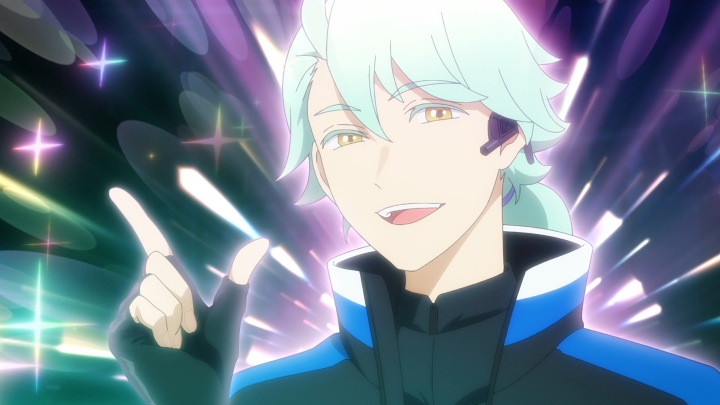
Short Synopsis: Season 2 of Black Clover, though it’s really more like episodes 170-194. You know what this is.

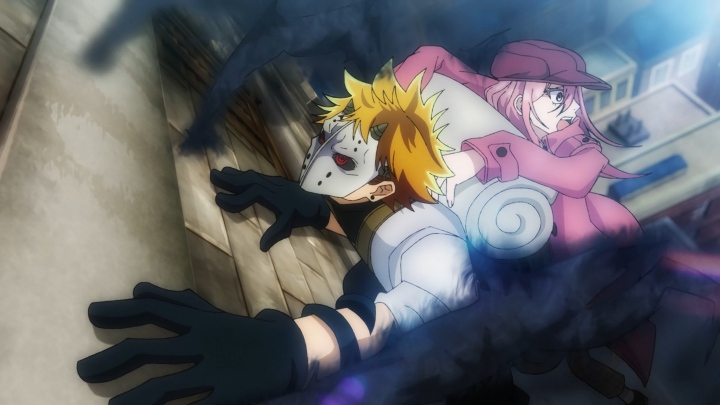
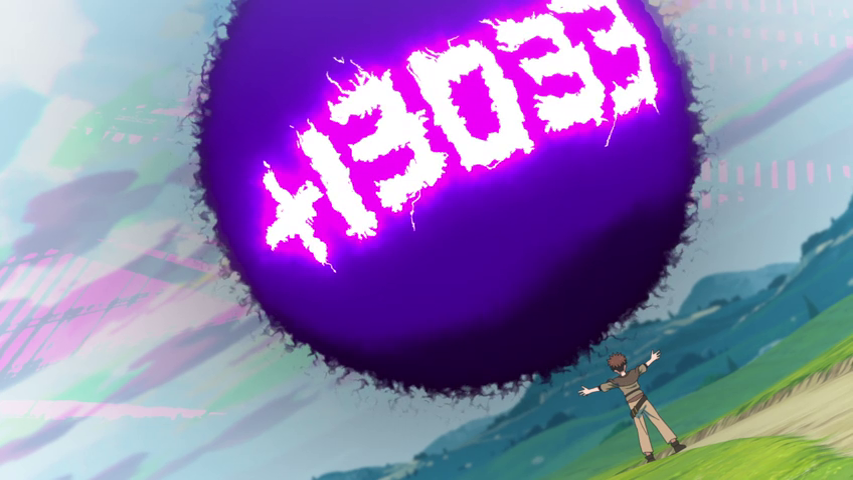
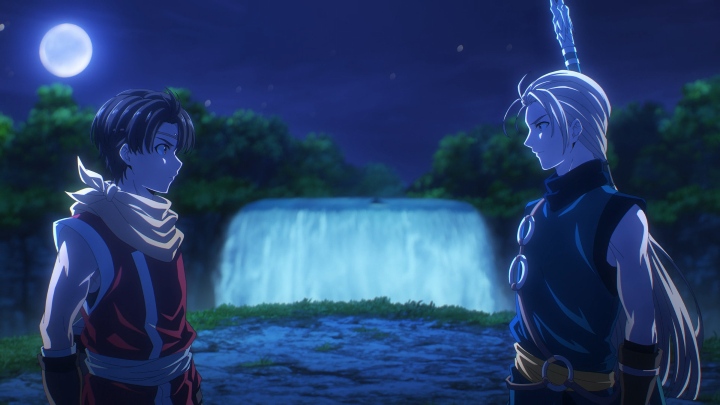
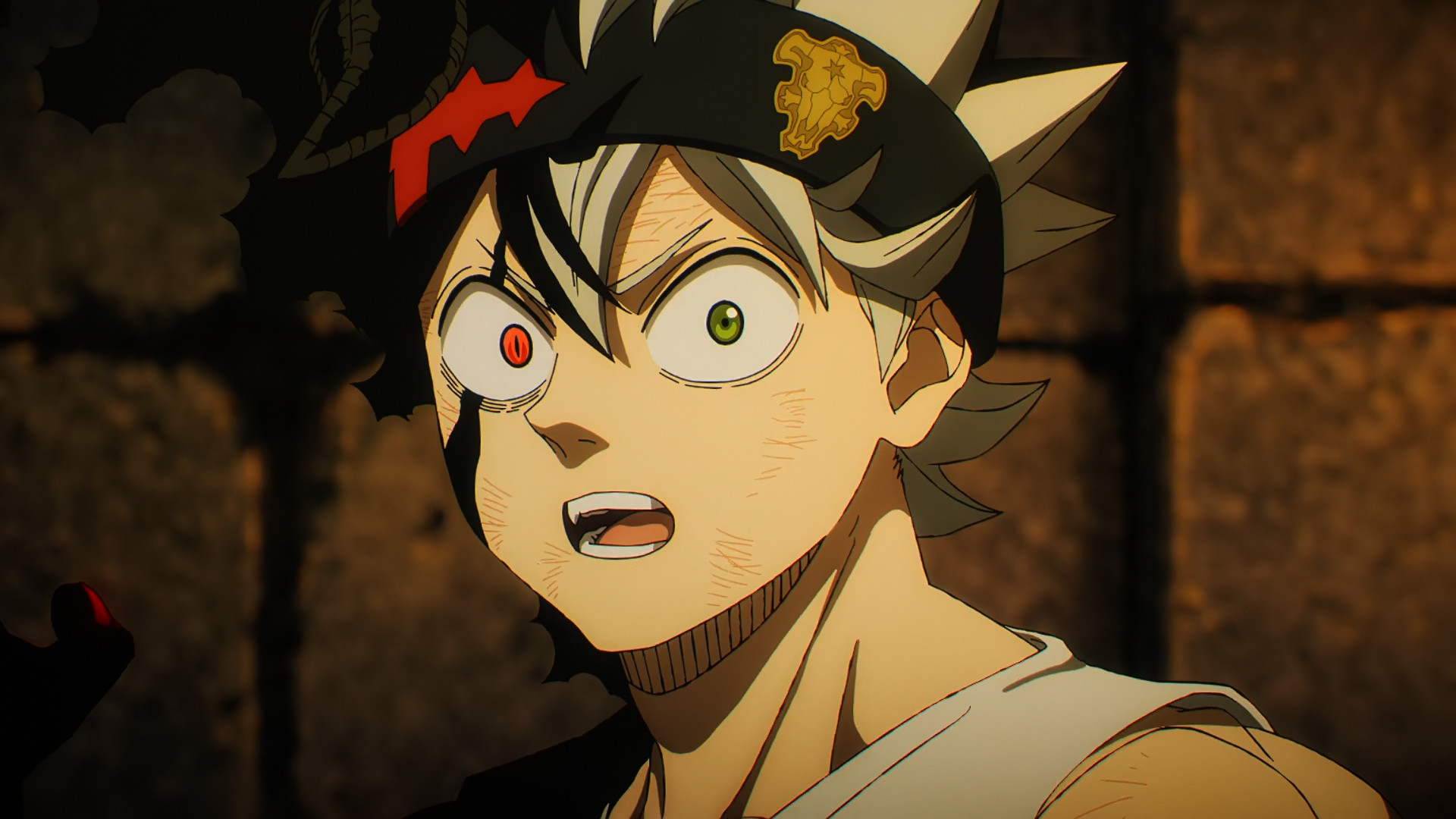
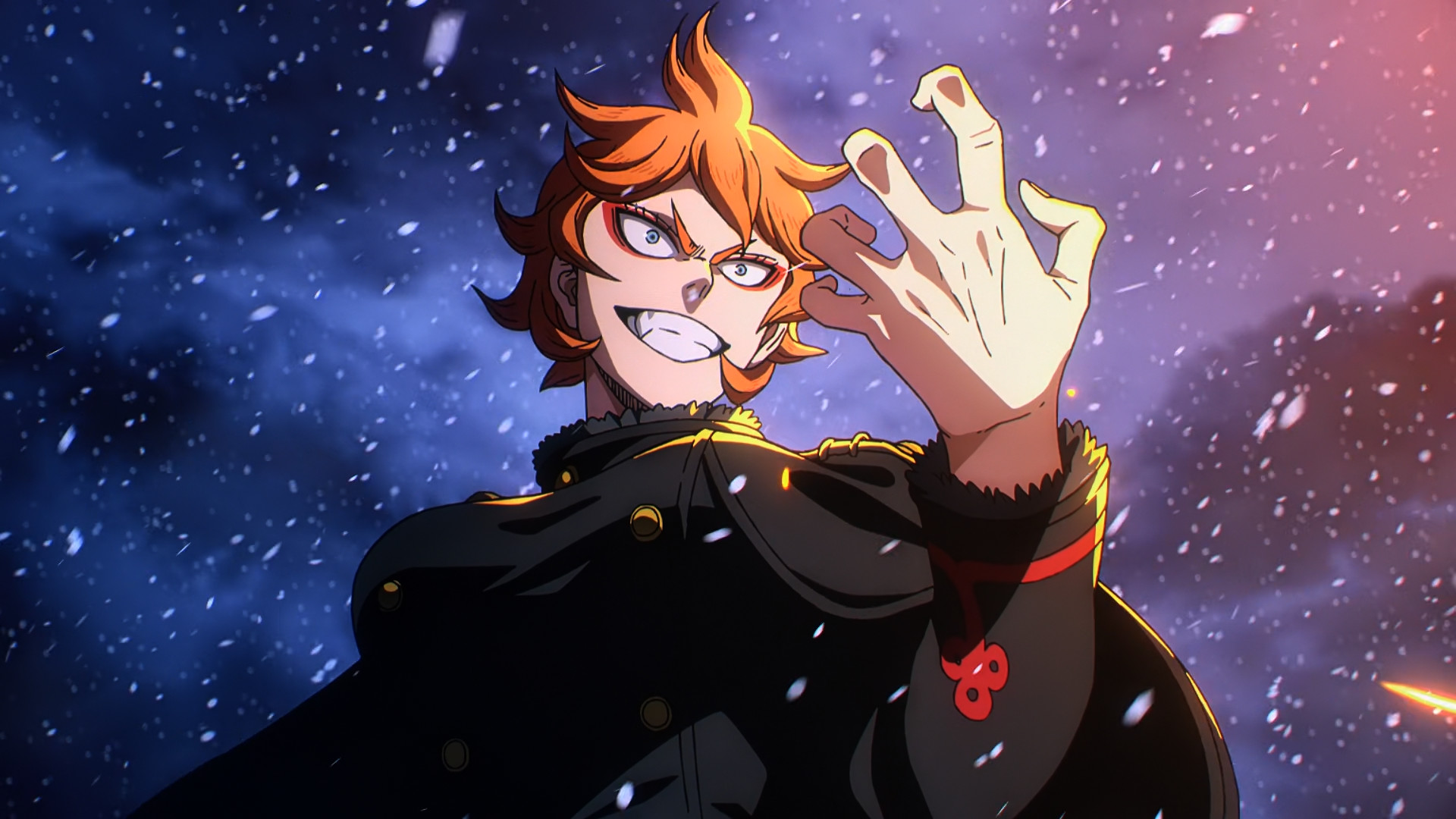
Lenlo: Let’s be real here, you’re not watching this unless you’ve watched the previous 170 episodes of Black Clover. And if you have, then you know whether or not this series is for you. So instead of trying to sell you on a long running shounen series that I’ve already done a lengthy introductory post about, let’s instead talk about what existing Black Clover fans are getting out of this season. And you know what? They are eating good. Not only is this one of the best arcs of the series, with solid villains, solid fights, lots of story lines and character arcs coming together all at once, considering what Studio Pierrot has done to this series before, it’s also shockingly well produced. I don’t just mean the fights, which are great don’t get me wrong, but also the conversations, the camera work, the expressions. It’s all good! Just like how One Piece benefited immensely from becoming seasonal (just look at Elbaf for proof), so too has Black Clover. And after watching episode 2 as well before writing this, it feels like they may be able to keep this up for the whole season. So yeah, this is probably the best time to be/become a Black Clover fan. Jump in the water, have fun, watch the pretty lights go brr.
Potential: 70%

Kyoufu Collector
Short Synopsis: A boy in a red hood rescues people from cursed tales and legends.

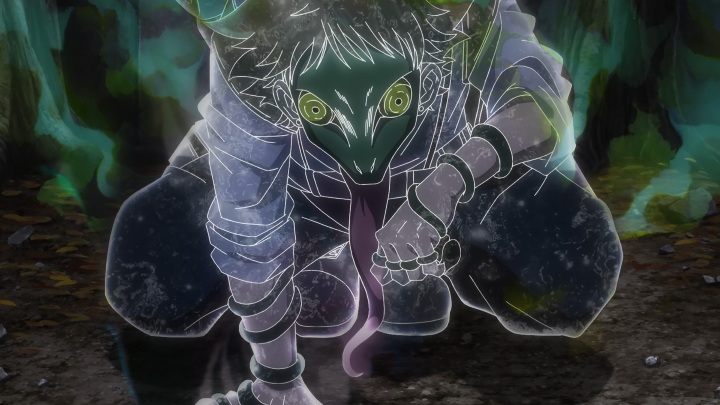
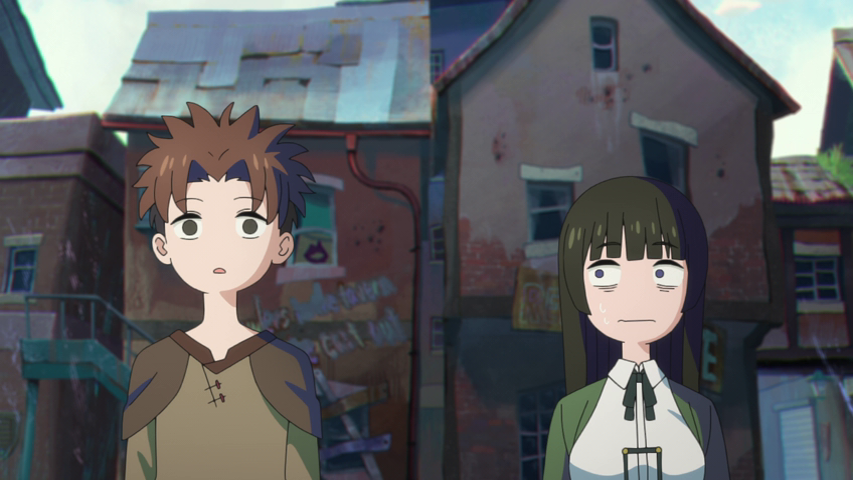
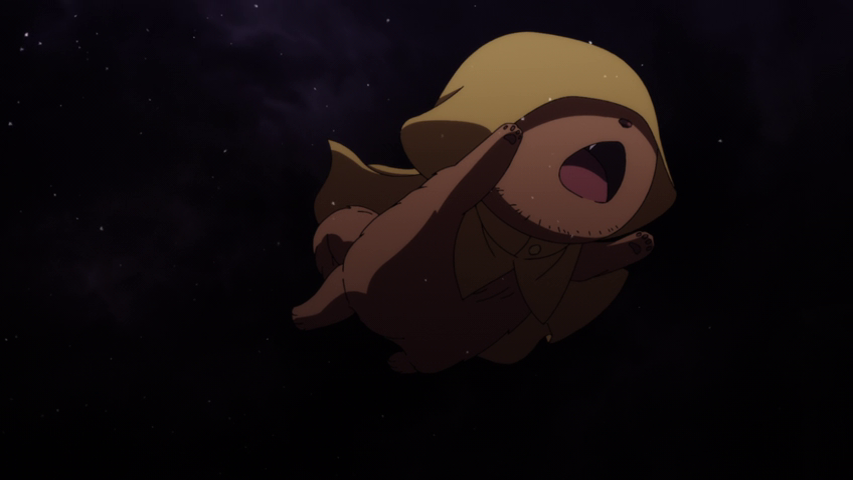
Mario: I don’t think anime has a good track record with horror, and so far, Kyoufu Collector looks to be another forgettable entry in that genre. Here we have two unrelated stories of how old legends come true and end up cursing real people, but formula-wise they are almost identical. This episode is neither scary (as we know our main character will save the victims at the end of the day) nor does it have enough time to properly delve into either case. We have the usual eerie build-up, with a creepy old neighborhood gossip character (really?) and people acting strangely without context. In the first story, for example, a girl opens her window at midnight and follows her “mom” to the top of her building. Why? To top it off, the visuals aren’t up to par either. Many scenes go heavy on the saturation without good reason, which takes me out of the story every time. I wouldn’t recommend this show to anyone, even fans of trashy horror.
Potential: 0%

Dark Machine: The Animation
Short Synopsis: A young man joins an esports team in order to fulfill his grandfather’s dying wish.

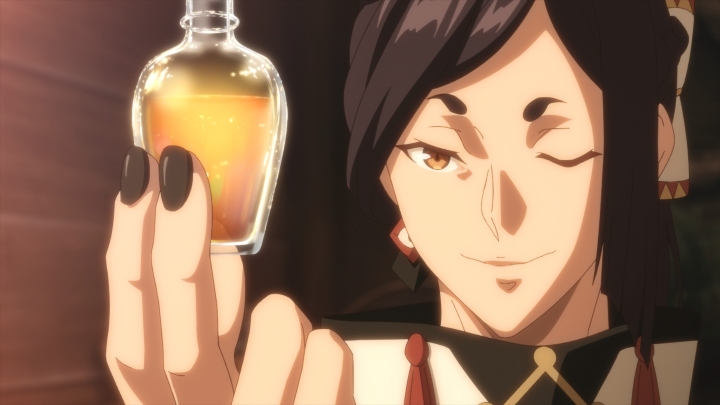
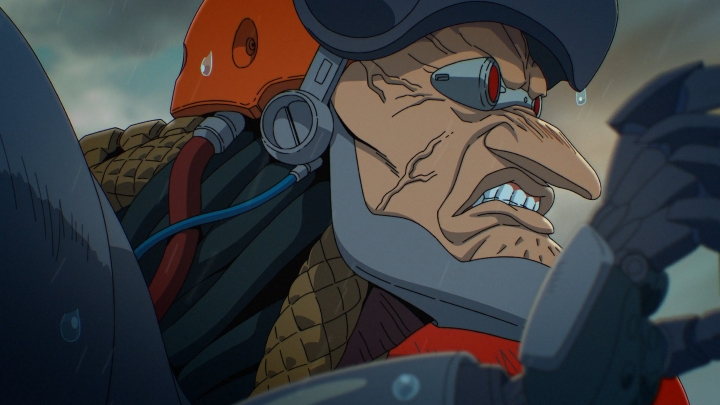
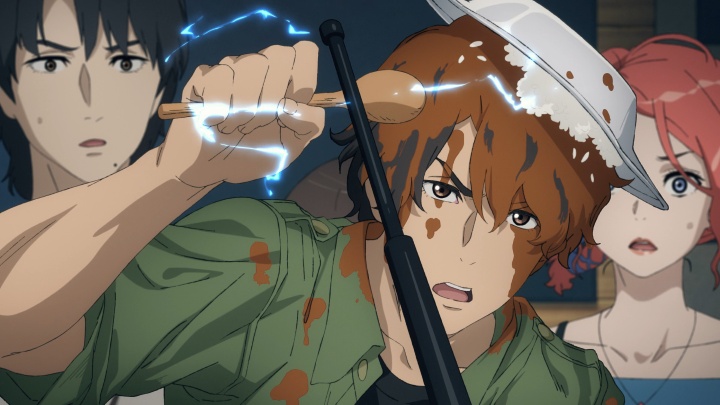
Wooper: You read that synopsis correctly – the main character of this show is roped into its competitive esports scene because of an old man’s final wishes. I’m sure if he were still with us today, his grandpa would check in on him with a friendly, “Are ya winnin’, grandson?” The answer would be yes, because our leading man Kairi is a natural god gamer despite never having played Dark Machine, the biggest game in town. Its currency is more valuable than cash, its top player has AR helmet-wearing goons that do his bidding, etc. The tone isn’t as simpering as that of Overgeared, as the cast here have at least some personality outside their game of choice, but not enough to sustain this premiere once the 3-on-3 match begins around the halfway point. Video games are fun to play, and they can even be fun to watch real people play on occasion. But a line has to be drawn somewhere, and for me, it’s watching fictional people play a fictional esport in a fictional anime. Of course, Dark Machine has a real world presence in the form of some Web3 blockchain game, but that might as well be fictional too, since it was announced a couple years ago, has no release date, and is saddled with an “integrated NFT marketplace.” I hope studio Production +h broke even on this show, because they’ve got one that actually matters (Hirayasumi) coming out in 2027, and I’d hate for Crypto: The Animation to impinge on the creation of worthwhile art.
Potential: $0.005025


Fall 2026 Impressions: Magical Girl Raising Project: Restart, The Vermilion Mask, The World’s Strongest Witch

Magical Girl Raising Project: Restart

Short Synopsis: Several magical girls get transported into a realm where they might have to kill each other off.

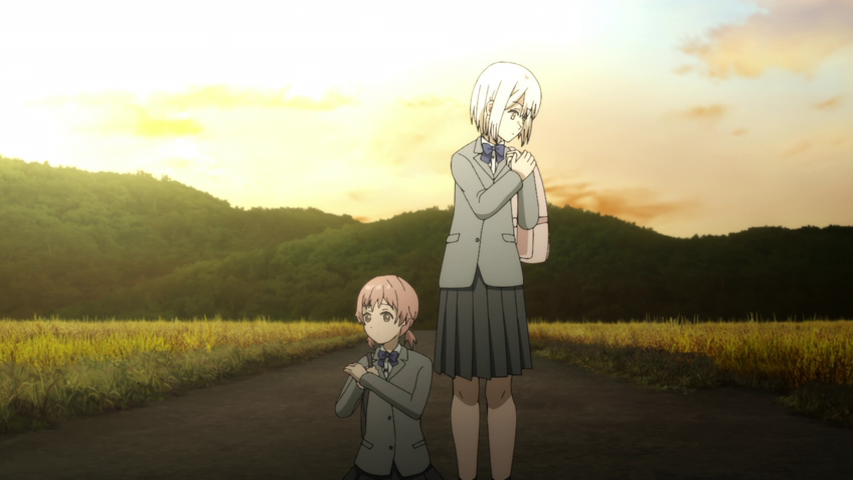
Mario: I remember watching the original Magical Girl Raising Project a few years back, itself one of the better Madoka-inspired dark mahou shoujos out there. I thought initially that the Raising Project never quite reached its full potential, and now I have forgotten most of it. This “sequel” doesn’t really require knowledge of that show though (except for one returning character), and so far it’s just setting up the plot and introducing us to a new set of characters. Even though they are distinctively designed, I cannot fathom the fact that some have tails and half-animal designs. Whaaat is that? Looking at this episode alone, I’m not even sure if the story will take the form of a battle royale, given that almost all of them have no idea why they’ve gathered in the first place. Still, the battles where they show off their special skills are pretty cool to watch, and we do get a glimpse of these dozen girls’ personalities and their styles. Overall, not a terrible introduction to this world again in my book.
Potential: 35%

The Vermilion Mask

Short Synopsis: The apprentice of a renowned mask-maker uses his own masks’ special abilities to track down his master’s work.

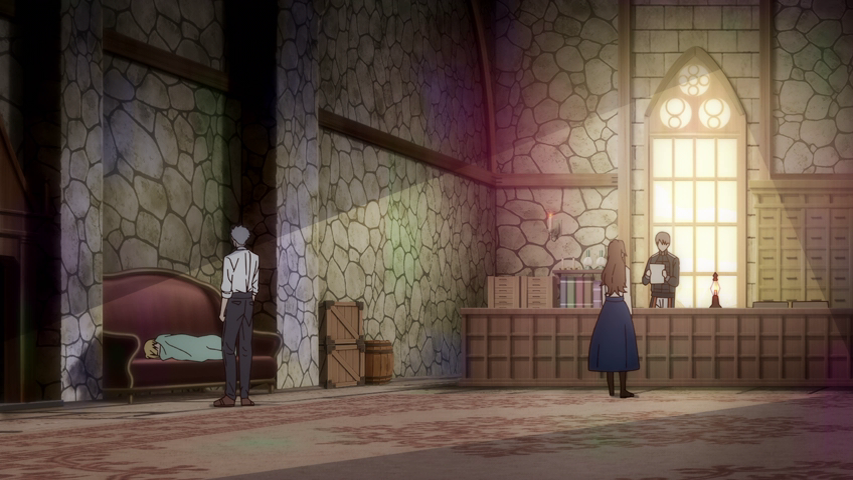
Wooper: It feels as though the gap between the best-looking shounen adaptations and all the others has continually widened over time. Sure, the original Fullmetal Alchemist had better animation than Naruto, but was the difference as drastic as Jujutsu Kaisen’s superiority to The Vermilion Mask (Shuiro no Kamen)? Did Chainsaw Man have any background elements as transparently copy-pasted as this castle? I know that this series runs in a seinen mag, but its use of ability-granting masks to engineer fight scenes makes it a closer cousin to the aforementioned shows, and it comes up wanting by comparison. It’s not just visual presentation where it suffers, either – its info delivery method is agonizingly blunt. Why did the protagonist’s mentor make a mask of courage? Because he needed to find courage to stand up to his bullies. How do we know the head of the First Governing Corps is corrupt? Because he murders one of his subordinates who criticizes him for using violence against children. The only part of this episode that roused me from my stupor was the conclusion, which exposed a banished princess (rather than the spiky-haired hero) to a mask housing an evil spirit. Maybe Vermilion Mask’s story heads in an interesting direction as a result, but I’ll never find out.
Potential: 10%

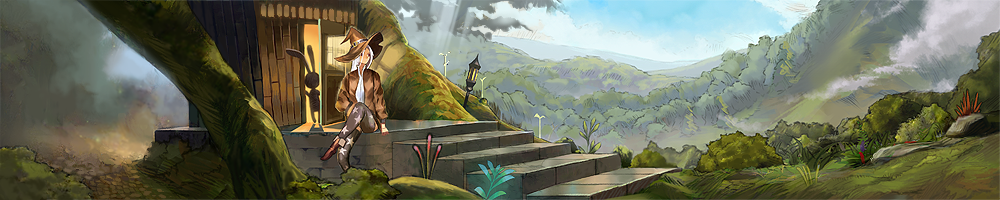
The World’s Strongest Witch

Short Synopsis: A girl in a JRPG world obtains a useless skill called “Internet.”

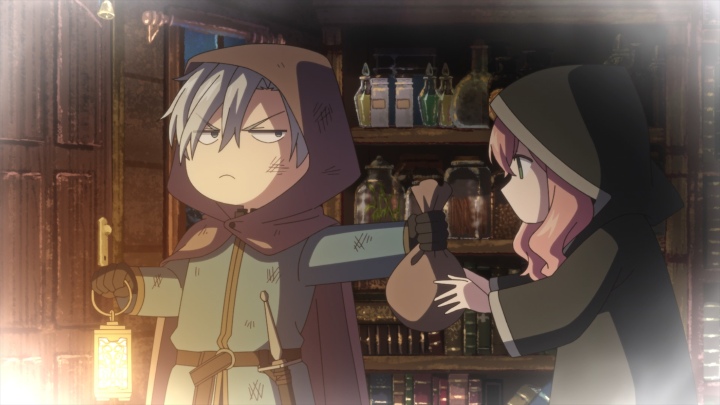
Mario: I’m kind of amazed at how this industry keeps coming up with ways for nobody protagonists to gain cheat code skills. Just a few days ago, we had an Enchanter become invisible by taking back all his bonus points, and this time we have a girl who learns all the tricks by reading a fantasy world’s wiki. The show is full of lazy exposition: a backstory involving a predictably heartless family; the ability to search the internet (without Wi-Fi!!) for answers to all the main character’s questions; an overpowered item obtained without too much sweat, and the list goes on. It plays these tropes with such a straight face that I don’t think it’s meant to be a parody, and worse, now that she’s gathered everything she needs I’d say the most fun part is practically over. With such a thin character and an even thinner plot, this show sadly offers nothing worth my time.
Potential: 0%

Fall 2026 Impressions: Magic Knight Rayearth, Choujun! Choujou-senpai, Firefly Wedding

Magic Knight Rayearth

Short Synopsis: Three high school girls get transported to a fantasy realm where they become knights who must save the world.

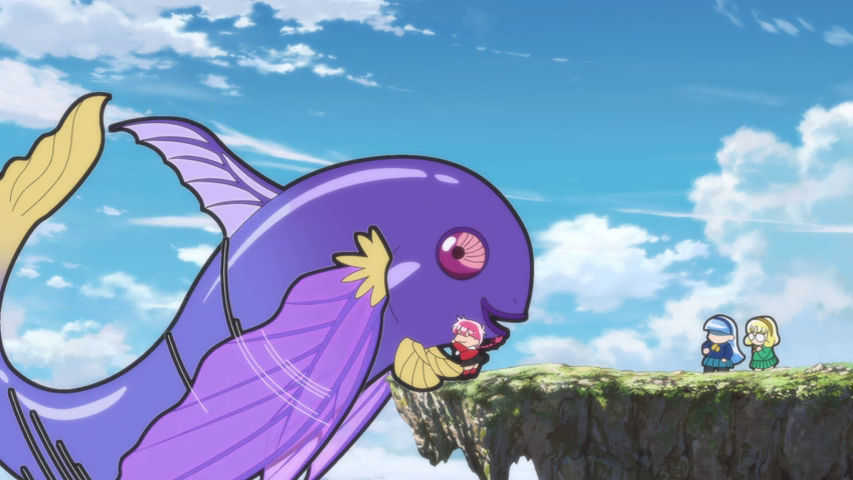
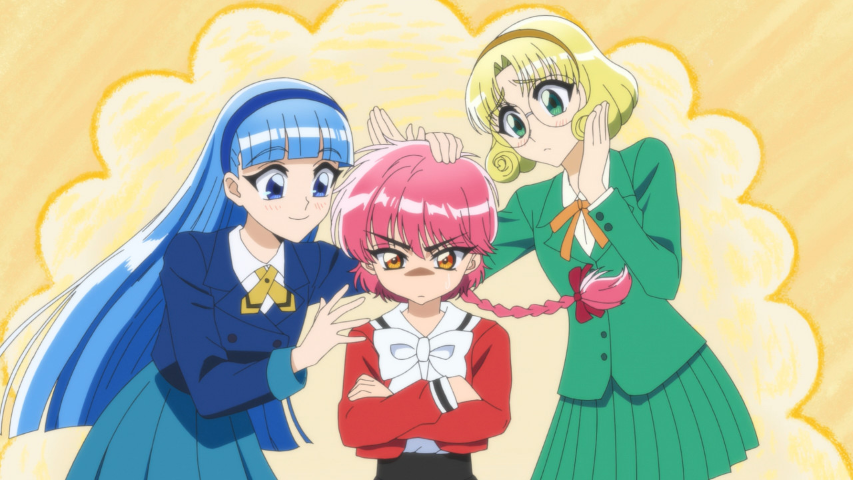
Wooper: My biggest question coming into this reboot was the level of involvement that Yuki Kajiura would have in the soundtrack. That can’t be determined after a single episode, but so far we’ve only gotten one composition of hers, which played during the henshin sequence toward the end of this half hour. I guess that counts as a personal disappointment, but most folks are probably more concerned about things like art style and tone, as they should be. Despite not being a Rayearth expert, I’ve seen enough of the original series to know that this new version is shooting for a similar atmosphere: earnest heroism from Hikaru, exaggerated peril posed by Zagato’s flunkies, and regular use of superdeformed shots for comedy. Regarding that second point, Alcyone (one of said flunkies) does appear in this episode, but she doesn’t immediately begin her pursuit of the main characters as she did at the start of the 1994 show. That means this new version is taking a more leisurely approach to adapting the manga, which is a good sign. As for the art, it’s more detailed in its depiction of Cephiro (now subtitled as “Cefiro”) at large, but the tactility of the original’s effects animation is greatly reduced in exchange. The waterfall in Zagato’s stronghold, in particular, is neutered here – but on the whole I’d say it looks alright. Even if Rayearth is a bit silly for my taste, this Rayboot should work well for new viewers, and longtime fans without an attachment to cel aesthetics may enjoy it, too.
Potential: 30%

Mario: We have yet another 90s manga adaptation that features a girl (this time, three girls) getting sucked into a fantasy world… Really, Japan? Just be more creative. On the serious side, though, I have watched a few episodes of the 1994 original show so I knew what to expect, and I like how this episode speeds through the setup phase and gets the girls in action right away. At the same time, this new version keeps their distinctive character designs (courtesy of CLAMP), easily distinguishable personalities, and magical girl transformations. I also appreciate how the show gets straight to the point about our heroines’ main mission: save the world, then you can get out of here. Add the updated visuals to the mix, and I am happy with how this remake proceeds so far.
Potential: 60%

Choujun! Choujou-senpai

Short Synopsis: A policeman with psychic powers makes trouble for his rookie partner.

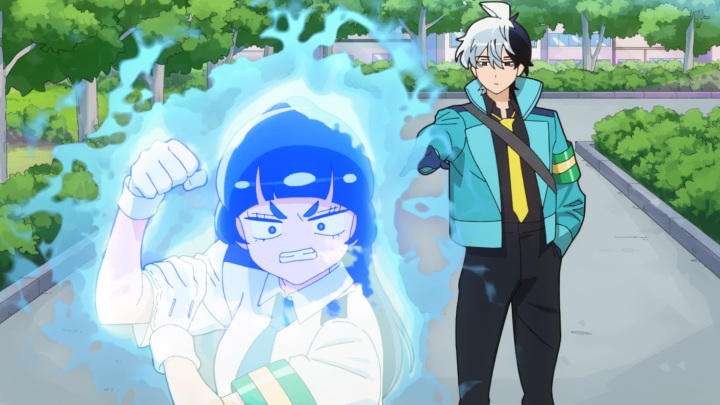
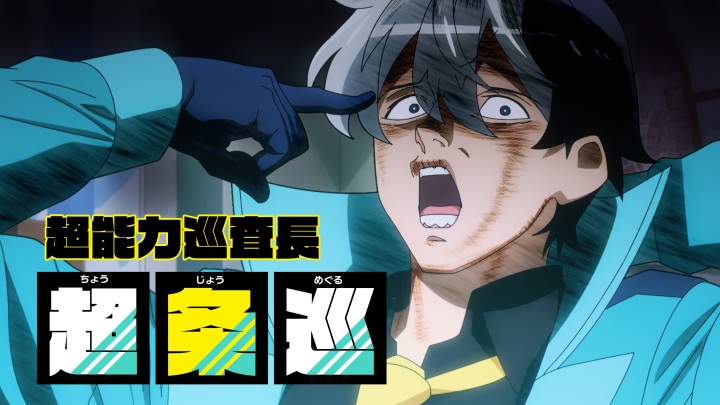
Wooper: The kindest thing I can say about Choujun! Choujou-senpai is that I generally liked the look of its first episode. The solidly-outlined characters stayed consistent at various distances, and the measured use of color kept it in touch with its manga roots without falling down a screentone rabbit hole. As for the rest, let’s just say it’s not a great sign when you don’t crack a single smile during a comedy anime. Maybe jokes about mind reading are just tough to design, since a key element of humor is surprise, which this show’s psychic central character can never experience. His bad reputation has left him stranded in a police precinct with only minor crimes to solve, but if he’s really got such a bad rep, maybe Choujou-senpai should have pushed the envelope a bit more in introducing him. Sure, he terrorizes the public by levitating a crane and wrecking ball in the third act, but he was already considered a menace by then. What has he done, exactly, to make him so reviled? Speaking of that crane incident, the script telegraphed that he’d blame it on his optimistic young partner minutes before it happened, which sucked the air out of the episode’s final few minutes. And we didn’t even get one word of dialogue from Robo-kun the police droid despite his prominence in the OP! An all-around bummer.
Potential: 15%

Firefly Wedding

Short Synopsis: A girl who is slated for an arranged marriage gets kidnapped and saved by a heartless killer. She then proposes to him to save her own life.

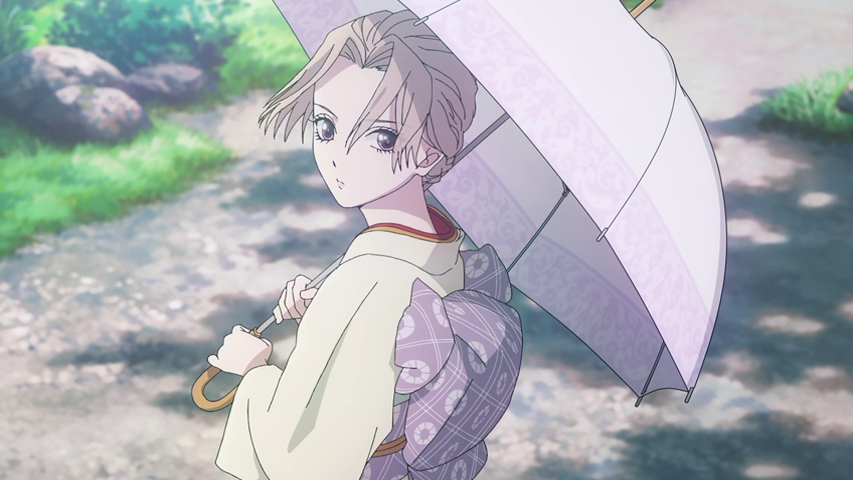
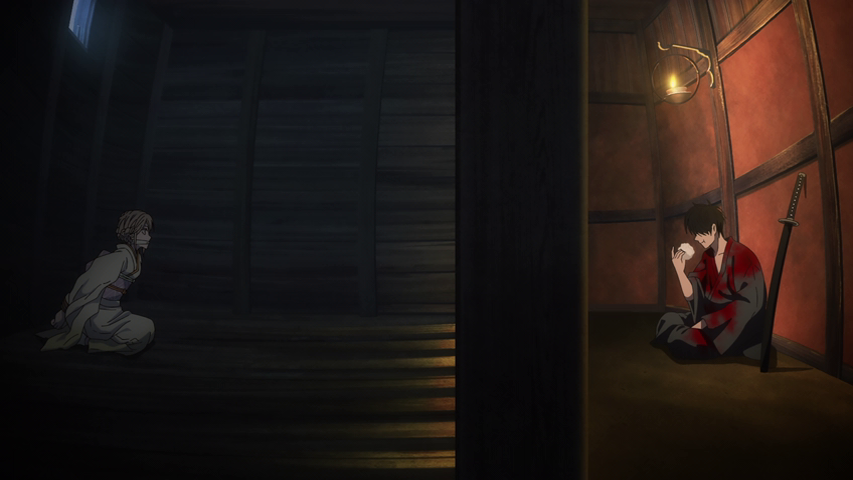
Mario: I’m not sure how to feel about the two leads’ marriage proposal at the end of this first episode, given that it is based on a great pretense. But then again, Satoko’s entire life thus far is also a lie. She has been living just to measure up to her father’s expectations, her stepmother and stepsister hate her, her heart condition only allows her to live for a few more years… And then on the other side of the coin we have Goto, a merciless killer who takes pleasure in killing as if it’s the only thing he’s great at (it probably is). There’s some tender moments between them in this episode, but so far they’re also strictly business. For Goto, it’s either kill her or kill the others. For Sakoto, it’s her life. I’m glad that the show doesn’t tone down the more gritty parts of the story – they are there so we can see how desperate and understandable Sakoto’s moves are. She has to do it to survive. Even though she claims that her life is orchestrated to meet her father’s expectations, there’s another fire inside her to live on. So yes, while I remain split on their romance so far, the characters in this show are solid enough to carry this premise so far.
Potential: 55%

Fall 2026 Impressions: The Laid-Off Cheat-Granting Mage, Horemajo, Psyren

The Laid-Off Cheat-Granting Mage
Enjoys a Second Lease on Life

Short Synopsis: An Enchanter gets fired from his guild and goes off on his own journey.

Mario: Here’s the thing I can wholeheartedly recommend about this show: Laid-Off Cheat-Granting Mage is a breeze to watch. It doesn’t really take itself seriously, which works for its benefit. All the main characters are fun, and even though our boy Rein runs crying and screaming because he gets betrayed, his energy serves as a good foil against the other characters. But for all its spark, it’s still a show that follows the same well-worn fantasy anime formula: guilds, stats, hero class, and the main character becoming overpowered way too quickly without doing anything. To top it off, many details from this episode don’t really add up when you think about them: if Rein feels as though his old guild was keeping him from pursuing his dream, why does he immediately join a new one after getting kicked out? He also receives these enhancement points, but technically I don’t think he can just apply them to his blade or his clothes because they would break, right? Also, any character outside the main cast is laughably one-note so far… If you don’t want to think much while watching an anime, though, then this show does its job.
Potential: 20%

Horemajo

Short Synopsis: She’s a witch and her crush wants her to make a love potion.

Wooper: Both the Japanese and localized English titles for this show are prohibitively long, so I’ve (very professionally) opted for its hashtag. The Japanese title starts with “Doumo, Suki na Hito,” and if you want to know the English title, just change the third person pronouns in the synopsis above to first person. The main character is indeed a witch and her crush does indeed request that she make a love potion for him. Why does she have a crush on this guy? Well, it’s because he cleared the unbelievably high bar of not being racist! The flashback toward the end of this premiere reveals, via a frankly horrendous dialogue scene, that he doesn’t discriminate against witches for their magic or their secretive habits. Part of what makes the scene so terrible is what an obvious analogue it is for real world racism without having to address it as a real world issue, but who cares, he’s a handsome knight and not a weird bigot! Witch-themed anime are on the upswing right now, but this one doesn’t make great use of the supernatural elements inherent to the trend, so in addition to being unromantic it’s also generally dull. I’m sure it’s someone else’s cup of magic-infused tea, though.
Potential: 5%

Psyren

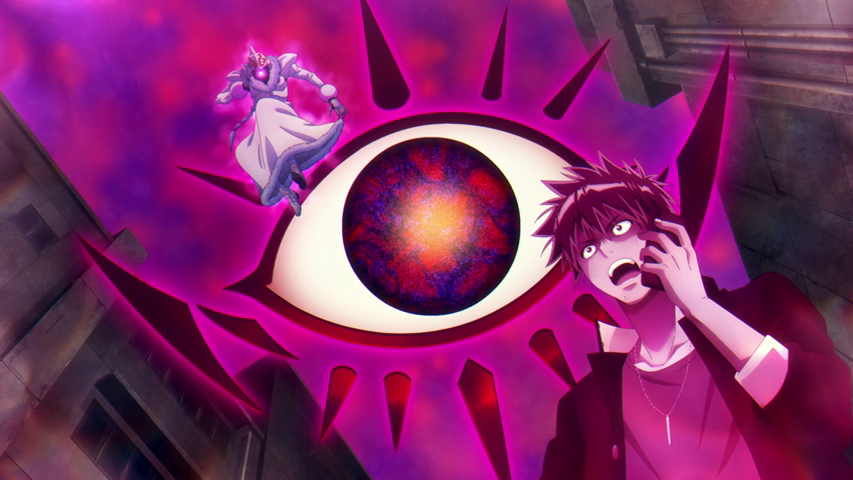
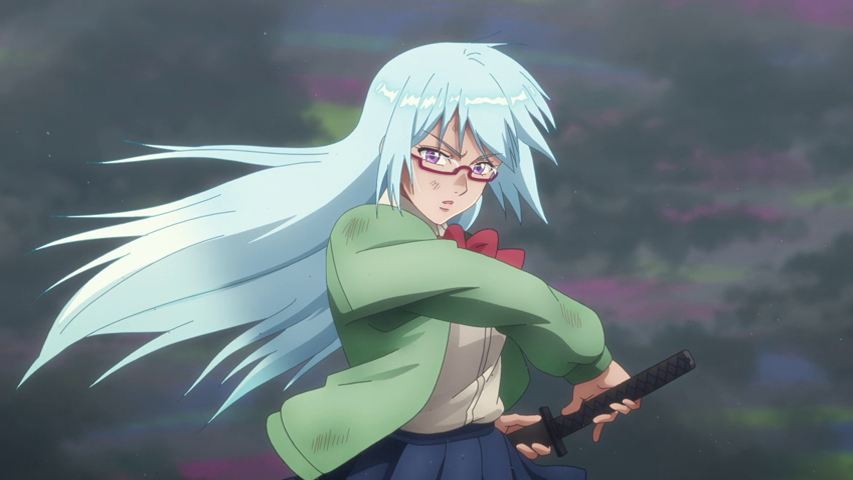
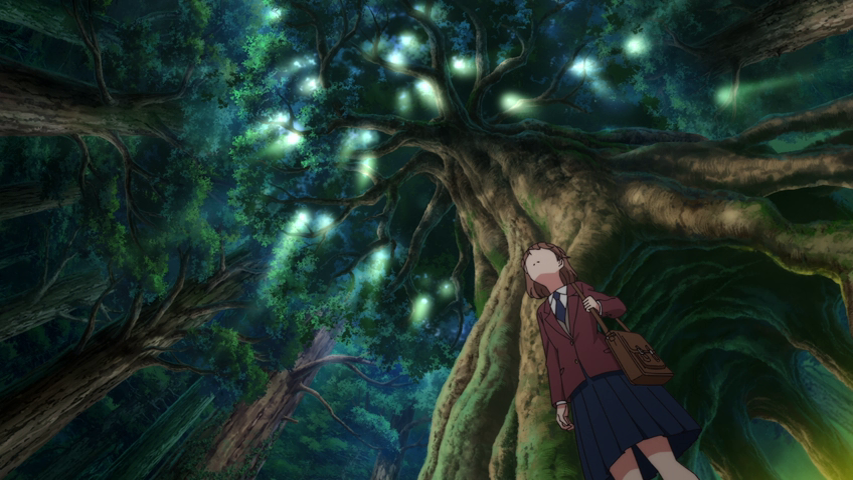
Short Synopsis: A high schooler is handed a mysterious red telephone card which transports him to a dark world.

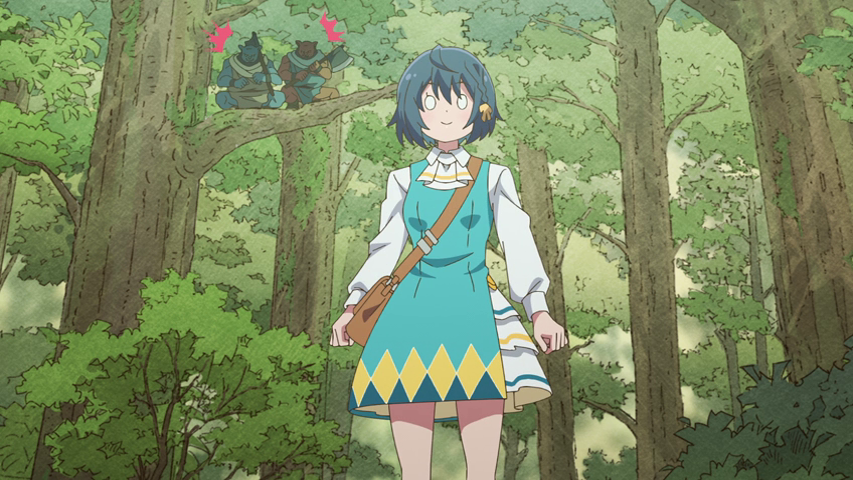
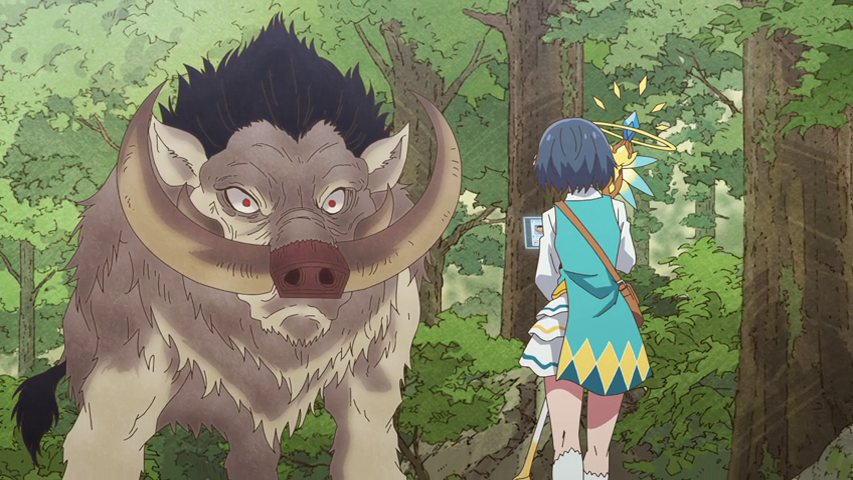
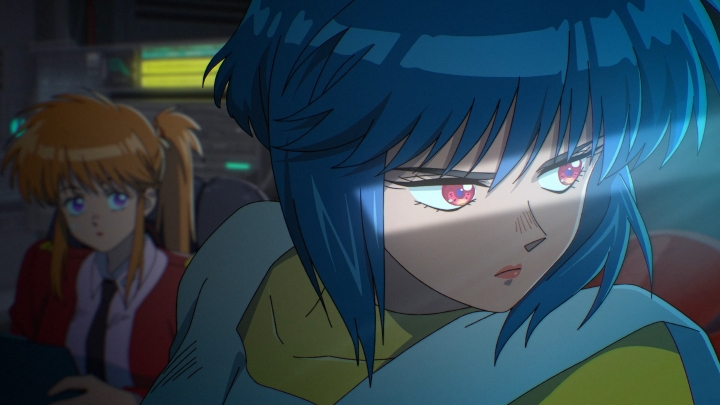
Mario: I reckon that so far, nothing in this episode surprises me. We all know our blue-haired hero will use the phone card (mentioned above), and we can tell the moment his friend disappears that it won’t be the last we see of her, yet we’ve still learned next to nothing about the Psyren world. The characters are forgettable so far; even our protagonist doesn’t have any real standout personality, except for his hatred of Earth. In fact, that’s one of the only aspects that draws my attention here, as I think the show would connect that to the larger Psyren world. As this is yet another 90s-00s manga adaptation, we see a dash of old school stuff in here, like the telephone booth (those have almost gone extinct now) or the literal “knock some sense into you” trope from his sister. I bet that the show will kick off once we learn what the hell Psyren is about (the parallel world, not the series), and how our boy and his friend plan to survive in that world, but personally I am not keen to find out.
Potential: 10%

Fall 2026 Impressions: Seitokai ni mo Ana wa Aru, From Far Away, The Seven Knights of the Marronnier Kingdom

Seitokai ni mo Ana wa Aru!

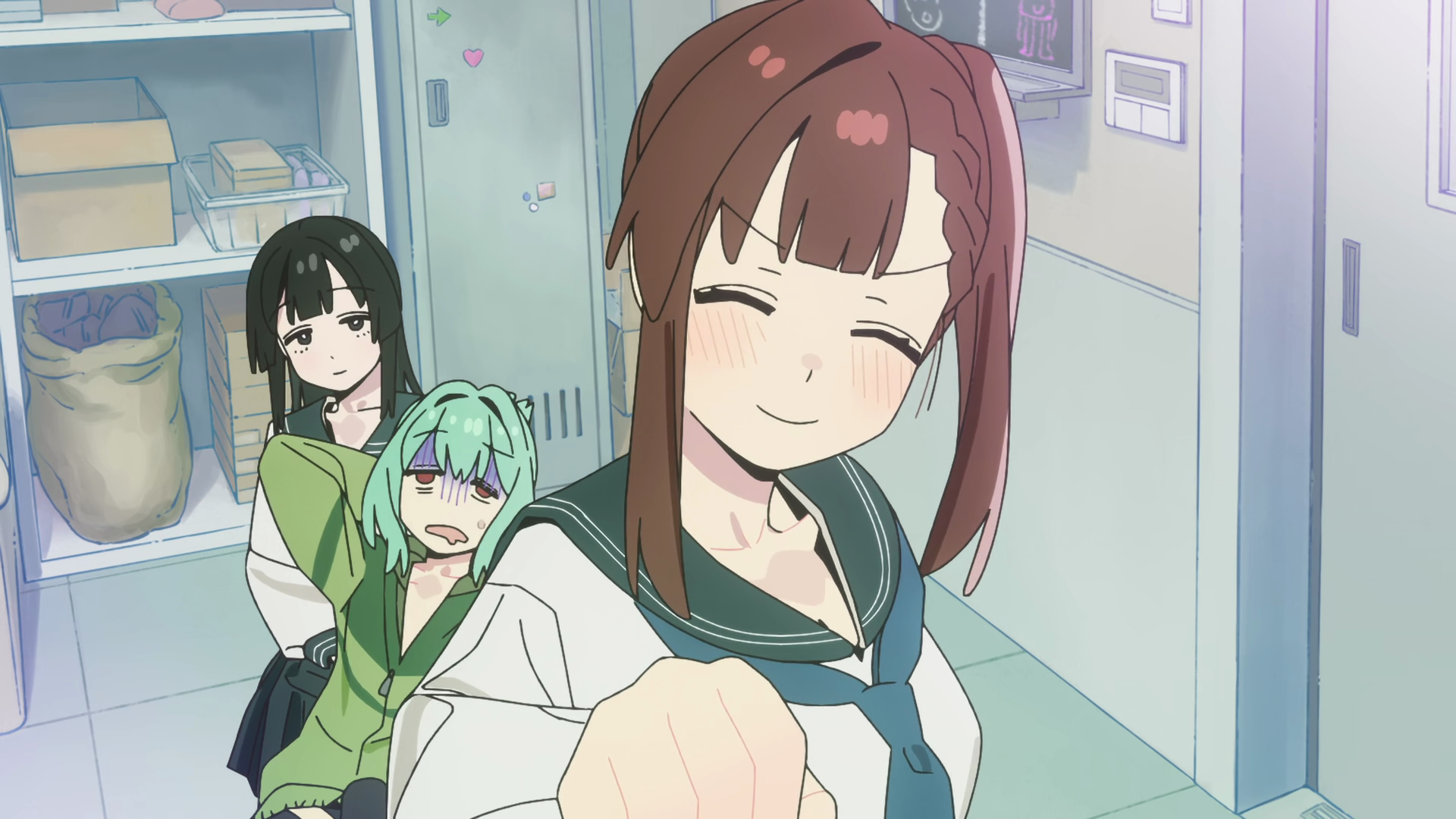
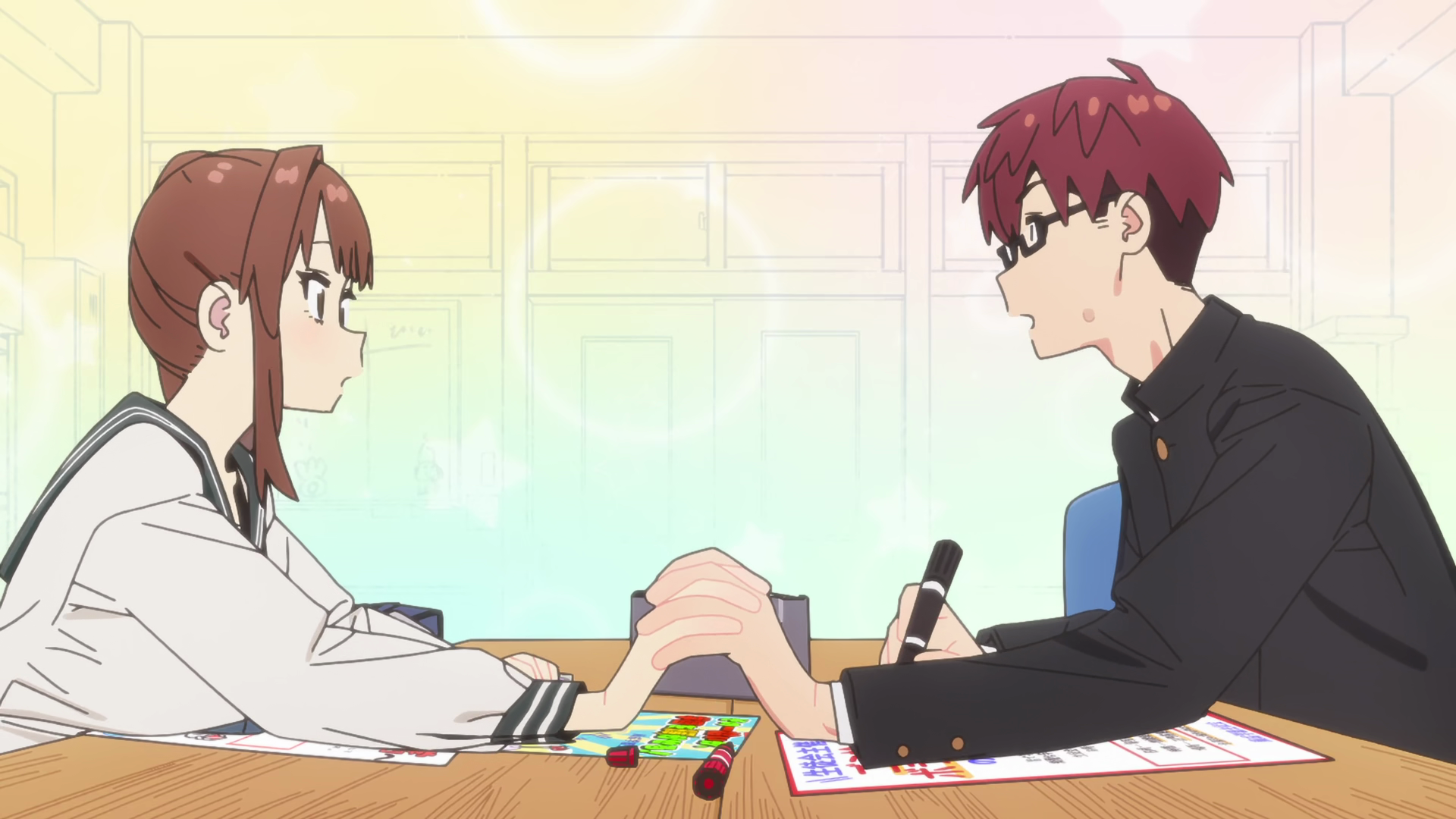
Short Synopsis: A teenage boy is asked to join a student council full of weirdos.

Mario: This show is proof that doesn’t matter how trashy and edgy your premise is, all that matters is the delivery. Yes, this episode is raunchy and it might very well turn off certain viewers with its humor, but so far the comedy lands well (and it’s a gag-a-minute show). Its jokes are well-timed, off kilter but with purpose, and they are supported by its sheer energy and solid visuals. I am not sure if the show can retain this high energy throughout the rest of its run, but as far as this first episode goes, I had a great time with it.
Potential: More please!

Wooper: Ecchi has never been a favorite subgenre of mine, but Seitokai (the lewdly localized “Even the Student Council Has Its Holes”) was forecasted to have some real production chops. Given that visuals are an increasingly important personal factor when shaping my seasonal watchlists, I decided to give it a try, but it turns out I’m still too square for fanservice of this magnitude. There’s something odd about introducing a seemingly female character, giving the audience a peek down her shirt, then revealing she’s actually a boy. But whatever – anime has been playing fast and loose with sex and gender for longer than I’ve been alive, so how was the rest of the premiere? Well, it did go big with its comedy, putting a rabbit mating video (not a euphemism) on screen during a high school assembly gone wrong, and utilizing Nichijou-style violence against one of the robotics club’s creations at an early point. The smaller stuff was packed together between eyecatches, hinting at the source material’s 4-koma format, and the resulting rapid pace did work pretty well. Smart background art choices were made from scene to scene, including detail when necessary and stripping it away when not. At the end of the day, though, groin shots, bloody panties and topless teachers aren’t what I want from an anime, especially when it falls back on cute designs rather than committing to its crudeness.
Potential: 80085

From Far Away

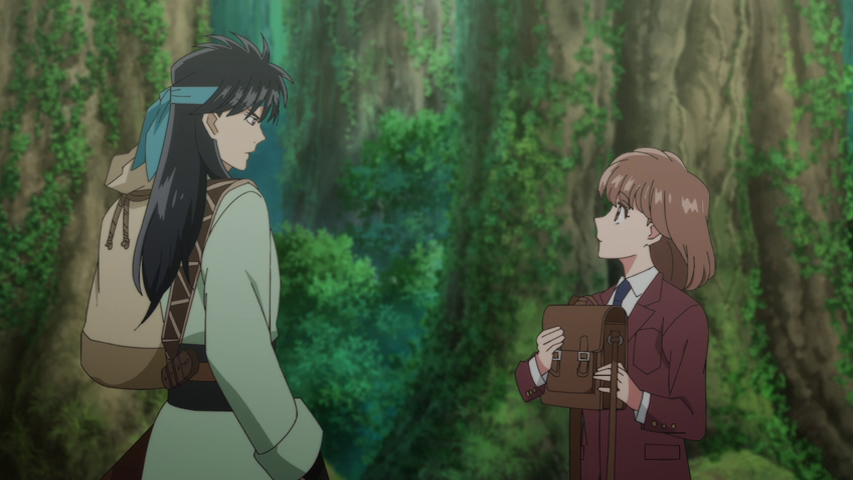
Short Synopsis: A high school girl gets transported to a new world where she is “the one” and gets rescued by a handsome boy.

Mario: Right after Red River last season, we have yet another adaptation of a 90s manga with a very similar premise. To be fair, I regard From Far Away’s first episode as much stronger than Red River’s, however, some of their issues remain the same. Our main girl Noriko spends the entirety of this episode crying, fainting and finding herself out of her depth, plus the boy who rescues her is way too powerful. I also like the way that these two don’t know each other’s languages but can still understand each other anyways, but damn if the show doesn’t repeat that fact like 30 times during this episode. On the bright side, the fantasy world is intriguing, and the show’s pacing so far is snappy enough to move things along nicely. One thing that piques my interest is that Noriko can seem to shift back and forth between the two worlds, so it could be interesting to see how she balances that, and how her actions in one world can affect her life in the other.
Potential: 20%

The Seven Knights of the Marronnier Kingdom

Short Synopsis: A general’s seven sons are made ambassadors to a kingdom’s seven neighboring countries.

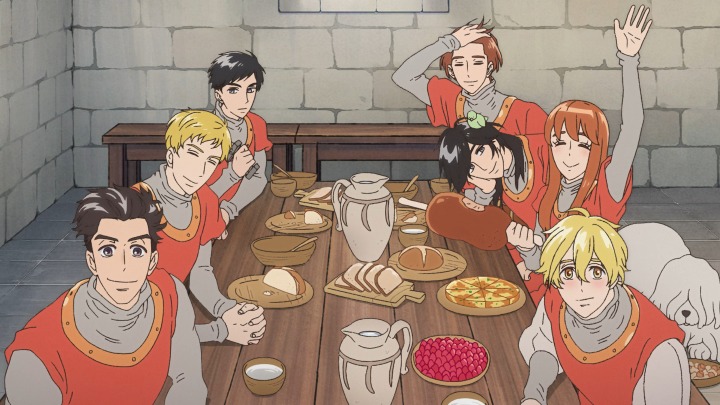
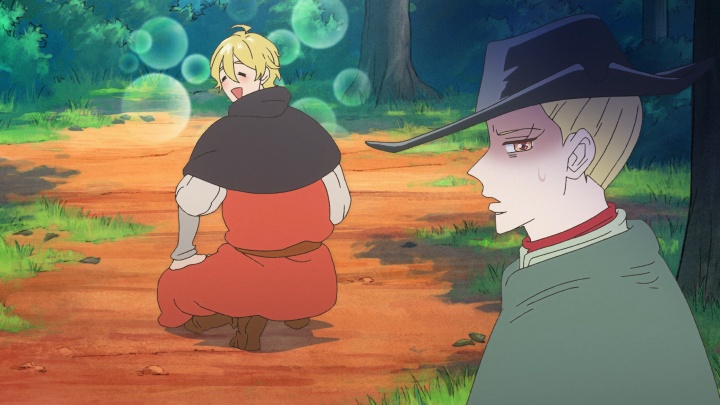
Wooper: Insomniac, Fraternity, Feverish, Chilly, Beast-Tamer, Swordsman, and Hungry. These are the names of the seven knight siblings of Marronnier, at least according to the subs provided by Amazon, whose translations are notoriously subpar. If I were covering this show week by week, I might write out the brothers’ romanized names (Nemukunai, Hakuai, etc), but Marronnier doesn’t have quite that level of promise. It’s one of the more interesting anime of the fall from a tonal perspective, at least – even though its main cast is about to be dispersed among their birth kingdom’s surrounding territories, the mood is light and the focus is just as much on the natural world as on their mission. Chilly spends an afternoon helping a disguised princess gather nuts for her massive pet squirrel, and several of his brothers must prune grapevines before they can attend combat training. The tone is so easygoing, in fact, that I’m not sure when Marronnier will see its central siblings off. Characters like the aforementioned princess, her motherly attendant, the overworked Castellan and his tomboyish daughter Ellie seem just as important to the show so far, and there was no glimpse of a foreign landscape in the next episode preview. How this series’ larger story will unfold remains to be seen – I wouldn’t want to rush anything, but right now it’s airy enough that broadening the setting will be key to filling out Marronnier’s remaining 19 episodes.
Potential: 35%

Fall 2026 Impressions: A Tale of the Secret Saint, Suikoden: The Anime, Tank Chair

A Tale of the Secret Saint

Short Synopsis: A girl who wants to be a knight finds out that she was a saint in her previous life, and makes a pact with a dragon in the process.

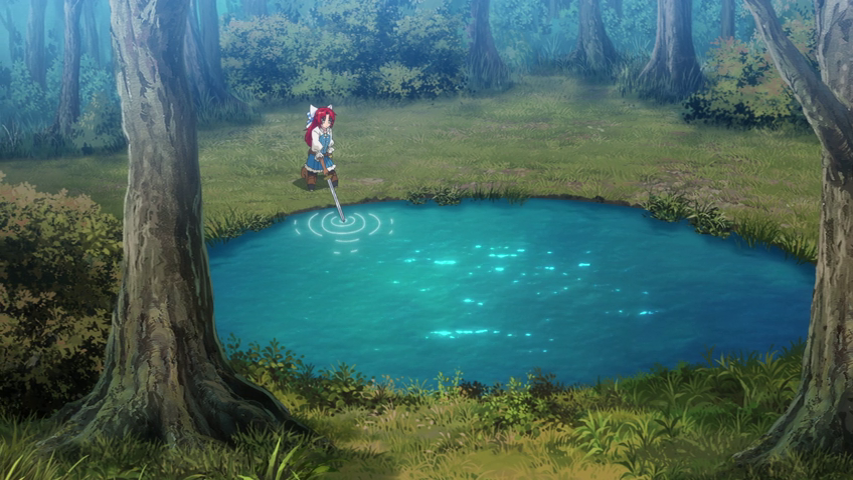
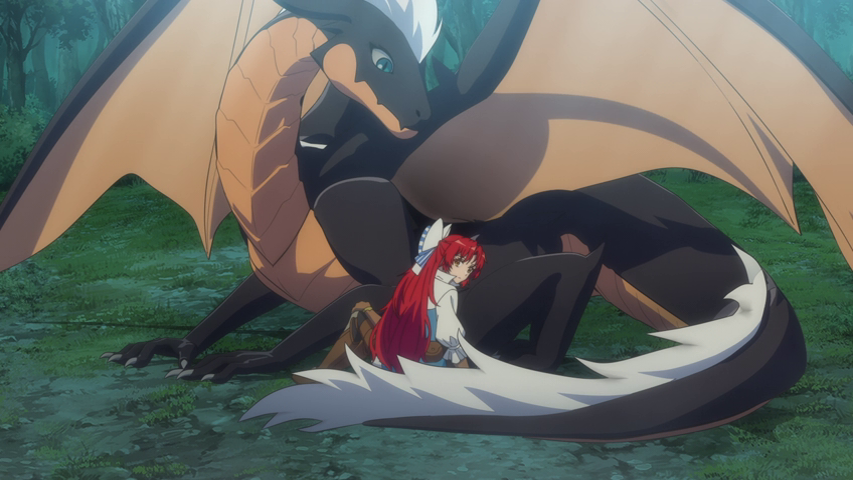
Mario: This is a perfectly solid episode, if you are willing to forgive the main character’s clumsiness. That clumsiness is not in the way she stumbles over her words or doesn’t know how to fight properly, but more about how she tends to say out loud what she thinks or feels, mostly in service of the plot. It’s her dragon that she makes a pact with that is a more compelling character to me. The way the dragon shakes her head when she hears about our main character’s terrible white lies is neat comedic timing there. The main plot is intriguing so far, with her finding out about her past life as a Saint – but at the same time it looks as if she wasn’t traumatized after being betrayed by her brothers at all. I will come back for more of this.
Potential:: 30%

Suikoden: The Anime

Short Synopsis: Two militant young men are framed, pursued, imprisoned, sentenced to death, and rescued, all by a huge cast of characters.

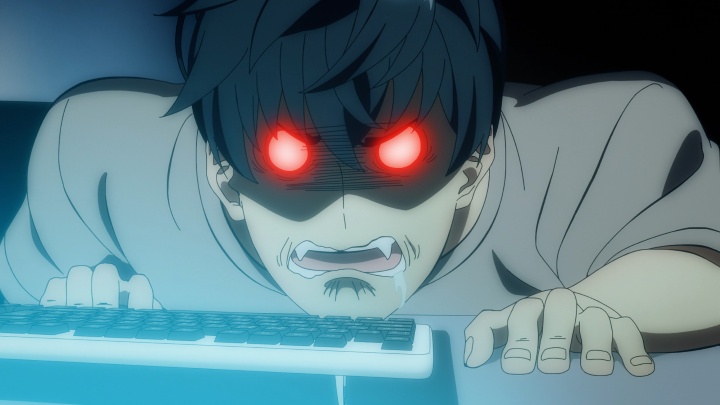
Wooper: I haven’t played any of the JRPGs in the Suikoden series, least of all Suikoden II, the franchise’s most acclaimed entry and the one selected as the basis of this adaptation. That lack of context wasn’t a barrier to understanding this first episode, though. If you want to follow along here, just pause every time a new character’s name is given, either through dialogue or on-screen text, then point at the screen and say, “That’s [character name].” After doing this around 25 times, it will become clear that you’re not actually expected to remember who anyone is. At that point, you can enjoy watching the two characters that actually matter (Riliu and Jowy) get captured and freed repeatedly until the double length premiere is over. Suikoden was inspired by Water Margin, a centuries-old Chinese novel with hundreds of characters, so it’s no surprise that the game nor this anime would unrelentingly throw new faces at the viewer, nor that so many of them would be walking cliches. As long as they accept that characterization is near the bottom of Suikoden’s to-do list, this adaptation may actually please fans of the game; the production suffers only a few dips in nearly an hour, and the protagonists are so consistently persecuted that it’s easy to wish for their freedom. I’ll leave it to them to judge the remainder of this show, as 50 minutes was more than enough for me.
Potential: 10.8%

Tank Chair

Short Synopsis: A braindead former assassin who can temporarily transform into a superhuman kills off bad guys.

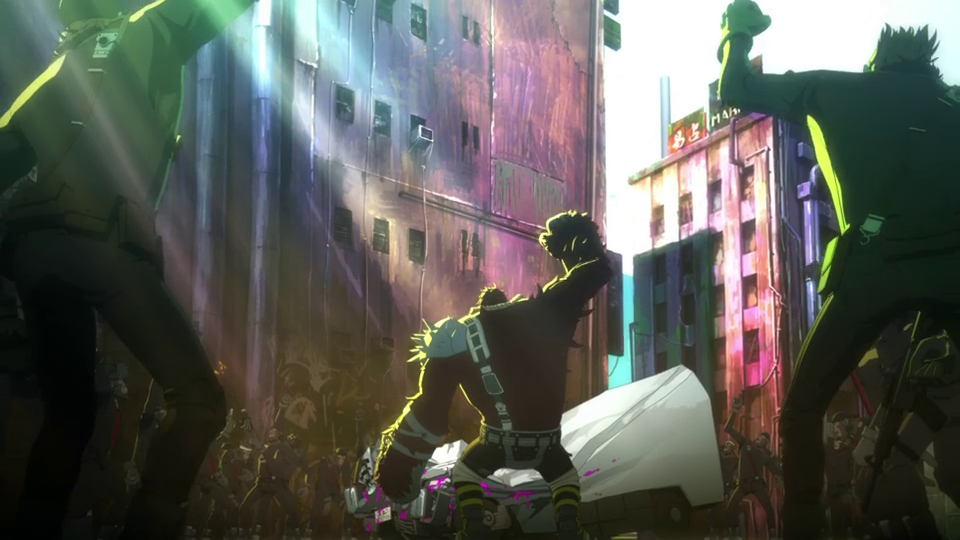
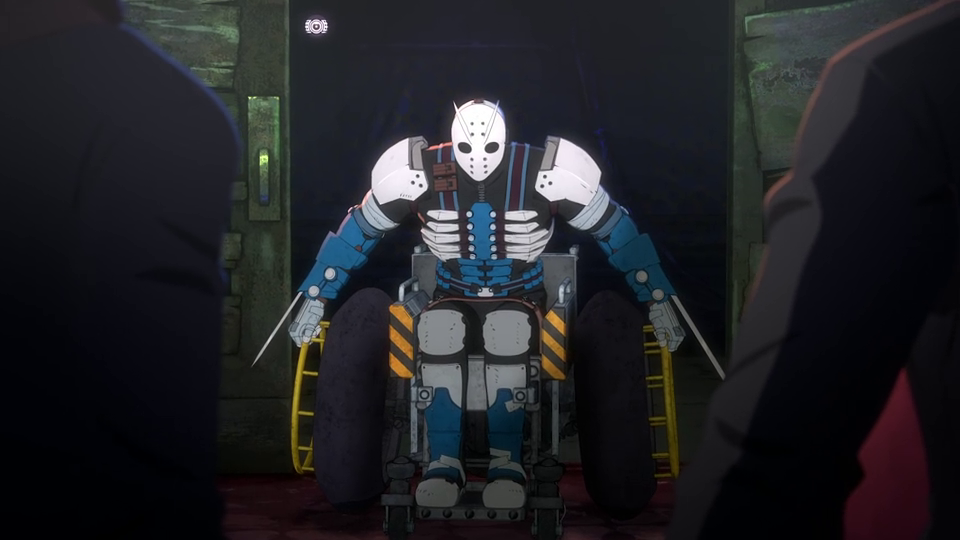
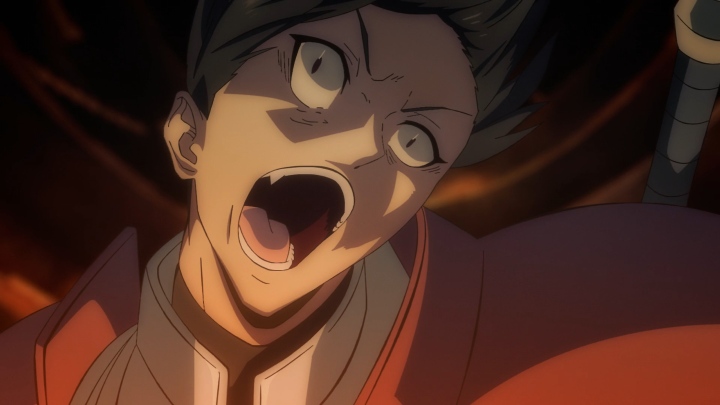
Mario: My lord, does this episode look terrible. It’s from Polygon Pictures, the studio behind CG 3D anime like Ajin (hit and miss visually), Drifting Dragons, and Kaina of the Great Snow Sea. I don’t mind the look of those last two, but Tank Chair is utterly uninspired. Even the pink blood can’t give it any personality. The half-human characters aren’t convincing either; they feel like Planet of the Apes clones added for no clear reason. The one thing that intrigues me in this hot mess is how Nagi’s brain damage is handled, and how it pushes his sister Shizuka to take on these jobs in the first place. But that isn’t enough to make me think twice about the show.
Potential: 0%

Fall 2026 Impressions: Zombie Sagashitemasu, Romelia Senki, Sgt. Frog

Zombie Sagashitemasu

Short Synopsis: A trio of zombie hunters becomes a quintet after bonding with two travelers in a home improvement store.

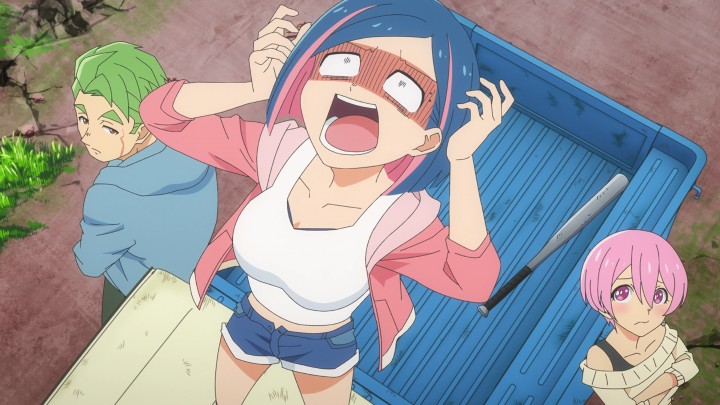
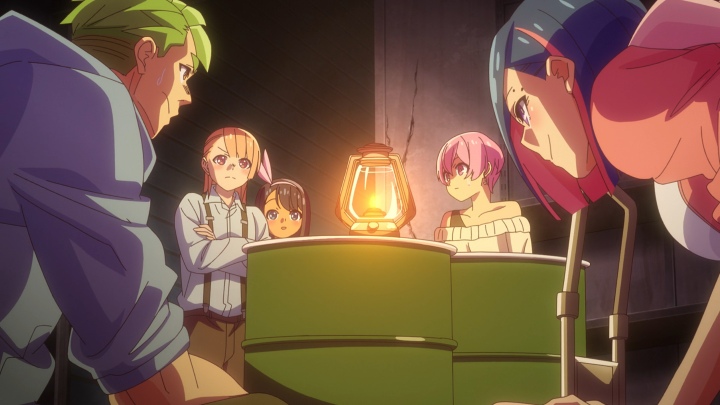
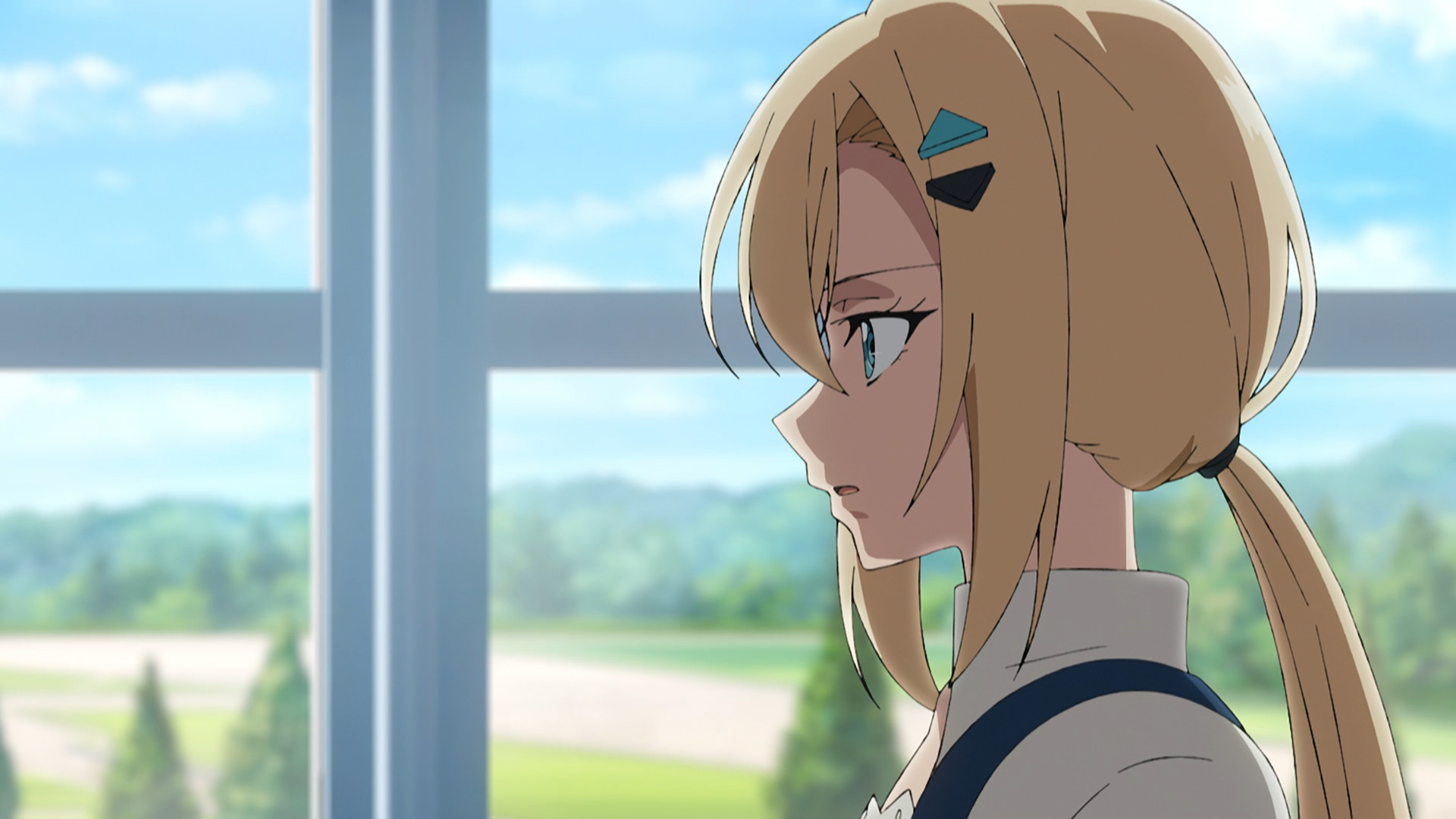
Wooper: Did I miss episode 0 or something? Zombie Sagashitemasu (“I’m Looking for Zombie”) opted to skip its setting’s descent into an undead apocalypse, which is totally fine, since everyone understands the basics of zombie fiction in 2026. What the show actually lacks is a backstory for its three protagonists. There’s only one flashback to a single conversation between Aki (the blue-and-pink haired heroine) and her father, and it’s not even set outdoors, so we don’t have an idea of what their village was like – only that they didn’t learn kanji there. Aki and her friends are already on the road when we meet them, searching for her dad’s zombified body (likely cueing up a “he’s still alive” twist for the future) and having a blast in the process. I’d be more admiring of that fun-loving tone if we knew the characters better, but the personalities of Aki’s two friends can be boiled down to just a couple keywords: “fashionable” for Natsuki and “brawny” for Haru. The two girls with whom they join forces are a little more fleshed out, with one in particular having felt non-essential in her own village due to a preference for books over physical conditioning. Still, it’s difficult not to feel as though something is missing from this premiere. The characters are enthusiastic about their quest to survive, but they’re not written in a way that makes their survival feel particularly important.
Potential: 20%

Romelia Senki

Short Synopsis: After her royal engagement is called off, a count’s shrewd daughter prepares to move to another country.

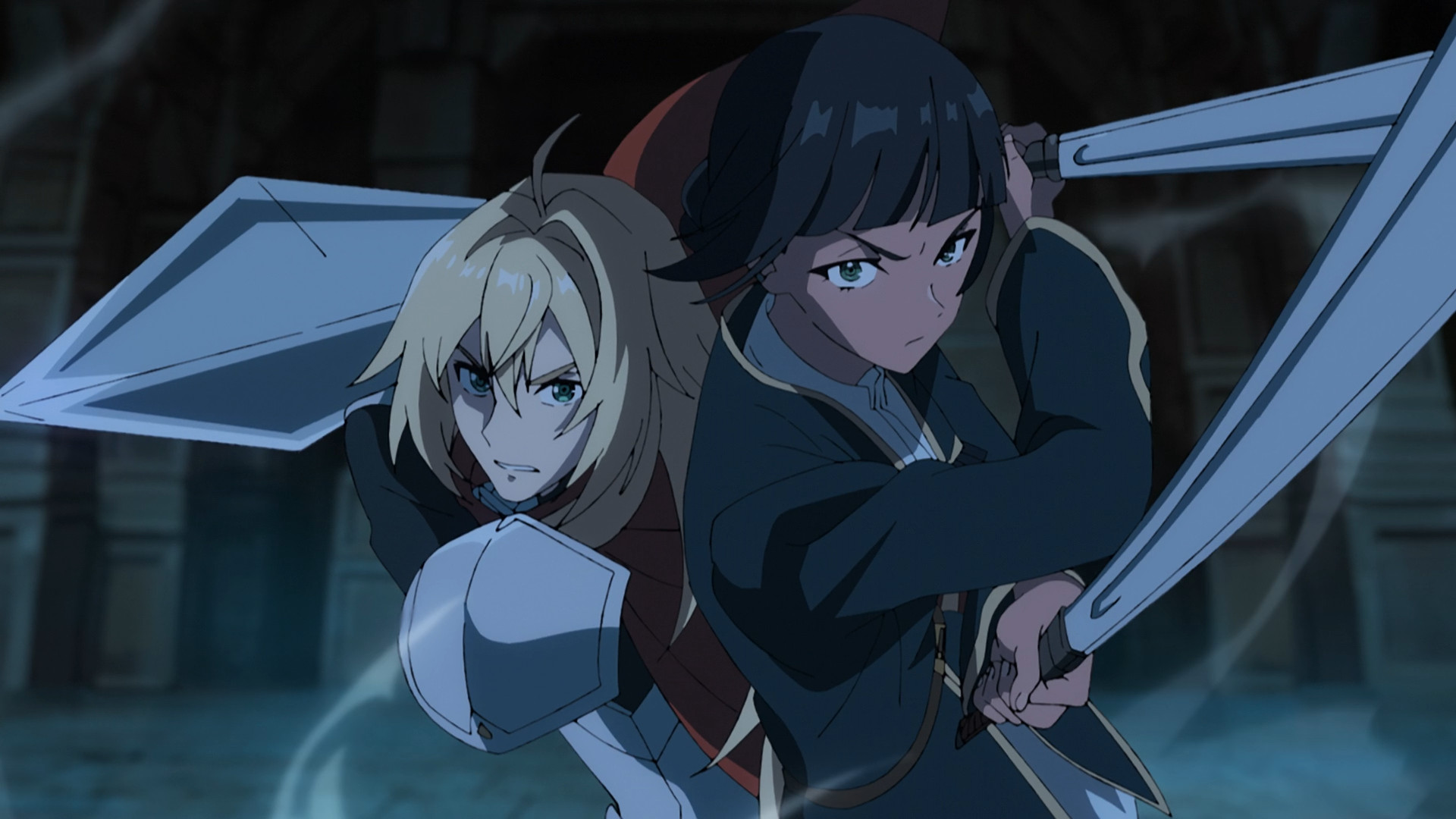
Wooper: Watching the first episode of Romelia War Chronicle is akin to watching a lengthy series of cutscenes in a video game. There’s an opening fight against the Demon King that looks far better than anything else in the premiere. Most subsequent scenes are engineered strictly for forward narrative momentum, and most characters deliver their dialogue dispassionately. Romelia, who plans to leave her home country in the wake of her broken engagement, returns home merely to tend to a few financial matters and say goodbye to her parents, and then she’s off again (with her childhood maid in tow). That wouldn’t give me any pause if the goodbyes were a little sentimental, but the only sign of emotion she allowed herself after bidding her hysterical mother adieu was a brief gaze out the window. The whole thing is pretty detached, but then she is a woman with a mission: eliminate the remaining demon forces using human slave labor. Since she no longer has the political leverage to achieve that goal in her homeland, she seeks to build it elsewhere, likely with the help of half a dozen bishounen if the OP is to be believed. Apart from solid visuals (a definite win for the newly formed studio Atra), I don’t believe Romelia Senki presented a strong reason to follow that mission, but even if the show is a cold fish, it’s a competent one as well.
Potential: 25%

Sgt. Frog

Short Synopsis: After Keroro is captured by a rogue military police unit, his friends must band together to prevent his discharge.

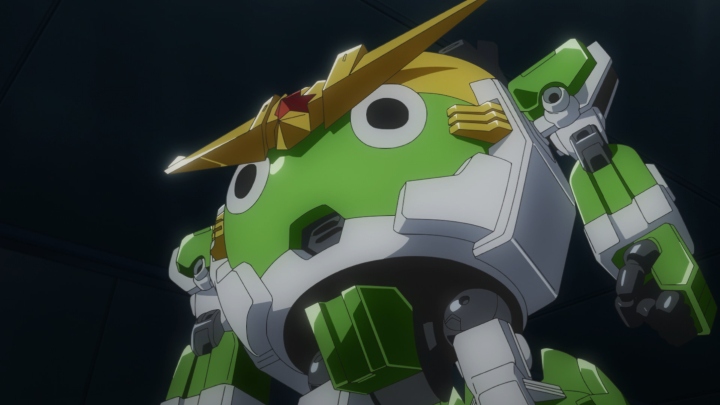
Wooper: It turns out that Sgt. Frog really is being rebooted – but not until this series’ second episode. The first one was an original story featuring a plethora of secondary characters, all of whom already knew each other, and some of whom I knew from my limited experience with the 2004 show. A convoluted setup involving a shrink ray and an automated military task force served as an excuse for all the new voice actors to get their cords wet, and I found that most of the Keronian performances were faithful to those of the original actors. The Hinata siblings sounded off to me, though, particularly Fuyuki’s slightly deeper (but still boyish) and more action-ready delivery. Maybe Yuuki Sakakihara only played him that way because of the Gundam-esque nature of this standalone story, where Fuyuki was forced to pilot an unfamiliar robot in order to save the day. I guess fans will be able to compare for themselves as the remake goes on, but I’ll be sitting it out – the visuals here only made me miss those from the first anime, which had both looser animation and more background detail, despite premiering in the early digital era. This new episode’s use of slapped-on color filters for different characters’ fight scenes was particularly unattractive, but hey, maybe this isn’t the sort of show that ought to be nitpicked.
Potential: Tune in next week

Fall 2026 Impressions: Overgeared, FX Senshi Kurumi-chan, Pan Dorobou

Overgeared

Short Synopsis: An MMO addict’s bad luck begins to turn when he stumbles upon a super rare item.

Wooper: The very first line of the fall season’s first premiere is, “Humans are constantly working hard and improving.” That’s an attractive idea, but in the world of Overgeared (Tempal: Item no Chikara), it’s merely a lie. Forget the main character’s video game addiction and dead end job; even the average person in this show is an MMO lifer (its most popular game, “Satisfy,” has two billion players), and the zillionaires who run the world are so vehemently anti-work that they’ve found a way to make MMO bucks just as valuable as first world currencies. These kinds of stories have been around for an entire generation at this point, and Overgeared brings nothing new to the table, unless you consider the concept of falling below level 0 to be earth-shattering stuff. And some people certainly do – there’s a three minute scene of R&D suits discussing the protagonist’s de-leveling, written in such a way that even people “watching” the show on their third monitor will absorb the roadmap for his eventual ascension. Ultimately, that’s what these “what if video games = real???” shows are: third rate entertainment for third rate anime fans. I know I sound like a gatekeeping prick, but that’s the sort of reaction that trash like Overgeared is uniquely capable of getting from me.
Potential: -3%

FX Senshi Kurumi-chan

Short Synopsis: A math-savvy college student adopts her mom’s self-destructive forex trading habit.

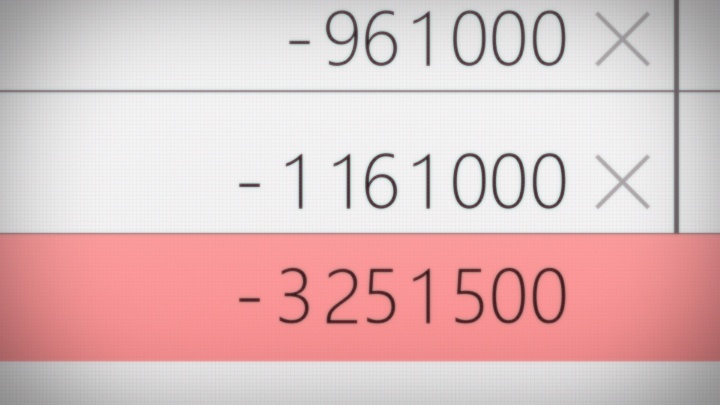
Wooper: I know absolutely nothing about the foreign exchange market, and having just seen the first episode of FX Senshi Kurumi-chan, I’m happy to remain uninformed. Making bets on currency exchange rates sounds addictive, and I’d rather my life not reach the level of ruin portrayed in this premiere. Of course, it’s a little weird that the vehicles for such despair will be fancifully designed anime girls, several of whom can be glimpsed during the closing montage – for now, though, what we have is a prologue about the breakup of a family over forex trading debt, and it’s quite an effective one. After an opening PSA about the real life hazards of the show’s subject matter, the show gets to work shaping its protagonist’s past, introducing her as a cheerful middle school girl before slowly stripping away everything she has to be happy about. The guilt that Kurumi feels about her mom’s poor choices hits hard, and her own decision to follow her into the FX market is tragic in its predictability. This episode’s exaggerated voice acting and blunt (but mercifully brief) flashbacks distract, but don’t detract, from the sadness of its story, which is about all I could ask for. Now that it’s caught up to the present, will it take a black comedy angle or morph into a Kaiji-esque gambling thriller? I’m not sure, but I’ll gladly (not too gladly) watch for a couple more weeks to find out.
Potential: 60%

Pan Dorobou

Short Synopsis: A rodent disguised as a loaf of bread liberates one of his fellow loaves from a local bakery.

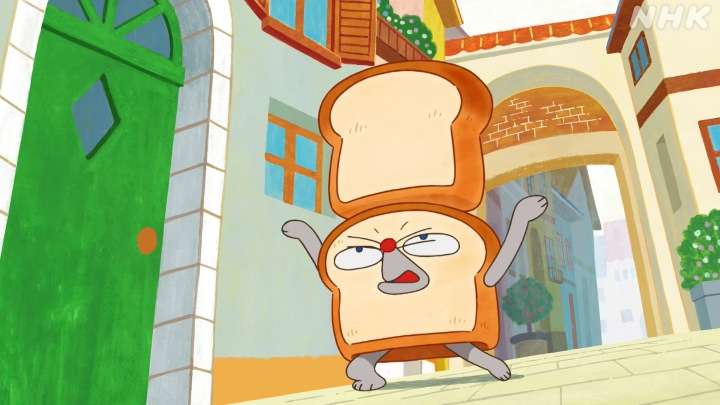
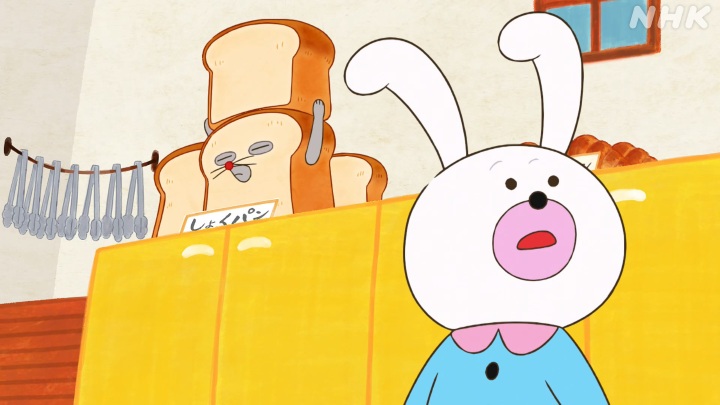
Wooper: Like all the best thieves, Pan Dorobou has a code. He aims for freshly-baked bread, steals only one loaf at a time, and eats with gratitude; in other words, he’s tasteful, mindful, and grateful. He’s also the star of a popular Japanese children’s book series, which has now been adapted into an anime with nine minute episodes (six minutes if you don’t count the OP, ED, and episode-ending maze segment). The show has a pleasant picture book style to it, which is especially helpful in giving texture to the different kinds of bread that are so often on screen. Pan Dorobou’s mousey snout and malleable limbs are well-animated, giving him a lot of visual appeal, but not as much as his house in the forest, which is filled with furniture made from bread. If he only steals a loaf at a time, he must have gone hungry for several days to furnish that room! Not that I’d hold it against him – nor would any of the bemused human or animal residents of the neighboring city where he does his pilfering. Pan Dorobou, both the character and the show, are simply too cute to criticize, though I do wonder whether the bakers whose wares he absconds with will be made into villains in the future. Guess I’ll have to keep watching to find out!
Potential: Delicious/10

Summer 2026 Impressions: Kimi wa Shinu made Koi wo Shitai, Saga of Tanya the Evil S2, Mebius Dust

Kimi ga Shinu made Koi wo Shitai

Short Synopsis: A shy girl becomes roommates with a rumored assassin at an orphanage for magical child soldiers.

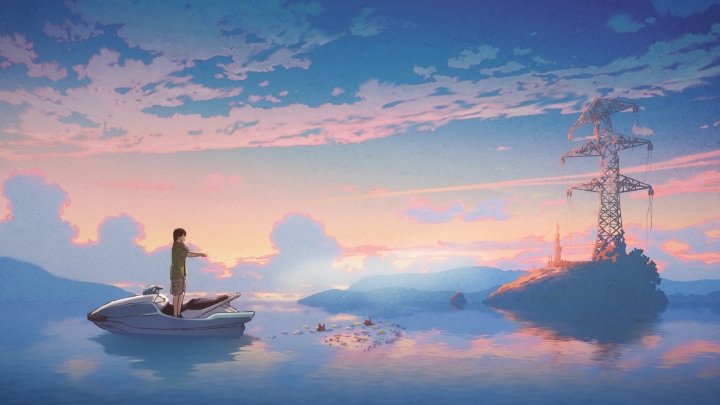
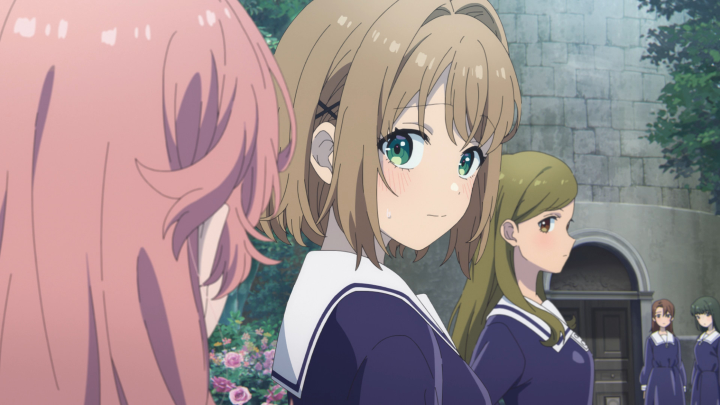
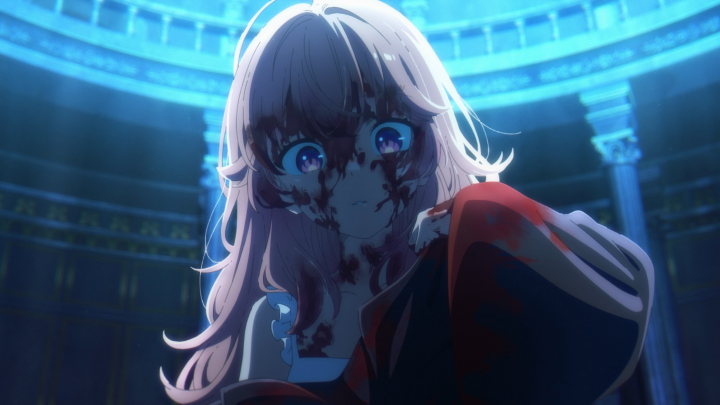
Wooper: KimiShinu (“I Want to Love You Till Your Dying Day”) provides few details about its decidedly odd setting: an orphanage where children are raised as soldiers in a magical war against an enemy country. As far as the magic goes, we see wands being conjured and desks and chairs floating in midair, but not much else, and as for the military aspect, that’s how the episode opens, but the broader battlefield situation is obscured by a thick forest canopy. This premiere is more dialed in on protagonist Sheena’s feeling of loss after her roommate is killed in combat, and her fascination with new roomie Mimi, who’s soaked in blood during their dramatically lit first encounter. The issue I experienced here was that the former emotion is crowded out as soon as Mimi appears on screen. She’s cute as a button, and the show practically screams, “BE INTRIGUED!” when such a floofy-haired, high-voiced child is paired with such violent imagery, whereas everything that comes before her introduction is delivered in a normal speaking voice. Even a trip to the school’s chapel, which provides Sheena with an opportunity to place her old roommate’s stuffed animal in her casket, seems to prioritize Mimi’s bewilderment at the ritual. Also, the “kissing as magical first aid” trope is some cowardly shit – if you want to show girls locking lips, why not draw it with your whole chest?
Potential: 25%

Saga of Tanya the Evil S2

Short Synopsis: Tanya Degurechaff finds herself on the front lines once more, determined to win at all costs.

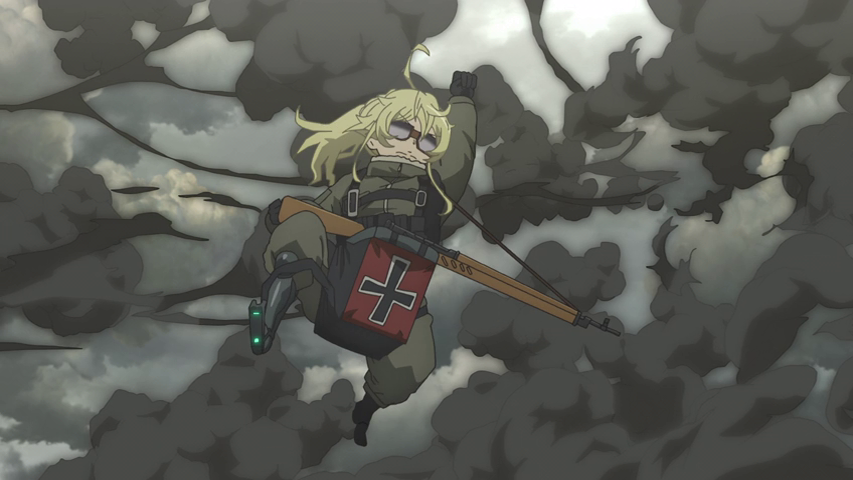
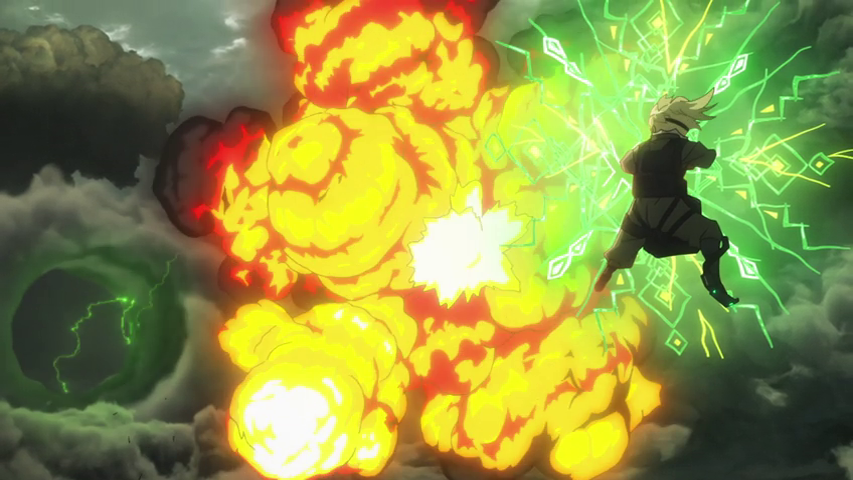
Mario: It sure has been a while. I remember the first season aired almost a decade ago, with a follow up movie and then radio silence until now. We get right to the thick of it in this second season, as Tanya finds herself completely isolated. She is assigned by her scheming leaders to carry out a critical mission, even though she knows she is on the losing side. Her team is incompetent, and the enemy doesn’t fare much better either. What this episode does best, for me, is to keep the tone just right. It fuses the big bombastic battle, the nihilism of Tanya and the ridiculous situation she is in, all in one big swoop. It can be funny at times, gruesome at the next, and in the centre of it all, Tanya is an antihero we just can’t take our eyes off of. So far, what makes her fearsome is that she’s super overpowered, but what makes her vulnerable is that she is alone against everyone else, especially Being X. The show’s animation looks great too, so it’s a blast to see the evil Tanya back in action.
Potential: 50%

Mebius Dust

Short Synopsis: Teams of Capture the Flag players collaborate with a scientist to enhance their meteorite-activated superpowers.

Wooper: It looks like Mebius Dust has taken the form I feared it might: teenagers with various superhuman abilities (who happen to be confined to a single city) playing territory games, rather than teenagers (who happen to enjoy playing territory games) coming to terms with their confinement. This episode is bookended by two such games as a way of introducing the characters and their powers, so there’s no confusion about who’s who and what they can do, but it hardly feels as though we know them as individuals by the time the credits roll. Neither am I curious about the soft-spoken main character Araki, even if he’s the only character who seems interested in life outside the characters’ open-air prison – there’s not enough contrast between him and everyone else to make him feel noteworthy. Some of the players’ superpowers are weird enough to raise an eyebrow at, especially the idol who can conjure glow sticks in his opponents’ hands that put them under his spell, so that’s something. In the end, though, there’s no sense that this meteorite-impacted version of Japan is much different than the present day, and the characters are all too content to spend each day waiting for nightfall so they can play Capture the Flag. No one and nothing about Mebius Dust feels authentic, at least after a single episode.
Potential: 5%

Summer 2026 Impressions: The Ghost in the Shell, Victoria of Many Faces, Flaming Dodgeball Girl Danko

The Ghost in the Shell

Short Synopsis: In the year 2029, a newly formed cybercrime task force investigates an orphanage accused of brainwashing.

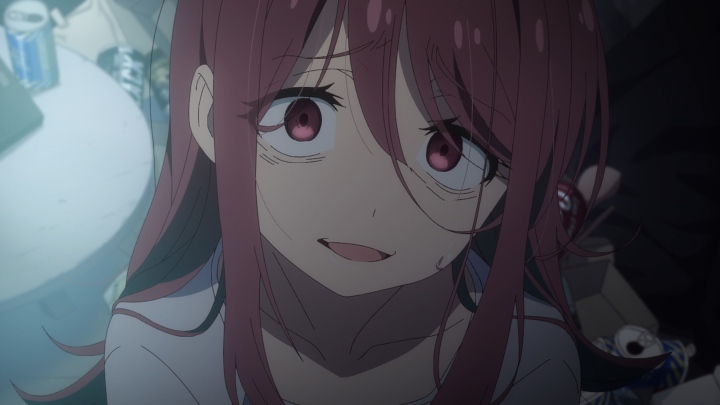
Wooper: “Maximal” is the word I’d use to describe The Ghost in the Shell, the latest incarnation of Japan’s preeminent cyberpunk series. Its reenactment of the 1995 film’s opening scene is backed by a raucous string-infused jazz piece, its brain dive scenes are minor assaults on the senses, and its character animation is more exaggerated than ever. Faster action, more color, less exposition – it’s a new frontier for GitS, and while I don’t love everything about it, the bold approach certainly makes it more interesting than the franchise’s last couple outings. One thing I can unreservedly praise is the limited use of on-screen text to define in-universe terminology, which permits this episode to move at its rapid clip. The Major is more rebellious than professional this time around, which fits the faster pace, and the show frequently looks gorgeous. The cherry blossom viewing scene just after the OP is a highlight, of course, but the episode also impressed me during forested combat and even in meeting rooms tinged with red or blue light. On that note, I think I’ll be switching to the dub going forward, since the show’s speed and information density would give me less time to appreciate its good looks were I to split my eyes between subtitles and visuals. Guess I’ll learn whether the new cast can hold a candle to Mary Elizabeth McGlynn and company in a week’s time!
Potential: 70%

Victoria of Many Faces

Short Synopsis: A former spy defects and builds her new life in a neighboring country under the alias “Victoria,” then decides on taking care of a child.

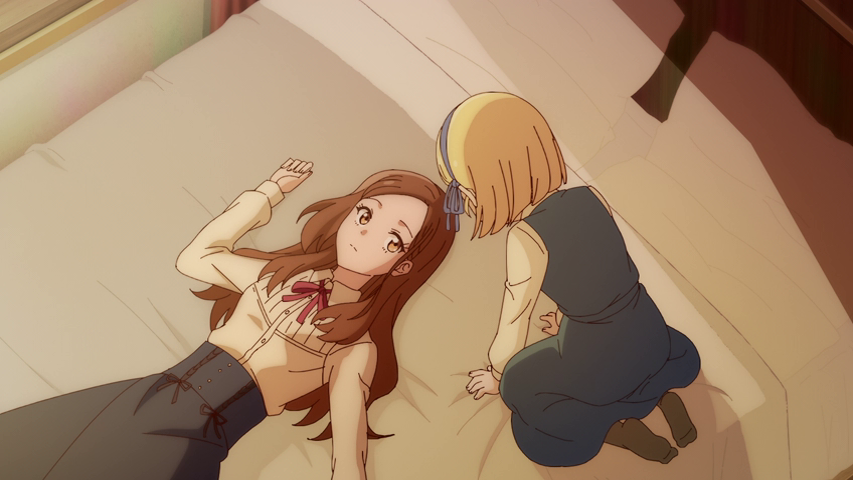
Mario: We are reaching the tail end of this first impressions period, and I have to say I was pleasantly surprised by Victoria of Many Faces. Even though Victoria was once a spy, there’s hardly any cool action to show off her skills, and that’s for the better. It takes a slow approach to her life in a new country, where she meticulously plans ahead so that she can stay under the radar, although life pulls her another way when she sees an abandoned child Nonna. So far, I enjoy the pacing – it takes just enough time for her to get familiar with her new surroundings and build trust with her neighbors. In addition, even though there’s a lot of narration that voices what Victoria is thinking, it’s her actions (sometimes contradicting what she thinks) that let us sense her true self beneath the surface. That said, so far I am not a fan of the visual presentation. Whenever it showcases her darker past, the show goes down a few tones in terms of brightness as well. It makes the flashbacks feel like Gothic-inspired moments, which I don’t think is what the show is aiming for. What remains strong here is Victoria herself as she opens up more and attempts to leave her past behind, while at the same time it tries to catch up with her. So far, the narrative and the main character are strong enough for me to continue on this journey.
Potential: 40%

Flaming Dodgeball Girl Danko

Short Synopsis: The impossibly enthusiastic daughter of a legendary athlete recruits teammates for her school’s dodgeball club.

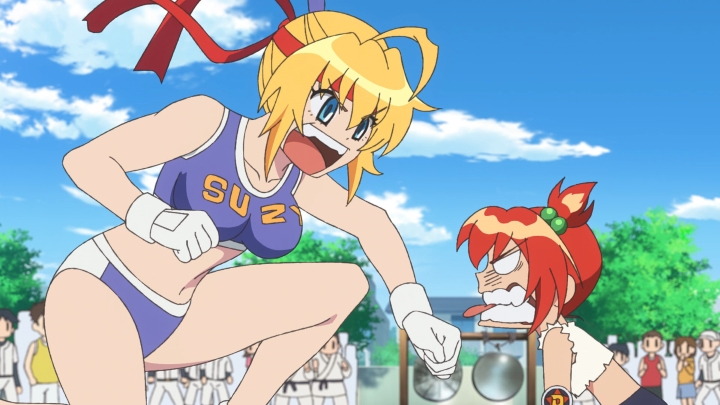
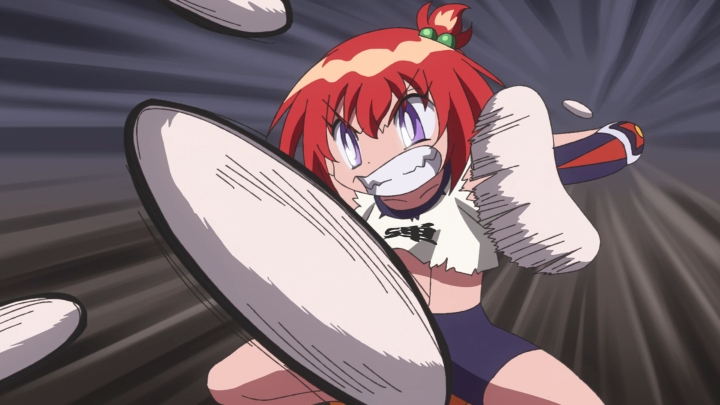
Wooper: Upon learning that this show was the sequel to a decades-old sports anime, I decided not to include it in our season preview, even though the intensity of its PV made me smile. Modern spins on older properties haven’t performed too well this year: Samurai Troopers didn’t hook me, Fist of the North Star was insulting, and High School Kimengumi may go down as the year’s biggest WTF premiere. With Flaming Dodgeball Girl Danko, however, we finally hit paydirt – or rather, I did. This series will appeal to very few people reading this paragraph, and not just because it’s a sequel to an anime they’ve (and I’ve) never seen. It’s extremely old school, with lip flaps and speed lines everywhere, a blaring electric guitar soundtrack, and a ridiculous premise where dodgeball is the most awesome thing in the world. The shounen trope of winning through sheer willpower is central to its story’s operation, and there’s a low level of fanservice that will likely ramp up as time goes on, if the characters in the OP are anything to go by. Still, I found myself laughing along at the level of parody on display here. I don’t know how earnest the original Honoo no Youkyuujo series was, but this new one is geared primarily for humor, using its protagonist’s inability to hold back as a comedic weapon in her quest to recruit new players. Even the fanservice contributes to a particular character’s athletic superpower in a silly, non-exploitative way. I can’t recommend Dodgeball Girl Danko to a broad audience, but I also can’t deny how much I enjoyed watching it.
Potential: Just for me