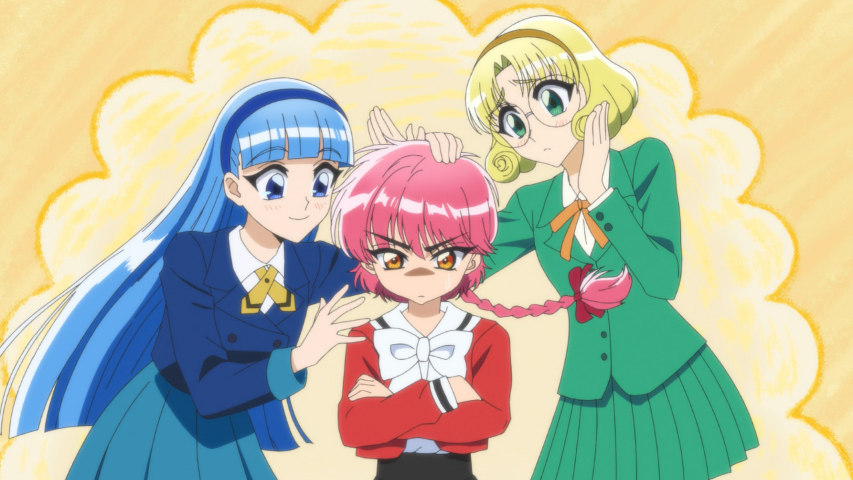
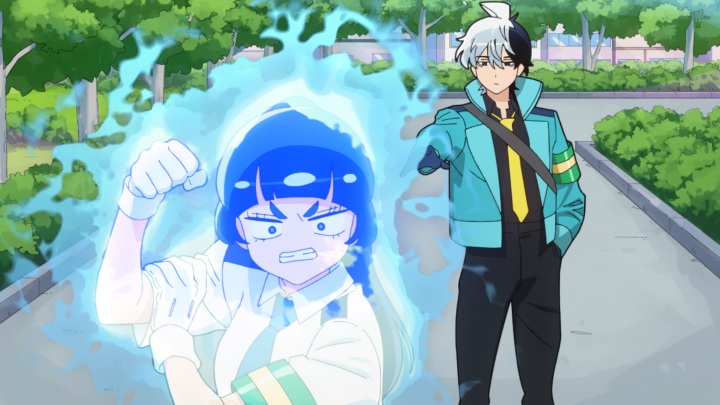
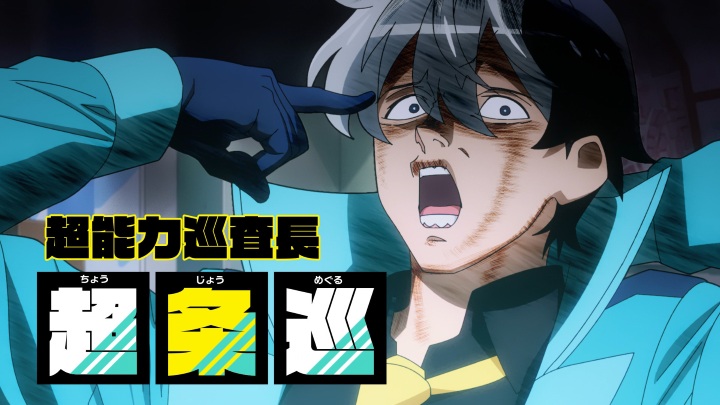
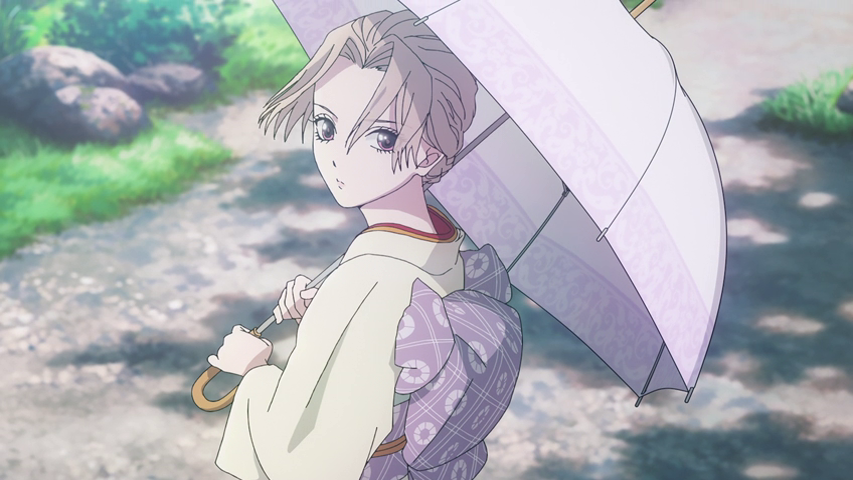
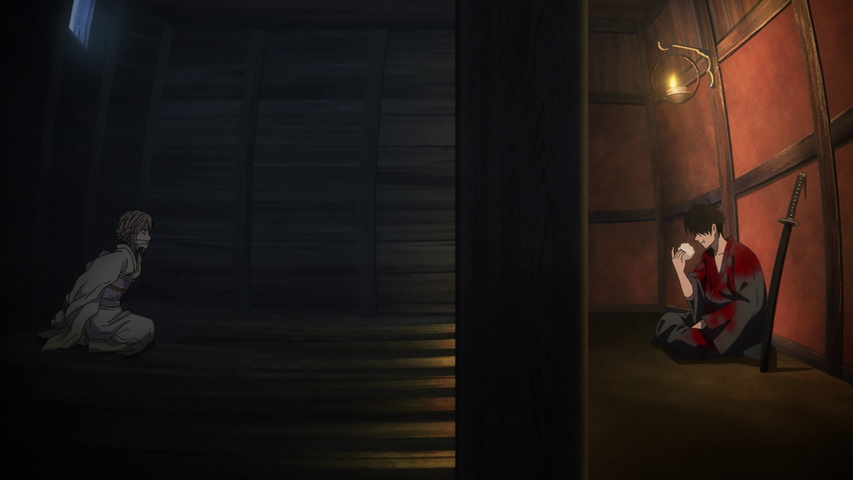
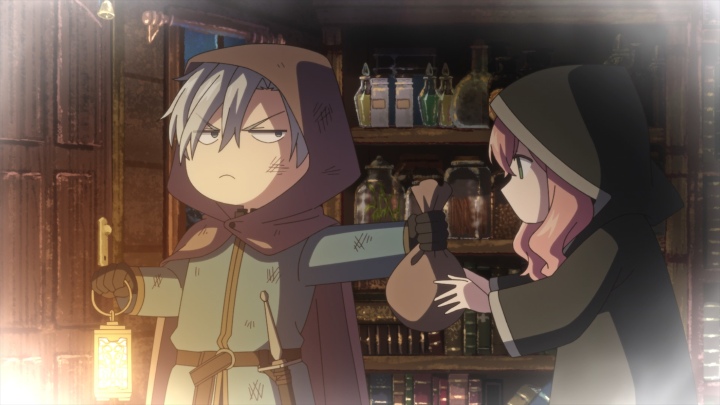
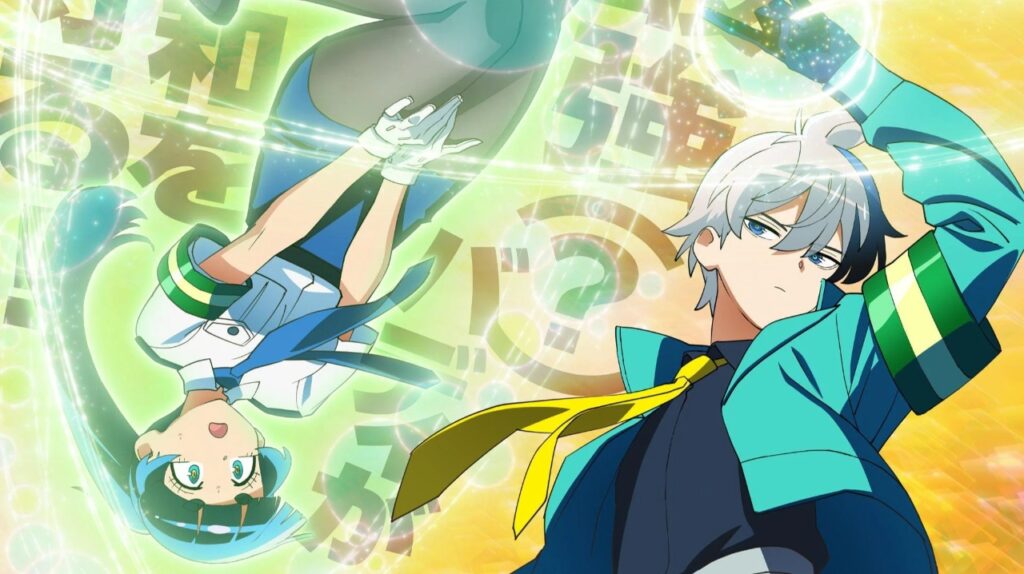
Spring 2026 First Episode Awards

Wooper: I’m already several episodes behind on the best shows of the season, but I saw enough promising premieres over the last three weeks to feel good about spring as a whole. It may even go down as the best portion of the year in anime, though summer may have something to say about that. Lenlo and Mario may not feel the same, as they cast their votes for our quarterly awards with minimal enthusiasm, but we’ve each got at least three series we’re really feeling this spring, and at our age, that’s still a win. Hit the jump to see how our picks shook out, and I’ll see you in about ten days when our seasonal check-in posts recommence!

Continue reading “Spring 2026 First Episode Awards”

Spring 2026 Impressions: I Want to End This Love Game, Dandelion, Candy Caries

I Want to End This Love Game

Short Synopsis: A pair of high school friends repeatedly confess their love for each other ironically, both hoping the other will admit their real feelings first.

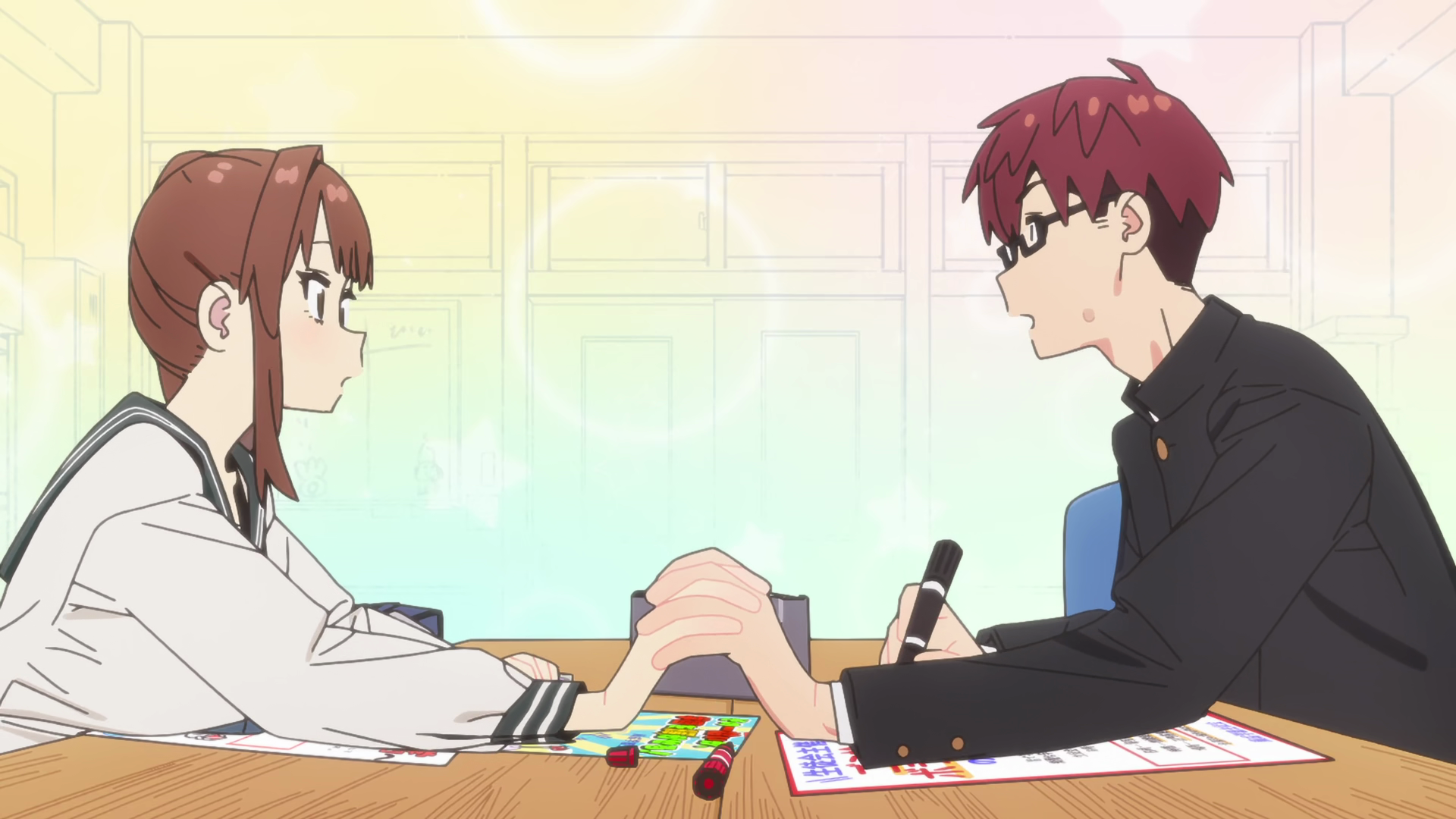
Wooper: Debates about the meaning of the word “anime” pop up from time to time, but many people understand it to mean “animation from Japan,” and in that sense I Want to End This Love Game (Aishiteru Game wo Owarasetai) is just as much an anime as Nippon Sangoku or Witch Hat Atelier. If you take a less technical view of things, though, it’s hard to believe it can be labeled with the same term as those shows, as its appearance and aims are completely different. Love Game opens with a 40 second flyover of its suburban setting for a bit of upfront padding, cuts to a flashback in the main character’s undecorated home to establish its premise (“Kaguya-sama: Love is War without the jokes”), and proceeds to the present without giving the audience a reason to come along. Its teenage leads are clearly in love with each other despite their “joking” confessions, which they’ve apparently been making for four years, and not only have they not tired of their obvious charade, but it’s still entertaining to the employees at their favorite restaurant, too. Our protagonists are the only customers, of course. There’s no need to pay the animators to populate a public space when the show’s one and only goal is to present cute 2D characters struggling with their feelings! I ducked out of this premiere not long after its embarrassing string of opening scenes, so I can’t comment on what low-effort horrors lurked in its second half, but I hope they’re not an omen of the new normal for anime romcoms.
Potential: 0%

Dandelion

Short Synopsis: The Japan Angel Federation is tasked with helping souls pass on to the afterlife.

Mario: I didn’t look into Dandelion’s details prior to watching it, but it isn’t hard to figure out that the show shares the same DNA as Gintama. They have the same character designs for one, but more noticeably, Dandelion has the exact same humor as Gintama. Unfortunately, I never really cared for Gintama’s brand of “scream until it’s funny” humor, and it goes basically the same with this show. The episode does offer some “heart,” though, with the old man finally passing on after he gives his last goodbye to his wife. At 30 minutes it goes a little bit longer than usual, and the extra bit is more about workplace drama that introduces the main conflict of this ONA (raise your quota or get sacked). At just 7 episodes, it could prove to be a quick watch if you are into Gintama. Personally though, this episode is still not enough to convert me.
Potential: 10%

Candy Caries

Short Synopsis: A personified cavity living inside a young girl’s mouth saves her from a cruel dentist.

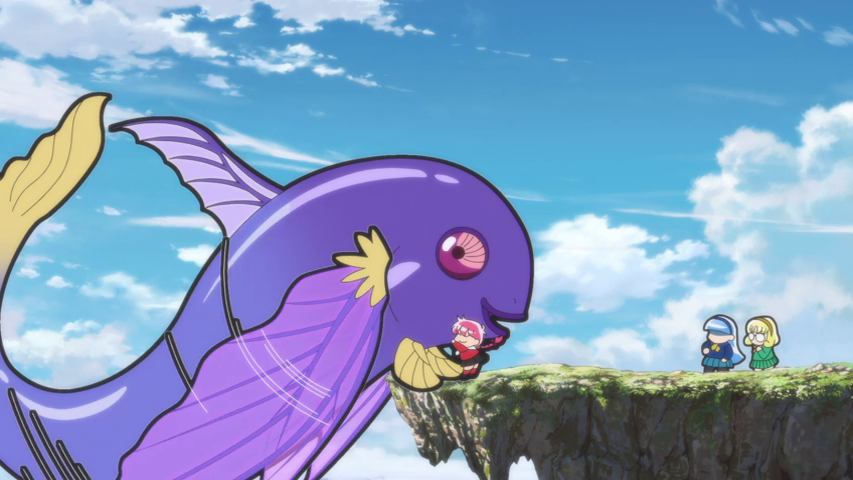
Wooper: Being a Tomoki Misato production (Pui Pui Molcar, My Melody & Kuromi), I was always going to watch Candy Caries from start to finish, but now that I’ve seen the start, I can honestly look forward to each subsequent episode. This three minute kickoff wasn’t just fun, it was really funny, with exaggerated animation that gave me Cartoon Network vibes. Examples include main character Ame’s cheeks swallowing the rest of her face to avoid a dentist’s drill, or a later shot of the same dentist busting through a wall in fear of Caries, the cavity who lives in Ame’s mouth. Classic gags like the doors within doors that led to Caries’ room or the lazy-tonged boxing glove that sprang from Ame’s throat reinforced that sense of humor, giving me something to smile about every few seconds. The gelatinous plastic used for its stop motion style looked great too – just an all-around big win for short anime this season.
Potential: Sweet!

Spring 2026 Impressions: Kamiina Botan, Drops of God, Fist of the North Star (2026)

Kamiina Botan,
Yoeru Sugata wa Yuri no Hana

Short Synopsis: A college freshman flirts with her dormmates and tries various alcoholic drinks for the first time.

Wooper: Kamiina Botan had a good first episode, displaying its solid character acting and animation at every opportunity, but it felt lightweight to me (and I’m not talking about the protagonist’s tolerance for alcohol). The banter between its all-female cast didn’t lead anywhere concrete, the girls’ studies were discussed but not given much weight, and their relationships seemed destined to be confined to their picturesque dormitory. None of that is new for slice of life anime, but the teasing tone of their conversations and the way they unfailingly circled back to drinking made the premiere seem slight somehow. I’m sure my being a non-drinker contributed to that sensation, so putting my bias aside for a moment, this really was a successful first outing. The depiction of Hitsujiyama Park in the opening minutes was quite fetching, the show’s sense of fashion is understated yet attractive, and the while the dialogue wasn’t exactly natural, its lightness made it easy to watch. Also, the eyecatches were superb – it likely wouldn’t be feasible to illustrate an entire TV series with that more detailed approach, but if one ever came along that did, I’d watch the whole thing for the visuals alone. Kamiina Botan’s existing style is perfectly adequate, though, and it’s a bit more grown up than most SoL series. I don’t think I’ll be picking it up, but even if you prefer your anime with a bit more plot, you might like it better than I did.
Potential: 45%

Drops of God

Short Synopsis: The son of a late renowned wine entrepreneur tastes the wines that his father left behind.

Mario: Kami no Shizuku’s main appeal is easy to see: it’s a love letter to wine, wine-tasting and basically everything wine. The premise the show is aiming for is interesting as well: protagonist Kanzaki and his rival have to find the legendary “Twelve Apostles” wines, and ultimately the “Drops of God” wine. It nails many key moments – the 360 degree panning when he pours the wine, for example. What the show doesn’t do well, though, is trying to cram too many plots into this episode. At the moment, Kanzaki is facing multiple different conflicts such as: 1) find out the name of the wine he just tastes so that he can stay in his father’s house, 2) find the replacement to the wine his love interest accidentally drops, and 3) the bigger plot about the Twelve Apostles and the Drops of God. In addition, the 3D liquid animation is far from seamless and even distracting at times. But overall, despite not being the best premiere, I can say that this one is a keeper.
Potential: 40%

Fist of the North Star (2026)

Short Synopsis: A musclebound martial artist saves a civilian settlement from an assault by a biker gang in postapocalyptic Japan.

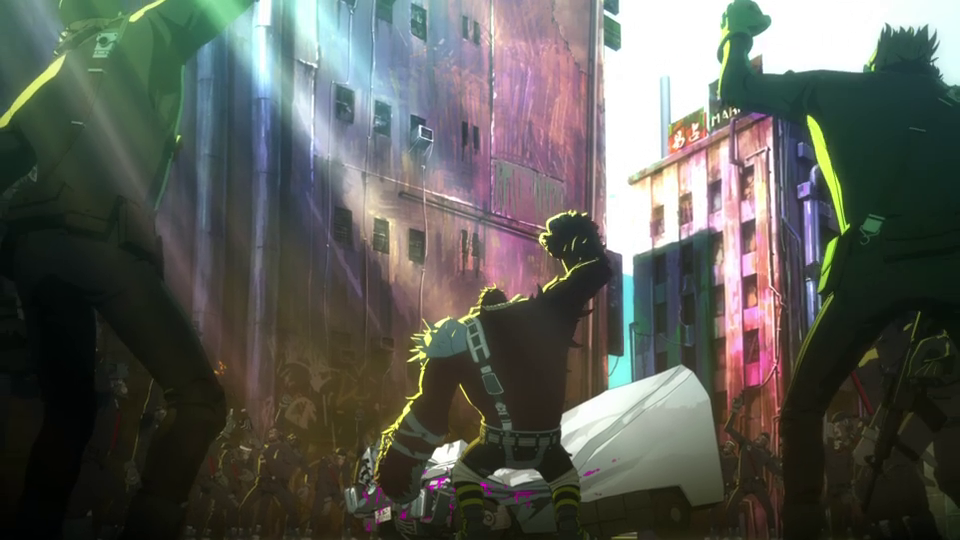
Wooper: I’ve seen the first few episodes of the 1984 Hokuto no Ken anime, and this episode followed the same beats as the original premiere, so it looks like the franchise is getting a full reboot. You know what else it looks like? Shit, that’s what. TMS Entertainment really gave Fist of the North Star the Berserk (2016) treatment, using CG animation primarily to keep everything on model rather than create complex movements via character rigging. The opening flashforward to Kenshiro and Shin’s showdown lasted 30 seconds, only half of which was spent on mediocre-looking combat. Beyond that, we got a few repetitive kicks and punches as Kenshiro took out Zeed’s biker gang, some of which were abbreviated with black lines cutting through the frame rather than showing people making bodily contact with one another. Even for a story set in a nuclear wasteland, the color design was dire, with a temporary shift to a grayscale fight scene being the only reprieve from its aggressive ugliness. Bat’s hairstyle was manga-accurate to the point of stupidity, many of the non-closeup shots felt empty due to the prioritization of background elements, and the characters’ inflexible facial expressions proved that Japan’s 3D animation wing being stuck in the 2000s isn’t just a meme, at least for this team. I’m not a Hokuto no Ken enthusiast, so my opinion doesn’t count for much here, but I expect this reimagining will appeal mostly to existing fans desperate for more “content.”
Potential: Already dead

Spring 2026 Impressions: The Barbarian’s Bride, Liar Game, Kill Blue

The Barbarian’s Bride

Short Synopsis: After suffering defeat on the battlefield, a warrior princess is captured and proposed to by an enemy general.

Wooper: Every new series I’ve seen so far this spring has been watchable at worst (or else so bizarre that your curiosity keeps you going, as in the case of Needy Girl Overdose). Himekishi wa Barbaroi no Yome broke that streak easily, with one of the worst initial showings of an enemies-to-lovers story I’ve seen in years. Based on the level of tact in the final product, the author might as well have used a jackhammer rather than a pen when crafting this script. An imprisoned female knight comedically writhing on the floor while imagining being a sex slave, a ballroom full of nobles laughing at their appreciating wartime investments, multiple lines about women being more suited for aesthetic objectivity than military service – these are the blunt force concepts that The Barbarian’s Bride traffics in.

Visually it’s no better, with character designs that look like someone’s first attempt at “anime style” illustration, a flashback battle scene whose traditionally animated contributions hardly interact with its legions of CG models, and background design that hovers around mediocrity and occasionally descends to outright apathy. The cliffhanger involves the female lead waking up in bed with her hulking male captor, horrified at the sight of his massive penis, which is exposed when he shifts in his sleep – though I suppose it could have been anything beneath that glowing bit of cylindrical censorship. Guess I’ll have to tune in next week to see whether the enemy general truly has a foot-long schlong!
Potential: 100% trash

Liar Game

Short Synopsis: A naive college student teams up with a brilliant con man to seek victory in a twisted finance-themed survival game.

Lenlo: So far Liar Game feels like just another gambling/deception anime that’s going to try and get by on the convoluted nature of its games. There’s some promise in the relationship between Akiyama and Nao, a hardened con-man becoming a better person while a stupidly honest young woman is pulled into darkness is a nice dynamic. But I can’t say I was all that engaged by the first episode. Visually it’s dull, with almost no animation and lackluster designs. It couldn’t even give me any interesting camera angles or visual metaphors like Kaiji used to do. All in all, I don’t think I’m going to bother coming back.
Potential: 25%

Kill Blue

Short Synopsis: A veteran hitman turns back into the body of a teenage boy and attends middle school as his next job.

Mario: I actually enjoyed the first third of Kill Blue way more than when the age-rewinding catalyst kicked in. It has a no-nonsense hitman who kicks ass and is pleased with his way of life… until he’s not. Later, when he regresses into a 14-year-old, the show shifts into a lighter tone that is at odds with the earlier sequences. Juzo, our protagonist, finds himself in a typical fish out of a water story, but he gets used to this new life a bit too quickly (he found studying to be fun, for example, despite being an assassin), and at the end of this episode, his classmates begin to warm up to him too. The show has some dynamic action scenes for sure, coupled with gorgeous background designs, but I can’t help but feel that this new world Juzo is in is flat at the moment. It’s nice to look at, but it leaves very little lasting impact to me.
Potential: 30%

Spring 2026 Impressions: Scenes from Awajima, Eren the Southpaw, Kujima Utaeba Ie Hororo

Scenes from Awajima

Short Synopsis: About the lives of several girls who live in the Awajima Opera dorm.

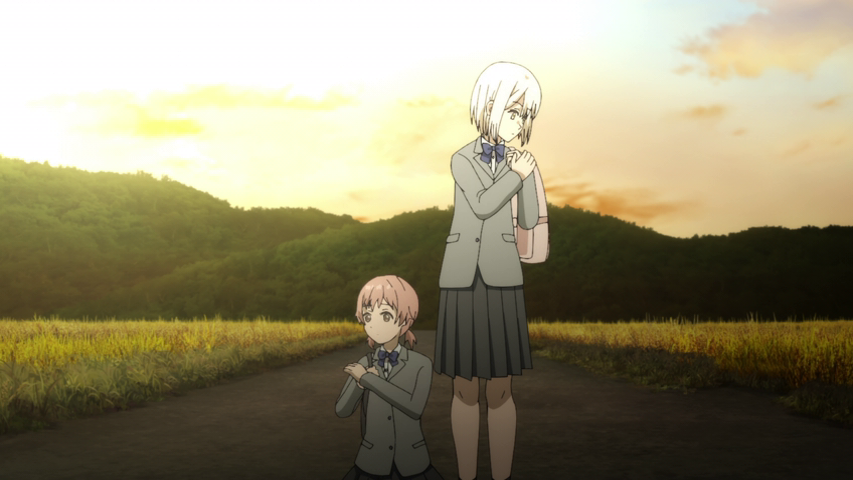
Mario: The only thing I knew about this series coming in was that it’s an adaptation from Takako Shimura, whose works Wandering Son and Aoi Hana I absolutely adore. Just 5 minutes into this show and you can tell it’s based on one of her manga, alright. It’s about the complex web of relationships between a group of young girls as they train to become future entertainers, and at times will have to compete against each other. From what I understand the show is an ensemble piece, and if this first episode is any indication, it will be emotionally charged yet treat its characters with nuance and delicacy. The flashback about the protagonist’s roommate Kinue, for example, shows us a much different version of her than we see her presently: full of contradictions, things never said out loud but like a ripple under the water. While this episode nails it on the character drama, I am a bit two-minded about the show’s presentation. The scenes where it goes for an illustrated style (and there’s quite a few) feel a bit too overboard at times, especially for a show that is meant to be quiet and subdued. It might be just me who is too harsh on this, but regardless, with character writing this adept, I know that I will follow along this season.
Potential: 70%

Eren the Southpaw

Short Synopsis: An aspiring graphic designer takes inspiration from a mural by a generationally talented graffiti artist.

Lenlo: You know, with a name like “Eren the Southpaw”, I was expecting this series to involve at least a little bit of fighting. Who describes a lefty as a southpaw outside of combat sports?! Anyways, the show – it’s alright? I’m a bit of a sucker for series about art, and any commentary surrounding commercial art versus personal art, I write and paint regularly so it’s a topic I enjoy quite a bit. And Southpaw didn’t do a terrible job with it, the leading lady is a bit of a bitch, but she clearly cares a lot and the one piece we saw from her did feel inspired. But Southpaw also has the unfortunate problem of going up against series like Blue Period, which just do it better and are vastly more interesting. It’s also limited by the constraints of animation, just like Blue Period was, where it’s a lot harder to present the subject because it takes so much more work in animation versus manga. My point in all of this is, I’m not sure I’m going to keep watching Southpaw, but I’ll probably give reading it a try, to see if the presentation there better fits the story, rather than this standard anime visual design we’ve got here.
Potential: 40%

Kujima Utaeba Ie Hororo

Short Synopsis: A family with a strained dynamic welcomes a humanoid bird to stay with them until spring.

Wooper: Kujima Utaeba Ie Hororo was the only newly adapted manga I sampled in the lead-up to this season, so I have a decent handle on the areas that received the most focus in bringing it to animation. Number one by far is music, with tons of mellow instrumentation filling out this first episode. The use of melodica to open the show is reminiscent of the Animal Crossing OST, while the recurrence of mallet percussion gives it an intentional oddball feeling – fitting, since the story is about a personified pied avocet that speaks Russian and loves Japanese food. In fact, the soundtrack is really the only production category where this premiere stood out, as the animation and backgrounds were rudimentary, and even Kujima’s shrill foreign enunciation couldn’t elevate him to the level of a breakout character. It’s the show’s quiet tone, periodically punctured by outbursts from its colorful avian freeloader, that creates its niche appeal. I liked what I read of the manga and I liked this episode fairly well, too, but I don’t imagine it’ll garner a major (or even minor) audience. Unless you really love human-bird hybrid characters or marimba music, you may want to give this one a pass.
Potential: 25%

Spring 2026 Impressions: Nippon Sangoku, The Klutzy Class Monitor, Marriagetoxin

Nippon Sangoku

Short Synopsis: A bookish agriculture worker is persuaded to rebel against his regional government in post-apocalyptic Japan.

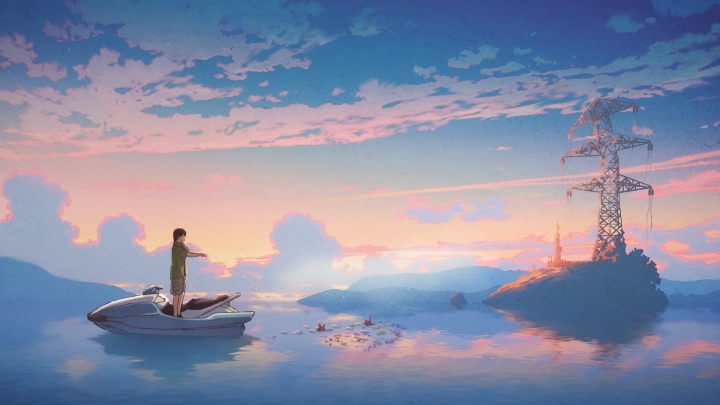
Lenlo: You know, aside from the straight lore dump right at the start and all the exposition, Nippon Sangoku was really good! Easily the most visually engaging show I’ve seen so far, absolutely stunning. The sparring use of color, picking out just the right details to make each scene pop, was incredible. I’m actually sad that the rest of the series won’t use that same palette, but it’s made me want to see what other interesting tricks and styles they have up their sleeve. As for the story, I’m not sold on our lead yet, he comes off as a bit of a know-it-all and the villains as almost cartoonishly evil, but there’s enough there that I’m not put off. All in all, I think Nippon Sangoku might be my favorite premiere so far, if only because it’s easily the most beautiful.
Potential: 80%

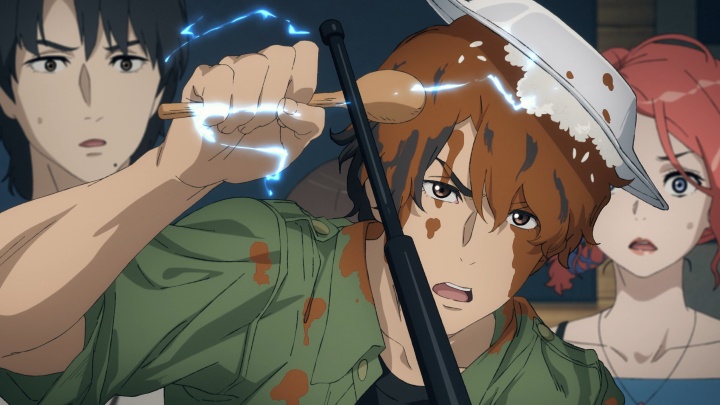
Wooper: Given its themes of militarism, murder, and national disorder, I didn’t think Nippon Sangoku would have such a postmodern tone. This episode used fast-forward effects to speed through its stern protagonist’s lectures, and comedic sound samples to accompany on-screen text about historical figures. Its vertically oriented opening scene adopted an ironic cheeriness while narrating Japan’s future downfall, leading to the country’s fracturing into three warring kingdoms. One of its characters even crumpled up a background image (which should have been visible only to the audience) out of frustration at one point. All of this worked shockingly well in spite of this episode’s bloodiness – if I had to say why, I’d point to the script’s focus on newlyweds Aoteru and Saki. There are allusions to regions and characters elsewhere in Japan, and it’s clear we’ll travel to and meet them eventually, but the entire premiere takes place in the newlyweds’ district, within a week or two of their nuptials. We’re granted access to their arguments, their hushed nighttime conversations, and their anguish at the tragedy that a visitor wreaks in their relationship (being purposefully vague here). By the end, Aoteru’s resolve to travel as far as Osaka makes perfect sense, as does the sudden return to the bright colors of the opening scene (contrasting the snowy landscapes of his hometown). Nippon Sangoku hit the biggest homer of the season with this premiere – now to see whether it can hit for contact as well as power.
Potential: 90%

Marriagetoxin

Short Synopsis: A poison assassin makes a pact with a swindler for romantic advice.

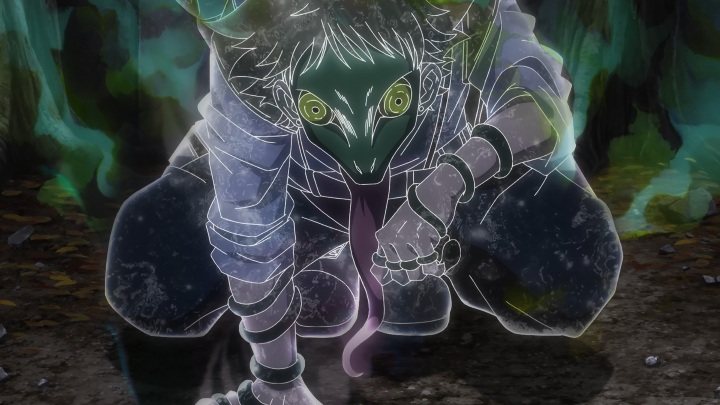
Mario: While the setup of Marriagetoxin hardly offers anything surprising (except for one particular twist), it’s the presentation that sells it for me so far. It’s about this lone-wolf assassin who yearns for a relationship, so he makes a random decision to ask his victim for help with relationships in exchange for “her” life. Somewhere amidst that setup, his poison skills make him some sort of superhero with toxins as a weapon. So yeah, it’s the most straightforward rendition of the title “Marriagetoxin”, and it’s not to the show’s benefit that all these side characters so far aside from our two leads are one-note. But it has an energetic atmosphere and above-average production so far. The episode’s big chase sense looks great and it’s a wild ride throughout. Gero and Kinosaki’s dynamic is also a major strength so far with solid and sincere chemistry. While I don’t think Marriagetoxin will be breakout hit for this season, it looks to be a fun ride.
Potential: 40%

The Klutzy Class Monitor and
the Girl with the Short Skirt

Short Synopsis: A high school girl falls in love with the strict class representative who constantly nags her about her attire.

Wooper: Anime as a whole (maybe even Japan as a whole) has a fixation on skirts, and while I haven’t seen many of the shows built around that fixation, I’ll hazard a guess that most of them aren’t so good. After getting a look at Klutzy Class Monitor’s “colorized manga” art direction, though, I decided to give its first episode a shot, and came away pleasantly surprised. The male lead’s gender politics may be half a century out of date, but he’s not so inflexible that he can’t strike up a friendship with the short-skirted girl from the title, plus a couple of her friends as well. Every time he accuses them of breaking a rule, the combination of their teasing and his repressed good-naturedness results in him backing down, which has the effect of placing the characters as the show’s number one priority. It’s a nice loop, and one that extends to a hot-headed health representative before the premiere is through, with the promise of more over-the-top classmates to come. Together with the sharp use of color and screentone effects for the backgrounds, this show’s positivity made it a lot nicer to look at and listen to than I expected. Klutzy Class Monitor is still limited by its premise, but it’s nothing I’d judge anyone for looking forward to each week.
Potential: 35%
Spring 2026 Impressions: Witch Hat Atelier, Needy Girl Overdose, Kanan-sama wa Akumade Choroi

Witch Hat Atelier

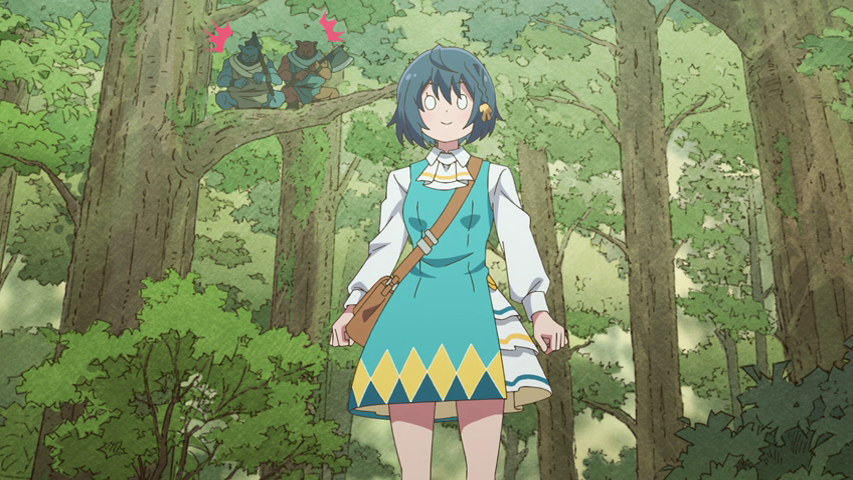
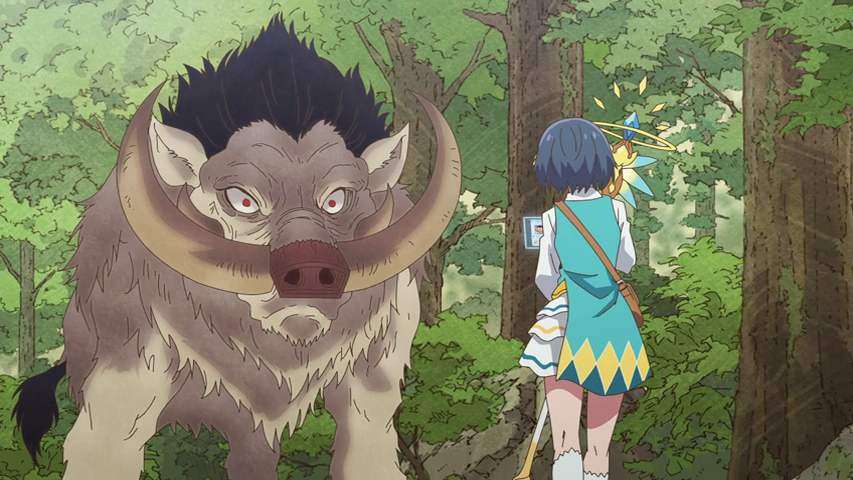
Short Synopsis: Little girl who doesn’t know magic accidentally turns her mom into a rock, then joins a secret society of witches to try and fix it.

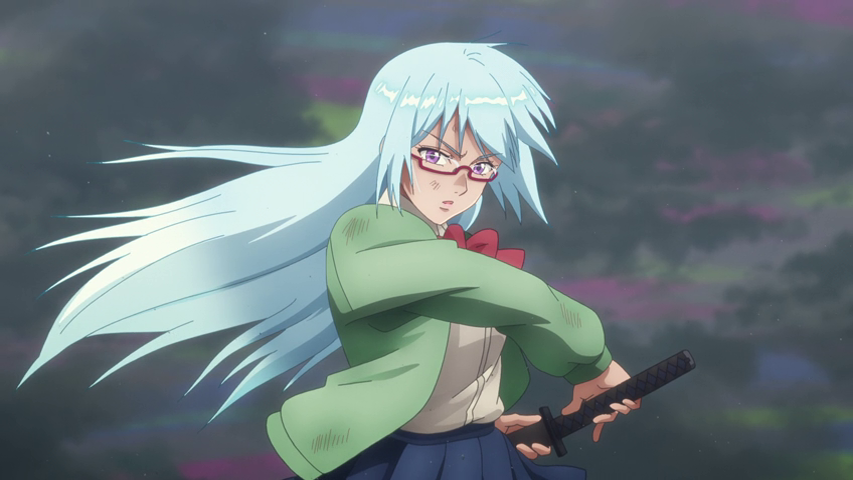
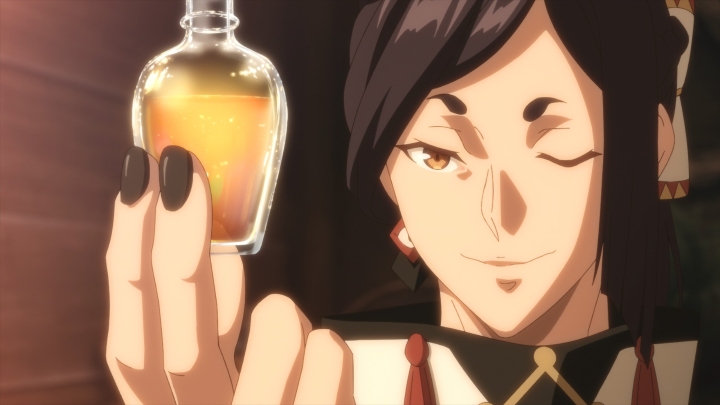
Lenlo: I need to admit my bias from the start, I love Witch Hat Atelier. It’s one of my favorite currently publishing manga with beautiful art and a heartwrenching story. It’s not perfect, I still think the whole “Kill the mom” bit is unnecessary, but by and large I can attest to the narrative being great. My only real concern was only ever going to be the production. This is BUG FILMS’ second show, the first being Zom 100, which had its own issues. Additionally, while Ayumu Watanabe is a pretty good director with shows like Komi Can’t Communicate and After the Rain under his belt, he’s doing Atelier and Akane-banashi AT THE SAME TIME. I worry that one of two will suffer from neglect as he splits his attention between them, and considering my love for both of these series, I’d prefer neither of them suffer for him thinking he could handle the work load. Now to be fair, so far Atelier is looking pretty good. There’s some great sequences, finale of ep 1 was especially good, and I especially enjoyed the use of the manga art to add this storybook effect to certain scenes and change things up, though the second episode had a few odd shots. The real question is whether or not BUG FILMS can keep this up for an entire season, and the trailer/PV didn’t fill me with a lot of hope for that. Still, I’ll trust them for now and hope it works out, cause I love this show.
Potential: 80%

Needy Girl Overdose

Short Synopsis: Livestreamers achieve cultural dominance through concerts, interviews, and mental breakdowns.

Wooper: I’m assuming this premiere requires knowledge of the identically named video game (retitled to “Needy Streamer Overload” outside Japan) to be fully understood, because a lot of it went straight over my head. The bustling directorial style surely contributed to that feeling, utilizing live action footage, Monogatari-esque text cards, flashes of 80s-inspired graphic design, and nondiegetic images like echocardiograms to represent characters’ emotions. Needy Girl Overdose is set in a future where the internet has subsumed the real world in terms of importance, resulting in massive societal backsliding; it depicts men as lascivious and abusive (there’s an off-screen rape scene whose victim is shown with the beginnings of a black eye) and livestreamers, who rule the digital landscape, as unstable and conspiratorial. I can relate to its cynicism, but its characters are another story, as the switches in perspective between KAngel, Kache, and the trio of rising star streamers (led by Poison Denpa Girl) exacerbate the difficulties posed by the show’s presentation. This show is destined to develop a cult following, so while I won’t be part of it, those of you with high visual processing power may glean something from the experience.
Potential: ???

Kanan-sama wa Akumade Choroi

Short Synopsis: A devil posing as a high school girl lures a human boy to devour him, but falls in love with him instead.

Mario: I suppose how much you enjoy this show will depend on how much you enjoy Kanan as a character. We see her bouncing from one spectrum to the other, from a prestigious demon king’s daughter who “hunts” human souls, to a vanilla teenager who experiences love for the first time. The characters surrounding her so far consist of her cardboard love interest and a father who loves to eat more than anything else (heck, his face is buried under a pile of food). Even if you don’t mind anime romcoms, Kanan’s constant shrieking could turn some viewers off quickly. I’d say that Kanan-sama’s devilish appeal is the only thing this show has, so if you want something more substantial you might need to look elsewhere.
Potential: 0%

Spring 2026 Impressions: Daemons of the Shadow Realm, Killed Again Mr. Detective?, Kirio Fan Club

Daemons of the Shadow Realm

Short Synopsis: A teenage hunter’s primitive village is attacked by enemies with modern vehicles and weaponry.

Wooper: I figured it’d be more than just one person giving his thoughts on the premiere of the new Hiromu Arakawa adaptation, but maybe “author of Fullmetal Alchemist” doesn’t have the clout it once did. Or maybe Yomi no Tsugai’s localized title is so nonspecific that people are unknowingly passing it over – I wouldn’t blame them, especially in a post-Demon Slayer world. Setting aside the questions of its popularity or marketing, Daemons is off to a pretty good start with this episode. It’s got strong animation and a good handle on how to incorporate its occasional 3D elements into the frame, while thankfully keeping its supernatural servants restricted to the 2D plane. Even a scene where the main character’s newly awakened daemons take flight and tear a pair of helicopters to pieces only used CG for the copters themselves, which is a good sign. The establishing minutes provide a good intro to Yuru and his village, and the chaos of the subsequent invasion is fairly effective. My main issue is that Yuru’s bond with his twin sister is given limited focus, which has repercussions at a critical point during the invasion – but there’s clearly a lot we have yet to learn about both her identity and Daemons’ larger mythology. My curiosity isn’t exactly piqued, but I’ll obviously be returning for episode 2, so assuming the show’s explanation is satisfying, it’ll probably make a weekly viewer out of me.
Potential: 60%

Killed Again, Mr. Detective?

Short Synopsis: A young detective gets himself into a murder case while on a cruise… as a murder victim.

Mario: The “Killed Again, Mr. Detective” title doesn’t become relevant until the last scene of this episode, which is the show’s main twist: our boy has the ability to come back to life after getting killed. For me, though, that’s the only noteworthy thing in this episode, as I care much less about the characters and the case they are currently following. It isn’t a good sign, for example, to introduce a character by having them sniff a boy’s jacket. Likewise, none of the dialogue sounds like proper human speech, and even our protagonist’s first reaction when he sees the dead body is very unnatural. The case itself is mostly set up so far but you can somewhat tell who’s important based on their over-designed appearance. Sadly, even though I like the mystery genre in general, I don’t see myself coming back for more of this one.
Potential: 10%

Kirio Fan Club

Short Synopsis: A pair of high school girls crack jokes while competing over their love of the same guy.

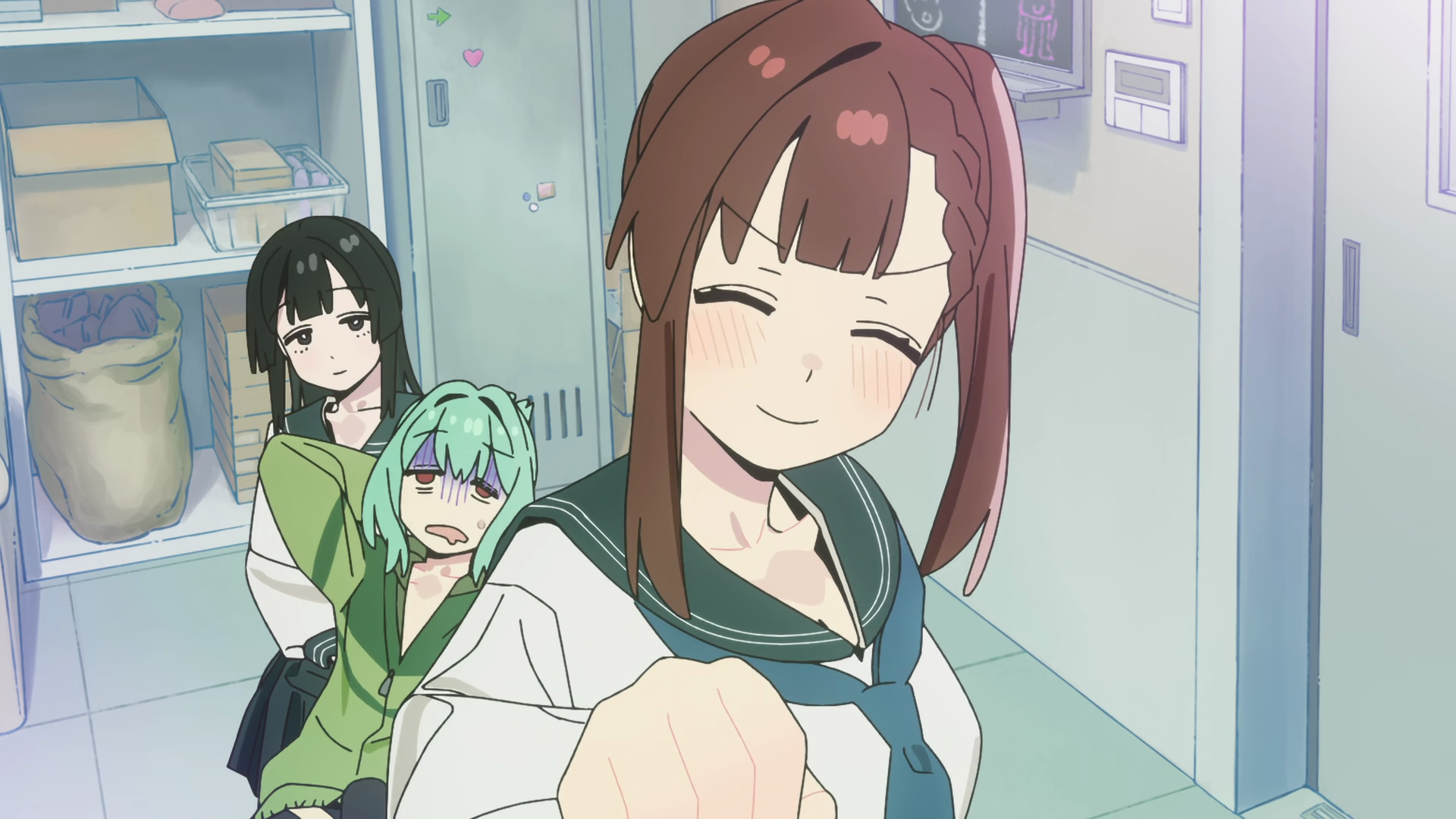
Wooper: Kirio Fan Club belongs to a subset of anime comedies about high school girls chatting aimlessly, which I’ve never been a big fan of (if I had to pick a favorite, I’d go with Joshiraku). What sets Fan Club apart is that its two comediennes like the same boy, so a good portion of their riffing has to do with him, but seeing as his bangs are drawn long enough to purposely obscure his eyes, he’s more MacGuffin than man. By the end of the episode, it becomes clear that only one of them truly has a crush on Kirio, while the other is merely playing along to remain close to her friend (and maybe to sabotage her efforts to be with him). That’s pretty novel, but it’s everything before that which I’m not thrilled about – the jokes just weren’t there, especially in the episode’s second half, where the events of one of the girl’s dreams began to come true and we had to wait ages for a clearly telegraphed payoff. There are some positives here – the upbeat rap-rock OP, the passable visuals, a particular blackboard-related gag – but overall the gutter balls far outweighed the strikes for me.
Potential: 20%

Mario: I think it’s on me that I had the wrong impression about this show after watching the pre-OP scene. When a random girl confesses to a boy, and then it pulls back to reveal two girls who listen to it, with the comment that “we never knew loving someone could be so… hurtful”, I did expect a “Scum’s Wish” clone in terms of tone and style with emotional manipulation. Turns out Kirio Fan Club is more of a comedy about two girls that have the same crush, a boy “so special” they are afraid to talk to. “Comedy” is a loose term here as sometimes I’m not sure if the humor is intentional or not. As it stands, while I do not mind shows about girls talking aimlessly (as Wooper put it), most of what they talk about is about a faceless guy, and I’m not sure if that topic is interesting enough to maintain our attention for a full cour.
Potential: 20%

Spring 2026 Impressions: Akane-banashi, Snowball Earth, MAO

Akane-banashi

Short Synopsis: Akane Osaki learned everything she knows about Rakugo from her father. After watching him be expelled from his school on the day of his promotion, she resolves to surpass the man who did it.

Lenlo: Look, I already know Akanebanashi’s story is going to be good, I’m current on the manga and it’s one of the best things currently publishing. Akane is a fantastic lead and Rakugo is always an interesting subject to follow, with endless stories to be told. The real question to me is how well can ZEXCS adapt it to anime. Visually, Akanebanashi was pretty good! I loved the motif of the door slit effect showing/reminding us how she always watched her father, her roots as a Rakugoka, and the performances themselves, both Shinta’s exam and his overlapping performance with Akan, were great! My real concern though is with our lead voice actor, Anna Nagase. While she certainly isn’t bad as Akane, this is going to be a really really demanding role and I’m not sure “good” is going to be enough for a Rakugo-centric story that will inevitably be compared to Akira Ishida in Showa Genroku Rakugo Shinju. Only time will tell here, as it’s possible Nagase will rise to the occasion just as Akane herself does and she’s holding back early to help sell that progression, her performance as Riko Amanai in Jujutsu Kaisen certainly makes me think she can pull it off. But so much of this story hinges on her being able to sell these Rakugo performances. If nothing else though, Akanebanashi did a good job of setting up and selling the story, and I think that alone will be enough to draw in new fans and show them why I love this series so much.
Potential: 70%

Snowball Earth

Short Synopsis: A lonesome kid becomes humanity’s savior after piloting a mech during a kaiju invasion, but he’s put into cold sleep after his final mission ends in failure.

Wooper: I figured this premiere would open with the frozen Earth promised by its title, then periodically flash back to how its protagonist ended up there, but this version of the story is fine, too. Most of this episode covers Tetsuo’s rise from awkward child who pilots his dad’s robot (cribbing from Gundam) to guardian of the human race, who accompanies a nautical spaceship with an Infinity Laser (cribbing from Yamato) on its mission to exterminate the kaiju threatening their planet. Along the way he pulls weird faces and slurs his words out of nervousness, occasionally referring to a self-help book about how to make friends, since he’s never had one before. That’s the aspect of Snowball Earth that was most discouraging to me – the CG was passable and the theft of Japanese sci-fi tropes was amusing, but I’ve had just about enough of debilitating social anxiety in anime. The way it’s written typically lacks credibility, even as an exaggerated version of a real world condition, and it’s the same for Snowball Earth, with the hero’s sentient mech humorously prodding him about his lack of confidence just minutes before an interstellar battle for humanity’s survival. I’m down for a post-apocalyptic series with a lighter tone than usual, but not one with this show’s methods.
Potential: 15%
MAO

Short Synopsis: What if Inuyasha was set in the Taisho-era, but instead of a demon he was a standoff-ish Ikemen?

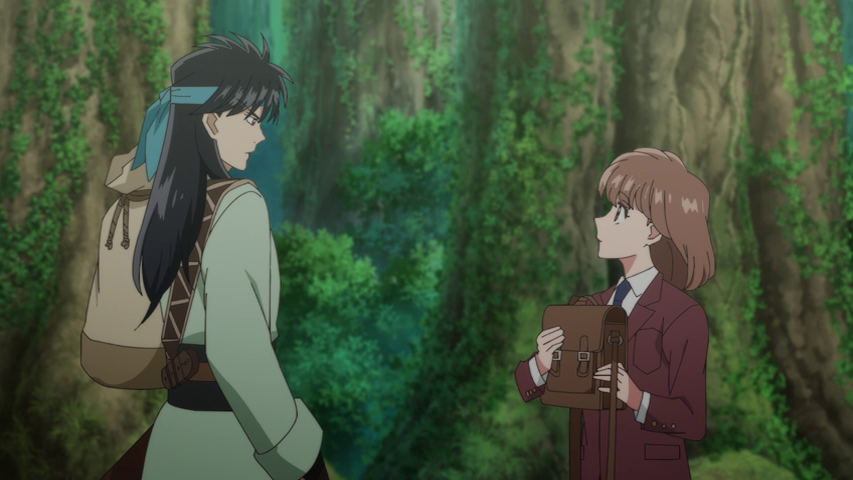
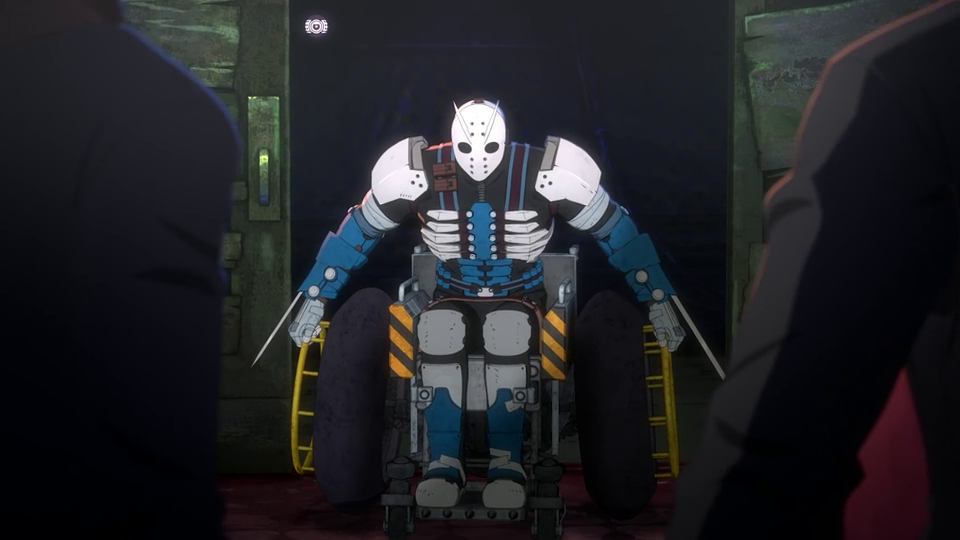
Lenlo: So like… This is just a knockoff Inuyasha right? Or like, someone wanted to remake Inuyasha but couldn’t so decided to make their own instead? I’m being a bit facetious, MAO is set in Taisho-era Japan instead of the Sengoku period, and Mao is more of a jaded old man in an Ikemen’s body rather than a brash demon, but the spirit of it all still holds true. The one nice thing MAO has going for it is a seemingly actually powerful female lead judging by her ability to leap tall buildings in a single bound, though she hasn’t done much yet. All in all, MAO simply isn’t that interesting, it’s visually bland, and there’s nothing that engaging about the first episode, but nothing glaringly wrong either.
Potential: 20%
Spring 2026 Impressions: Dorohedoro S2, The Ramparts of Ice, Petals of Reincarnation

Dorohedoro S2

Short Synopsis: Season 2 of Dorohedoro, I don’t know how to explain it other than that, it’s crazy.

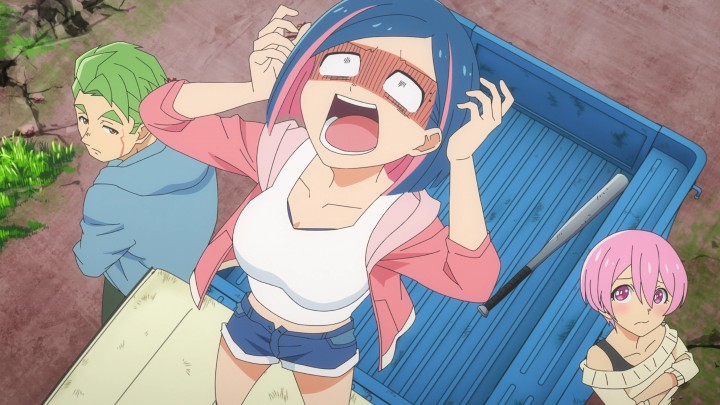
Lenlo: Ah Dorohedoro, you’re just as insane as when I left you. It took me all 3 episodes to figure out where the hell we were and what the fuck was happening, but once I did it felt like I had never left. Now I won’t lie, Dorohedoro is a confusing show that does not try very hard to keep you up to date. If you fall behind, if you aren’t paying attention, if you don’t watch the 90 second recap of Season 1, it will not remind you, it just jumps right in where we left off as if the finale was yesterday, and I can see that turning a lot of people off. But if you enjoyed the first second, and are ok with a little homework to remember where we are, I genuinely believe there is nothing quite like Dorohedoro’s focused insanity. It actually reminds me of Golden Kamuy in a lot of ways, where it can jump from one completely unrelated scene to another, mixing silly comedy and gore-filled violence side by side. Just instead of being set in 20th Hokkaido, it’s a mystical post-apocalyptic industrial fantasy world where literally anyone can die at any time.
Potential: 80%

The Ramparts of Ice

Short Synopsis: A frosty high school girl handles uncomfortable social situations to the best of her ability.

Wooper: I can’t help but compare The Ramparts of Ice (Koori no Jouheki) to its cousin You and I Are Polar Opposites, since it’s sandwiched between that series’ first and second seasons. The character designs make it clear that both shows are based on manga by the same artist, but based on this premiere, Ramparts got the worse end of the deal. The ice queen trope it uses to characterize the female lead (Koyuki) is bluntly implemented, and her classmates’ fear of her is equaled only by their worship of her friend Miki. Koyuki is already on her way to forming an unlikely bond with a popular guy, as well – it feels too much like a dozen other broadly-written high school anime. Then there’s the abundance of chibi scenes, which always cut away to a screentone background rather than incorporating the deformed characters into the real world. After seeing Polar Opposites successfully opt for the latter strategy last season, Ramparts’ direction feels like a downgrade. Its pre-ED flashbacks to some major drama from Koyuki’s middle school days were more intriguing than expected, but I don’t know whether I’ll watch for long enough to learn all the details there.
Potential: 30%

Petals of Reincarnation

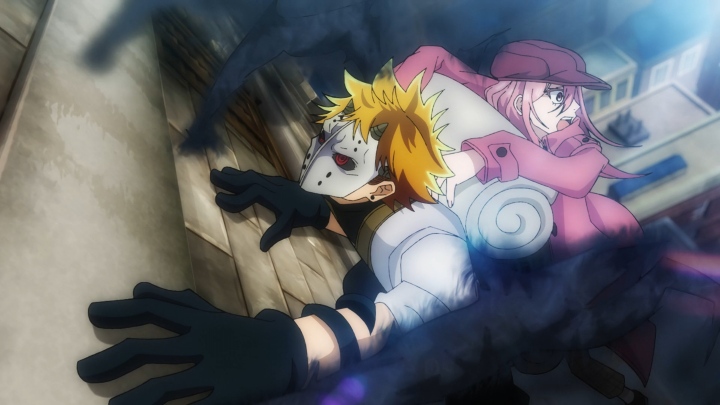
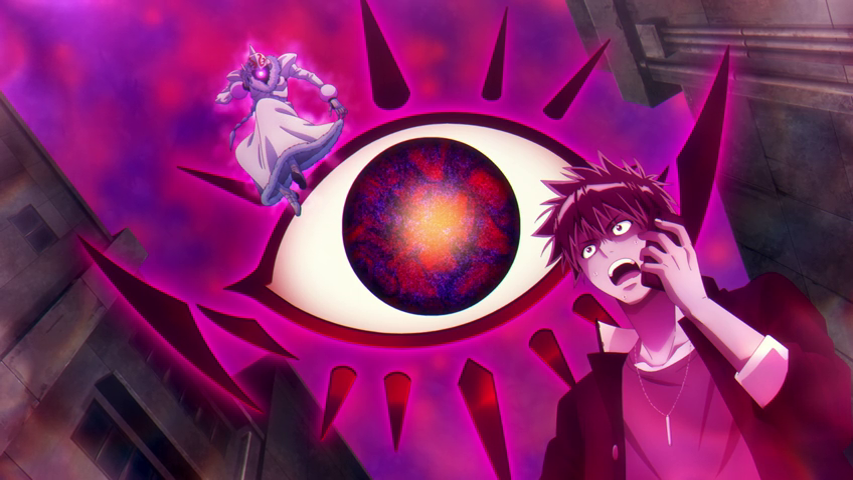
Short Synopsis: Adolf Hitler, yes that Adolf Hitler, is reincarnated as a loli in this Fate ripoff. Hitler isn’t actually the main character, but I felt it important you know this.

Lenlo: My first thought watching Kaben was… unimpressed? It feels like a mix of Persona and Fate, except it lacks the same sort of Jungian Psychology of Persona and the gravitas of Fate. It feels like Kaben is just using their visuals and ideas slapped together into something “cool” without understanding or thinking about anything behind it. The lead is a little interesting, I’m always down for an unapologetic asshole as our main character, and this idea of stealing talent rather than honing/being proud of your own talent could actually go somewhere. But between this being Studio BENTEN’s first production, and Shun Kudou’s second ever director position, the first being Grendizer U, I can’t say I have a lot of faith in this going anywhere I want to watch.
Potential: 10%