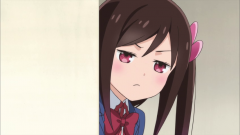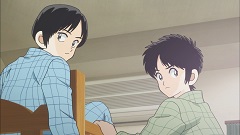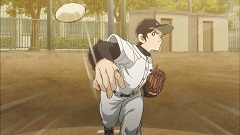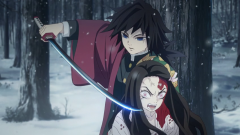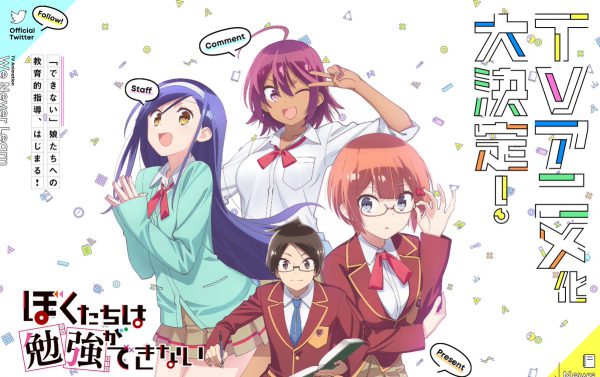

Some Quick First Impressions: One Punch Man 2, Isekai Quartet and Sewayaki Kitsune no Senko-san

One Punch Man 2

Short Synopsis: It’s more One Punch Man. Don’t act like you haven’t seen the original.

Lenlo’s review:
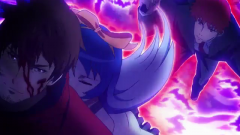
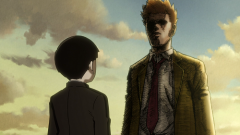
The best thing I can say about OPM2 is that it isn’t as much of a disappointment as I expected it to be. There are definitely issues, from some weird shots and angles to some lines not landing quite right, but production wise it’s better than I thought. The animation is there, it’s not a slide show, and someone is clearly trying. Plus, ONE’s writing still shines through! My biggest complaint though has to be the artstyle. From the weak lines around characters faces to the weird gradients on Saitama’s skin and Genos’s arms, it just looks… bleh. I’m not a fan of it. These characters already have designs, styles, from the first season that I loved. That its being changed now and replaced with this weird hybrid CG cyborg body is just disappointing. Plus many of the “epic” fights have this weird layering technique, where instead of animation inbetweens it just fades to the next frame? I hate that. I hate that more than anything else in this first episode. I am sure I can get used to it, and I will because I am going to keep watching it, but I won’t enjoy it. My only hope is that ONE’s writing carries what is, visually, an otherwise meh show.
Potential: 40%

Wooper’s review:
My favorite thing about the first One Punch Man adaptation wasn’t its flashy fight animation, but its commitment to the series’ absurdity. Saitama’s goofy marching after a devastating practice match, Genos’s alert body language whenever his boneheaded master seemed ready to drop some wisdom, and Mumen Rider’s earnest cycling in the face of overwhelming adversity all marked the series as a satire, rather than a simple beat-’em-up. The premiere of season 2 focuses largely on King, and while his situation is ridiculous, it doesn’t carry that same absurd flavor. Shots of his terrified or bewildered facial expressions get the job done, I suppose, but they’re too far removed from the thing with which they ought to be contrasted: his position as a Class S hero. He just mentions it over and over, without getting into a situation where that status guides the story. While we’re on the topic of how these events were arranged, does anyone else find it strange that we open with Saitama, Genos, and King all in the middle of the city on the verge of being attacked? It felt like an abrupt start to the proceedings, especially since One Punch Man expanded its cast and scope with this episode. That move toward an overarching story has me sort of concerned, but at least it gives Sonic something to do apart from languish in the background. In fact, plenty of characters are moving closer to the forefront of the series, but it’s anybody’s guess whether J.C.Staff will be able to balance them to the satisfaction of a rabid fanbase.
Potential: 50%


Isekai Quartet

Short Synopsis: The main cast of Re:Zero, Overlord, KonoSuba and Youjo Senki get teleported into a high school and shenanigans ensue.   

Helghast’s review:
With all of four of these series either wrapping up their latest season or having their sequel released some time in the far distant future, this is a easy and fun way to keep their massive fanbases happy and entertained. The animation is on par with those silly flash movies last decade, but the strength of show comes from the voice actors and having the ensemble from each franchise size each other up. It’s the group of misfit low-level adventurers thinking they can take on the overpowered monsters from Great Tomb of Nazarick while Tanya is brooding over getting screwed over once more by Being X. I found it amusing that the studio decided to compressed her entire story inside of a minute, complete with chibi art of her most violent acts, since Youjo Senki has the smallest fanbase out of the four. In a season where there aren’t that all that many hit shows and plenty of disappointment to spread around, Isekai Quartet is the most fun you’re going to have with an anime short that flips the isekai meta on its head and gives it the crossover that no one asked for but everyone needed.
Potential: 65%

Mario’s review:
I’ve watched 3 shows out of the “Quartet” this show parodies, and I have to say those shows are amongst better isekai options out there. Re:Zero, Tanya and KonoSuba are all in my top 5 favorite isekai of this decade, and while I don’t know much about Overlord, these four proves to be an interesting mash-up: 2 shows from Fantasy, one from alternative history and one from inside the game. Even with the Fantasy shows the variation of races and social status can be an interesting angle for this chibi show to poke fun if. So far, the very concept of these characters get incarnated again to the highschool settings is a pretty darn good parody. In addition, the humor works so far. Every characters keep their most distinctive quirks and they bounce off each other with ease. Konosuba cast and Tanya shine in this first episode in particular. If the show knows how to make the interactions from characters in different series spark, this will be one hell of a ride.
Potential: 30%


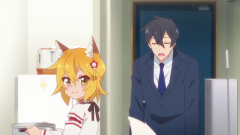
Sewayaki Kitsune no Senko-san
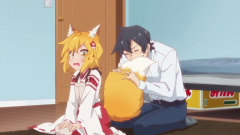
Short Synopsis: An overworked salaryman comes back home late… to find out that there’s a fox spirit in his house.

Mario’s review:
Damnit, right before the last two shows everyone has been waiting for, we have two shows that are absolute garbage. This one has only one thing going on: raise the cute level of that fox-deity who acts like a perfect wife for some sad sack loser. Well, I might sound harsh, but is there any point of having all the comfort – cute girl appear inside your house, food fed to the mouth, all the physical touching, and the laps to sleep on – while you don’t have to work to obtain it? You said he’s overworked so he deserve this? He goddamned brought it all himself. Healing might be what this show aims for, but this is a toxic healing. Our Senko is a perfect waifu material, the show is a one big wish fulfillment with a hint of fetishism on top.
Potential: We all need a deity-fox as housemaid in our petty life.

Real Potential: The worst premiere of this season hands down
Some Quick First Impressions: Namu Amida Butsu!: Rendai Utena, RobiHachi and Gunjou no Magmel

Namu Amida Butsu!: Rendai Utena

Short Synopsis: Pretty boys who are deities and their jobs is to destroy negative energy from human.

Mario’s review:
When will this hot boys trend die down? Rendai Utena (not to be confused with Ikuhara’s Utena. That’s an insult!) spends 80% of its energy to introduce dozen boys with colorful designs who happen to be deities. What do they do in this entire episode? Cleaning the house, buying some goddamn milk and eating dessert together. The rest of its energy it addresses its main concept: they’re here to destroy vices, negative force within each human. I mean, dessert is nice and all but that’s the only entertaining part I can take out from this episode. The production is below par, the characters are nothing original and the concept isn’t that engaging or interesting. It doesn’t have anything offensively terrible, but at the same time it doesn’t leave much impact to me whatsoever.
Potential: 0%


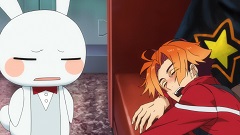
RobiHachi

Short Synopsis: A down-on-his-luck freelance journalist flees Earth to escape a loan shark, but accidentally brings along one of his debt collectors.

Wooper’s review:
RobiHachi is Space Dandy by way of last year’s Double Decker, with 10% of the humor and 0% of the style. It sports a colorful sci-fi setting with flying cars and bustling city life, but only takes advantage of it once or twice in this premiere (the scene where Robby gets caught in an alien street crossing comes to mind). Apart from those rare moments of inspiration, it’s only a mildly amusing and below average-looking buddy comedy. Main character Robby takes life as it comes, while Hachi is obsessed with experiencing new things, and these traits envelop their entire personalities, rather than informing them. As a result, there’s a lot of bickering between the two, including a moment where Robby gives a lecture on smelling the roses, and a smooth sax solo starts playing as though he were Onizuka from GTO. Speaking of music, the second half of this episode takes every opportunity to cram boilerplate 80s rock into the background, even when characters are just talking to one another. I can only assume this choice was made to distract from the series’ limited animation, which punches below the standard of modern TV anime. Even Robby’s insulting rabbit butler is only good for a couple chuckles before the whole show collapses under its own weightlessness. Unless you’re really into space adventure/comedies, give this one a pass.
Potential: 20%

Mario’s review:
Hmmm, even the character design of Hatchi reminds me a great deal of last year’s Double Decker and the plot is a mashup of shows from the past (Space Dandy, Cowboy Bebop come to mind), so right at the first round the originality is already out of the window. Then the production isn’t something that I normally recommend, given it doesn’t impress me in any way. Furthermore, while I’d say the mains’ interaction is solid (hence the score), I don’t care much for either Robby and Hatchi individually. The brief callback to Robby’s misfortunate events is funny on paper, but when they display it on-screen, it falls flat. This premiere runs mostly as a prologue to the adventures between this duo as they travelling through planets, so I’d say that next episode is where the show showcases its true color. One important thing that the premiere fails to do, however, is that for a show that has “cool” factor written all over, it doesn’t offer half of the “cool” vibe it aims to achieve.
Potential: 20%


Gunjou no Magmel

Short Synopsis: A relief worker trained in supernatural combat travels to a mysterious continent to find a client’s brother.

Mario’s review:
Magmel is based on a Chinese manhua and it pains me to say that anime medium doesn’t have a good track with Chinese material. But I have middling expectation for this one based entirely one the first manga chapter that I read, with was a decent fun. Turns out that this first episodes material isn’t the same with the first chapter, but I’m still pleasant surprised on how much I enjoy Magmel so far. Its biggest strength right now is its setting that is both dangerous and inviting at the same time. The setting reminds me a bit of Made in Abyss, which is pretty decent praise in my book. It also succeeds on providing the sense of adventuring, of discover new area and monsters. This episode’s story works well as a standalone story and as a good introduction as how twisty this new continent can be. So far, I like the main characters well enough, and even the side characters have some legit moments there. The fact that it’s made by Studio Pierrot means that they can pad out this material with fillers and squeeze the most out of this show’s juice, but as far as “intriguing” goes you bet I am.
Potential: 50%

Wooper’s review:
The first thing I have to mention about this show is the background art, which is verdant and lush. It was really important that the series nail this aspect of its production, since it’s set largely on an unexplored continent where thousands of new species are lurking. That kind of setting should be as vivid on screen as it is in concept, and here Gunjou no Magmel succeeds. The second thing I have to mention is that everything else about the series bored me. The gigantic flashback to a one-off character’s backstory near the start killed its initial momentum, and his cluelessness until the moment of his death made him frustrating to watch. Main character Inyou’s stoicism isn’t a bad foundation for his character, and his willingness to kill a man he’d promised to save was appreciated (as opposed to the righteousness of most shounen protags). But he didn’t hold my attention despite his position in the dead center of the story, perhaps because of his overwhelming strength. The relationship between him and his robot-piloting maid wasn’t even deep enough to get my toes wet, either. I’ll admit that these are a lot of criticisms for a shounen series with a simple core concept. It ought to be judged largely on the strength and viability of that premise, and I think there’s lots of room for Magmel to do its thing in future episodes. That “thing” ought to look a lot different from this premiere, though.
Potential: 30%

Some Quick First Impressions: Fairy Gone, Mayonaka no Occult Koumuin and Hachigatsu no Cinderella Nine

Fairy Gone

Short Synopsis: A handful of fairy summoners must reenter society in the wake of a large-scale supernatural war.

Wooper’s review:
Getting into specifics about your fantasy world before fleshing out your characters is typically a bad idea. If you needed any more evidence to support this principle, Fairy Gone has you covered. Though its characters are all set against the backdrop of a recent war, they’re sorely lacking in personality or individuality. You might assume the show would hint at the psychological toll the war took on them, or their religious or spiritual lives (since fairies are so important to the story), or anything apart from their general stoicism, but it doesn’t. One of the characters, Marlya, is obsessed with meeting a friend from her past, but that’s about all we’ve got in terms of motivation. We’re sure to learn more as the story progresses, but this premiere doesn’t have a hook for propelling audiences toward those later episodes. Fairy Gone fares better on the technical front, sporting some decent action and P.A. Works’ pretty background art (the backstage room at the auction is especially noteworthy). Still, the show is grayer and grainier than their output has been in the past, marking something of a departure from their house style – even last year’s Sirius the Jaeger wasn’t this grim, despite its similar premise and tone. Director Kenichi Suzuki might be responsible for the change, but given his link to JoJo’s Bizarre Adventure and this show’s use of CG fairies as “Stands,” his involvement is likely to be remembered as a meme more than anything else. That’s kind of a shame, as there’s a decent show in here somewhere, but what came together in the premiere isn’t the best version of these ingredients.
Potential: 40%

Lenlo’s review:
3 minutes in and we have gone through 2 text crawls, 3 countries, 3 cities, and probably a time skip/flashback or 2. It’s hard to tell. Whew, is that not a good sign. Wooper hits the nail on the head when he says Fairy Gone cares more for its history/world than its actual characters. I hardly know or care about any of them, partly because the central goal is thrust on us so quickly. Marlya’s goal is to find Ver apparently, and she does so in the first damn episode. I don’t know these characters, am I supposed to care? As for production, the fights were… weird? There are elements of greatness there, the backgrounds and kinda CGI JoJo Stands. But once everything starts moving together and playing in the same scene, you start to notice a lot of jank. My read is, Fairy Gone clearly has someone who cares about it in PA Works, someone is passionate about it. But the actual production doesn’t really come together, all its separate parts just sorta… falling into place instead of being carefully placed there. If you can get past the jank, and not get bored to death after the exposition stops, then you might find something interesting here. But I wouldn’t expect it to be anything amazing.
Potential: 35%


Mayonaka no Occult Koumuin

Short Synopsis: A public servant in Shinjuku ward suddenly gets the ability to interact with supernatural beings.

Mario’s review:
Well, if you think tengu and angels eloping isn’t absurd enough, that’s just the tip of the iceberg of what Occult can offer. As the title suggests, it takes place at night, in Shinjuku ward. The show doesn’t really make this unique setting distinguishable enough, sadly. Most of it is because the visuals look unremarkable, and there’s no stand out element that could highlight the settings. The same can be said for its busy plot. The show introduces the main guy, establish its supernatural world before revealing, in the span of 10 minutes, that the protagonist has “special power” no one else has. It’s often the case that when the plot goes so fast, it has a harder time to let the events sink in. All in all, this is an alright but unremarkable entry. And be sure to check out the OP as it is one of the better moments out of the entire episode.
Potential: 20%


Hachigatsu no Cinderella Nine

Short Synopsis: A bunch of girls participate in their school’s baseball club.

Mario’s review:
This one turns out to be a nice surprise. While it’s in essence a CGDCT show, it’s charming enough and the execution is solid enough to make it an enjoyable ride. The visuals sometimes remind me of a lesser-KyoAni inputs, or more on point – Love Live’s level of visuals presentation, with cute character designs and bright backgrounds. The animation, however, is limited and there’s one point during the practice match the show is filled with powerpoint screenshots hovering up and down. The cast so far made up of girls with different individuality who come from different ground regarding baseball and so far I enjoy them well enough. This show won’t be a sport drama (hence lacks the competitive thrills), but if you regard it as a show where dozen girls with different traits join up for the same hobby in an Idol-anime fashion, you will have lots to enjoy here.
Potential: 40%

Some Quick First Impressions: Bokutachi wa Benkyou ga Dekinai, Kono Oto Tomare! and Shoumetsu Toshi

Bokutachi wa Benkyou ga Dekinai

Short Synopsis: A high-score boy is asked to be a tutor of other talented girls.

Mario’s review:
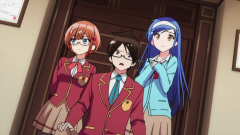
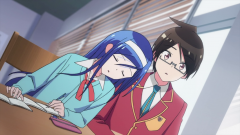
Just fresh off from the Quintuplets show last season, we have another harem anime where main guy is a tutor for “hot, talented but somehow still needs tutoring” girls, and it’s pale in comparison in almost every department. The main lead isn’t particularly interesting for one thing, since he does very little to stand out from a normie harem protagonist. The show delivers some decent chemistry between him and the girls, but the girls themselves, despite spend majority of time together, share zero interaction whatsoever. Secondly, all the narrative beats this premiere goes through is predictable and uninspiring. We see some lame fan-service, we have the normal shtick of him saying misleading comments, we have girls already falling head over heel over him by the episode’s end. Lastly, the production is plain. The art-style is unremarkable and there’s nothing worth recommending on the visual side. Watch (or re-watch) Quintuplets show instead. They share the same DNA but the other show makes full use of its harem roots.
Potential: 10%


Kono Oto Tomare!

Short Synopsis: An annoying nerd prevents, then accepts a troubled delinquent’s application to the traditional koto club.

Wooper’s review:
The ubiquity of high school clubs in anime can lead some viewers to find them tedious, but I wouldn’t have considered myself one of them until recently. Series like Chihayafuru and K-On! are among my favorites, with the formula of finding new club members providing a way to explore both themes of friendship and their clubs’ focus. But we’ve seen an outpouring of half-hearted club shows in recent years, and even promising candidates like Kabukibu have fallen into template mode after a few episodes. My theory is that anime’s new 12-episode standard is to blame – a thought was strengthened by Kono Oto Tomare, which sprinted haphazardly through its opening chapters to enter the recruitment phase. Club president Kurata’s pitiful backstory (he failed an entrance exam because he was sick that day) is only fed to us after he stresses about the koto club for eight minutes. The blonde delinquent who wants to become its second member teleports around the school so they can share as many scenes together as possible, most of them being overly dramatic or laughably violent. A dark incident from the delinquent’s past is only revealed so the school’s current gang of thugs can recreate it thirty seconds later. As far as atmosphere goes, the voice acting is too shouty for the material, and there’s zero koto playing in the premiere (which would have been a welcome respite from its relentless drama). Of all the episode’s components, only the art was passable in my eyes, but it wasn’t good enough to bring me back for round two.
Potential: 25%

Mario’s review:
UNBEARABLE PROTAGONIST, ACT III

It’s another show about high school students and their club activities. On that angle Kono Oto Tomare is a solid entry. The subject of Koto club isn’t something we see that often, and what this episode does well is to provide the leads’ own connection to this Koto club. Although I can’t say I am fond of the wimpy male lead (his shtick: I HAVE TO PROTECT THE CLUB is especially annoying), the show does spend time to provide backstories from our leads and inform us their points of view. Unfortunately, apart from that part this first episode suffers from many more glaring issues. First, the pacing is way too quickly that it feels as it they try to rush the material to a certain point. Things happen, things resolve in a flick of fingers, and worst offender is everything that related to the unnamed bullying kids. It’s so obvious that they are there to be the most hateable bunch of kids and I don’t really appreciate any of that. And while the subject matter is koto, there isn’t much of what makes koto club appealing, though I believe we will get to that in later episodes. So in short, Koto has some good characters development, and if you enjoy their chemistry of this premiere, there will be a lot to like here. Beware though, the plot can become contrived in service of these characters’ development.
Potential: 30%


Shoumetsu Toshi

Short Synopsis: A girl, with a help of a vespa-riding boy, decides to visit her vanished home town to see how it has changed.

Lenlo’s review:
Jesus christ, Madhouse is doing this? Are you serious? Am I being punked right now? Because this is legitimately terrible, at least on the production side. Everything from the art to the animation looks like it wasn’t finished when it aired. As for the story itself, for the life of me all I can remember are a bunch of tropes. I have absolutely no desire to see more this.
Potential: 0%

Mario’s review:
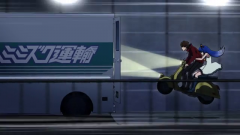
Just like Yu-no at the start of this season, Toshi suffers from introducing way too many characters before the main event even kicks in. Toshi seems to be interested in its own mystery that it forgets to tell a proper story, or flesh out any character for us to invest in. Take the main lead who acts like a complete bonker, first established him as the man who honor his job, then at the end try to convince us that he’s good nature enough look after that girl? The visual looks stiff but worse, it looks implausible. Take several chase scenes where he doves his scooter up and down (and at one point, block the attack) like he’s playing Wii and when the torrent of knives come toward him and somehow he gets away from it with only scratches? The central mystery is solid, however. It’s clear that the girl is the main cause of this disaster and it’s interesting in the fact that it could go in many different directions. Character-wise the show remains duh (remember a guy who keeps saying “could be a worthy test subject”?), and I don’t think that aspect can get any better. Watch it if you like the central mystery because otherwise, it offers very little else.
Potential: 20%

Some Quick First Impressions: Hitoribocchi no Marumaru Seikatsu, Mix: Meisei Story and Kimetsu no Yaiba

Hitoribocchi no Marumaru Seikatsu

Short Synopsis: A socially anxious girl must befriend all of her new classmates to win back the love of her former best friend.

Mario’s review:
UNBEARABLE PROTAGONIST, ACT II

Hitoribocchi is dull, Hitoribocchi is boring. Unlike Lenlo below I have a good relationship with the SoL genre, and even then I wouldn’t recommend this show. The main girl makes up the biggest issue for me as her social anxieties makes her act and behave like a 5-year-old kid. This one reminds me a bit of Slow Start last year with the same level of stupidity and dumb her down for the sake of making her cute. Her making friend feels way too easy, her anxiety plays mostly for laugh and I’m pretty sure I have seen all these familiar beats before. Look, if you’re a middle school girl, how about you act like one and not drawing plans to get rid of the society? This isn’t kawaii, this is just plain dumb.
Potential: THERE’S A CINNAMON ROLL WE ALL HAVE TO PROTECT

Lenlo’s review:
Hitoribocchi’s biggest problem, for me, is that it’s a Slice of Life. It’s simply not a genre I enjoy. By about 8 minutes in, I felt like I should be at the end, such is how it drags. That is most likely just my aversion to the genre though. As far as content, Hitoribocchi is basically a more wholesome version of Watamote. Both are school Slice of Lifes about an anti-social girl fitting in. The issue is though, just like Watamote, I was bored out of my mind. Maybe it’s the setting, maybe I just can’t enjoy a school-life centered drama anymore. I am not sure. Either way, from what I watched if you enjoy Slice of Life, you will enjoy Hitoribocchi, if only because your enjoyment will be inverse to my dislike of it. That’s typically how the trend on Slice of Life goes for me.
Potential: 10% if you’re me, 80% if you like Slice of Life.


Mix: Meisei Story

Short Synopsis: A pair of talented baseball-playing brothers rejoin their middle school team for another mediocre season.

Wooper’s review:
I mentioned it in our season preview, but Cross Game is my favorite anime, so it’s impossible for me to judge Mix (which is from the same author) without any bias creeping in. Just looking at the simple designs of these characters makes me want to smile, reminiscent as they are of Adachi’s other works. And it’s not just audiences that might be attached to other series of his – Mix itself makes its connection to Touch very clear, using an extended flashback at the start to link Meisei High’s past glory to its present mediocrity. Even Mix’s narrator is a character from Touch, and there’s a bit of fourth wall-breaking when the two main characters acknowledge her presence from within the story. This level of narration, the character introduction cards, and the VCR-mimicking scene transitions are all potential stumbling blocks for new viewers, I suspect. Mix is playing with its format a bit, rather than going for 100% naturalism as might benefit such a slow-moving anime. Despite these modern flourishes, though, Mix’s character work is old-fashioned in the best way, making the establishment of their personalities its number one priority. The male siblings at the heart of the story share an easy-going demeanor, but one is a tad rougher around the edges, which will likely be brought to the forefront when their coach’s favoritism starts hurting the team. There’s a bit of a mystery at play in their relationship, as well, which I won’t address for the sake of any newcomers. I’m quite eager to watch the next episode (if only to see the series’ glorious OP again), but I’ll bump my score down a bit to account for its uneventful first episode and odd scene transitions.
Potential: 70%

Lenlo’s review:
As Wooper correctly anticipates, there are a few issues for a new viewer who doesn’t know the original story to get over. Personally, I am not a huge fan of the extreme amount of narration. Yet at the same time it gives the series a very… old feeling, while still having the modern production. Take the character designs for instance, though it has a modern coat of paint, it’s all very late 80’s early 90’s, really making it stand out from other series. As Wooper said, Mix also goes out of its way to establish its characters clearly and early just like the oldies. I quite liked these two leads because of this, I think they will be able to play off of each other well. The whole sibling bond/rivalry going along with their differing personalities. I am also always one for a good sports anime, and the time period of the original story made a lot of good ones. Basically, I think Mix has a promising start and I look forward to seeing where it goes. As someone who has no idea about the original work, it pulled me in.
Potential: 60%


Kimetsu no Yaiba

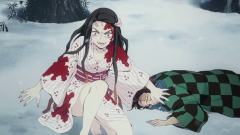
Short Synopsis: A kid comes home to find out that the entire family has been killed and his little sister has turned into a Demon.

Lenlo’s review:
Well, I suppose we know where Ufotable’s fraudulent taxes went, because Yaiba looks great. A treat to watch. This is the only aspect of Yaiba that wowed me in this first episode though. While the world was interesting, the premise itself a classic shounen, we didn’t get much more than that. The protagonist is a bit of a wet blanket and there really aren’t any rules yet established. However if Yaiba can take this first episode and run with it? Expand on the world, and grow the lead? Then I think it can be a great shounen series. All the pieces are there after all. An end goal, a mysterious final boss/demon, a weak character growing strong and plenty of room for good fights. Yaiba just needs to take this framework and start filling it in, and I am willing to give them the benefit of the doubt on this one.
Potential: 75%

Mario’s review:
I’ll be honest that prior to watching this episode I don’t have that high of an expectation towards Yaiba. Shonen Jump golden egg and ufotable aren’t something that attract me personally, but the premiere proves to be a worthwhile watch all around. If I have one small nitpick over the presentation, it’s the large amount of narration that nearly threaten to overwhelm the story. It does add a sense of novelty that other action shows usually lack, though. Right at the first episode, Yaiba successfully tells an engaging premise where Demon element fuses naturally to the world. Then it nails it on giving us 3 compelling characters, each stand out in their own ways and set up very well the journey ahead. The visual, in addition, is gorgeous. This episode doesn’t have much of bombastic action sequences, but based on how crips the characters move and how pretty everything looks, be it the background or the character designs, there’s a lot to like here. This could prove to be one of the highlights of this Spring season.
Potential: 70%

Some Quick First Impressions: Ultraman, Konoyo no Hate de Koi o Utau Shoujo YU-NO and Fruits Basket (2019)

Ultraman

Short Synopsis: A superpowered space officer and his son are called to save the Earth from a familiar-looking villain.

Lenlo’s review:
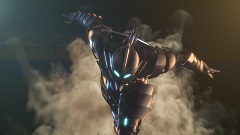
Having never seen the original series, I had no idea what to expect going into this one. But I must say, I was pleasantly surprised. The CGI was off putting at first, but Ultraman really commits to it and by the end, I barely even noticed it. I was all in, and it looks just enough like the cheesey live action of original Super Sentai series for me to enjoy it. On top of that, the story itself actually appears to be quite new to the genre! Instead of being episodic, this is more like a coming of age Western super hero story, like Spiderman. There definitely appears to be some influences from there to my eyes. That it follows the original series as a sequel of sorts also plays in its favor, as Ultraman isn’t forced into the originals mold, its free to be its own thing. The series could easily take a turn from this, the actual city and interiors showing some cracks in the facade, but from what I saw in the first episode, Ultraman is a Netflix series worth your time.
Potential: 60%

Wooper’s review:
I think I’ve been spoiled by Polygon Pictures’ 3D anime offerings, because series like Ronja and Seikaisuru Kado looked much better than this. Ultraman moves slightly away from the traditional influences of those series and edges towards more sophisticated lighting and shading, plus more CG involvement in its background art. This pays some dividends, as in the bit ripped straight from Spiderman where Shinjiro tests his powers on the roof. His weightless leaps from building to building are given some life by the way he gels with the sunlit scenery, which is great. There’s much more to be disappointed in, though; the oppressively geometric layout of every single interior scene, the total lack of environmental damage from massive impacts, and the photographed trees that appeared as glorified sprites were especially ugly. On top of that, we have CG anime’s usual stumbling blocks of stuttering pan shots and Botoxed facial expressions to yank us out of the story. Speaking of story, Ultraman 2019 is another superhero tale that promises to comment on power, morality, and human potential in the same way hundreds of others have done in the past. The characters might have been able to carry the half-baked setup if not for Shinjiro, the sort of MC who ponders how many “points” he’d score by rescuing a cute girl from a trio of delinquents. That girl also happens to be a pop idol, who will almost assuredly become his girlfriend because wouldn’t that be awesome? It’s a shame the “next generation” feeling is so prevalent here, because Shinjiro’s father (the original Ultraman) is a fabled Adult Protagonist, despite being a wet blanket himself. Pretty disappointed with this one on the whole, especially since Kenji Kamiyama’s name is attached (hopefully he’s putting all his effort into next year’s Stand Alone Complex sequel).
Potential: 15%


Konoyo no Hate de Koi o Utau Shoujo YU-NO

Short Synopsis: A high school boy whose father just disappeared still goes to school, meets girls with big boobs before gets transported to an alternate timeline.

Lenlo’s review:
Let’s see, mystery transfer student, CHECK. A load of established harem members, CHECK. Weird McGuffin with no explanation, CHECK, and a clearly evil authority figure, CHECK. Hmm… yup, from my diagnosis YU-NO has a clear case of the “Tropes”. While normally not fatal, and occasionally beneficial in a series, I fear this is an advanced case. All originality has been used for a singular perverted MC gag that wasn’t even funny. I fear there is little to be done for the series but to sit back and watch the train wreck. If you like watching something die a slow and inglorious death, YU-NO might be for you. However if you value your time, my recommendation is to avoid like the plague, so you might be spared the terrible affliction.
Potential: 0%

Mario’s review:
UNBEARABLE PROTAGONIST, ACT 1

Yu-no is, in a word, a throwback anime. There are many tropes and styles of humor that bring you right back to the 90s aesthetic that you don’t see often today, at least not to this extreme. Right at the first bit of dialogue, “panty” and “something hard” are thrown to our faces, and it’s getting worse from there. Just look at the screenshot to see the level of unabashed foolishness Yu-no contains. It also has a typical issue when anime tries to adapt a Visual Novel material: it introduces way too many characters before the main plot kicks in and to be frank, none of them is that interesting. Worst among them is the titular naked girl who kisses this horny MC and vanishes into thin air like an acid version of beautiful mermaid. The bad guy screams “villain” from Day 1, and like Steins;Gate 0, his evil seed is a whole bunch of crap. And then we have the lead who has a bit of hormonal issue (or is his own words: is he in that day of the month already?). The hook is solid, though, but with the ensemble cast this cringy, and the humor this dated, Yuno, you know, isn’t worth your time.
Potential: 10%


Fruits Basket (2019)

Short Synopsis: Girl meets several boys in their home and decides to stay there with them.

Mario’s review:
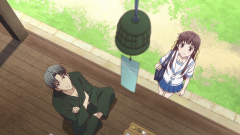
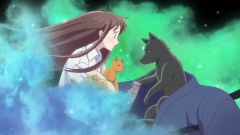
Overall it’s decent start that we have here. The strongest component in this episode is how the show fleshes out all the characters just about enough, especially the main girl with her own struggles and personality. The visual department, however, is sadly unremarkable. It looks “old”, not due to its intention, but more because of its lack of polishment (the worst bit is the distracting CG smoke). The story, while goes through many shoujo tropes (the Prince type, her friends), still remain quite solid because each character has their own voice and there’s much more opportunity to flesh out these characters. It’s true that Fruit Basket is much more interesting when it focuses one characters’ drama, not romance. Another thing that could tamper this adaptation is the pacing, given at one point (where her tent is buried under the snow) passes so quickly and abruptly. For now, I have my reservation regarding the production, but given the strong material it has, there’s still heaps to look forward to.
Potential: 65%

Lenlo’s review:
Let’s cut right to the chase here, its Fruits Basket. Most of you should already know what you are getting into. It’s been almost 20 years since the original afterall. That it’s getting a remake after so long, and is already a successful established series, tells you all you need to know. For myself, my only experience is with the English dubs, and so beyond this first episode I am going to be waiting for those myself. Can never get enough Laura Bailey. For those who don’t know what’s up, Fruits Basket is one of the landmark rom-coms of the late-90’s/early-00’s. As someone who largely despises the genre, it is one of the only series in it I look back on fondly. It’s filled with tropes and stereotypes abound, though an argument could be made that Fruits Basket helped establish them. I have often wondered, because of this, if that fondness was just nostalgia. Well this first episode made me realize it wasn’t, at least not totally. There is a mystery established behind all of the romance and jokes that pushes the story forward, so it doesn’t have to rely purely on the romance. I will still have to wait and see how much I have changed since my youth, but I feel comfortable saying I will enjoy this one.
Potential: 50%

Mob Psycho 100 S2 Anime Review – 87/100

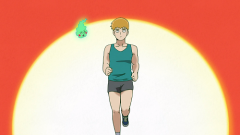
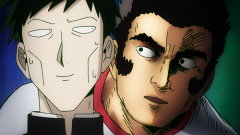
Upon finishing this series, the only question on my mind was how many animators did Bones sacrifice on ONE’s altar to achieve this. Following their prior season, Mob Psycho 100 Season 2 continues Bones adaptation of webcomic and manga author ONE’s 4th work, Mob Psycho 100. ONE has also authored the critically acclaimed One Punch Man series, redrawn for Shonen Jump by Yusuke Murata, and was later also adapted to anime by Studio Madhouse. Both were fantastic, and both pushed the envelope in terms of animation for TV anime. Following these up was no easy task. And yet, somehow, some way, Studio Bones did just that. They created an anime that you can find, almost in its entirety, on Sakugabooru. A blog dedicated to beautiful animation. But is there any substance, any depth, to what that animation portrays? Let’s find out.

Welcome to Mob Psycho 100 S2, lets jump in!

Continue reading “Mob Psycho 100 S2 Anime Review – 87/100” →

Kaguya-sama wa Kokurasetai Review – 84/100

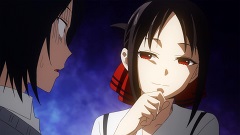
Anime draws on many different media types in its endless search for properties to adapt, but manga is still the king of the bunch. And why not? It’s a distinctly Japanese art form, their main demographics have significant overlap, and manga’s panel-based layout means that some of the anime staff’s work is already done. Plenty of adaptations stick very closely to their manga counterparts (hopefully out of respect for the original), but some receive bold reinterpretations. Kaguya-sama doesn’t go quite that far, but under the guidance of director Mamoru Hatakeyama, it does manage to take on a life beyond that of its source material. Hatakeyama’s work on screwball comedies with Studio Shaft near the start of the decade gave him an eye for tricky camera positioning and outrageous character expressions. Since the show came to a conclusion several days ago, I’ve been skimming the manga and noticing the ways in which he embellished scenes by making full use of the student council room, where at least half the anime takes place. This is probably why that environment is rendered using cel-shaded 3D models, since it would allow extra freedom in deciding which angle of the room to capture.

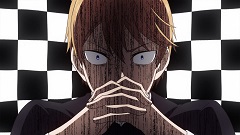
Kaguya-sama’s move to television works to its benefit in plenty of other ways, as well. Its comic timing is terrific – I vividly remember the moment when a dump truck unloaded a towering pile of flowers directly onto Kaguya’s head. The slow, quiet manner in which the petals piled around her sold not just that scene, but a whole seven-minute segment. Things get loud when they need to, as well, with each battle of wits between Kaguya and Shirogane feeling more critical than the next. The show’s use of bright red and blue backgrounds (representing the two main characters) and urgent string accompaniments pushes their mental matches to absurd heights, only to bring them crashing down when fan favorite Fujiwara unwittingly interferes. Special mention must also be made of the series’ stellar casting, which put newcomer Aoi Koga in the lead role and reaped immense rewards as a result. Her blend of haughtiness and vulnerability made Kaguya my favorite character by a mile, but the other student council members had great actors behind them, as well. Even Ishigami, who I wasn’t originally fond of, found his stride once Ryouta Suzuki embraced the bitter, world-weary nerd at the heart of his character.

All these elements made Kaguya-sama successful as a comedy, but director Hatakeyama’s experience with drama paid off as well. Having headed up the masterful Shouwa Genroku Rakugo Shinjuu, he clearly knows how to frame more serious material. The two-part finale “I Can’t Hear the Fireworks,” which dug deep into Kaguya’s isolation and sorrow, is all the evidence one might require to support that claim. The moments when she reunites with her friends and realizes the depth of her affection for Shirogane are among the most heart-stopping in recent romcom history. Towering though that achievement may be, though, the blending of comedy and romance in simpler scenes also carried a kernel of drama, which was crucial in constructing a plausible on-screen relationship. Tropes like shared umbrellas and backseat bicycle rides felt more satisfying in Kaguya-sama than in other series, since Shirogane and Kaguya’s famed intellects gave way to their passion at just the right moments. Not all of these scenes were perfect – I had my reservations about a couple chapters near the end of the show’s run – but the hit-to-miss ratio favored the former by a sizable margin.

So what’s the final verdict? That’s up to each viewer to decide individually, but mine is quite positive. The comedy is clever and visually inventive, the romance is cute, and the dramatic conclusion alone is worth the price of entry. In fact, the series was so good out of the gate that my expectations went soaring for the second half, which didn’t always meet them. Still, I enjoyed my time with Kaguya-sama, and if you like shows that skillfully walk the line between silliness and sweetness, I think you will, too. It might not be on par with the Kare Kanos or Toradoras of anime, but it’s a thoughtfully-directed romantic comedy that ought to be watched by fans of the genre.

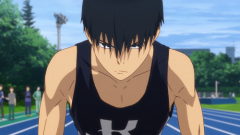
Kaze ga Tsuyoku Fuiteiru Anime Review – 93/100

Recently, sports anime have become a bit of a dying breed. Falling into the same hole as Mecha, aside from a passionate base audience, most are overlooked. There are the occasional hits like Haikyuu, Yuri on Ice, or Darling in the Franxx for Mecha, but those are few and far between, often taking years. Even then, rarely does a series come along that can reach the heights of the old classics such as Hajime no Ippo or One Outs. However, Kaze ga Tsuyoku Fuiteiru, Kaze Fui or Run With the Wind, attempts to do just that. With a phenomenal cast, tight direction and a 5 episode finale that was executed neigh perfectly, Kaze Fui is one of my favorite sports anime in recent years.

So that said, lets jump in!

Continue reading “Kaze ga Tsuyoku Fuiteiru Anime Review – 93/100” →

Spring Season 2019 Preview

HelghastKillzone: The Winter 2019 season of anime was pretty good, wasn’t it? It was filled with great adaptations, amazing animation work, hyped sequels, brand new movie releases from major franchises and the reimagining of old IPs. When it comes to the upcoming spring season though… I fear that it just won’t be as good as these last three months. We’ll give you our thoughts on what interests us but from a curious glance at the numbers from MAL and the PVs shown so far, it is certainly looking thin on hit shows.

Mario: Spring 2019 can also be seen as the season where the three arguably MOST INNOVATIVE auteurs working in anime today are releasing their new works. Shinichiro Watanabe, Masaaki Yuasa, Kunihiko Ikuhara… they all have changed the anime industry in some ways, and it’s unavoidable that their new works will be hyped to the sky.

This also marks the first time where Aidan steps down from editing this preview, so in a way, this is our first real collaborative effort for this type of post. Personally, doing this preview reminds me how much of a pain it is to run through these things. So we offer our gratitude for old man Aidan for giving his opinions on shows that we will eventually forget ever existed. As it stands, I’m not too sure if we will keep this format for upcoming seasons, but rest assured that we, the writers here, will come up with a more suitable format that still benefits you readers.

For this edition Helghast and I are also doing the Movie Preview section. Due to the nature of movie release, many films we preview below won’t be available to us for a good 6-months, or in some cases, a whole year, so this preview serves more as putting these titles into your radar. Keep in mind that this isn’t a comprehensive list (nor do we intend to make one), the list below is merely anime movies that we believe have some merits for you to check out. In the end, a whooping 13 titles are previewed for this season alone, just to say how the anime industry has been more concentrated to theatrical releases more than ever.

Again, sorry for the late post. If you are looking forward to certain shows this upcoming season, make your voice heard by either voting in the two lovely polls below or leaving a comment.

What will you be watching this spring?


The sequels/shorts we don’t care about

Araiya-san! Ore to Aitsu ga Onnayu de!? (softcore short)
Aikatsu Friends! Kagayaki no Jewel (sequel)
B Rappers Street (kiddie)
Bakumatsu: Crisis (sequel)
Beyblade: Burst Gachi (kiddie)
Bungou Stray Dogs 3 (sequel)
Chou Kadou Girl ⅙ (short)
Duel Masters!! (kiddie)
Diamond no Ace: Act II (sequel)
Han-Gyaku-Sei Million Arthur 2 (sequel)
Joshi Kausei (short)
Kedama no Gonjiro (kids)
KING OF PRISM -Shiny Seven Stars- (sequel)
Midara na Ao-chan wa Benkyou ga Dekinai (short)
Nande Koko ni Sensei ga!? (short)
Nobunaga-sensei no Osanazuma (short)
Rilakkuma and Kaoru-san (kiddie)
Senryuu Shoujo (short)
The iDOLM@STER: Cinderella Girls Climax Season (short)
World Witches Series 501: Butai Hasshinshimasu! (short)
Yatogame-chan Kansatsu Nikki (short)
Yousei Chiitan (kiddie)

Series we don’t care about

Bokutachi wa Benkyou ga Dekinai


Studio: Arvo Animation/ Silver
Director: Yoshiaki Iwasaki
Script/Series composer: Gou Zappa
Source: Manga
Yuiga Nariyuki tutors three genius of different subjects in highschool to get a scholarship. Furuhashi Fumino is a genius on literature but horrible in math, Ogata Rizu is a genius on mathematics and science but literature and arts are terrible subjects for her and Takemoto Uruka is a genius in the athletic field but really bad in all the others. Together, they study very hard and want to get better at their worst subjects while Fumino and Ogata wants to go to college and work on these subjects for life.

Aidan: Well for this one let me ask you something. Do you remember Nisekoi? That manga and Shaft anime which had the internet fighting an endless waifu war over a series which was nothing but vapid harem antics that never led anywhere? A series born from a mangaka whose more interesting works like Double Arts got axed and just decided to make the most generic thing he could as a joke that became ridiculously successful? Well this series isn’t really related to that author but let me tell you that this is the new Nisekoi. Oh it starts with some promise of story and is even interesting to a degree. But make no mistake that much like To Love RU and Nisekoi, that story just evaporates and we are left with the harem girl of the week formula where each girl is given a momentary pedestal to give the impression that she’s somehow gonna get this guy only to be brushed aside by next chapter. The endless purgatory continues until the author finally decides to end it or stops getting paychecks. You may find some value in its opening episodes, readers, but take it from someone who read long into the series, this is just a waste of time. Continue reading “Spring Season 2019 Preview” →