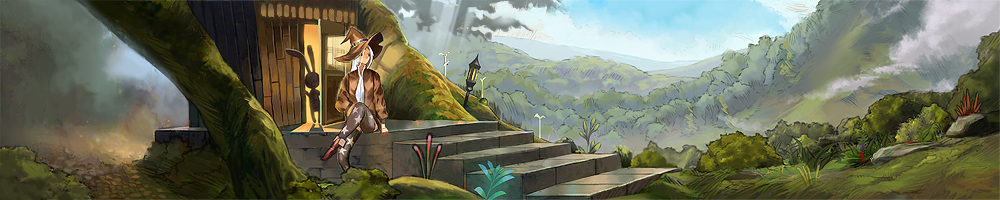
Nijuu Mensou no Musume – 15


Short Synopsis: Chiko now lives away from her aunt, in a mansion along with Tome. Haruka visits her and forms the “Detective Girls”.
Highlights: A rather silly episode…
Overall Enjoyment Value: 8/10
I’ll withhold judgment for the detective girls-arc of this series for now. Seriously, I have no idea what to think of it or what to expect, knowing the rest of this series. I really need to see the next episode to form a valid opinion for this series. The fact remains that this series has had plenty of light moments, which make you fool that this series is just goofing off, while they’re in fact just building up.

In this episode, Haruka and Chiko don’t really go and look for cases, but instead they get visited by a number of burglars. The process of catching these burglars was rather silly, especially since Haruka had act and claim her moment of glory (which involved her and Tome, crashing down some stone stair on a bike), but the few moments where this episode was serious were really good. Akine’s back-story gets completed, and it turns out that he lost his sister back in the war, and Chiko resembles his sister a lot. He also finally leaves Chiko’s aunt (which may have been a bad thing, as she’s probably going to hire someone tougher), and we still don’t know what these burglars were doing inside Chiko’s house. They were not normal burglars, because they still tried to attack Chiko, even after they were found.

Most of the humour in this episode was rather corny, but I do admit that I laughed at Haruka’s fantasies of the glamorous future missions of the Detective Girls (with Chiko as the invincible warrior, Tome as a seductress and herself as the fearless leader). The messy animation during the fight scenes also looked really good, and it surprised me. Bones isn’t really a studio that often experiments with its animation (in fact, I can’t remember having seen any experimental animation from them apart from this series).

Telepathy Shoujo Ran – 07


Short Synopsis: Ran, Rui, Rin and Midori solve the case of the haunted resort building.
Highlights: Dialogue-heavy like no other.
Overall Enjoyment Value: 8/10
Whoa! Since this is a NHK children series, you wouldn’t expect the dialogue to be so hard to understand, but Telepathy Shoujo Ran somehow manages to do it with this episode. Heck, the entire episode was one huge non-stop dialogue, with perhaps one or two seconds at which people weren’t talking. I really must say that for a children’s series, this series is pretty smart.

Okay, so if I understood correctly:
– Inside the resort, one of the guests who were staying with his family was killed.
– The one who killed him is an old classmate of his. The two of them killed (at least, that’s what I suspect, in any case they buried the guy’s dead body) one of their friends when they were young, and were too afraid to admit that what they did was wrong.
– They buried him at the place where the inn is right now.
– After the recent ghost sightings, the culprit wants to buy the inn, in order to get rid of the evidence and rumours.
– The culprit then killed the victim by throwing ice-cold water on him, to cause a heart failure.
– I didn’t quite catch why the victim had to be killed, but I suspect that he had enough of keeping their sin secret and he was planning to notify others of it.

This is why I love these NHK children’s shows. The kiddie series are of course to be avoided, but the series that air here can and will be surprisingly mature for their audience. Tsubasa Chronicle was about the only exception, but take a series as Dennou Coil, which very openly discussed the issues of death and forgetting about the deceased ones. Kaze no Shoujo Emily in its turn was very poetic, and also managed to slip in a number of deaths and mature topics, and Telepathy Shoujo Ran looks about to do the same. There’s of course censorship: the death are never referred to directly, and yet this episode was nothing short of a murder mystery story.

Seriously, I wish that Dutch children’s television was as good as this. I’m not saying that American children animation is bad, but nearly all of the stuff that makes it across the Atlantic IS, and everything is horribly dubbed. I mean, how else are these children going to learn any decent English?

Okay, enough ranting, my point is that I really liked this episode. For a murder mystery, this episode was surprisingly interesting, especially due to the lovable cast of characters, and even the ones that only appeared for one or two episodes are enjoyable to watch. I also liked how this episode combined both fake ghost sightings with real ghosts. That grandfather in bermudas was a nice touch. 😉

Macross Frontier – 17


Short Synopsis: The plot thickens as Ranka’s ability to calm down the Vajra gets more and more important.
Highlights: Ozma gained a lot of depth in this episode.
Overall Enjoyment Value: 8,5/10
Satelight, you disappoint me. With the huge budget of this series, you couldn’t even find a good voice-actress for the seven-year-old Ranka? Joking aside, this episode might very well be my favourite of the entire series. It’s really one of these episodes in which nothing much happens, and yet the plot is pushed forward a lot. It’s very much different from the intermezzos we saw in the first half of this series, which mostly goofed off. The selection of insert songs was also pretty nice to listen at, and complemented their scenes well.

Especially Ozma was awesome, with his brotherly worries about Ranka. Macross Frontier isn’t exactly your manly mecha-series, but this guy provides an appreciated exception to this rule. We now also learn (that, or I noticed this a bit late) that he’s been having an affair with Catherine. Strangely enough, it was also interesting to see Alto act more as a side-character. Interesting how some main characters make great side-characters, and side-characters make great main characters.

Speaking of side-characters, I do have one complaint. In this episode, we learn that Kuran has a crush on Saotome, but it felt really abrupt, which got me thinking about how little airtime she’s actually had in this series. I mean, she’s been really overshadowed by the rest of the cast of Macross Frontier, even though she’s got a pretty interesting character, and there are more people like that on this series. I also feel that Catherine needs more time to be fleshed out, and especially people like Bobby, Lam, Mena and Jeffrey Wilder have been horribly ignored so far.

Space Battleship Yamato Review – 70/100


Coincidence can be a very strange thing… I started watching Space Battleship Yamato, and only five episodes later, this piece of news pops up. I mean, what are the odds of that happening? It doesn’t look like a remake, but more of a new movie, but still, based on the first television series of a franchise that spread three series and countless movies, it’s got its work cut out for it.

Space Battleship Yamato is the classic among classics, and Matsumoto Leiji’s debut into animation. Aired in 1974, after Lupin Sansei and Alps no Shoujo Heidi it was the very first television anime to get any significant popularity and it single-handedly defined the space opera genre for anime for many decades to come. Heck, even Mobile Suit Gundam has borrowed a lot of inspiration from the simple storyline of Space Battleship Yamato (executed much better and more interesting, of course).

After watching this series, I can see why it caught on so much. The story is simple but effective, and the crew of the Yamato is adequately developed in order to prevent the series to get dull after its halfway-point. Topics such as honour, love and manliness often pass the screen when pepole aren’t fighting, and the manliness seems enforced by the downright epic soundtrack. It’s of the kind that keeps sticking to your head like glue, and I wouldn’t be surprised if it ended up being the best soundtrack of the seventies and early eighties.

But of course, this series was developed when anime was in such a young stage, and still needed to mature a lot. For starters, the storyline is incredibly simple: Earth is in danger and Yamato sets out to save it. It’s well told (and the main characters actually don’t get involved with the storyline by accident, and are instead trained officers), but I can’t help but think that it could have used something to spice everything up more. It’s like eating a salad without any dressing whatsoever. Sure, the lettuce is nice and all, but does taste rather plain. The ending does try to spice things up at least a bit with a number of plot-twists, but the problem is that this actually works against them and creates a Disney Ending (seriously, haven’t these people ever heard of checking a person’s heart pulse?!).

Then there’s the ton of technical errors that can be spotted in this series. The director and animators weren’t the most careful, and it’s clear that the production of Yamato was hurried a lot. Sometimes, there are odd leaps in logic (for example, one frame the Yamato is heavily damaged, full of holes, the next it’s magically fixed), the animation can be inconsistent (the bad guys suddenly go Vegeta and change skin-colour in the middle of the series), the animators have clearly trouble to synchronize the characters’ mouths to the voices properly, but the most grating is the huge amount of scientific inaccuracies that would make Gurren Lagann jealous.

Overall, Space Battleship Yamato is an average anime: it doesn’t stand up against most of the better series that we have today, but it’s certainly not bad. The art style has matured in quite an interesting way and you can see the typical manliness of the action scenes from the early days of anime, and today’s anime would definitely be something different if it wasn’t for this series.

Storytelling: 6/10
Characters: 8/10
Production-Values: 6/10
Setting: 8/10

Birdy the Mighty Decode – 05


Short Synopsis: Birdy goes after the terrorists that were behind the explosion of the previous episode.
Highlights: Pretty much pointless story, but very nice art.
Overall Enjoyment Value: 7,5/10
Well, this episode seems to conclude the outer space-arc of Birdy. The villains in this episode weren’t much special, and seemed a bit hastily thrown together. They hardly had any background and just weren’t interesting at all, but for now I’ll just see this arc as a means of giving Birdy her background, and showing a bit of the world where she came from. If that were the case, then the rest of the series had better be significantly better than what was shown here.

One thing that did impress me in this episode was the excellent art. The budget is still nowhere the high levels of the first episode, but I like the amount of imagination that was put into the character-designs and especially the background art. The creators made great use of the fact that the episode was set in an unknown alien environment to make a number of pretty unique art setting.

I think the only really interesting thing about the story in this episode was that it showed how the police-system on Birdy’s planet is pretty much one big mess, where multiple divisions are working on the same case without cooperating with each other. In this episode, Birdy ended up tailing someone who was already been tailed by another guy.

But please, can we finally move to villains who don’t look like some sort of street-punks? The villains in this episode who looked at least a bit attractive turned out to be either spies or betraying their boss. I mean, it’s getting pretty predictable if you can just recognize the real villain, just by the way they’re drawn…

Porfy no Nagai Tabi – 30


Short Synopsis: In Rome, Porfy and Apollo continue to search for Mina, as he meets a poor woman with a similar fate.
Highlights: So! Much! Foreshadowing!
Overall Enjoyment Value: 8,5/10
Now THIS is exactly what I’m talking about! Forget the Sicily-arc or the Maximilian-arc. THIS is exactly what makes me such a fan of Porfy no Nagai Tabi and the World Masterpiece Theatre in general. This episode was so much alike the episode in Les Miserables, where everyone kept missing each other, and you SO want these people to meet each other. It’s the same here. Porfy was INCREDIBLY close to meeting Mina, and yet he missed her in this episode.

The episode starts inside the hotel that Porfy’s staying in, in which he meets a woman in rather old clothes. The inn-keeper is friendly, and offers him some extra food. Porfy then heads into Rome, in search for any trace of Mina; he asks an ice cream salesman, though the guy obviously doesn’t know. He points Porfy towards some sort of square (Uradori, or however you spell it), where often a lot of people come. Meanwhile, the woman we saw introduced earlier steals the bag of an innocent tourist.

She didn’t have much money on her, but there was a valuable-looking pendant among her stuff. A bit later, we see her sell various amounts of things she stole on the street. Porfy meanwhile sees an impressive-looking car, though he realizes that this isn’t the right time to get all giddy over things as cars. Apollo, meanwhile is also looking all around for Mina.

At the Uradori, Porfy eats a bit and then looks around a bit. He then ends up at the stand of a familiar-looking gypsy(!!!) who tells fortunes. She offers him a free fortune, since business that day has been bad. Porfy doesn’t believe it, but he stops to listen to her anyway. The first card she opens is the death-card, signifying death in his past. This intrigues Porfy enough to continue listening to her. Some next cards are the wheel of fortune and the world. The next few cards aren’t shown to neither Porfy nor the audience, strangely enough. Before Porfy can ask why, the woman from earlier meets him, thinking that Porfy’s about to head into some sort of scam, and pulls him away from the fortune stand. Before he leaves, the next card does get revealed: the moon, symbolizing betrayal. Away from Porfy’s sight, the final card that gets opened is the sun, important for later this episode.

A bit later, the woman scolds him a bit for falling for such an obvious scam, as they return to the hotel they’re staying in, and have dinner together. It turns out that the woman has also lost her family in the war. She also grew up in a nice coastal city, just like Porfy, and then offers Porfy more food.

Isabella meanwhile packs up her stuff after a bad day, and then returns home to her hotel room WHERE MINA IS. In the same cafe, her brother (at least, I think it’s her brother, either that or it’s her husband) and father are doing their usual business, and it becomes apparent that her brother/husband doesn’t like Mina one bit, and how he dislikes how Isabella treats Mina like her lost daughter. Her father shrugs it off as normal behaviour for him.

Then, we switch to Mina, as APOLLO LANDS ON HER BALCONY! He’s been searching for her all along, and finally managed to find her, but he gets scared away by a sudden Isabella entering the room. Mina recognizes him, though. It turns out that she had a small fever (which was the same that killed Isabella’s daughter, Lily). Isabella is indeed incredibly kind to Mina as she helps her with her medicine. Her brother/husband then enters the room, and starts arguing with Isabella over Mina. Mina is the one to break them apart, by begging not to argue. Her brother/husband then leaves, saying that Mina’s going to help Isabella get customers the next day.

Meanwhile Apollo FAILS TO GET THROUGH TO PORFY, and can’t convince the guy that he’s seen Mina! The episode ends as Mina’s luring customers for Isabella, AT THE EXACT SAME SPOT AS THE DAY BEFORE, while Porfy’s still searching at other places.

Now this episode showed exactly what this series is best at: lots and lots of building up, foreshadowing, symbolism and subtle references. You want these people to find each other so much, and yet at the same time they continue to just barely miss each other. At the same time, the tarot cards in this episode just spoke book-parts in terms of foreshadowing. The woman (I think Olga was her name) that Porfy meets finally feels a bit interesting again. Not just because she’s like him and lost all her family, but also because it feels much more like the two of them just bumped into each other naturally, compared to the rather questionable Sicily-arc.

The past two arcs of Porfy really lacked what makes the rest of the series so great. There was hardly any building-up, and they just didn’t feel as unified as the rest of this series was. The reason why the first thirteen episodes were so great was that they were vital in establishing the characters, but the Sicily- and Maximilian-arc really slowed down the development. Still, they did serve their purpose, and they were vital in order to keep Porfy busy and get him to Rome. These arcs were really meant for him to straighten out his thoughts and let him catch a bit of breath.

And seriously, what the heck could the creators be planning for the next bloody episode?! I mean, Porfy and Mina are incredibly close to meeting each other, but do the creators really intend to let them meet each other in Rome, or will they continue to play this cat and mouse-game for a bit longer?

Himitsu ~The Revelation~ – 17


Short Synopsis: Two policemen end up murdered.
Highlights: Solid episode, and a bit more background on the MRI-team.
Overall Enjoyment Value: 8/10
Christ, this episode took bloody ages to come out. I finally managed to locate a version of this episode on Share (Perfect Dark didn’t help much either). And if this was the only series, then okay, but the same thing happened for Porfy no Nagai Tabi and Ultraviolet as well. A raw for Porfy appeared with a delay of more than four days, and Ultraviolet’s fifth episode still hasn’t shown up. What happened?

In any case, it again took me a while to figure out what really went on in this episode, but it turns out that this was about a group of three policemen, of which one accidentally shot an innocent criminal. He convinced the two others to keep everything a secret, and he kills the wife of the policeman who was beginning to suspect what he had done, making it seem like an accident. This policeman then out of revenge for his wife starts killing off the three policemen.

It’s ironic, how out of all four policemen, the only one who was really evil and started everything was the only one who lives. He’s going to jail, indeed, but the bastard did drag three others into the own problems he created, in an attempt to get away from his responsibilities.

There was a bit of experimental animation here and there, when a scene changed from one location to the other, there was this neat transition-effect. IT worked pretty well to give a bit of energy to the whole episode. Mahou Shoujotai used a similar technique once, where it also put emphasis on these transitions on purpose, in order to keep the viewer on its toes. The effects are quite interesting.

Mobile Police Patlabor Review – 87,5/100


Time for another classic. If you’re one of those people who has only seen “modern” anime of the past decade, and are interested to see what the medium was like before the arrival of Evangelion, in the seventies and eighties (and perhaps the early nineties), then my top recommendation isn’t Gundam (at least, not until I’ve seen Zeta Gundam), but instead the very charming series of Mobile Police Patlabor.

The biggest reason for this is that while Mobile Suit Gundam caters for a specific audience, Mobile Police Patlabor seems to have something for nearly everyone: only if you need your series to have harems or slice of life (or gory horror, I guess), then you won’t find what you’re looking for. This series has mecha, it’s got drama, comedy, action, and a bit of romance and horror here and there, all packaged together quite neatly into 47 episodes.

It’s one of those very few series that tries to find a realistic use of mechas: in this series, they’re mostly used for construction and the police only use the mecha in order to solve conflicts for when these mechas go out of control. I’m surprised why I haven’t seen any newer mecha-series taking over the same idea, because it makes perfect sense. The main characters also aren’t anyone special: they’re no heroes whatsoever; they’re just a bunch of policemen who are in charge of these mechas. The epic “saving the country”-themes of the movies don’t return at all in the series, and everything is purposefully kept nice and down-to-earth.

But what really sells this series is its lovable cast of characters. Especially Captain Goto is an incredibly likable and unique character, but the rest of the crew also gets enough opportunities to shine throughout the series. The hot-headed Ota may be a strange character, but you’ll get used to him in no time. Noa, the most central character in this series, is quite likely the most stereotypical of the bunch, with her love for mechas (or labors, as they’re called in this series), great driving skills and naive nature, but she does end up being the most fleshed out and developed character of the entire cast, so she makes up for that.

Patlabor is an episodic series: every episode the crew handles a case (or does something other labor-related), where the focus is more on the characters than on the actual action, though the action itself is also very impressive. You won’t see any overpowered god-mode beams in this series, and fights are almost always based on strategies, rather than senseless bashing (although some characters in the series seem to forget this at times ^^;). The interesting thing is that this series joins Ooedo Rocket on the very short list of series whose dramatic climax isn’t at the end of the series. Instead, there’s just one arc in the series that takes up more than two episodes, with interesting villains and a tense atmosphere, and once that arc is done, the series just continues with episodic stories, and the final episodes instead go for some subtle character-development, instead of trying to end the series with a bang (but then again, with three movies and two OVAs, why should it?)

There aren’t much flaws in this series, but I’d love to have seen a bit more about division one (the division that works right next to the division of the main characters). We see hardly anything about them, with the result that the last episode hastily introduces a vital member of the division from out of nowhere, and acts like he’s been there all along. That was rather confusing.

Nevertheless, if you have the time to watch nearly fifty episodes, and have yet to see the Patlabor Movies and the television series, then I recommend going for the television-series first. The movies had their own excellent points, but it’s the series that brought the cast to life, and the movies clearly assumed that the viewer had already seen the television-series. The highlight of this series is definitely its cast of characters: it works great during the more serious moments of the series, but at the same time some the comedy-episodes are absolutely priceless. The comedy isn’t of the in-your-face type, like most slapsticks, but instead it requires proper build-up to work best. Patlabor may be nearly 20 year old, but it’s smart and it still packs a punch.

Storytelling: 9/10
Characters: 9/10
Production-Values: 8/10
Setting: 9/10

July Summary

The summer-season has always been the season of short and varied series, and in 2008, it’s no different. There’s a wide variety of genres in this relatively small season, only horror seems to be missing at first glance. So far, there are a number of potential classics lurking among them.

#30 (new) – Nogizaka Haruka no Himitsu – (4/10) – Sorry, but I have no intention to continue watching this stereotype-filled rubbish.
#29 (new) – Koihime Musou – (6/10) – Nice, but this series is way too silly for me, considering its setting. Dropped.
#28 (new) – World Destruction – (6/10) – I gave this series a chance and watched four episodes. My reward was a bunch of lame uninteresting stories about a bunch of lame uninteresting characters. Heck, I doubt that the world is going to get destroyed at the end of the series anyway. Production IG, you disappoint me. Dropped.
#27 (new) – Yakushiji Ryouko no Kaiki Jikenbo – (6/10) – I’ve mentioned this before: the “I have no life so I’ll just reveal my evil plans to every random person who happens to drop by”-villains were a major letdown for me. This series is too much Yakushiji Ryouko and too little Kaiki Jikenbo. Dropped.
#26 (25) – Allison to Lillia – (6,5/10) – The only reason why I kept going with this series is to check whether the Lillia-part of the story would be worthwhile, but now that that time finally arrived, it’s still filled with predictable storylines, way too obvious foreshadowing and I’ve got no inclination to care about the cast. Wake me up if the final episodes do turn out good, but for now I don’t want to waste my time with this thing anymore. Dropped.
#25 (new) – Sekirei – (7,25/10) – Sekirei is overplaying coincidences too much: the main character accidentally gets knocked over by a Sekirei, they then go and fly and crash into a house with more Sekirei, he goes to work, only to find more Sekirei. What, is the entire city populated by Sekirei or something? In any case, I have to admit, though: it’s nothing special, but the characters are enjoyable to watch for now. Let’s hope that they’re actually going to develop.
#24 (new) – Slayers Revolution – (7,5/10) – After watching four episodes, it’s not like I’m eager to watch the rest of the Slayers-franchise. In fact, Gintama is currently doing everything this series has done so far, and 10 times better.
#23 (21) – Code Geass – Lelouch of the Rebellion – (7,5/10) – Code Geass’s strange overblown combination between brainless action and soap-opera antics continues. It’s enjoyable enough, although I do have to say that I’m really glad that Karen has been captured. It’s been really refreshing to watch all this airtime without her.
#22 (20) – Itazura na Kiss – (7,5/10) – The wedding came in way too fast, but episode sixteen was surprisingly enjoyable when compared to its previous episodes. Please keep this up for the rest of the series!
#21 (19) – Soul Eater – (7,5/10) – Ugh, it’s getting harder and harder for me to gather enthusiasm for this series. Come on, this is Bones! Make something interesting happen!
#20 (new) – Antique Bakery – (7,75/10) – Good to see that there’s finally a series about gay people that isn’t yaoi or yuri, and instead chooses to deal with the topic of how gays feel awkward in today’s society. Shirogumi (who also did Moyashimon) and Nippon Animation form an excellent combination for the Noitamina timeslot, and the cheese is hilarious as well.
#19 (new) – Birdy the Mighty Decode – (7,75/10) – I may have expected a bit too much from this series, considering the director and all. It’s interesting, but nothing amazing yet. I’ll withhold my judgment for now, though.
#18 (new) – Strike Witches – (7,75/10) – I’m not sure what’s going on here: the premise is obviously strange with the pants-less females, and yet it’s a strangely charming series that attempts to unify the European and Japanese cultures.
#17 (new) – Mahou Tsukai ni Taisetsu na Koto ~ Natsu no Sora – (8/10) – I’ve no idea where that fourth episode went, but nevertheless it’s a calming slice-of-life series with a number of very strange plot-twists. (Crashing truck, anyone?)
#16 (11) – Chi’s Sweet Home – (8,25/10) – I’m not sure why I switched to the subs for this series (probably because it was easier to keep up with the huge amounts of episodes), but now that these have stalled, it’s getting a bit lonely without Chi, which is a shame because the subs stopped right at the point where this show became hilarious again.
#15 (6) – Porfy no Nagai Tabi – (8,25/10) – The past month of Porfy no Nagai Tabi has been kind-of weak. The Sicily-arc just didn’t live up to the rest of the series.
#14 (14) – Wagaya no Oinarisama – (8,25/10) – Wagaya no Oinarisama continues its tradition of “it’s not supposed to be good, and yet it is”. There’s nothing much else to say, really.
#13 (new) – Mission-E – (8,25/10) – Doesn’t try to be the best, but nevertheless it’s a very enjoyable and fun series that doesn’t deserve the negligence it’s getting right now.
#12 (new) – Ultraviolet: Code 044 – (8,25/10) – The movie may have sucked beyond belief, but the anime manages to fix its mistake by putting a good emphasis on characterizations. The atmosphere is dark, and the fact that there haven’t been any fillers yet whatsoever is also a large plus.
#11 (12) – Blassreiter – (8,5/10) – Well, it seems that the creators had no intention to be less dramatic for the second half, but make no mistake: the action is getting quite good right now, with the characters developing and all. All the prejudices of this show being typical Gonzo-crap are unfounded, and Blassreiter has unfolded into an engaging series now that the teenaged emo is gone.

#10 (15) – Gintama – (8,5/10)

Gintama has been particularly funny this month, and especially episode 67 cracked me up, with its rather wrong parody of the “romantic interest walking in on an embarrassing situation”-trope that you usually find in harem series.

#9 (16) – Macross Frontier – (8,5/10)

Okay, it’s been a long wait, but the plot is finally catching up speed for the finale of Macross Frontier. Characters are starting to get developed, good, good.

#8 (new) – Bonen no Xamdou – (8,5/10)

Shows the beginnings of a classic. It’s done everything right so far: detailed animation, and storytelling, an addictive pacing, an interesting world. I’m very curious to see where the creators plan to go with this series.

#7 (new) – Blade of the Immortal – (8,5/10)

Yes, I’m biased, but I don’t care! This series rocks! The soundtrack is excellent in my opinion, and the first two episodes showed the typical style of Beetrain-storytelling.

#6 (17) – Telepathy Shoujo Ran – (8,5/10)

You know, the more I watch this series, the more I like its adorable cast of characters. Sure, it may have its flaws, but Midori makes up for all of them.

#5 (new) – Natsume Yuujin-Chou – (8,75/10)

A really peaceful summer-like atmosphere and engaging stories to keep the viewer busy. My favourite of the summer season so far.

#4 (2) – Himitsu ~ The Revelation – (8,75/10)

The past few episodes of Himitsu have been either excellent or missed the mark. The series may have its lesser stories, but the good ones really make up for it.

#3 (10) – Nijuu Mensou no Musume – (9,25/10)

July has been a sensational month for Nijuu Mensou no Musume, with just about everything in this series hitting new heights. Whether this series can keep up the same quality for the rest of the episodes remains to wonder, but I’d love to find out.

#2 (8) – RD Sennou Chousashitsu – (9,25/10)

I’m trying to find a good way to describe the past few episodes of RD, but I can’t. Instead, I’ll just vaguely summarize it with one word: unique.

#1 (1) – Kaiba – (9,5/10)

My three favourite 12 or 13-episode series are without a doubt Haibane Renmei, Hi no Tori and Kaiba. I’m not quite sure in what order they go, but one thing is clear: Kaiba has been an amazing ride, from start to finish.

Bonen no Xamdou – 03


Short Synopsis: Obligatory “I’m not going to cooperate with you”-episode.
Highlights: This was an obvious building-up episode, so nothing much stood out.
Overall Enjoyment Value: 7,5/10
Well, it had to happen sometimes. You can see this type of episode in many different series, where the main character, as stubborn as he is, yells at everyone in his new environment and wants to go home. It’s not the most exciting episode, but it is essential for proper build-up and character-building, which is why it’s used so often.

This episode did make use of its 20 minutes by giving a proper introduction to the crew of the postal service ship. It still remains a mystery why Nakiami is on board, or why they involve themselves with these huge battles, but at least the most important crewmembers were fleshed out. Meanwhile, at the camp of the antagonists, the major villain (or at least someone who looks like one) turns out to be some kind of war hero, who survived a huge war, 17 years ago. Their role in this story still seems a mystery, though.

What intrigues me is the high amount of attention to Akiyuki’s friends, who he left behind. If Akiyuki really is going to work for a postal ship, then that means that he’s not going to see them again, and yet they’re really well-fleshed out characters. What could the creators have in mind for them? Don’t tell me that that girl is going to follow the airship when she receives the letter that’s about to be sent to Akiyuki’s parents?