Kino’s Journey -The Beautiful World Anime Review – 73/100

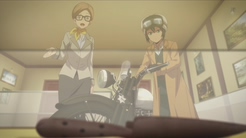
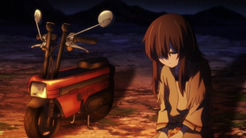
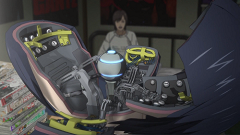
One of the surprises of the year was to see the return of Kino’s Journey, a very well regarded and more unique anime among those deemed classic. Many, myself included, were very much looking forward to the return of Kino and her talking Motorrad. Though due to some factors this series doesn’t quite live up to the pedigree of its former season. One factor is that it is somewhat a mix of a remake and a sequel as some old stories from the original 2003 series are remade while other new stories make an appearance. Those fond of kIno for it’s morally ambiguous parables will find the new series to be less focused on that and more on lighthearted little tales with Kino and other protagonists. There are of course dark moments but overall this series has more of an optimistic tone when compared to the previous seasons nihilistic outlook. This could be quite a turn off for old fans but there are indeed still good stories here.

However the choice of stories and their structure in the series doesn’t appear to have been thought out well as stories appear to be chosen based more on Kino and other fan favorites getting the spotlight rather than meaningful allegories on life. Quite a pity as there are well over 200 stories and yet the ones featured here appear to be the weaker ones of a long running series. Stories are placed one after another haphazardly without considering the tone or overall structure. For example, two of the remake episodes are A Kind Land and the Country of Adults. A kind land was the previous seasons finale but is placed in the middle of the series and is followed by Kino’s Origin which would have been more beneficial to place before A Kind Land. On top of which this season decides to finish on what amounts to a joke episode which again is a odd decision that seems to misunderstand the very intent of Kino’s story. Nonetheless there are some standout stories such as the Country of Lies and In the clouds.

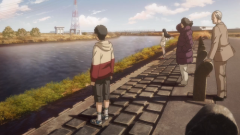
That said while we have a B-class selection of stories, the presentation at least does them justice. Aside from some rather awkward CGI, this season of Kino is a visual improvement over its predecessors intentional but rather dated look. I didn’t notice anything noteworthy music wise and the opening is just alright. Characters can act a bit over the top and unrealistic, which is different from the original series more monotone delivery but that can result in some more emotional moments hitting harder. As such if a another season was made with better story selection I believe it could very well match the original. Though sadly this may be the last we see of Kino for a very long time. To sum things up, this series doesn’t hold a candle to the original but it’s still a worthwhile watch.

Girls’ Last Tour (Fall 2017) Review – 86/100

Girls’ Last Tour falls within my favorite new trend that emerging the anime medium over the last decade: a dark moe anime. Set in a post-apocalyptic world where the human race has almost extinct, our two girls wandering around the world in their kettenkrad looking for food and shelter. If it sounds a bit bleak and minimalism, rest assured that Girls’ Last Tour is at its heart a slice-of-life show about those girls having relaxing time in that world. And did I mention that those girls are real moeblobs? Their faces can go rounder and squishy, but strangely they never feel out of sync with the more realistic industrial setting. The show could be entertaining and soothing enough with just those factors, but it has more tricks under its sleeves. More often than not, Girls’ Last Tour addresses some simple philosophical issues that provides another perspective since the girls have no idea how normal society works. Moreover, while I consider the source material an already solid manga, the anime adaptation enhances this show further with a consistent visual audio production and great attention to details. It’s a beautiful and solid production all around.

I always consider a certain show a great piece of art when they know how to fuse seamlessly between two seemingly contrasting or opposite factors, because then the show can produce some unique chemistry, while at the same time balancing these extremes out – just like how yin and yang work in general. Girls’ Last Tour certainly is amongst this group. Take how the cutey designs of the girls both contrast and complement to the vast wasteland on the verge of totally destroyed. Or how despite the low-key depression of hopelessness that linger to wherever the girls go, the main theme is about how our girls find their little joy and keep moving on. I also want to stress on the small number of the living beings in contrast to the huge remains of weapons and dysfunctional machines. This show is one of the most minimalistic cast I’ve seen in anime medium, with only our two girls Chi and Yuu command the screen most of the time, and the number of people and animals they encounter along the way can be counted in two hands. For other shows it’s a recipe for disaster but in Girls’ Last Tour the girls never stay out their welcome in spite of (and I could argue because of) the vast world of nothingness. The last episode when the stream of many people appear on screen before the destruction, as a result, bring a powerful, overwhelming emotion to the table. This mastery in controlling over the general tone makes this show so relatable, sharp and grounded, despite the show is at its core a moe girls show.

Chi and Yuu make a great pair with their contrasting (again!) personality. Their chemistry is natural and sometimes the show explores the different mindset between Chi-chan who is academic but timid and Yuu who just like eating but quick to adapt. In one sequence for an instance, when arguing about the signs that give them directions to the destination, Chi argues that who would ignore signs that would help them to the destination, in which Yuu responses that it’ll be boring that way. Their difference in the way they approach life complement each other and bring the best out of each of them. Their bond and fondness to each other, in addition, is highlight through the completely comfortable in their close physicality and in the last episode that bond is further developed into satisfying payoff.

The worldbuilding of this series is another highlight, too. We get a hint of how the world come into destruction several times before, but it never at once come into a forefront. The city is displayed as an industrial, vast with multiple layers that the higher the level, the more advance the technology. Ancient people in that world had an advance in technology that now become long lost. Our girls travel that world without a proper knowledge about the remaining technology, and to a greater degree have absolutely no knowledge about how society works and many several topics regarding society like religion, war, home and death. These philosophical questions often pop up randomly, but they all serve the purpose of seeking a bit deeper about our own existence, our purpose in life and even what lifeform is itself. Ultimately, the answer to these questions are just as simple: the best way to die is to keep on living and enjoy little happiness in life.

While comparing the manga to this anime adaptation, I noticed in the manga, the sense of hopelessness is more apparent, thus make it a fair bit darker than the anime version. That’s not a jab against the anime at all, as I consider the production of Girls’ Last Tour a nearly flawless work. The shots are greatly composed, they know when to use natural sounds and when to let the score kicks in. The background art is always appropriate and striking. The direction, the editing make the show as natural as possible, and believe me it’s a goddamn hard job to pull. Girls’ Last Tour is just down right cinematic most of its time. Moreover, the voice acting work for the two girls are exceptional. Bravo White Fox for this wonderful adaptation where I can feel their love and their passion run right through every minute of the run.

While Girls’ Last Tour might provide no definitive ending to the girls’ last tour and sometimes might feel like nothing is really at stakes, I am myself surprise the whole trip never feel boring or repetitive, and Chi and Yuu’s chemistry is strong enough to carry the show. Depressing and comforting at the same time, Girls’ Last Tour is a rare show that produce its unique charms and distinctive tones, while always maintain its feet firmly on the ground. It’s the best of its slice of life dark moe genre and I certainly miss those girls and their kettenrad.

The Night is Short, Walk On Girl (2017) Movie Review – 92.5/100

“How many decades have passed since our drinking contest?”
“It hasn’t been that long. It was only a few hours ago, this very night!”
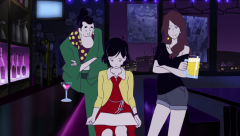
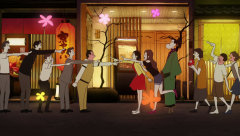
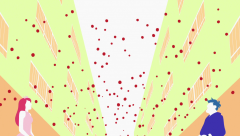
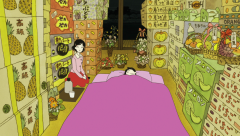
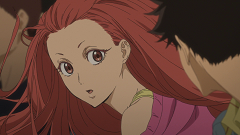
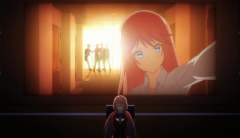
That gap in time perceiving plays a significant role in Night is Short. For you see, it all depends on how our perception of the surroundings and time itself can affect our lives. In Night is Short, time runs much slower for those who enjoy life and speed itself up for those who afraid to live. Come our main protagonist, a “black-haired maiden”, an unnamed red-dress girl who keeps walking on, enjoys the night and let life lead her way. She runs through a seemingly endless night and encounters many absurd events: the wedding, the drinking contest, the bookfair, the guerrilla stage theatre and the massive cold outbreak and many random plot threads crammed in together. As a narrative line, like its protagonist, Night is Short’s never content to stay in one place for too long. It’s decided messy, full of random events with colorful, exxergarate cast and very loose animation. It wouldn’t be too far-fetched to consider Night is Short as a spiritual concessor of The Tatami Galaxy, so those who already love the 2010 series will have a lot to enjoy here.

One factor you should expect, and I rather consider this as the film’s most detriment factor, is that it share the same spirits with the Tatami Galaxy. Written by the same author Tomihiko Morimi (which I happened a big fan of), and the distinctive visionary of Masaaki Yuasa (which arguably the best working anime director right now), Night is Short shares the same visual style, happens in the same universe, has the same simple character designs and even uses many of the show’s previous casts. The familiar in the look, the settings and the tone make it hard not to consider them as a companion piece, or a little brother of The Tatami Galaxy. Thankfully, Night is Short does just about enough to stand out on its own. Even without the knowledge of Morimi’s previous novels (the Tatami Galaxy, the Eccentric Family), you will able to enjoy the ride since those references never distract the flow of this hectic adventure.

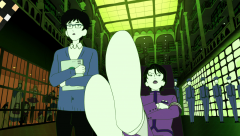
As you can probably guess from the works of Morimi, this magical-realism Kyoto settings never fails to bring wonders and enjoyment. Every single setting, from the interior night bar, to the night book fair, to the river at night, have a warm, distinct feel to it that make it brimming with so much life. The magical-realism feel not only limited to the remarkable settings, however, but to the whimsy, over the top characters with exaggerated movements and the randomness, directioness of all the events crammed in together. If I have a word for it, it would be “randomness in a structured way”. Interior places that seem much bigger than their external appearances, time that is warped to be much longer than it is supposed to be. Characters who self-proclaimed as the god of whatever childish thing they can think of. Various mysterious folktales about their own cultural products. Night is Short is proud and obsessed of its own magical world, and be pretty happy to flood us with those details like a mother can’t stop praising about her child.

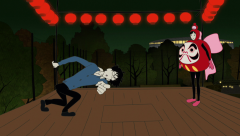
The animation of Night is Short, as pretty much expected from the legendary Yuasa, is distinctive and expressive. His loose animation style allows characters to be very lively with smooth animation to boost. While some might argue his style can be too much to take in, and it is certainly the case here, it fits the narrative well with a clear direction (I would argue EVERY decision he made has its merits), couple with nice shot-compositions, overwhelming use of color, and breathtaking cinematography make Night is Short a top-notch, albeit a bit for acquainted taste, production of the year. Most of the movie’s charm is hidden in visual language, as Yuasa plays around, experiments visual metaphors and symbolism in large amount of scenes. One certain visual thread that caught me completely off guard, for example, is the stage musical act. Great music aside, the various plays are displayed with a strong and keen direction that furthers blown me away on how confident Yuasa approached those scenes.

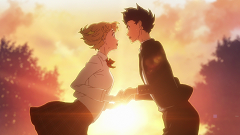
The characters, in addition, make up the most out of their screen time and they are certainly the biggest strength of Night is Short. We have 10 plus characters all running around at all times, but each of them is memorable and full-of-live, and the way they keep bumping into each other make a nice chemistry across the board. Most of them are absurd and weird, but they feel like they live in the picture, have their own hearts and run wild free all for themselves and many of them are surprisingly deeper than they initially appeared at first. But by spending too much time to flesh out such a large cast, the main protagonists, namely the Black-haired maiden and the unnamed male lead have little time to develop as much as they could. I can totally get behind the maiden since she’s the spirit of the film, but the same can’t be said to the male lead as I don’t think he deserve the attention Night is Short clearly intent him to be.

In fact, like Tatami Galaxy, viewers can find themselves overwhelming most of the time. Overwhelming by the rapid-fire dialogues, overwhelming by the hectic random adventures, overwhelming by crazy animation that keep pushing the boundary, overwhelming by excessive characters that too weird and absurd to sometimes take them seriously. But all that overwhelming feeling is the point of Night is Short. The movie is an examination of pulling out the maximum of our lives, in the spirit of our black hair maiden. The seemingly random events, the coincidental meetings with new people all point to the theme that all these things might be tied by the famous red string of fate.

All in all, Night is Short is an extraordinary mess of an experience. It’s a movie that I know I will enjoy multiple times because I love absolutely everything about it: its world, its characters, its tones, its central messages. Think of the movie as a companion piece to Tatami Galaxy (instead of comparing them together). Every single second is filled with passion and attention to details, as a result it has undeniable charms and unique imagination. Night is Short is ultimately a celebration of life, living life to the fullest. Let the night continues on forever, girl.
Ballroom e Youkoso Review – 65/100

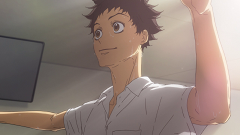
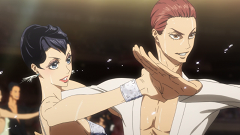
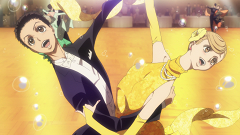
In the weeks leading up to the summer 2017 season, Ballroom e Youkoso was one of the most buzzed-about new series. Produced by the Production I.G. team responsible for the smash hit Haikyuu!!, and set to air on Amazon’s brand new Anime Strike service, the series had no shortage of promotion or hype behind it. All that remained was for the creative staff to carefully transfer Takeuchi Tomo’s manga to the small screen, and they mostly succeeded – at least, in conveying its individual images and moments. But sports anime have evolved beyond an upper limit of simple panel-by-panel adaptations, and in the end, Ballroom didn’t manage to keep pace with its contemporaries. While its characters deserve some praise, both for their designs and their personalities, the series is limited by shounen clichés, haphazard progression, and an inadequate sense of movement during dance competitions.

The show’s lead character is one Fujita Tatara, whose general listlessness is gradually transformed into passion after he accidentally discovers ballroom dance. Tatara’s timid nature stands in stark contrast to the more dominant personalities he encounters throughout the series, and the show makes good use of that difference to portray Tatara’s personal growth in tandem with his improvement as a dancer. Though he is initially intimidated by rival characters both aloof and hotheaded, he learns from and ultimately befriends them as the series goes along. His relationships with three girls, all of whom serve as his dancing partner for some length of time, are even more central to Ballroom’s formula. Tatara struggles with the traditional notion of male-dominated performances, and aims to cooperate with his partners as best he can. There might have been some interesting social commentary to be had here, but the show smothered that potential during its second half by pushing the idea that its protagonist ought to become a perfect leader, but never satisfactorily explaining what that meant or how to do it.

Despite some muddled goal-setting, Ballroom’s characters are fun to spend time with, and worth learning about in detail. The show frequently explores performance anxiety, feelings of inferiority and stagnation, and even digs into the dark personal lives of its cast once or twice. But more common than these positive tendencies are competition-interrupting flashbacks and clunky comments from nameless observers, which become more common and more frustrating the longer the show goes on. Even Tatara’s biggest rival, an unflappable genius by the name of Hyodo Kiyoharu, begins seeing into the heads of other dancers by the show’s end, describing exactly what they’re feeling and perfectly evaluating their performances as a stand-in for the writers. This may have been necessary, however, in light of the show’s most glaring issue – for a show about ballroom dance, there isn’t nearly enough dancing to be found.
Many of the show’s problems intensify in its second half, but its poor dance animation is more noticeable in the early episodes. Even with an eventual uptick in the number of prolonged choreographed sequences, however, the damage is done at the start, with plenty of panning stills, reaction shots, CG dancers, and speed lines instead of honest-to-goodness dancing. Audience members aren’t given a proper introduction to the sport in motion, so we have to fall back on snippets of verbal speculation about whose stamina is giving out, or whether Tatara has finally learned how to execute a proper hold. This robs several key scenes of the impact they deserve, though others are bolstered by Ballroom’s frequent use of visual metaphor during competitions. If you cut your teeth on sports anime from the 90’s or early 2000’s, these techniques may not be too bothersome, but fans of newer titles in the genre may find the lack of dynamic movement disappointing.

This aspect of the show does improve as the series draws to a close, but there’s a trade-off to be made. Several characters are marginalized to make room for a brash newcomer, and her transition from manga to anime is less than seamless. The series also succumbs to a shounen tradition with which most anime fans will be quite familiar, though for the sake of potential viewers I won’t get too specific. Still, Ballroom ends well, and my original affection for the show did return for the final episode, so there’s reason to hang in there if you’re already halfway done. There’s little hope for a season 2, based on the lack of remaining source material, but if you’re reading this in the future and a sequel has emerged, you may be wondering whether the original is worth your time. My advice: if you’re a fan of sports anime, sample three episodes and see how you like it. Otherwise, give this one a pass.

Inuyashiki Review – 65/100

Do you know what the average age of an anime protagonist is? Neither do I, but I’d wager its in the upper teens. For obvious reasons, most anime focus on high school and have high school aged protagonists with similarly aged problems. Its not often that we get a good older main character, who has to deal with more adult issues such as MonsterGreat Teacher Onizuka and Rakugo. Well, this season we can add another to this list. Even with its faults, Inuyashiki‘s characters remain strong and worth watching just for them.

Lets jump in!

To start, a quick synopsis. Inuyashiki focuses on well, Inuyashiki, a middle aged salaryman who feels useless and unloved by his family. One night, he heads to the park where he and a young man named Hiro Shishigami end up in an extra terrestrial hit and run. To cover their tracks the aliens rebuild them as cyborgs! These new bodies destroy their sense of humanity, and in the ensuing weeks the two must rediscover what it means to be human! Watch as their ideals clash and Japan pays the price! Onto the review!
Continue reading “Inuyashiki Review – 65/100”

Juuni Taisen (Fall 2017) Review – 72/100

With a battle royale concept about 12 Chinese Zodiac warriors fighting against each other for a grand wish and penned by Nisio Isin, Junni Taisen had a lot of high expectation from the anime fandom. We’re pretty much guaranteed to have colorful larger-than-life characters, creative killings, cool lines and exciting battle sequences. The involvement of Nisio suggested that the show might be a tad bit talkier, focus more on characters instead of the overall battle and it could be a deconstruction to the battle royale premise. Well, in the end, Juuni Taisen isn’t what you expect it would be, but not for good reasons. What we have instead is a half-baked story that never quite spend enough time for its cast, a plot that has too much flashback and too little present plot-progress and a production that falls apart like a mutilated zombie.

In order to understand how Juuni Taisen structured the way it was, it’s best to look into their own backstory. Juuni Taisen is an adaptation of a Light Novel that served as a prequel to an one-shot manga about granting one’s wish (my thanks to the commenter who pointed it out), as a result, with the winner pretty much known and the basic groundwork about the Zodiac Wars already established, Nisio decided to narrate the Zodiac War in the reserve-order of the Zodiac signs, as well as its death order. Which comes to straight to the first issue of Juuni Taisen, it becomes predictable that kill half the fun of the battle royale concept. “Predictable” isn’t the same as bad, I must add. But my issues lie in the fact that this tournament doesn’t need to be predictable. Unless you have a sound reason to kill the Zodiac Warriors in that order (which the show doesn’t), it makes no sense whatsoever to rely on such arrangement.

Which also comes to my second point, if viewers come to Juuni Taisen expect a spectacular, brainless action show, they will bound to be disappointed. The fight sequences are decided short and anticlimactic. The pacing doesn’t flow very well because sometimes it spends too much time on flashbacks. There is a significant chunk in the middle part where the present-day moves so little it adds nothing to advance the plot. The huge amount of flashback, its talky nature and the decision to focus on one character per episode mean that Juuni Taisen is more a character-driven piece than action-oriented.

In fact, memorable and colorful characters are Juuni Taisen’s greatest assets. They are not particular deep but they all stand out in their own ways and fit to the narrative of this show like a glove. At its best, Juuni Taisen can develop characters with heart and soul, characters who we can identify and root for. The female cast, in particular, all are developed just about enough for us to care and still want more from them. Chicken, Monkey and Tiger’s stories all have their tragic side that make them utterly relatable. At its worst, Juuni Taisen can ponder too long to the flashbacks that halt the story progression, and worse add next to nothing on what we already know about the characters (hello Snake and Dragon) or too short that we don’t have time to learn more about them (Horse’s flashback is entirely about him trying to enhance his physical body. Dog’s flashback, likewise, is all about his strategy). In the last episode when the show spends some more time to flesh out the entire cast by having Rat asked them about their wishes, it hits home again because those characters are vibrant enough to lighten up the show.

Judging Juuni Taisen in a story department, in the end I consider this story branch fairy weak and uninteresting. Since this is a story about Rat as a protagonist it comes as a given, but I would love to see the retake of other possibilities as I still believe many characters still aren’t developed to their full potential. Not only the characters, but the settings and the implication that powerful people use the Zodiac War as a real-world proxy war are under-explored. For example, the tournaments that occur every 12 years sound nice in concept but inadequate in practice, because it suggests that the tournaments only happen in one animal sign only. Running through the series I still don’t know for sure how popular the Zodiac War is to the common people. If this War is supposed to be a Warrior’s pride then the show fails to develop it properly too.

Aside from the plot progress of the current tournament, the Warriors’ flashbacks usually fall neatly into 2 extreme settings: their mundane normal lives (Monkey, Sheep, Tiger, Rat) as a way to show those Warriors as normal people, and the battlefield (Boar, Chicken, Sheep, Horse, the twins, Tiger, Bull) where it serves to underline our characters as Warriors. Juuni Taisen seems to have a cynical attitude towards the war. War does affect badly to some of our warriors, and the violence of war is sudden and cruel, but that’s the world they live in so they have to accept and make the most out of it. You see, its central message isn’t really profound, or plausible, but I suggest don’t delve too deep into that because Juuni Taisen doesn’t seriously care about it either. All the show cares is to displaying those characters with different viewpoints and attitudes about war and the violence it brings.

Graphinica studio is mostly known as a CG anime studio, and with Juuni Taisen as their first full hand drawn project, it does hint us something about the production values of this show. For the first few episodes, the production was solid with some dynamic fight sequences, but as the show goes on it starts to fall apart with off-model characters, clunky animation and overall unattractive aesthetic. The character designs, on the other spectrum, is so outrageously ridiculous and over the top they stand out as one of the most memorable feature in the series. I would never forget a character with stripper suit, a bunny tail and a high heel. As a whole, Juuni Taisen is decidedly not an action campy show it allures people to be, and that’s not often for its benefits. But still, I would recommend Juuni Taisen to other viewers, since it can provide many deliciously striking sequences, memorable dialogues with its memorable cast. You will have a delicious – if a bit uneven – time, just don’t expect a full-blown action show or a solid show with deep message.

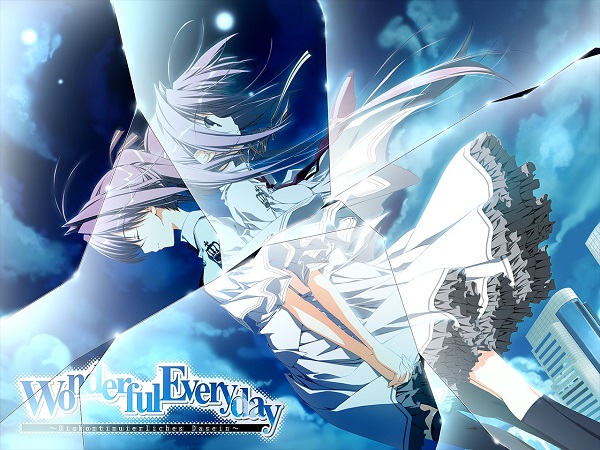
Wonderful Everyday(Subarashiki Hibi) ~Diskontinuierliches Dasein~ Visual Novel Review – 84/100

This may be one of the most difficult reviews I have ever had to write as Wonderful Everyday, which I will refer to from this point forward by its abbreviation SubaHibi, is a story that very much depends on the viewer not being prepared for it. Now I have been looking forward to this game quite a bit, as word online was that it is a visual novel unlike most and delves into some rather dark themes. I backed the Kickstarter and was waiting adamantly for the the release with hope that this could be a title to add to my all time favorites. In retrospect it was the wrong way to approach this story as many overhyped the game and failed to remark on it’s rather large shortcomings. You can buy this game currently on steam but if you do so please do remember to apply a free patch to the game. The reason this is critical is that only the first chapter of the game has been put on Steam and to access the remaining six chapters this patch must be applied. The reason for this is mainly to get around Steam’s rather odd stance against pornographic content and making SubaHibi an All Ages game(Aka, removing the sex scenes) is impossible due to their importance to the story.

A question you are likely asking is what is SubaHIbi about? Answering that question for any other story would be an easy matter but here I must mind my words as I could very well spoil what may be the best part about this story. For you see SubiHibi takes an odd approach to storytelling in that the game is split up into seven chapters. Each which features a different unreliable narrator going through the strange events that took place during a two week period. The goal of SubaHibi is to take these different perspectives on the same events and piece together just what exactly happened and what caused it. As such this visual novel does not follow the standard model of having routes based on which heroine is chosen but instead follows a mostly linear route that has some small side endings. As a fan of murder mysteries I love this approach of taking stories told from different perspectives to piece together an overall narrative and was quite engaged by it. However the first chapter acts as a poor introduction to this story as it is mainly preoccupied with trying to convince you that SubaHIbi is a dime a dozen Yuri visual novel. Walking in with high expectations and reading what is equal to a fairly trashy waste of time is likely to turn many off before they get to the real story. You can argue that the first chapter holds symbolic merit upon completing the story but well you only would see that if you make it to the end of the visual novel.
Continue reading “Wonderful Everyday(Subarashiki Hibi) ~Diskontinuierliches Dasein~ Visual Novel Review – 84/100”

The Reflection Review – 32/100

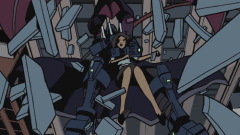
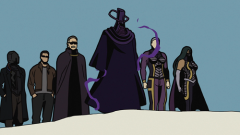
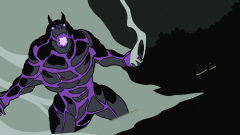
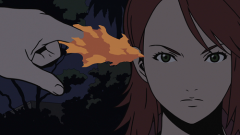
The superhero genre has been undergoing a surge in popularity in recent years. From the Marvel movies in the West to anime series like My Hero Academia in the East, super heroes are everywhere.  As such, for good or ill, it was inevitable that we would get a merging of the two. The Reflection is one such result of this union. The Reflection tries to do a lot, succeeding on some and failing terribly at others. The end result is a an inconsistent mess of seemingly stitched together episodes and story moments.

Lets jump in.

Continue reading “The Reflection Review – 32/100”

Made in Abyss Review – 91/100

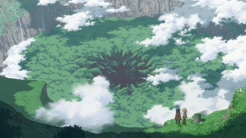
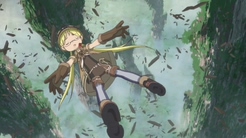
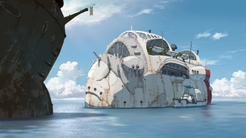
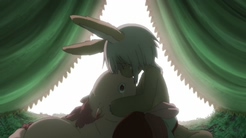
There are few series which can capture the mystery and wonder of a fantasy world as well as Made in Abyss. Their world is dangerous, brutal and unforgiving but beautiful, wondrous and exciting in it’s presentation. The story is of a ordinary girl called Riko and a mysterious cyborg boy called Regu traveling down the levels of a massive chasm called the abyss. With each level they encounter new people and monsters alike as they work together to survive the darwinian nature of the chasms ecosystem. The story boosts some of the finest presentation of the anime of the year alongside a gripping tale that never lets go till its conclusion. The characters are memorable though which each level brings a new cast to the forefront. Ozen and Nanochi are the strongest out the cast. But the dynamic between Riko’s optimistic easygoing attitude and Regu’s more negative questioning nature works well in exploring the morality and dangers of this world. The shows strongest aspect is the world building and atmosphere of the setting. Accentuated by the visuals the Abyss is truly a marvel of nature that makes for a fantastic backdrop.

The pacing may be a bit slow for some but I see no way to make it faster and the character designs may look kiddy and lighthearted but Made in Abyss holds darker themes. When it goes for the emotional gut punch it is often heavy and effective. It doesn’t shy away from the uglier side of nature and exploring as well as the dark parts of it’s history. Aside from one or two rare moments the animation in this show is excellent and the backgrounds are beautiful landscapes giving even the best artists in the industry a run for their money. Which isn’t all that surprising when you consider that a former Ghibli background artist worked on the series. The music is equally excellent with standouts like the series ending theme Tomorrow and Hanezeve Caradhina. Tomorrow being a personal favorite for how it closes out the series with melancholy nostalgia and wonder.

Sadly at the point of writing this review this is the only season of the series and the final episode does leave many loose ends behind. This season can be seen as a prologue of things to come and it’s lack of conclusion hurts the series as a whole. The pacing takes it’s time and because of it’s single cour length people could feel that the story didn’t truly get started. At the moment chances of a second season look promising but in the anime industry there are no guarantees. As such people could be left wanting more by the time the final credits roll which is something that could be considering a positive as this is basically an advertisement for the manga but I need to knock off points as this story works some much better as an animated product that I doubt the manga could match it’s level of presentation. Nonetheless what is present here is more than worth checking it out as it still has powerful moments, atmosphere and world building second to none. I have no doubt that this series will be seen as one of the best anime of 2017 in future years to come.

Classroom of the Elite (Summer 2017) Review – 54/100

Here’s a perfect example of a Light Novel adaptation schlock that has some interesting concept but terrible presentation. Youkoso usually starts the episode with a thought-provoking philosophical quote, and then (in one episode in particular) they followed up with a boob shot. It sums up exactly how I feel about this show. In service for some few good twists, Youkoso sacrifices too many things: the new rules that only pop up in convenient of the plot, the character developments (aside from Ayanokouji) that somehow become lesser and more one-note than they first appeared, the pacing which is slow and dull at times and finally, the questionable alteration regarding the source material from Lerche. All that and I even put aside some silly plot threads like the class spending 10 minutes arguing whether or not they should purchase a portable toilet (which will never address again, mind you), or another 10 minutes bickering about the panty thief (dear boys and girls, do you realize it’s just a piece of cloth?). I will address each and every issue down below so readers, fasten your seatbelt for a wide ride now.

The first issue of Yousoko is how the show conveniently bend the rules they themselves established in the service of advancing the plot. For all the complaints, the very concept of Youkoso: the point system where points can buy everything, and the classes are sorted based by certain merits, not solely academic ability and the classes fight each other to move up rank are something I can get behind. There are many implications on how to buy points for the class’s own advantages (even to the point of buy off the exam’s points); but in the end of the day, I still struggle to know how the hell they can get more points in normal circumstances? The rules are so vague and only in a convenient time they add new conditions that we never heard before. For example, apparently everyone can track other students using GPS on the school-provided phone if they know their number? That bit never explained before and up until Sakura nearly get raped that… voilà. Hero saves the day using the GPS!! Then the security camera is supposed to be everywhere, but then in the most crucial incident there were none around. The same thing happens in the Island arc as Youkoso added some new conditions that change the game completely. For example, “The class that have leader identified will lose all the bonus points”. Suddenly Survival of the Fittest test become Finding the Leaders test because all that matters in the end is guessing the right Leaders and avoid being guessed by other classes.

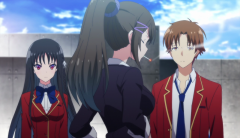
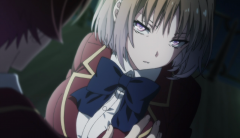
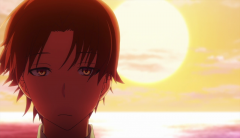
The cast of Youkoso never behave like real people, and most of them are neither relatable or even likable. In addition to their ridiculous character designs, most of the time they’re lousy, over the top (Tarzan anyone? Or Sparkling Nerriot dude) that it’s hard to take them seriously. Ayanokouji, however, hold his ground firmly and it’s fun to guess what he’s scheming to support his class or even what exactly is inside his head. The other members of class-D, especially the girls, have rather shallow developments that somehow end up being one-note. Sakura, for example, after her involvement with class-C – class-D dispute, just hanging around and have no real role (also, the way she’s treated in that arc was terrible). The same can be said for Kushida who kind of disappear in the last arc. Most terrible treatment is Horikita, from independent no-nonsense girl become a vulnerable girl with brother complex to become a weak girl who says mean things that end up being used by both sides – the enemy and her own side. The main cast, consist of Ayanokouji, Horikita and Kushida had some chemistry in the beginning that reminded me of the cast in SNAFU, but that chemistry soon vanishes into thin air that it feels like they don’t live together in the same universe.

The uneven pacing is another glaring issue that relevant from the very first episode. It takes too long for Youkoso to get into the main hook, and then drags out again until the final twist. The first arc had that issues, but most glaringly was the Island arc where Youkoso stayed too long on the luxury cruise, expanded its theme on the first day then wasted the 4 whole days for almost nothing. In addition, the fan-service is excessive and poorly done because it has no reason to be there in the first place. Some might argue that gazing too long into Kushida’s boobs is a foreshadowing of Kushida “blackmailed” Ayanokouji, but I disagree. Some might argue that the fan-service in the pool episode serves its purpose. While I partly agree, the very next episode when the students enjoy their luxury life on the cruise, it serves no purpose whatsoever.

Lastly, the anime changes some major parts from the novel that makes very little sense. Well, I’m all for anime taking its artistic liberty from the source, and I’m here to judge the anime version and not how faithful it adapts the source material, but Lerche screws up the changes so bad that I can’t help but noticing it. The most controversial choice from the anime version is the decision to put Horikita as the main lead. In the novel she isn’t considered as one and believe it or not, the one (they say) that takes the main spot is Karuizawa (remember her? No? I know, right?). Then Lerche decides to adapt a pool episode which happened much later in the novel, the decision that was received negatively even amongst Yousoko’s novel fans. In general practice, the anime cut down too many interactions between the supporting casts that sometimes it’s just jarring (and they use that time for the class bickering about panty thief… Here I go again!). Most notable case is when Ichinose from class B asks Ayanokouji to be her fake boyfriend, while in the anime they just met once before. Or Hirata who doesn’t have much speaking lines up until the Island arc, despite in the novel he is the voice of reason for Class-D.

I have no more energy to keep babbling about its negatives, so I’ll sum it up here. Youkoso is a failure, it falls below the line and even receives a minus point for its horrendous treatment to the female cast. The writing is weak as the show tries to sound smart but end up being pretentious. The characters are too over the top to be taken seriously and they alter the rules they themselves established for some plot convenience. I don’t hate it despite all those flaws because I still found some parts enjoyable, but I’ll be the first to admit that I have better things to do rather than spend more time on it.