Summer 2026 Impressions: Red River, Love Unseen Beneath the Clear Night Sky, Tenkosaki

Red River

Short Synopsis: A teenage girl gets transported back to ancient Anatolia (now Turkiye), where she is saved by a prince.

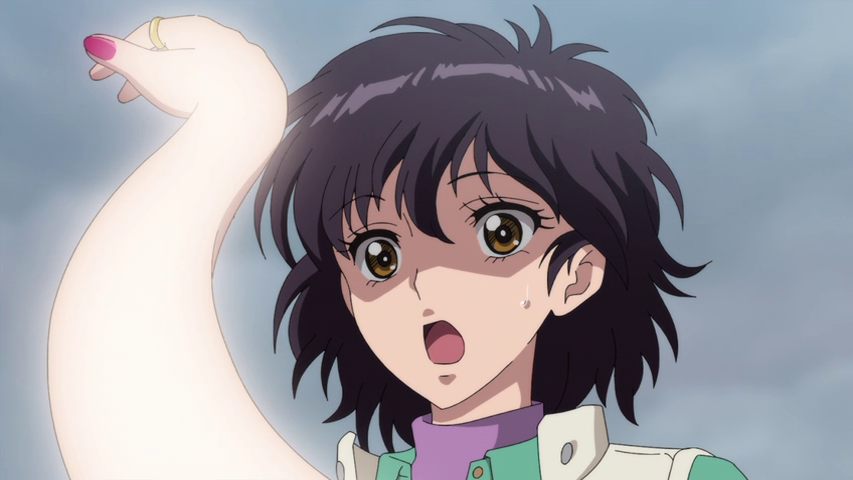
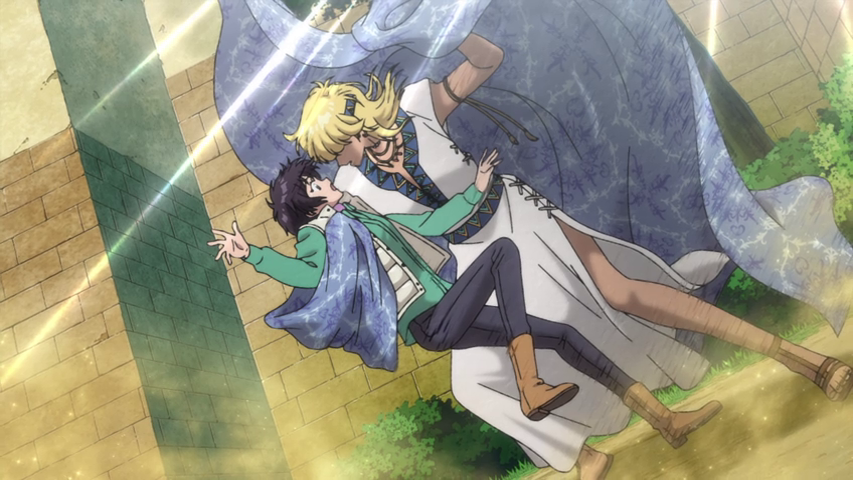
Mario: I have so many mixed feelings watching Red River. On the one hand, its storytelling and visual style make it a throwback to a bygone era. I’ve also read a good portion of the “Crest of the Royal Family” manga, where Red River clearly draws its influence. On the other hand, the opening scene… nearly throws me off with what I wanted to forget about that begone era’s storytelling. Starting off with a kiss between two characters we hardly know?! No para mi. The episode goes faster than I expected, but so far all Yuri (the main character) has done is run around cluelessly, scream and get saved by a man who claims her to be his. Not a good start at all. As for the slideshow presentation, I understand the complaints, but personally I don’t mind it. The freeze frames still work for heightened dramatic effect, which actually suits a show as ridiculous (with a straight face) as Red River. I’m not holding out hope for this show, but I might still watch it for my nostalgia kick.
Potential: 30%

Love Unseen Beneath
the Clear Night Sky
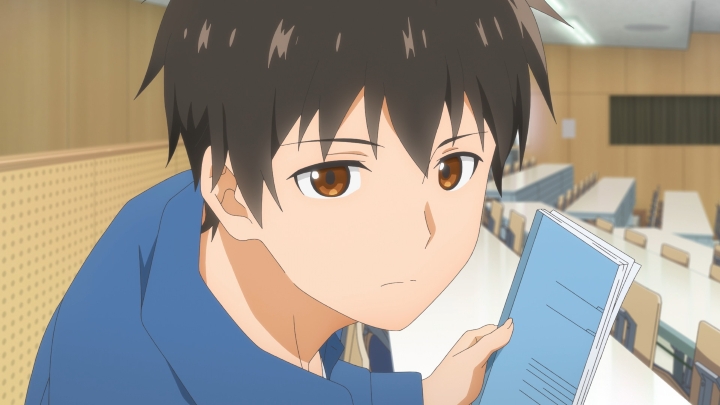
Short Synopsis: A withdrawn college student angsts over how helpful he should be to a blind girl in his year.

Wooper: Love Unseen Beneath the Clear Night Sky (Toumei na Yoru ni Kakeru Kimi) is completely unremarkable. Its character designs in particular would make it tough to pick out of a lineup of one, but the show plays it safe in every other aspect too, from animation to dialogue to music. In establishing shots where protagonist Kakeru walks around campus, there are almost no other human beings to be found, and even a crowded orientation party toward the start of the episode doesn’t feel very lively, mostly due to the predictable conversation between him and the more well-adjusted friend who dragged him there. Despite all that, however, I didn’t hate this episode. Kakeru may be stuck in his own head, and we may be stuck there with him (he’s the POV character, rather than his blind classmate Koharu), but his curiosity about her condition and fear of saying or doing the wrong thing around her gives him a lot of room to grow. Eventually he’ll learn not to be surprised at what she’s capable of, and begin to offer help without second guessing whether it’s the right thing to do. The show’s safeness, while somewhat disappointing, also means its main character is normal enough to carry a disability-themed story without any anime bullshit rearing its head. Maybe I’ve got the bar set too low for this one, but I’m actually kind of interested in giving its second episode a go.
Potential: 35%

Tenkosaki
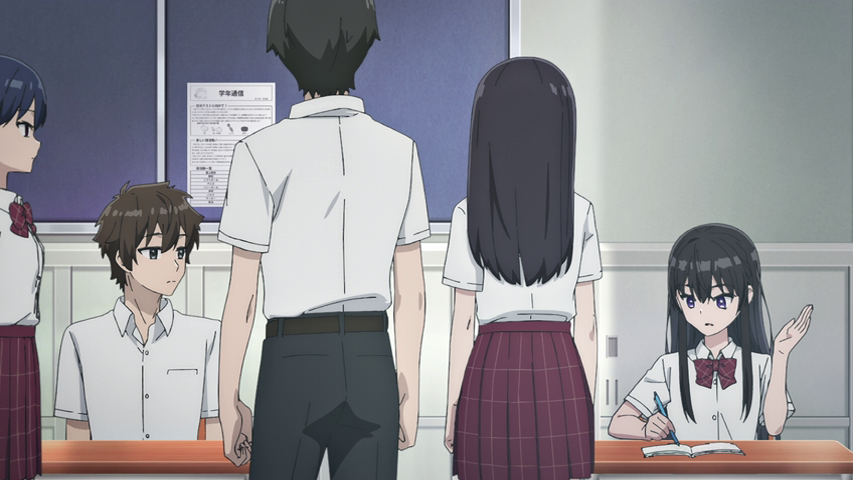
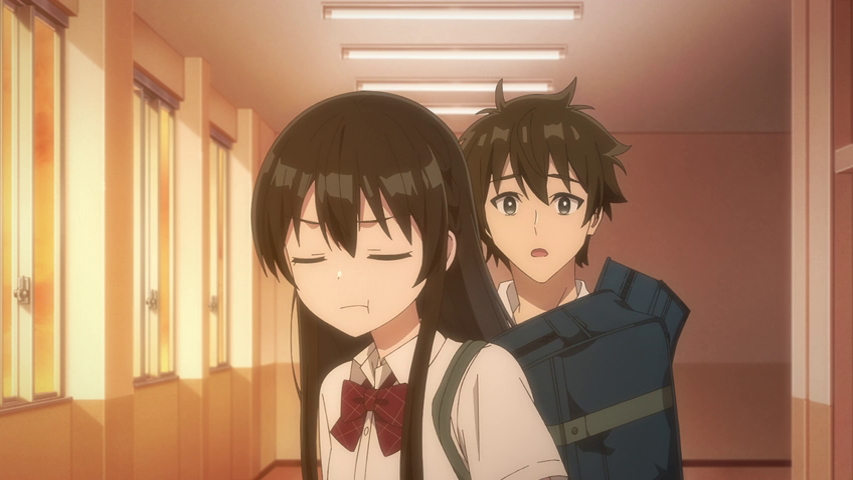
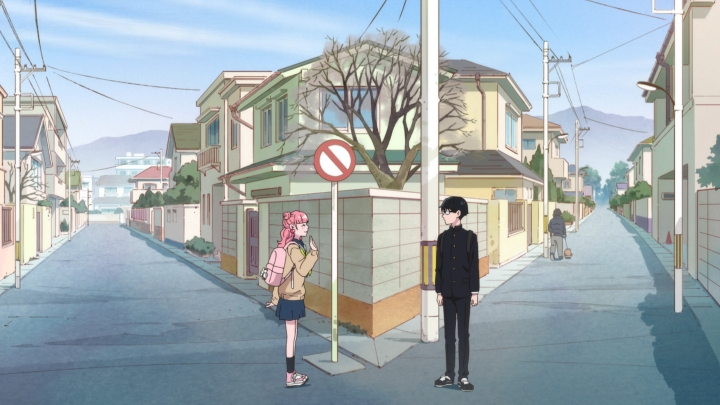
Short Synopsis: A new transfer student reunites with his male childhood friend, only it turns out his friend is actually a girl.

Mario: This show (“Oh Boy, Was I Wrong About Her” in English) runs on a very simple premise, and so far it’s the only thing it has going. To be fair, the main duo has solid chemistry. You can really see they enjoy their time together and that even after seven years apart, they get along very naturally. Saying that though, I wonder if their genuine chemistry alone can save the show from running out of steam. The animation is also flat, with some questionable choices here and there (like the sparkly sequence where they run alongside each other, it’s out of place there). If you are a fan of romance or slice of life shows, then by all means continue with it. In a season where we have You and I are Polar Opposites though, I do feel that show is a much better option.
Potential: 10%
Summer 2026 Impressions: Sayonara Lara, Polar Opposites S2, Young Ladies Don’t Play Fighting Games

Sayonara Lara

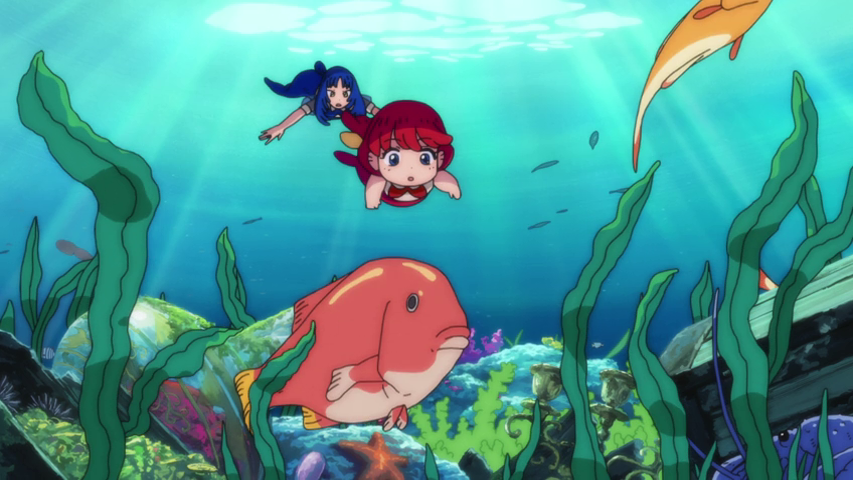
Short Synopsis: A little mermaid trades everything – and eventually loses everything – for her wish to be loved by a human.

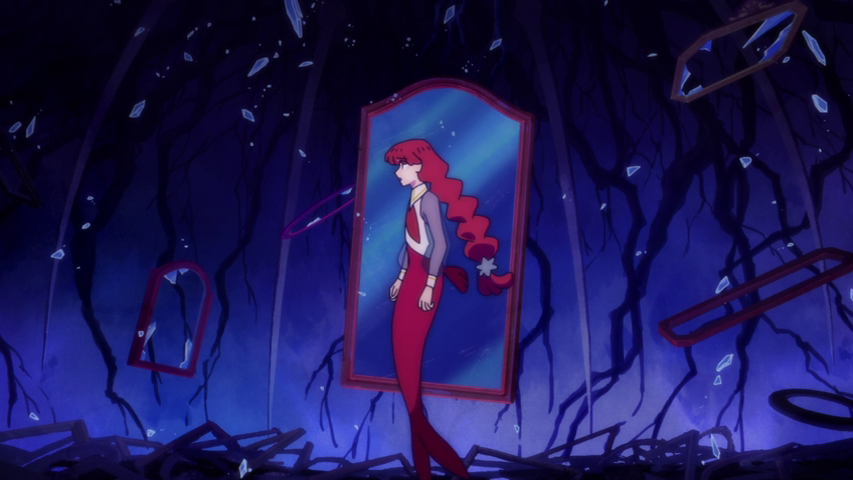
Mario: Sayonara Lara might be the most well-known “original” show this season, but it tells a story that the majority of us are familiar with. Yes, it’s a retelling of The Little Mermaid by Andersen, and this first episode mostly follows that storyline. Lara gains her wish to live with a human and loses her voice, in the end turning into sea foam. I love basically every element here: the artstyle is a perfect mix between western and eastern influences, the animation is lovely, and even with tragedy at its core, there are moments that can make you chuckle (such as the early scenes where Lara chomps down a fish). Kinema Citrus’s most well-known work is Made in Abyss, but I prefer the visual absurdity of Revue Starlight much better (if you’ve never seen it, imagine a talking giraffe on a stage), and I am glad that Sayonara Lara falls in the latter camp. The twist right at the end, where she again surfaces in the modern day Japan, is what makes me nervous though. Now that we’re leaving such an enchanting underwater world and getting away from the pages of the original Little Mermaid tale, how will the show proceed? Honestly, I’m not too keen on the updated setting but if this first episode is any indication, maybe I should just trust the process.
Potential: 85%

You and I Are Polar Opposites S2

Short Synopsis: Suzuki and Tani celebrate their first Christmas together, both with their friends and as a couple.

Wooper: Seihantai na Kimi to Boku is back like it never left, because even if it was off the air for three months, it likely never exited production. The show is just as silly, just as heartwarming, and just as interrogative of teenage social dynamics as ever, and that last trait played a big role in this episode. Azuma’s extroversion puts her on a different page from not only her friends, but her peers as a whole, and despite the case she makes for overt friendliness, it doesn’t seem to work out for her – that is, until her neighborhood buddy Taira convinces himself to walk home with her rather than find an excuse not to. I don’t always understand the nuances of the Azuma-related stories in this show, because they speak to Japanese social norms in a way that its subtitles don’t seem equipped for, but I usually enjoy watching along to see what I can learn, and this episode was no different. The actual main attraction, though, was Suzuki and Tani’s first Christmas as an item, made awkward by some interrupted kisses but still successful on the whole. Suzuki’s sentiment that clearly communicated mutual affection is more important than physical intimacy is lovely to see in a show about high schoolers – if only more series (not just anime) operated the same way!
Potential: 75%

Young Ladies Don’t
Play Fighting Games

Short Synopsis: Students at an all-girls academy share a love for fighting games, despite their school’s ban on video games.

Mario: Young Ladies’ biggest downfall lies in the timing of its release, as I can name two other shows that not only handle this type of story better, but also came out earlier. The first one is Rock wa Lady no Tashiname Deshite, which basically shares the same storyline with this show. Both feature students at a prestigious all-girls academy where the girls have to behave in ladylike fashion, but also secretly defy those expectations. Young Ladies doesn’t shy away from portraying these girls going crazy for fighting games – but even then, Rock wa Lady is much more memorable in that aspect, as playing rock music integrates itself much better as a rebellious act than playing video games. And when it comes to the love of fighting / arcade games, this one can never surpass Hi Score Girl, which set the standard nearly a decade ago at this point. The 3D game scenes look neat but they feel so far removed from the rest of the episode, and so far, neither of the lead girls impress me that much. This is a skip for me.
Potential: 10%

Summer 2026 Impressions: Sparks of Tomorrow, Iron Wok Jan, Grow Up Show: Sunflower Circus

Sparks of Tomorrow

Short Synopsis: In an alternate history Meiji era, a teenage boy embarks on a quest to begin the new era of electricity.

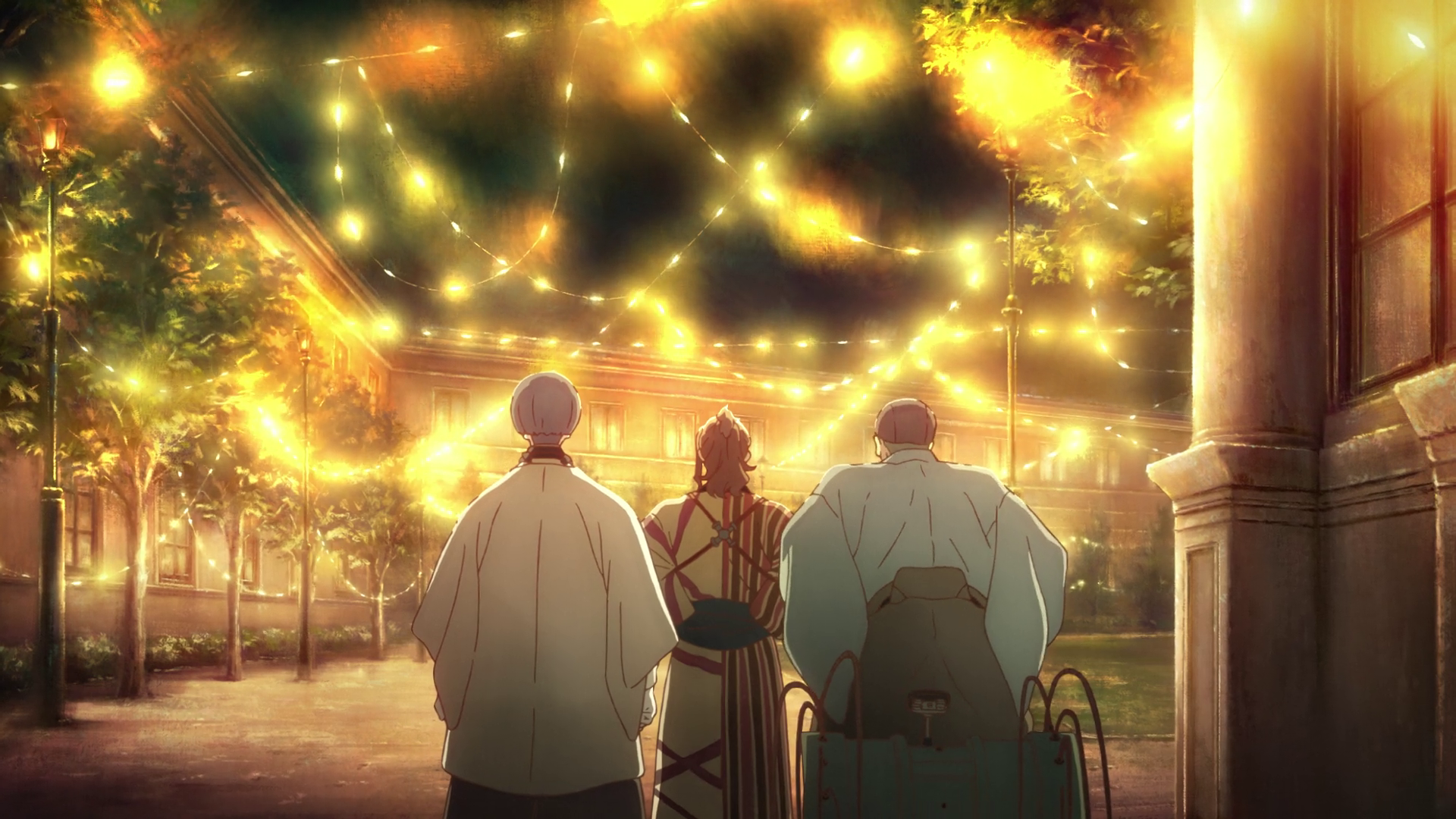
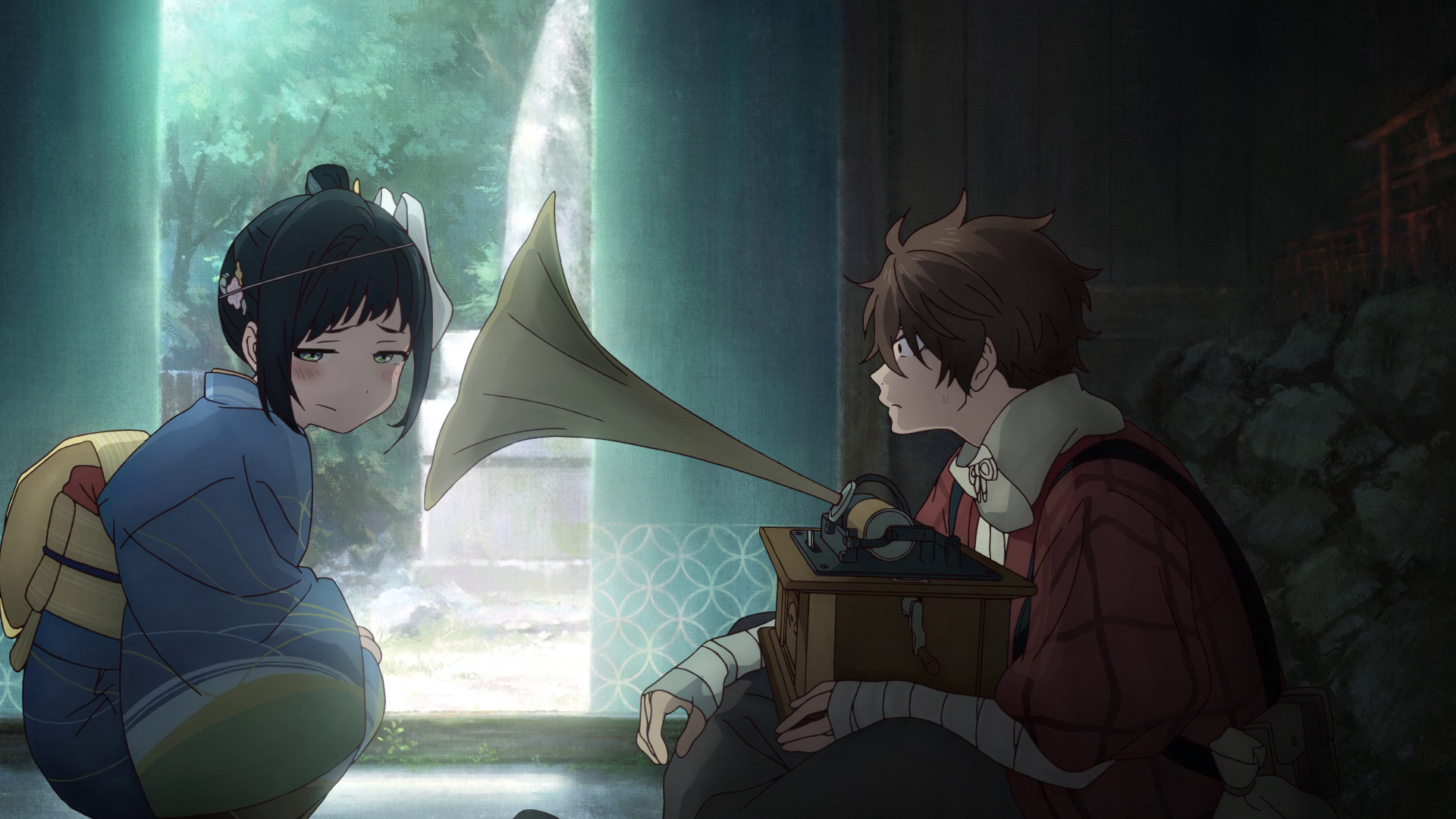
Mario: It’s great to see Kyoto Animation finally release Sparks of Tomorrow after 8 years in the making. The production quality is as you would expect from them – the background design is detailed and the animation is smooth, but one thing that does surprise me is the use of more cartoonish facial expressions, something I can’t recall the studio having done before (outside of their Keiichi Arawi adaptations). This alternative world caught between steampunk and electric technology is vibrant too, and I can’t wait to see if the show gets even more creative with its electrical gadgets in the future. What holds its back for now is the story as it takes a while to really get going, and so far it feels a bit too clear-cut who the characters are and what their roles are in this show. I’m a big KyoAni supporter so I’m in no matter what, although I must note that my least favorite show from them is Violet Evergarden and I see traces of that show here (down to the lighting and color palette), so it remains to be seen which side Sparks of Tomorrow will fall on for me.
Potential: 50%

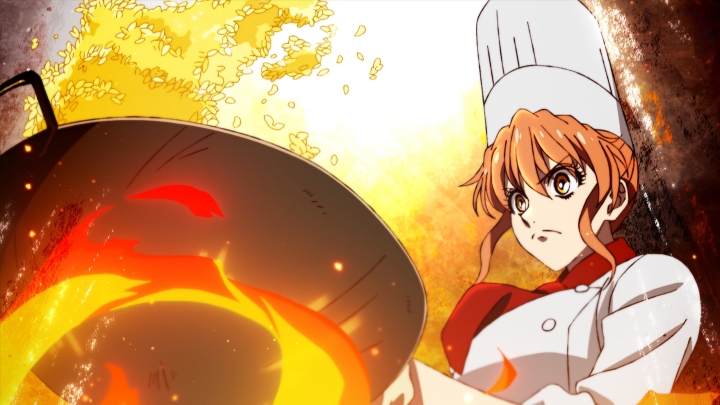
Iron Wok Jan

Short Synopsis: The heir to a competitive cooking style challenges his coworkers at a famous Chinese restaurant.

Wooper: I’ve never seen such a direct appeal for people’s continued viewership as the one at the end of Iron Wok Jan’s (“Tetsunabe no Jan!”) premiere. Its final minute was just Kenjirou Tsuda (who doesn’t even voice a character in the show) talking about the source material, explaining the historical context of its 1995 release, and rejoicing that such a masterpiece had finally received an anime adaptation. I do remember an episode of Gundam G-Reco imploring viewers, “Even if you don’t want to watch, watch!” but at least that was in an episode preview – Iron Wok, on the other hand, did a full 70 seconds of attempted audience capture before the credits even rolled.

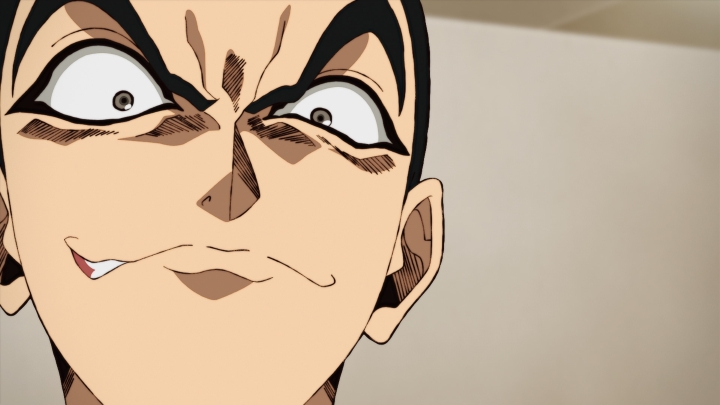
Even though its conclusion smacked of desperation, this episode wasn’t bad – it’s way more direct than something like Shokugeki no Souma, getting straight into two quick (albeit talky) cooking showdowns and concisely setting up the familial grudge weighing on the main character’s mind. I like the edginess of his design: cold expression, arched brows, and a frightening amount of eyeliner. He looks like someone who really lives the motto that “cooking is a contest,” and I imagine the show’s philosophy is similar, so there won’t be a lot of faffing about, narratively speaking. The animation is a step below something like Campfire Cooking (and two steps south of Dungeon Meshi), and the best compliment I can give the art direction is “adequate,” but the food looks good once it’s plated, and it reaches those plating scenes on the intensity of the characters. I’m not likely to keep watching, but Iron Wok’s first course was by no means inedible.
Potential: 35%

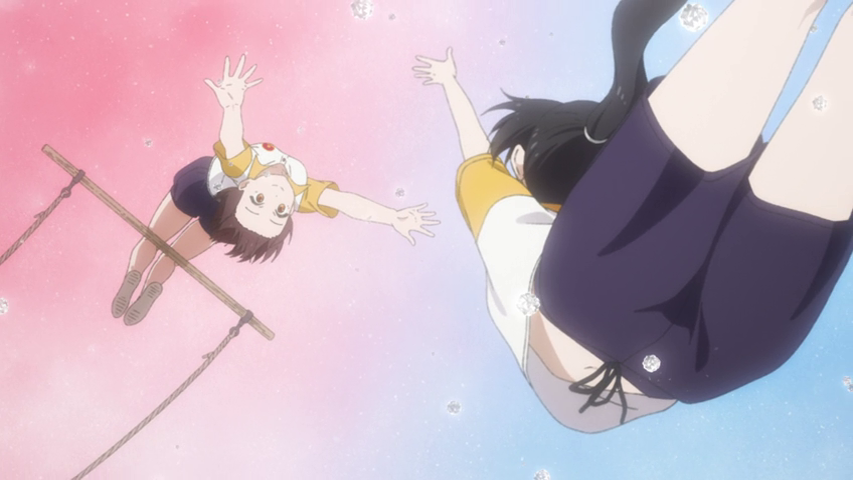
Grow Up Show: Sunflower Circus

Short Synopsis: Cute girls performing cute circus acts.

Mario: I might be selling Grow Up Show: Sunflower Circus short with my description of it being a cute girls show. While it has an overwhelmingly female cast, with the only male being a terrible Dad, it is at its heart an underdog story about a circus troupe that tries to come out on top. We follow Mizuka, the daughter of said Dad who doesn’t want anything to do with the circus, yet finds herself tangled up in it somehow. That bit is where this episode does little to convince me, as it plays her opposed attitude for laughs. It’s when the episode gets more serious in the latter half that it improves, as Mizuka points out all the other members’ shortcomings and tries to push one of the other girls to her limits. Given that we don’t often see the inner workings of a circus in anime (at least not for more than a single episode), this show already has its niche. Personally, I will give it a couple more tries to see how it goes from here.
Potential: 20%

Summer 2026 Impressions: Jaadugar: A Witch in Mongolia, Black Torch, Iwamoto-senpai no Suisen

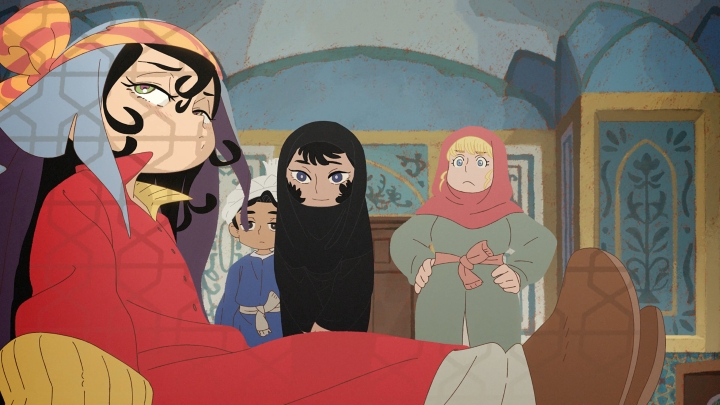
Jaadugar: A Witch in Mongolia

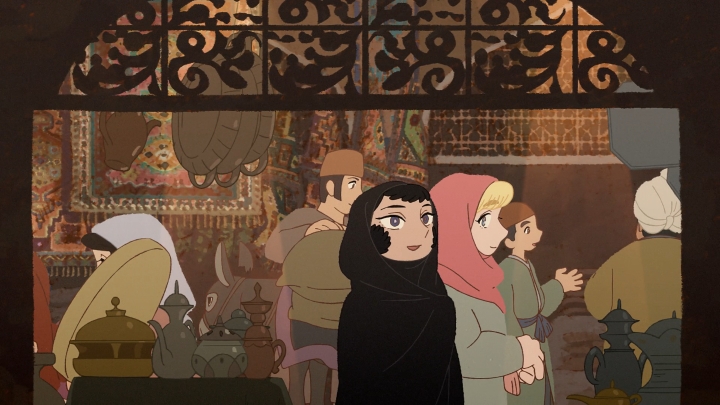
Short Synopsis: A curious slave girl is sent to live with a scholarly family in 13th century Persia.

Wooper: I’d be surprised if there were another summer anime with as strong a start as Jaadugar, especially since it released its first two episodes simultaneously. Though I’ve only seen the first (as is my habit when writing blurbs for doubleheader premieres), I’m already quite taken with its well-realized setting and idyllic art style, which looks like something out of a Newbery Award-winning book. That’s not to say it’s for children – the show’s treatment of slavery as a fact of Persian life and the episode-ending look at a corpse-strewn battlefield make it a purposely adult affair. Still, the open-air spaces here are beautifully lit and textured, and the Middle Eastern score is a perfect complement to protagonist Sitara’s evolving intelligence. The story moves fast, as she goes from attempting to escape her owners to serving them diligently in not much time at all. Thankfully, though, there’s a rooftop scene where another character inspires her to seize as much knowledge for herself as she can, and it’s written so convincingly that even an eight year timeskip can’t throw the episode off course. What does throw it off course is the Mongols’ defeat of the local Persian army, which promises much bigger things to come, so the show still has a lot to prove. Still, it’s off to the best start possible.
Potential: 85%

Black Torch

Short Synopsis: A boilerplate shounen protagonist rescues a stray cat who happens to be a super powerful mononoke.

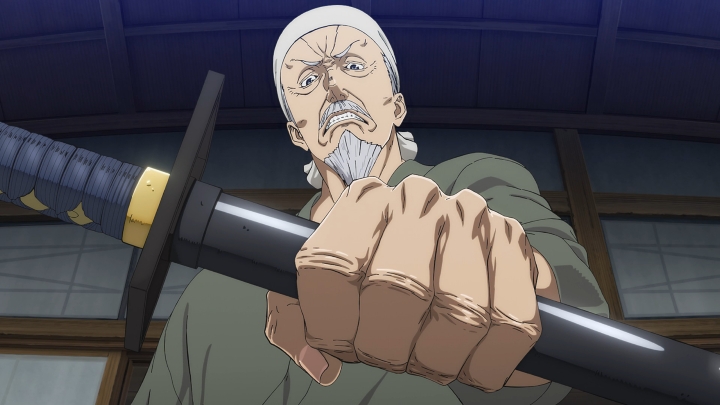
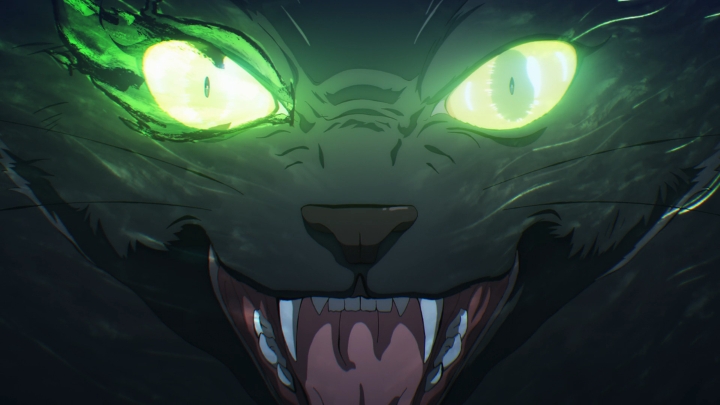
Wooper: Stop me if you’ve heard this one before: a rebellious, spiky-haired teenager who constantly gets into fights and learns martial arts from his grandfather is possessed by a malevolent animal-themed spirit. Oh, and the one female character introduced thus far has pink hair and big tits. As far as Black Torch is concerned, the question isn’t if its setup rings a bell, but whether it rings so many that its audience is rendered deaf. This is the work of someone whose only artistic influence is shounen manga, and while the anime adaptation struggles mightily to make it interesting, it falls far short of that goal. Sometimes we get backgrounds with a wide angle lens, but the characters aren’t drawn to match, and the smoky effects used to suggest evil energy (as in the scenes where Rago the Black Star of Doom reveals his true power) look convenient rather than impressive. And no, I didn’t make up that name just now – that’s the actual title of the cat-shaped mononoke who hops into the dying main character’s body at the episode’s end, giving him super awesome powers so he can fight demons for hundreds of chapters episodes! Get me outta here.
Potential: 10%
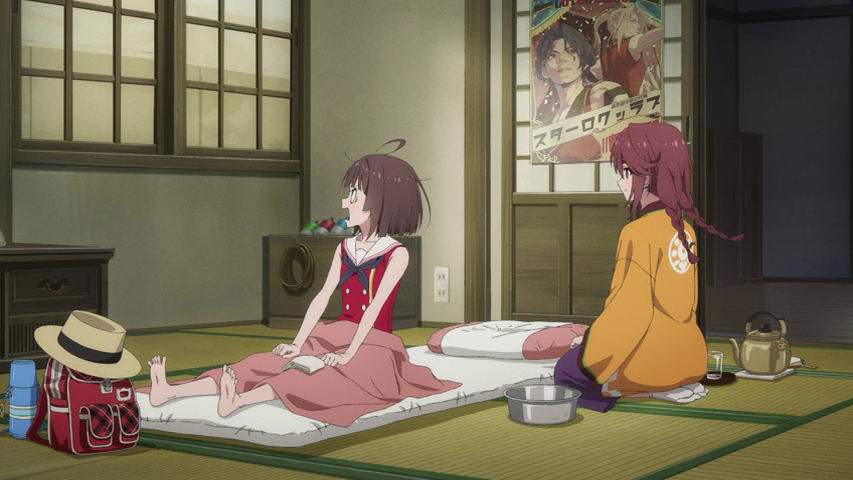
Iwamoto-senpai no Suisen

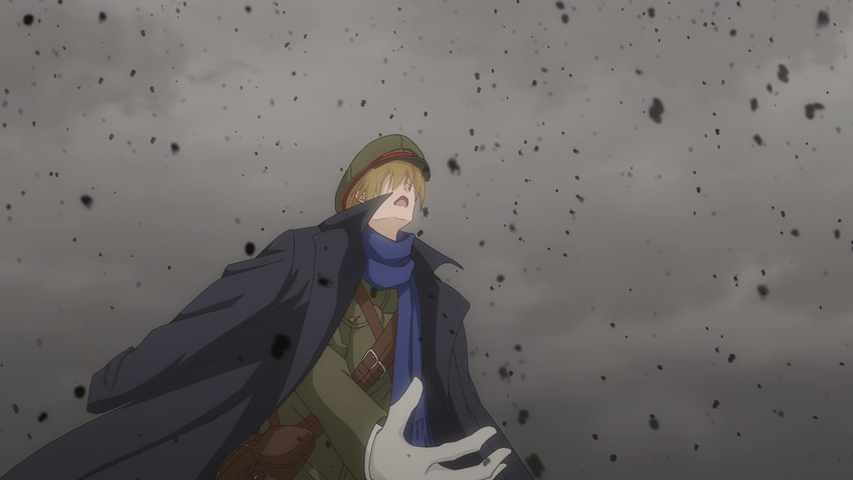
Short Synopsis: In a fictional Taisho era where the military funds a middle school to research supernatural power, a student sets out to investigate the mystery of black snow.

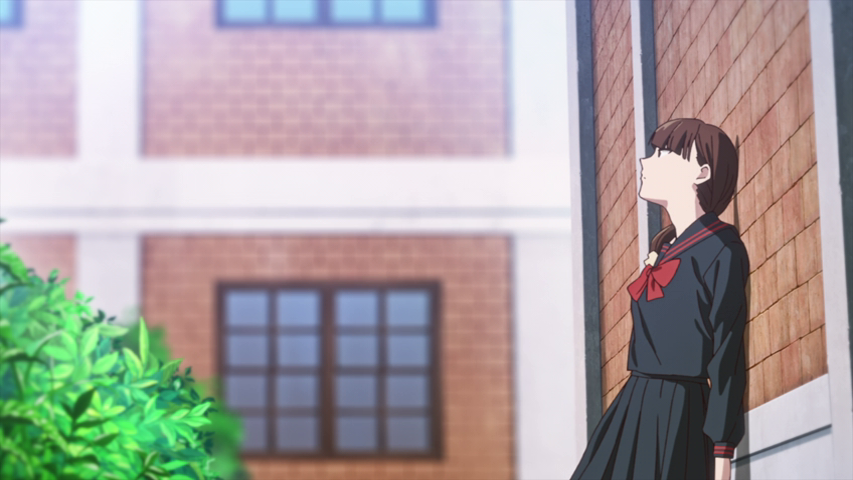
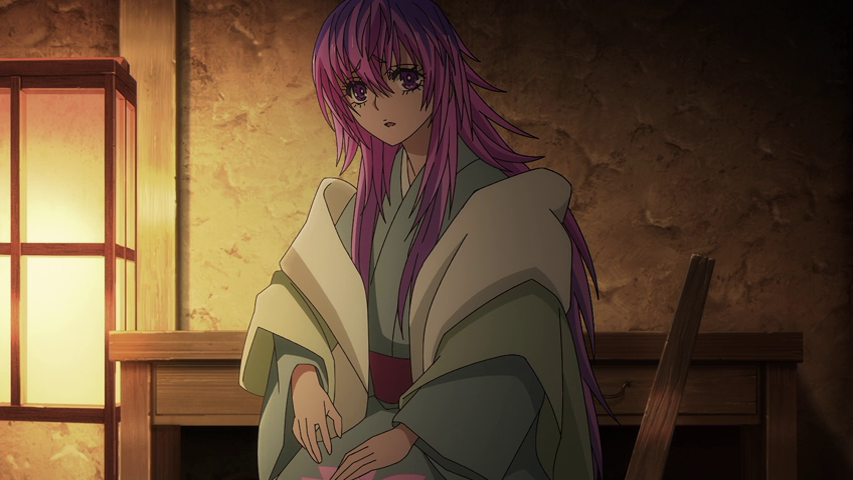
Mario: It’s not a good sign that even after finishing this episode, I cannot come up with what it’s actually about. It has many interesting elements, such as paranormal abilities and a Taisho era setting (at a military-funded academy no less), but the plot is so weak it doesn’t really hold up. We never get a sense of how much time has passed during the premiere, for instance. Heck, I can’t figure out exactly what Shizuma’s power is, either (that’s the purple haired guy). This episode serves more as a prologue so I guess from the next episode, it will focus more on the academy with this group of superpowered misfits. Sadly though, it doesn’t grab me enough for me to spend more time with it.
Potential: 10%
Summer 2026 Impressions: Kaiju Girl Caramelise, Kore Kaite Shine, Chainsmoker Cat

Kaiju Girl Caramelise

Short Synopsis: A high school girl’s body undergoes monstrous changes after going on a date with a boy.

Mario: I suppose this is one of the better titles out there (I mean the actual show’s title), as it suggests all the core elements of the show. “Caramelise” is there both because it has romance (sweetness) and because our protagonist Akaishi loves sweets. And yes, there is a girl and there definitely is a kaiju that appeared in this episode. One thing I really dug in this premiere was that Akaishi’s “conditions” work on several levels. As she feels any romantic emotions, she turns into a literal monster. That’s a rock solid premise to me. What doesn’t impress me so far is the romance itself, as it still ticks every rom-com checkbox there is, and moreover, it goes a bit too fast for the chemistry between Akaishi and her crush to settle in. In the end though, I am curious to see how it develops from here, especially on the personal growth front. As long as it focuses on Akaishi’s grasp on her new identity and isn’t prominently about the romance, then I’ll be a happy guy.
Potential: 40%

Kore Kaite Shine

Short Synopsis: Upon traveling to Comiket, a high school girl learns that her Japanese teacher is secretly a mangaka.

Wooper: Kore Kaite Shine (“Draw This, Then Die”) was one of the biggest wild cards of the season for me, being based on an award-winning manga but coming from a director whose past work I’ve not enjoyed. Having now seen its first episode, I’m glad to say that it turned out quite well – the character designs are somewhat neutered compared to those of the source material, but that’s my only real complaint. Protagonist Ai Yasumi’s love for manga strikes a nice balance of passion and obsession, stemming from its helpfulness in her social development as an awkward youngster. As a result, the moment when she finally purchases new work from her favorite long-dormant mangaka feels like a big payoff, and the twist (easily predicted, but still intriguing) that her buttoned-up teacher is the mangaka in question should pay major narrative dividends as the story unfolds. Shots of characters bursting from a comic book and scene transitions styled after the turning of a page keep the focus on manga the entire time, and Ai’s boundless enthusiasm helps maintain momentum from scene to scene, as well. Though it’s not a stunner on a visual level, Kore Kaite Shine has more heart than I expected, so I’ll be moving forward with it.
Potential: 70%

Chainsmoker Cat

Short Synopsis: A destitute catgirl living in squalor tries to get her nicotine fix by any means necessary.

Wooper: Chainsmoker Cat is bound to be the most controversial anime of the summer, which is a true feat given that it’s airing alongside Mushoku Tensei’s third season. Even before the toe-tapping pop punk OP kicks in (containing a visual homage to Fallen Angels, of all films), we see the title character Yaniko unwittingly dump a glass of cigarette butts and tar juice on her landlord’s head, then defecate violently after smoking a moldy cig she found in the trash. Oh, and the landlord? After catching Yaniko in a state of undress when confronting her, he vigorously masturbates to the memory of her half-nudity. So why did I keep watching this episode beyond those first two minutes, and why do I intend to continue with the show? After all, it’s just as disgusting, in its way, as all the bottom tier fantasy anime featuring slavery apologia and dubious sexual politics. The answer isn’t just amusement that such a nasty series ended up with such solid production (though the animation certainly helps), but an interest in what scenarios the show will create to reform Yaniko’s character, and how they’ll inevitably be foiled. The episode’s closing phone call where she promises to quit smoking, only for her sister to hear the sound of a lighter flicking to life through the speaker, isn’t just funny – it’s tragic, and the space between comedy and tragedy interests me. Perhaps the series will go on to exceed my personal grossness tolerance and I’ll end up dropping it, but for now I’m interested in what absurdity and humanity it can mine from its vice-laden cast.
Potential: YMMV

Summer 2026 Impressions: Smoking Behind the Supermarket with You, The World is Dancing, The Cat and the Dragon

Smoking Behind the
Supermarket with You

Short Synopsis: A middle aged salaryman crushes on a cute supermarket cashier and ends up smoking in the back with a punk cashier who is most definitely a different person.

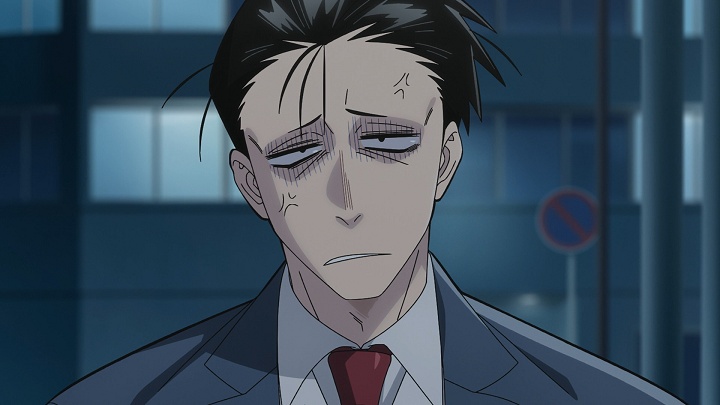
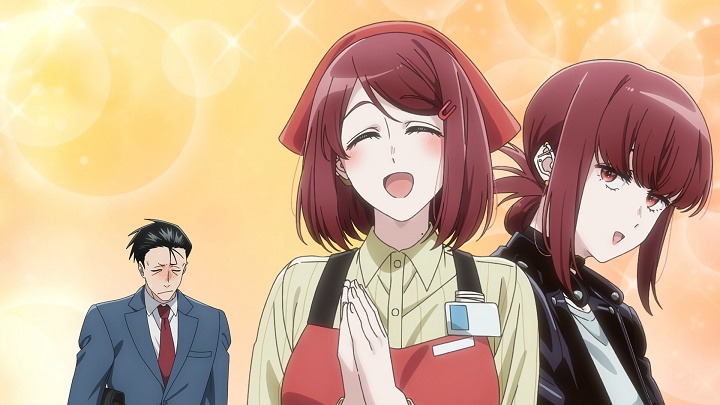
Amun: To be perfectly honest, I’m not watching nearly as much anime as I was a few years ago (I think I was averaging like 18-20 seasonals per season). I only watched a handful of sequels last season (plus a few meh freshmen outings) and caught up on some heavy hitters like Re:Zero and Apothecary Diaries. I wasn’t looking for anything serious – I just happened to read some hype about “Smoking Behind the Supermarket with You” and saw it on Crunchyroll (more on the weird release schedule in a minute). The first episode was alright, alright, I’d like to see another. Second mini episode, hey this is pretty good! Then you’ll finish the released episodes and start counting the days until the next release. Coming into this blind and a little burned out on anime – this is a breath of fresh air (well, full of responsible tobacco smoke I guess). This is a simple story, nothing insane, just with fantastic execution and character building. These are the lowest stakes possible – the world isn’t ending, the amounts of money at stake is minimal, the biggest drama is putting on the silliest charade you could imagine (this man is dense!). But the story is so endearing and engaging, I can’t help but be sad that we have to wait so long for the second half to come out. While this isn’t enough to bring me out of retirement, “Smoking Behind the Supermarket with You” definitely reminded me why I love anime – and why there are still some surprises left in the most unlikely of genres and gimmicks.
Potential: 99%

The World is Dancing

Short Synopsis: The son of a dance troupe leader in 14th century Japan searches for the reason why people dance.

Mario: Woah, you have to see this episode just for the dance sequence that rightfully takes our boy Oniyasha’s breath away. We certainly don’t see this level of crazy and loose animation in TV anime, if at all, but it fits the show’s theme like a glove. Apart from that though, I am not that invested in the narrative, or in any of the characters so far. Viewers will likely compare this show with works like Inu-Oh or Heike Monogatari as they are from the same era, but The World is Dancing reminds me strongly of The Exclusive Samurai (which also airs this season), especially the main character and the tone of trying to mix serious moments with goofy ones. His comedic side especially doesn’t work for me, but as far as the theme goes, questioning the very concept of dancing is interesting and I do want to see how the show goes from here.
Potential: 40%

Wooper: The shirabyoshi scene that Mario alludes above to is indeed this episode’s climax, but I can’t help but feel that it could have used more time in the oven. It runs for a little over a minute, so not every cut will be created equal, but there are some moments where it feels less like a moving watercolor painting and more like a series of sketches. This is the moment that’s meant to inspire the show’s young protagonist to reexamine his hatred of dance, but if I were him I might be more bewildered than inspired at what I’d just seen. Anyway, that’s enough raining on everybody’s sakuga parade – World is Dancing’s visual ambition is certainly cause for celebration, and that goes for the entire episode. The early introduction of the yet-unnamed Ashikaga Yoshimitsu on a rainy battlefield has a nice blotchiness to it, and the initial performance of Oniyasha’s stern-faced father was clearly labored over to create its necessary rigidity. Where the show comes up wanting is the story, so it doesn’t earn high marks just yet – hopefully that will come once Yoshimitsu gets some proper face time and the worlds of politics and dance begin to intersect.
Potential: 50%

The Cat and the Dragon

Short Synopsis: A dragon raised by a Cait Sith negotiates peace between humans and his extended feline family.

Wooper: The premiere of The Cat and the Dragon (Neko to Ryuu) uses its half hour to tell a complete story. A dragon is born, imprints on a magical cat who happens to be raising her litter nearby, and eventually uses his adult strength to force the nearby human population to discontinue hunting cats. All three species end up coexisting happily, roll credits. Without a major (or even minor) hook, it’s hard to recommend the show, even though the key visual makes it clear that the friendship between the human king’s descendents and their cat companions will be the forthcoming focus. Granted, the cats are cute, and while the animation for them and their winged uncle is less than stellar, the pronounced line art helps keep everything solid. Unfortunately, the boilerplate human settlement (walled off in a massive circle like 70% of all fantasy anime) will likely be the primary setting for future episodes, which I can’t say I’m excited about. Perhaps the titular dragon’s maturation ought to have remained the focus for more than two-thirds of a single episode. That way the shift of humans from predators to collaborators could have come later, and we could’ve had more fun in the forest leading up to that event.
Potential: 25%

Spring 2026 Impressions: I Want to End This Love Game, Dandelion, Candy Caries

I Want to End This Love Game

Short Synopsis: A pair of high school friends repeatedly confess their love for each other ironically, both hoping the other will admit their real feelings first.

Wooper: Debates about the meaning of the word “anime” pop up from time to time, but many people understand it to mean “animation from Japan,” and in that sense I Want to End This Love Game (Aishiteru Game wo Owarasetai) is just as much an anime as Nippon Sangoku or Witch Hat Atelier. If you take a less technical view of things, though, it’s hard to believe it can be labeled with the same term as those shows, as its appearance and aims are completely different. Love Game opens with a 40 second flyover of its suburban setting for a bit of upfront padding, cuts to a flashback in the main character’s undecorated home to establish its premise (“Kaguya-sama: Love is War without the jokes”), and proceeds to the present without giving the audience a reason to come along. Its teenage leads are clearly in love with each other despite their “joking” confessions, which they’ve apparently been making for four years, and not only have they not tired of their obvious charade, but it’s still entertaining to the employees at their favorite restaurant, too. Our protagonists are the only customers, of course. There’s no need to pay the animators to populate a public space when the show’s one and only goal is to present cute 2D characters struggling with their feelings! I ducked out of this premiere not long after its embarrassing string of opening scenes, so I can’t comment on what low-effort horrors lurked in its second half, but I hope they’re not an omen of the new normal for anime romcoms.
Potential: 0%

Dandelion

Short Synopsis: The Japan Angel Federation is tasked with helping souls pass on to the afterlife.

Mario: I didn’t look into Dandelion’s details prior to watching it, but it isn’t hard to figure out that the show shares the same DNA as Gintama. They have the same character designs for one, but more noticeably, Dandelion has the exact same humor as Gintama. Unfortunately, I never really cared for Gintama’s brand of “scream until it’s funny” humor, and it goes basically the same with this show. The episode does offer some “heart,” though, with the old man finally passing on after he gives his last goodbye to his wife. At 30 minutes it goes a little bit longer than usual, and the extra bit is more about workplace drama that introduces the main conflict of this ONA (raise your quota or get sacked). At just 7 episodes, it could prove to be a quick watch if you are into Gintama. Personally though, this episode is still not enough to convert me.
Potential: 10%

Candy Caries

Short Synopsis: A personified cavity living inside a young girl’s mouth saves her from a cruel dentist.

Wooper: Being a Tomoki Misato production (Pui Pui Molcar, My Melody & Kuromi), I was always going to watch Candy Caries from start to finish, but now that I’ve seen the start, I can honestly look forward to each subsequent episode. This three minute kickoff wasn’t just fun, it was really funny, with exaggerated animation that gave me Cartoon Network vibes. Examples include main character Ame’s cheeks swallowing the rest of her face to avoid a dentist’s drill, or a later shot of the same dentist busting through a wall in fear of Caries, the cavity who lives in Ame’s mouth. Classic gags like the doors within doors that led to Caries’ room or the lazy-tonged boxing glove that sprang from Ame’s throat reinforced that sense of humor, giving me something to smile about every few seconds. The gelatinous plastic used for its stop motion style looked great too – just an all-around big win for short anime this season.
Potential: Sweet!

Spring 2026 Impressions: Kamiina Botan, Drops of God, Fist of the North Star (2026)

Kamiina Botan,
Yoeru Sugata wa Yuri no Hana

Short Synopsis: A college freshman flirts with her dormmates and tries various alcoholic drinks for the first time.

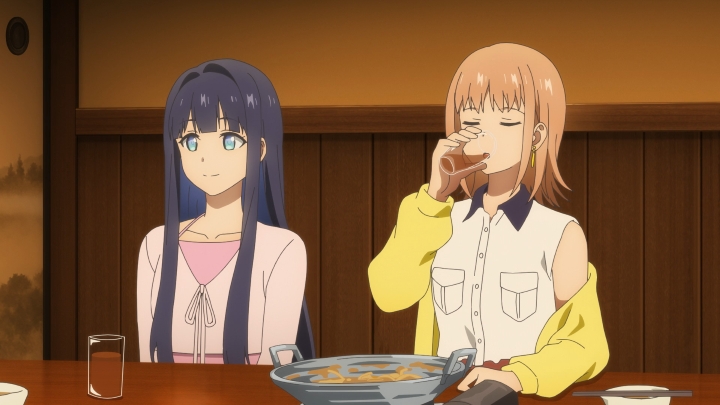
Wooper: Kamiina Botan had a good first episode, displaying its solid character acting and animation at every opportunity, but it felt lightweight to me (and I’m not talking about the protagonist’s tolerance for alcohol). The banter between its all-female cast didn’t lead anywhere concrete, the girls’ studies were discussed but not given much weight, and their relationships seemed destined to be confined to their picturesque dormitory. None of that is new for slice of life anime, but the teasing tone of their conversations and the way they unfailingly circled back to drinking made the premiere seem slight somehow. I’m sure my being a non-drinker contributed to that sensation, so putting my bias aside for a moment, this really was a successful first outing. The depiction of Hitsujiyama Park in the opening minutes was quite fetching, the show’s sense of fashion is understated yet attractive, and the while the dialogue wasn’t exactly natural, its lightness made it easy to watch. Also, the eyecatches were superb – it likely wouldn’t be feasible to illustrate an entire TV series with that more detailed approach, but if one ever came along that did, I’d watch the whole thing for the visuals alone. Kamiina Botan’s existing style is perfectly adequate, though, and it’s a bit more grown up than most SoL series. I don’t think I’ll be picking it up, but even if you prefer your anime with a bit more plot, you might like it better than I did.
Potential: 45%

Drops of God

Short Synopsis: The son of a late renowned wine entrepreneur tastes the wines that his father left behind.

Mario: Kami no Shizuku’s main appeal is easy to see: it’s a love letter to wine, wine-tasting and basically everything wine. The premise the show is aiming for is interesting as well: protagonist Kanzaki and his rival have to find the legendary “Twelve Apostles” wines, and ultimately the “Drops of God” wine. It nails many key moments – the 360 degree panning when he pours the wine, for example. What the show doesn’t do well, though, is trying to cram too many plots into this episode. At the moment, Kanzaki is facing multiple different conflicts such as: 1) find out the name of the wine he just tastes so that he can stay in his father’s house, 2) find the replacement to the wine his love interest accidentally drops, and 3) the bigger plot about the Twelve Apostles and the Drops of God. In addition, the 3D liquid animation is far from seamless and even distracting at times. But overall, despite not being the best premiere, I can say that this one is a keeper.
Potential: 40%

Fist of the North Star (2026)

Short Synopsis: A musclebound martial artist saves a civilian settlement from an assault by a biker gang in postapocalyptic Japan.

Wooper: I’ve seen the first few episodes of the 1984 Hokuto no Ken anime, and this episode followed the same beats as the original premiere, so it looks like the franchise is getting a full reboot. You know what else it looks like? Shit, that’s what. TMS Entertainment really gave Fist of the North Star the Berserk (2016) treatment, using CG animation primarily to keep everything on model rather than create complex movements via character rigging. The opening flashforward to Kenshiro and Shin’s showdown lasted 30 seconds, only half of which was spent on mediocre-looking combat. Beyond that, we got a few repetitive kicks and punches as Kenshiro took out Zeed’s biker gang, some of which were abbreviated with black lines cutting through the frame rather than showing people making bodily contact with one another. Even for a story set in a nuclear wasteland, the color design was dire, with a temporary shift to a grayscale fight scene being the only reprieve from its aggressive ugliness. Bat’s hairstyle was manga-accurate to the point of stupidity, many of the non-closeup shots felt empty due to the prioritization of background elements, and the characters’ inflexible facial expressions proved that Japan’s 3D animation wing being stuck in the 2000s isn’t just a meme, at least for this team. I’m not a Hokuto no Ken enthusiast, so my opinion doesn’t count for much here, but I expect this reimagining will appeal mostly to existing fans desperate for more “content.”
Potential: Already dead

Spring 2026 Impressions: The Barbarian’s Bride, Liar Game, Kill Blue

The Barbarian’s Bride

Short Synopsis: After suffering defeat on the battlefield, a warrior princess is captured and proposed to by an enemy general.

Wooper: Every new series I’ve seen so far this spring has been watchable at worst (or else so bizarre that your curiosity keeps you going, as in the case of Needy Girl Overdose). Himekishi wa Barbaroi no Yome broke that streak easily, with one of the worst initial showings of an enemies-to-lovers story I’ve seen in years. Based on the level of tact in the final product, the author might as well have used a jackhammer rather than a pen when crafting this script. An imprisoned female knight comedically writhing on the floor while imagining being a sex slave, a ballroom full of nobles laughing at their appreciating wartime investments, multiple lines about women being more suited for aesthetic objectivity than military service – these are the blunt force concepts that The Barbarian’s Bride traffics in.

Visually it’s no better, with character designs that look like someone’s first attempt at “anime style” illustration, a flashback battle scene whose traditionally animated contributions hardly interact with its legions of CG models, and background design that hovers around mediocrity and occasionally descends to outright apathy. The cliffhanger involves the female lead waking up in bed with her hulking male captor, horrified at the sight of his massive penis, which is exposed when he shifts in his sleep – though I suppose it could have been anything beneath that glowing bit of cylindrical censorship. Guess I’ll have to tune in next week to see whether the enemy general truly has a foot-long schlong!
Potential: 100% trash

Liar Game

Short Synopsis: A naive college student teams up with a brilliant con man to seek victory in a twisted finance-themed survival game.

Lenlo: So far Liar Game feels like just another gambling/deception anime that’s going to try and get by on the convoluted nature of its games. There’s some promise in the relationship between Akiyama and Nao, a hardened con-man becoming a better person while a stupidly honest young woman is pulled into darkness is a nice dynamic. But I can’t say I was all that engaged by the first episode. Visually it’s dull, with almost no animation and lackluster designs. It couldn’t even give me any interesting camera angles or visual metaphors like Kaiji used to do. All in all, I don’t think I’m going to bother coming back.
Potential: 25%

Kill Blue

Short Synopsis: A veteran hitman turns back into the body of a teenage boy and attends middle school as his next job.

Mario: I actually enjoyed the first third of Kill Blue way more than when the age-rewinding catalyst kicked in. It has a no-nonsense hitman who kicks ass and is pleased with his way of life… until he’s not. Later, when he regresses into a 14-year-old, the show shifts into a lighter tone that is at odds with the earlier sequences. Juzo, our protagonist, finds himself in a typical fish out of a water story, but he gets used to this new life a bit too quickly (he found studying to be fun, for example, despite being an assassin), and at the end of this episode, his classmates begin to warm up to him too. The show has some dynamic action scenes for sure, coupled with gorgeous background designs, but I can’t help but feel that this new world Juzo is in is flat at the moment. It’s nice to look at, but it leaves very little lasting impact to me.
Potential: 30%

Spring 2026 Impressions: Scenes from Awajima, Eren the Southpaw, Kujima Utaeba Ie Hororo

Scenes from Awajima

Short Synopsis: About the lives of several girls who live in the Awajima Opera dorm.

Mario: The only thing I knew about this series coming in was that it’s an adaptation from Takako Shimura, whose works Wandering Son and Aoi Hana I absolutely adore. Just 5 minutes into this show and you can tell it’s based on one of her manga, alright. It’s about the complex web of relationships between a group of young girls as they train to become future entertainers, and at times will have to compete against each other. From what I understand the show is an ensemble piece, and if this first episode is any indication, it will be emotionally charged yet treat its characters with nuance and delicacy. The flashback about the protagonist’s roommate Kinue, for example, shows us a much different version of her than we see her presently: full of contradictions, things never said out loud but like a ripple under the water. While this episode nails it on the character drama, I am a bit two-minded about the show’s presentation. The scenes where it goes for an illustrated style (and there’s quite a few) feel a bit too overboard at times, especially for a show that is meant to be quiet and subdued. It might be just me who is too harsh on this, but regardless, with character writing this adept, I know that I will follow along this season.
Potential: 70%

Eren the Southpaw

Short Synopsis: An aspiring graphic designer takes inspiration from a mural by a generationally talented graffiti artist.

Lenlo: You know, with a name like “Eren the Southpaw”, I was expecting this series to involve at least a little bit of fighting. Who describes a lefty as a southpaw outside of combat sports?! Anyways, the show – it’s alright? I’m a bit of a sucker for series about art, and any commentary surrounding commercial art versus personal art, I write and paint regularly so it’s a topic I enjoy quite a bit. And Southpaw didn’t do a terrible job with it, the leading lady is a bit of a bitch, but she clearly cares a lot and the one piece we saw from her did feel inspired. But Southpaw also has the unfortunate problem of going up against series like Blue Period, which just do it better and are vastly more interesting. It’s also limited by the constraints of animation, just like Blue Period was, where it’s a lot harder to present the subject because it takes so much more work in animation versus manga. My point in all of this is, I’m not sure I’m going to keep watching Southpaw, but I’ll probably give reading it a try, to see if the presentation there better fits the story, rather than this standard anime visual design we’ve got here.
Potential: 40%

Kujima Utaeba Ie Hororo

Short Synopsis: A family with a strained dynamic welcomes a humanoid bird to stay with them until spring.

Wooper: Kujima Utaeba Ie Hororo was the only newly adapted manga I sampled in the lead-up to this season, so I have a decent handle on the areas that received the most focus in bringing it to animation. Number one by far is music, with tons of mellow instrumentation filling out this first episode. The use of melodica to open the show is reminiscent of the Animal Crossing OST, while the recurrence of mallet percussion gives it an intentional oddball feeling – fitting, since the story is about a personified pied avocet that speaks Russian and loves Japanese food. In fact, the soundtrack is really the only production category where this premiere stood out, as the animation and backgrounds were rudimentary, and even Kujima’s shrill foreign enunciation couldn’t elevate him to the level of a breakout character. It’s the show’s quiet tone, periodically punctured by outbursts from its colorful avian freeloader, that creates its niche appeal. I liked what I read of the manga and I liked this episode fairly well, too, but I don’t imagine it’ll garner a major (or even minor) audience. Unless you really love human-bird hybrid characters or marimba music, you may want to give this one a pass.
Potential: 25%