Some Quick First Impressions: Legend of the Galactic Heroes – Die Neue These, Mahou Shoujo Ore and Captain Tsubasa (2018)

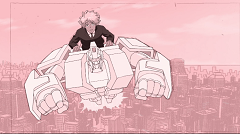
Legend of the Galactic Heroes – Die Neue These

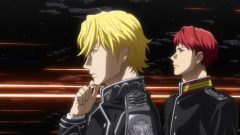
Short Synopsis: A young upstart General overturns a space battle to his favor

Aidan’s review
Comparing this to its older OVA predecessor I actually find this a very strong start to the series. With the old series I only truly got engaged with the third episode while the space battle that took up the first two episodes failed to grip me. It could be my foreknowledge but the presentation in this new series worked better due to focusing on only one side of the conflict instead of jumping between the two. Besides minor elements this is looking to be a pretty faithful adaptation which isn’t rushing the source material and I am actually gaining some hope for this series. Only flaws I found is a rather intrusive piano theme in the middle of the episode which I hope they don’t overuse and that some of the character designs still throw me off a bit. kircheis just looks so strange to me. I am still a bit wary and feel that won’t go away until episode three or beyond but so far I would consider this something worth keeping an eye on this season.
Potential: 80%

Mario’s review
Unlike Aidan, I’m a complete LoGH novice here so I can offer my thoughts without any prior knowledge from the original. I was inherently worried that this show might turn out like last year’s Kino Journey, a reboot that look prettier but with much less impact. This episode sets a nice hook that not only underline the tactical aspect of this space opera, but also set up the great rivalry between Reinhard and Yang Wen Li, both of them proved to be smart, awesome and ambitious. If you’re looking for an action show or a pure sci-fi show, you’d end up disappointed because the closest thing this show reminds me of is watching two talented person playing chess. As far as I concern, this is a great start for what would be an epic battle, but there are some issues remain. First, the updated part, the CG animation doesn’t do a good job at animating the characters (they look on par in battleships, though), as I feel the animation for the parts with human involved pretty wonky. And second, with only 12 episodes how the hell this new show can fully adapt the scope of this epic war? Only time can tell I suppose.
Potential: 80%


Mahou Shoujo Ore

Short Synopsis: A girl is scouted to become a magical boy

Aidan’s review
Here’s how to come up with the idea of this show. Write a standard magical girl synopsis, then use find and replace to switch words with more outlandish counterparts. Then sit back and pray people find it funny. Unfortunately this kind of comedy isn’t really my thing and only gets less funny when animated as everything seems to follow a Boke and Tsukkomi routine. The meta jokes are just trying too damn hard and the references are the kind that would go over most viewers heads. I can see it maybe being a guilty pleasure for some but it’s pretty poor as a parody, satire and a comedy.
Potential: 0%

Mario’s review
There is a difference between good and mediocre satire. A good satire not only makes the twist fresh and unpredictable, it also addresses the issues behind the subject they are making fun of (for a good example you can check out the premiere of Osomatsu-san few years back). Mahou Shoujo Ore does neither of these. While I can see where those jokes (especially the meta-joke in the beginning) come from, the jokes are fairly predictable and the show is more happy just to twist around mahou shoujo’s genre tropes than have any concrete thing to say. What is the significance behind turning them in a boy for example? Why idols again? Jokes without substance like this get dull fast and I find myself bored watching this. It doesn’t help that the production is below par and the characters all have paper-thin personalities. Stay far out from this.
Potential: 0%


Captain Tsubasa (2018)

Short Synopsis: A soccer prodigy moves to a new town and challenges the local hotshot goalkeeper to a match.

Aidan’s review
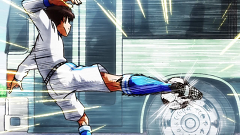
This is a throwback in more ways than one with the series being nearly forty years old and the general writing of the show. But it seems that David production have not only done a throwback with adapting such and old property but even animating it like one too. There are an abundance of animation saving techniques in this one with the abundance of still shots and event the return of anime speed lines. To some it may be a charm point but to me it just looks like a slightly cleaner version of a 80’s anime. The events of the show go to ridiculously levels with a goalkeeper deflecting javelins and a kid somehow surviving getting hit by a truck because it was cushioned by a soccer ball? I say this one is for fans of the original or those feeling rather nostalgic.
Potential: 10%

Wooper’s review
It’s reboot o’clock once again, this time for the 1980s franchise Captain Tsubasa. Though Gegege no Kitarou is the older of the two series, Tsubasa’s legacy far surpasses it, having developed a worldwide following since it burst onto the scene 30-some years ago. Even professional soccer players have credited Captain Tsubasa with kindling their childhood interest in the sport, so it can scarcely be imagined how many other kids it inspired. With that in mind, it doesn’t seem appropriate to nitpick the show too harshly. Something I will note, however, is the inclusion of bombastic sound effects by David Production, which you’d assume were from JoJo’s Bizarre Adventure if you had your eyes closed. I wonder whether those bassy, bone-crunching noises will be attractive to young soccer enthusiasts, rather than manchildren hopped up on caffeine and Transformers films. Some of the directorial tricks from JoJo (most notably a speaking character’s translucent face imposed on top of a still shot) make an appearance here too, but they aren’t nearly as distracting. On balance, the show doesn’t look or sound very good, and there are moments of utter nonsense sprinkled throughout its first episode. But it’s about a boy who loves soccer more than anything in the world, and for some viewers, that’s all it needs to be.
Potential: 25%
Some Quick First Impressions: Gegege no Kitarou (2018), Uma Musume – Pretty Derby and Kakuriyo no Yadomeshi

Gegege no Kitarou (2018)

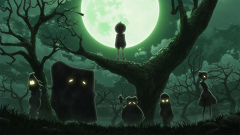
Short Synopsis: A young girl enlists the help of a youkai expert to cure her city’s Vampire Tree epidemic.

Aidan’s review

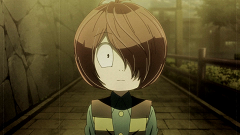
Not particularly special in its own right but I found this show to be decently enjoyable and far more comprehensible than its manga counterpart. Its biggest flaw is that it suffers from the Seinfeld is unfunny trope. Namely that everything done here has been done again and done better. Making this show as standard as you can get. I also could never truly get into shows about Youkai as I find the concept of them to be too silly to take seriously. So far it’s decently fun to watch but I feel it will lose a lot of its appeal once the nostalgia peels off and you are left with an episodic run of the mill show with nothing to offer.

Potential: 20%

Wooper’s review

Gegege no Kitarou is a franchise that dates all the way back to the 1960s, and it certainly shows its age in this newest reboot. Despite the focus on cell phones as a way of modernizing the series (the episode opens with a Youtuber ignoring traffic while filming himself, then turning into a cursed tree in the middle of an intersection), the whole production feels bog standard. There are bullies who pick on the weird kid who believes in youkai, a main character who uses special attacks (several involving his hair or finger guns) to defeat evil spirits, and a monster of the week format that contains not a whiff of a larger story. If you’ve been watching anime for any length of time, you’ve probably seen all of this before. There’s a cliffhanger at the end of the episode that I won’t spoil in case you’re a Kitarou devotee, but if you’re not, this incarnation of the franchise is unlikely to convert you.

Potential: 10%


Uma Musume – Pretty Derby

Short Synopsis: Our sparkly-eyed main character attends a horse race, a horse idol concert, and a school for other horse girls.

Mario’s review

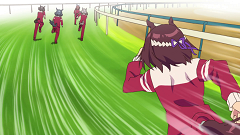
Aussie culture has a strong and proud tradition when it comes to horse-racing. Let’s just say we’re crazy about horse racing and even I am not a proactive guy when it comes to the sport, the atmosphere of dozen of horses preparing to kick off always makes my heart pouncing. And that was the only aspect I remotely like in Uma Musume (oh, and the names. Since you’re horse girl, you’re allowed to have some crazy names like Special Week and Vodka and in case you don’t know: these girls are modelled after real racing horses). First, I still can’t comprehend why the heck they include idols part into the show, the one that clearly feel out of place. Then, the only male character in this first episode is badly portrayed that he leaves a bad taste in the mouth. And somehow our innocent girl falls for it??? The settings doesn’t have anything special enough to stand out and the main lead girl can get to your nerve at any time. I have zero interest between her yet-to-come chemistry with Silence Suzuka or anyone else in her team. Which actually can be appropriate since all I can do now regarding this show is fall silent.

Potential: 10%

Wooper’s review

Within the first five minutes of this premiere, a man with a ridiculous haircut and a lollipop in his mouth sneaked behind our main character and started massaging her legs, commenting on what a perfect horse girl she was. Embarrassed and violated, she kicked him in the head and he flew backwards ten feet or so, knocked unconscious by the force of the blow. When she trotted over and asked whether he was still alive, I was struck by the realization that a handful of people must die from getting kicked by horses each year. This was the show’s big chance to sell me on the concept of horse girls. If Ponytail McMolester would just stay down for the count, I’d swallow every other contrived, pandering bit of bullshit this script had to offer. The seconds wore on, and he still wasn’t getting up. P.A. Works was just moments away from becoming the most subversive studio of the season. Please just kill this useless character, I prayed, and rescue your godawful production from the growing trash heap of instantly forgettable 2010s TV anime!

Then he sprang into a standing position, apparently uninjured, and started wiggling his fingers and eyeing her boobs. Generic character designs, ass shots, and an idol concert followed. Don’t watch this series if you value your time or life.

Potential: Horse shit/10


Kakuriyo no Yadomeshi

Short Synopsis: A woman who can see spirits finds a job in another realm to avoid marrying a mask-wearing ogre.

Mario’s review

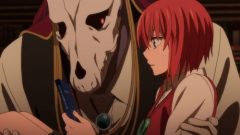
I figure you’d call this a Mahoutsukai no Yome that set in the world settings of Spirited Away, although I admit that if you put it that way then this show just looks pale in comparision. It’s simply on a lower caliber here. The main girl experienced a childhood just like Chise, albeit without the self-hatred. Just like Mahoutsukai the romance part gives a lot of head-scratching development and it is easily my least favorite part of the show. That oni master is just… unbearable from his character design to his attitude. We have quite a strong female lead this time, which I’m glad and the concept of her finding job in an inn of the spirit world has some potential, although towards the end it comes to the light food-porn that generally turn me away. The world building of this spirit world is another part that the show done well so far, with the world is vivid and different from the normal world in the first few minutes. Not a fan at all of the character designs, however, and the romance saga including the “selling off my sweet granddaughter” subplot will need to some serious improvement to get me hooked again. Overall not a bad start, but I don’t see myself coming back for it.

Potential: 30%

Wooper’s review

How many anime have there been where the main character “can see things that other people can’t?” What percentage of those have given their protagonists tragic backstories because of their abilities? And what percentage of those have included a sexy love interest who wants to marry the protagonist right off the bat? We’re still talking about thirty or forty series, I’d wager, and this must be one of the cheapest attempts at telling this ultra-specific story. The unlucky girl in this particular yarn was sold to a bishounen ogre (or, to use the technical term, bishogre) to pay off her grandfather’s gambling debt, but she negotiates her way into a cooking job at an otherworldly inn instead. Here’s where I’d typically say that the usual assortment of youkai made their appearance, but the majority of the spirits in this show are human-looking, with only a mask or horns or a pair of fox ears to distinguish them from each other. What’s worse, the tracks that play behind the characters’ conversations are somehow such boilerplate throwaways that they stand out like sore thumbs. There’s just a general lack of care to be found in every aspect of this episode, which doesn’t bode well for the next 25. If you want to watch something similar, but with improved visuals and more personality, try Kamisama Hajimemashita instead.

Potential: 0%

A Reflection: Ode to the other Mom in 3-gatsu no Lion

3-gatsu no Lion has just finished its 2nd season (on that notes, rest assured that Wooper will cover it till the end of this season and I’ll chime in to give a full post). After Burnt Field mini-arc – which was a solid arc by all means – it came rather natural that the last few episodes focus more on low-key drama instead of focus on another arc. All the better in my opinions since these last episodes elevate Hinata as one of the best girl on Earth and one side chapter that hit me hard on a personal level. So much that despite my laptop is currently broken and I still have two full reviews to write (that’ll come, I promise), I just wanna let this all out first. Keep in mind this is not a review, nor does this reflection piece have any point to make; just merely what I feel about it.

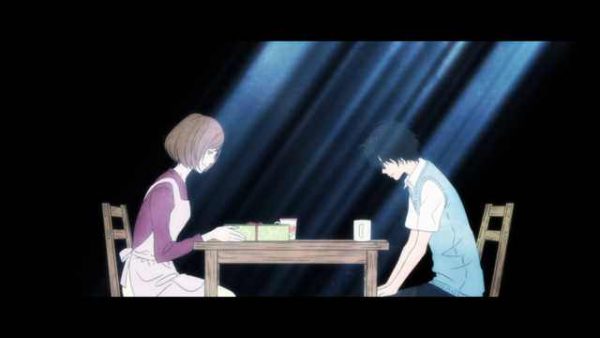
Consider how the second season ends in a satisfying note, I was quite surprised the show follows very closely to the manga’s structure, with only one chapter was adapted out of its order, and that chapter was “Other Home”, and for me it’s probably the best choice that Shaft made. Other Home sheds some more light to the crippled relationships and between him and the family members and the breakdown of the family. The trick here is the shift of perspective. This chapter gives a voice to the voiceless member of the his foster family. Damnit it’s such a brilliant character study in display here. The first notion that really grabs me personally is how this family represents accurately the family dynamic of Asian culture (East Asia to be more specific), so much so that it reminds me a great deal of my own and the one that the more I grow apart from it, the more I can look at it with different perspective. We have a Father who decides the best method to teach his own kids how to face their problem is to smirk “haha” and does nothing. We have a Wife who does housework everyday, stands there in the kitchen making dinner and wait for her husband and kids come home, even without anyone contact her. We have a Mother who constantly blames herself for raising her kids the wrong way, as if the way they turn out HAS ANYTHING TO DO with the way she raises them. And we have the only one member that tries her best to hold everything together since everyone else just stuck up in their own little worlds.

The framing device is pretty on point as well. We don’t hear any conversation between her and Rei, as if their conversation is just merely a facade, the mask that both of them put on. Throughout the chapter we rarely see her face, we see mostly behind her back, when she’s busy doing housework. Those motifs match with the way she smiles, and all the formal lines she about to say, but holds back. Here they sit, opposite to each other, afraid to look at each other’s eyes, and words come out their mouth are pointless. The home that never feels like a home. And it certainly shreds my heart when I realize that the only member Rei feels like his real family is their old dog.

And that comes to another brilliant part of this chapter, the chemistry (or the lack thereof) between Rei and her. I am always find one of the most intriguing relationship is the one like this. The one that always rely on other factors to work, and then when you pull these factors out of the equation, what’s left between them? From her perspective, her husband just agrees to bring another boy to live as a family, so what she’d do best is to support him. Then she sees her own children crumbled right before her eyes because of the presence of that boy, and the family keeps falling apart beyond her hands. Underneath all that she knows it all and she knows that Rei understands it too. What kind of emotions and what kind of behaviour will she act when she meets Rei alone, then? I love it that she has a dream that night that Rei were her own child. That maybe the closest distance that she ever regards him to be.

Yuru Camp (Winter 2018) Review – 74/100

I admit that I underestimated Yuru Camp back in its first few episodes. I took it as a standard, run-on-the-mill slice of life show and I fully expected to give it 3 episodes at max before throwing it into the deep sea of forgotten anime. But as time pass, I can certainly see many good strengths about this little show and it becomes one of the show that I enjoyed the most this season. In fact, Yuru Camp’s appeal never really goes beyond its genre offering but as far as slice-of-life genre goes, it certainly offers more than enough to be a solid recommendation. Structure-wise, Yuru Camp is a show made up (mostly) of two half: one with the fluffy pink cupcake that is Nadeshiko and her camping experience with her Outclub’s members, and the other is Rin’s solo camp. Looking at each part, not only individually they are above your average cute-girls shows with distinctive, warm atmosphere and delightful chemistry from the cast, these two segments also complement each other well.

I’ll say it now, Rin’s solo not-quite-as-bizarre adventures make up for best parts of Yuru Camp. Usually, cute-girls shows elaborate the theme of happily spending time together with friends as their selling point (and as the natural way of life, apparently), and while Yuru Camp certainly has that aspect, the show also respects Rin’s little personal space. Maybe it resonates with me more than most people, but I’m always in the camp who believe that you’re truly happy when you can appreciate moments of nothingness. They’re moments when you can truly let go of all the burdens, connections of life that tie you tightly and just enjoy that exact point in time as it is. THE BEST HEALING METHOD IT IS. I get that same feeling while watching Rin sitting in her chair, late at night, totally alone, in the middle of camp site (If you want to see what I mean without bothering to watch the show, check out its ED). Rin is a loner, but she isn’t the type of loner who secretly looks for friends. She enjoys her time by herself and all little moments from her solo trip: from talking with a dog in a passing car, making conversations with other strangers, or quietly observing the place and – my favorite – finding obstacles along the way (block road, no water, etc) and managing to go through them and lastly, eating yummy foods are all rewarding in their own way and certainly make her trips a real treasure to watch. Moreover, Yuru Camp never frames her preference as being anti-social. Through the course of its run eventually Rin discovers the fun of camping together with friends, yes, but in essence she’s the same person who always enjoy camping alone. And the show and the girls all respect her little solitude space.

Outside of Rin’s solo camps, the show still has a lot to offer. All the characters are a delight to watch, Nadeshiko is a big teddy bear to hug and while you could argue their characters’ traits have been done to death, it’s the chemistry those girls share together that makes it all ticked. Their banters (and there were tons of it) feel exactly like conversations you have with your best mates, with easy-going attitude but weirdly sharp and fun at the same time. Their time spent together on the camping trips sing well too, with ahem… laidback tone and nice sceneries all around, which isn’t that surprising when the settings are mainly surround the Mount Fuji. The foods they make, contributes a huge parts to the success of this show. Just like how Rin comments about Nadeshiko: “look at her happy eating face makes the food itself looks tasty”, it’s the feeling that I get too (consider my hesitation on food-centric shows, this comes a rare recommendation). In addition, the fact that the show is set mostly in winter makes it a surprisingly appropriate show to watch this season and further makes camping-during-winter premise such a nice ring to it.

Yuru Camp is not without its issues, however. The cartoon tips about camping and getting the right camping materials distract the flow of the anime and I believe it’d be much better if they cut them entirely. Being a slice-of-show also mean that there’s no real character development and there’s minimum conflict whatsoever and where are the male species? It’s hard to fault the show for those, but it also means that apart from the strong atmosphere, many beautiful scenic backgrounds and delightful characters, there isn’t much else to offer. The score is pretty good as I can recall some of its score vividly and the night time in winter never look more appealing than this, so the background arts are a winner. Overall, Yuru Camp has all its ingredients for a solid slice of life show, and they pull it off. I will remember these girls’ banters, and most of all, the peace of being alone, rather fondly, but it’s also clear that people who don’t like the genre won’t have much to revel in here.

Neo Yokio – 96/100

This may be half a year overdue but I simply can’t accept that none of the writing staff of Star Crossed Anime have cover the the biggest development in anime where Netflix took a hand in producing anime in the form of Neo Yokio.

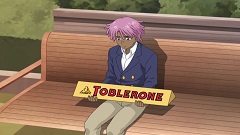
Taking place in the metropolis of Neo Yokio, a mashup between New York and Tokyo, it follows the Magistocrat Kaz Khan as he balances his life between hunting down demons, being a connoisseur of fashion and tempering the various relationships with the women in his life. Each episode tells a different stories but still slowly builds the continuity of its themes of the excesses of capitalism and vanity of the privileged.To be fair, you have to have a high intellectual capability to understand the points it’s expertally trying to get across like the giant Toblerones of which Kaz seems to carry everywhere with him as the basis is set in his desires to be the rock hard but sweet protector of Neo Yokio. While Jaden Smith, who is a young Hollywood actor and the son of Will Smith, isn’t known for his voice acting ability, he does an amazing job in portraying a character besieged by his overbearing aunt and social responsibility of becoming the most eligible bachelor in the entire city. Even the side characters like Kaz’s friends and the ever stalwart mecha-butler, Charles, are really well done as they add to the high-end atmosphere that Neo Yokio sets itself out to be by drawing from the philosophical works of Michel Foucault and Albert Camus into their own being. I will say that not everything gets wrapped neatly in the end but the journey of shifting alliances between the top bachelors, exhilarating demonic showdowns and standing up to Aunt Agatha’s tyranny instills the character growth I want to see from my Chinese cartoons. It may only be six episodes long but that’s all it needs to get its point across unless other shows that need twelve or more episodes because they can’t manage their overboasted plotlines properly.

In keeping with its themes and tribulations of Kaz being a part of Neo Yokio’s high society, the musical score does not disappoint in the least with pieces like Vivaldi Concerto in E Flat Major, Bach’s Harpsichord Concerto No.5 in F Minor BWV 1056, and the winter portion from the The Four Season done by the violin in F Minor. Often, I think that we are too focus on consuming original content when there is already such amazing soundtracks to choose from. After all, it is impossible to argue against centuries-old musical scores that have withstood the test of time and are still played by professional orchestras in fancy opera houses around the world. Neo Yokio distinguishes and elevate itself over the typical anime trash by building on top of masterpiece to become a masterpiece.

If there is any fault that I can find with Netflix’s impeccable first stab at overseeing anime production, it is that the animation isn’t the best out there. Produced in conjunction with Production IG, Studio Deen and Studio MOI, it is clear that they didn’t have the sheet talent or funding to reach the levels like Ufotable but the overall quality is quite nice in how they rendered city of Neo Yokio in the landmarks and extra additions like the The Sea Beneath 14th Street or the crazy Formula One race in the finale. Overall, it beats out most of the garbage that comes out every season but could give trashy overrated shows like Made in Abyss or Violet Evergarden a run for its money.

There seems to be a minority on the internet that decries Neo Yokio isn’t all that great to begin with but obviously, they can’t appreciate the nuance that is the choices of clothing like the Chanel suit or the travesty of a midnight-blue tuxedo. It is painfully obvious that criticism of that uncultured nature is shallow and pedantic at its very best. As this site prides itself on watching nothing but the best and with the new season begins in April, you would be a fool to miss out on this pinnacle of anime.

94 Toblerones/100 Toblerones

Devilman Crybaby – 83/100

It’s an exciting time to be an anime fan where new business models and players are making big waves within the animation industry. After debuting with the original and excellently-produced Neo Yokio, the juggernaut streaming service of Netflix has decided to revive the classic series of Devilman and gives it the full adaption treatment. By combining the sexual violence of its source material to the likes of Urotsukidoji and having big names like Masaaki Yuasa at its helm, the Devilman franchise makes a comeback into the western mindset after spending decades in obscurity.

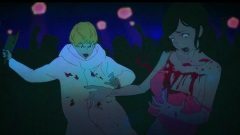
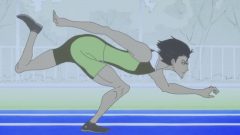
For those of you not familiar with the Devilman series, it was a huge series in the 1970s where it tells the story of a teenage boy, bestowed with demonic powers, fighting against other unearthly horrors in an monster-of-the-week format. Subsequent OVAs attempted to follow the manga source more closely but could never finish the job. Devilman Crybaby makes a couple of liberal changes but the core story remains the same with Ryo and Akria teaming up to fight the demons with Miki supporting from the sidelines. Yuasa’s version adds a whole bunch of layers like the incorporation of track and field and roaming beatboxing freestylers . All those aspects are done quite well but perhaps the strongest aspect of having Netflix being the financier and distributor is being able to be very casual about its sexual and violent content. It was once said that:

There is nothing that arouses a stronger response in human beings than either sex or violence. A mixture of the two is very powerful indeed.

Unlike other anime where the mature content is done for the sake of being edgy, Devilman Crybaby uses its brutality to validates its darker themes as it progresses further along its story. I don’t want to give out spoilers but since the source is a 70s manga that influenced works like Berserk and Evangelion, there is nothing comforting about how everything plays out.   

If you are familiar with Yuasa’s unorthodox animation style, then Devilman Crybaby’s eccentric visuals should come as no surprise. It doesn’t have that crude design of Ping Pong the Animation, but lacks the fancy special effects that other studios strive for. Instead, it swings between the plain and psychedelic color palette, the strength to this anime is not found in the details but the unhinged motions of its characters and artistics liberties taken with the framing/composition of its shots. Like its animation, the music (composed by Kensuke Ushio of Koe no Katachi and Ping Pong the Animation fame), is just as unique with its elements of synthwave and an epic orchestral choir to the point like it came out of Hotline Miami 2‘s soundtrack. In keeping up with the insanity shown on screen, the soundtrack does a very job and only serves to enhance the show overall.

Devilman Crybaby is the definitive complete package of its source material but it doesn’t come without its fair share of problems. Clocking in at ten episodes, I had an issue with its pacing especially towards the latter half of the series when Ryo’s grand plan comes into fruition and things get very crazy. It goes far too fast in its escalation of conflict between the demons and mankind and in a few instances, I had to pause and read between the scenes to understand the what exactly happened in the final episodes. In addition, Ryo and Akira’s memories of their early childhood together should have been sprinkled in far earlier in the series instead of shoehorning it into the last episode as it seemed rushed to have the foundation poured in before the conclusion of their conflict. The second negative is the amount of Erglish thrown around as it becomes a distracting element for the story’s more serious moments. While Roy’s japanese voice actor is relatively decent in pronouncing his English line when compared to other anime (I’m looking at you Zankyou no Terror), there are some major speeches where his delivery fall flat in invoking the intended reaction from the viewers.

Devilman Crybaby is not a show for everyone. It is a vulgar, uncensored and sexually violent reinterpretation dreamed up by the surreal creativity that is Masaaki Yuasa. For those of you who are able to stomach such things or have a fascination with anime’s more unhindered aspects, this show is the shining example of the medium is capable of and the new business direction it is heading towards. However, for all its praises, there are just a few significant issues that holds it back from becoming anime of the year although it would easily a top ten list for any serious anime fan. In any case, Devilman Crybaby was an experience for me that I won’t forgetting about anytime soon.

83/100

Spring Season 2018 Preview

Some seasons feel like they have ended before they have truly begun but that last season really couldn’t have ended any sooner. It’s funny as the word bad doesn’t quite describe it as the anime last season was basically fine quality wise. But everything was of such mild averageness that it sucked the enthusiasm out of all the writers on this site, including myself. There wasn’t a single anime that I would consider great and far too much easygoing fluff shows that didn’t leave much of an impression.

There is a light at the end of the tunnel my friends as this new season just may make up for the old one’s failings. We got a lot of sequels admittedly, but they are sequels to interesting shows at least, some of which needed a sequel very much. Not to mention we got high potential shows which are not sequels. Last season it was hard to find anything worth watching but this season we may have too much we want to watch. Both are not exactly ideal but I much prefer the latter to former.

So same deal as last time. I check out all the source and staff and see what we might be in for. Poll down below to vote which shows you wish to have covered. Thanks to Mario for gathering images, helping out with the format and chipping in on a few shows. Also forgive me for the lateness of the preview but things have been very busy lately for me.

This poll is no longer accepting votes

What will you be watching this spring?


The sequels/Shorts I don’t care about

Akkun to Kanojo (short)

Amai Choubatsu: Watashi wa Kanshu Senyou Pet (short)

Amanchu! Advance

Beyblade Burst Chouzetsu

Binan Koukou Chikyuu Bouei-bu HAPPY KISS

Fumikiri Jikan (short)

Hoozuki no Reitetsu 2: Part II

Inazuma Eleven: Ares no Tenbin

Koneko no Chii: Ponponra Daibouken 2

Ladyspo (short)

Lupin III: Part V

Lostorage Conflated WIXOSS

Omae wa Mada Gunma wo Shiranai (short)

Oshiri Tantei (short)

Shokugeki no Souma: San no Sara – Tootsuki Ressha-hen

Tachibanakan Triangle (short)

To Be Hero 2

Uchuu Senkan Tiramisù (short)

Souten no Ken: REGENESIS (prequel)

Wakaokami wa Shougakusei! (short)


Series I don’t care about


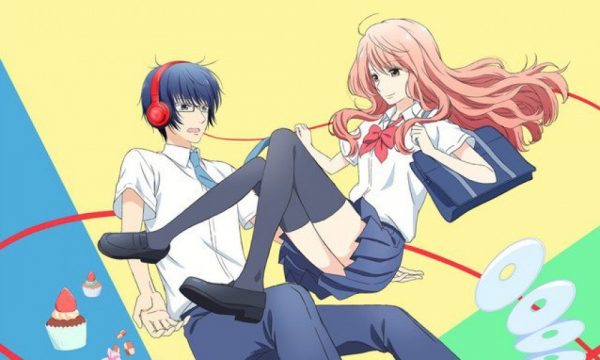
3D Kanojo


Studio: Hoods Entertainment

Director: Takashi Naoya

Script/Series composer: Deko Akao

Source: Manga

Hikari Tsutsui is a high school boy who is satisfied with the virtual girls he encounters in anime and games. He does not have many friends and he lives in his own world. One day, when he is stuck on pool cleaning duty, he is approached by Iroha, a “real girl” who is showy and popular with boys.

The good thing about this show is that the manga is complete so this could very well be a full adaption. The bad news is this is overdramatized shoujo nonsense where people get bent out of shape over the slightest of trivialities. There are likely those who might find it engaging but as for myself I just look at this over idealised version of love and shake my head. I can’t really see the relationship in this one as anything natural and more comes across as teenagers getting all over excited about pure infatuation. This is the director’s second show with his first being Touken Ranbu: Hanamaru. Series composer fares better with her most recent work being “After the Rain” in the current season. She also did Snow White with the Red Hair and Flying Witch so this looks to be in good hands on that front. If you happen to like Shoujo manga or anime this this might be for you but most certainly not for me. I hate shoujo with a passion.


Aikatsu Friends!


Studio: Bandai Namco Pictures

Director: Shishou Igarashi

Script/Series composer: Yuuko Kakihara

Source: Original

The new anime will have a theme of “Aikatsu with your friends!” and will center on a new protagonist named Aine Yuuki, who is good at making friends, and is enrolled in Star Harmony Academy’s general education track. She befriends Mio Minato, the school’s top idol, and becomes an idol herself.

Aikatsu Friends is a 38 episode show about idols in a high school and boy do I sure have no interest whatsoever. This is a spinoff of Aikatsu which is a show that had 178 episodes…oh my god. Look, I just don’t see this franchise having a story that requires 178 episodes to tell. I sure do look forward to the day the idol craze dies and hope it isn’t replaced by something more annoying. Director and Series composer did nothing of note. Sorry about not putting a lot of effort into this one but let’s be blunt, if you aren’t already into this series I am fairly certain this show isn’t going to suddenly convert you.
Continue reading “Spring Season 2018 Preview” →

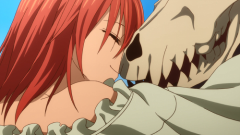
Mahoutsukai no Yome – 50/100

Fantasy is a rather prolific genre in anime, with a vast majority of Isekai and Shounen fitting snugly into it. Most take place in their own unique setting, either Amestris of Full Metal Alchemist or the made of world of the latest Isekai trash. Few however try to set themselves in our world. To peel back the mystery of our own myths and legends of lore. Mahoutsukai no Yome attempts to do just this. To bring magic into our regular dreary world. However it Mahoutsukai stretched itself to thin, attempting both a fantasy epic and a sweet character drama, only to fail at both.

Lets jump in!

Continue reading “Mahoutsukai no Yome – 50/100” →

2011 Anime Retrospective: Working’!! & Yumekui Merry

[slideshow_deploy id=’25992′]

Here’s psgels’ original review of Yumekui Merry (he hated Working’s guts, which is fair enough)

Now, to the main meal:

Working’!! (A-1 Pictures)

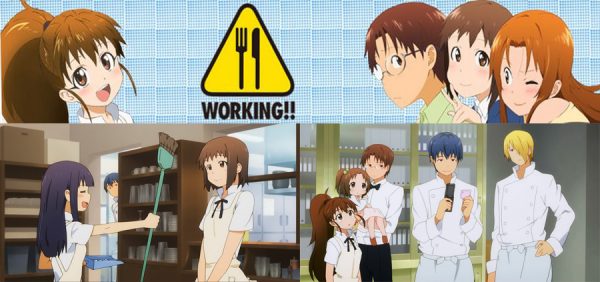
Fans from the first season (like me) will have a lot to like in this second attempt of Working. The comedy is pretty consistent throughout its course, some are even sharper than the first. As Working is a character-driven show, the humor works mainly because they always stay true to the characters. Even they manage to get way with humor that has creepy and unsettling details (a groper or a kidnapping for example. What cut the edge is that those accusations are probably true), and even repetitive gags still provide good laugh because they’re well-timed. This second season also works better as an ensemble cast. I don’t enjoy that much when the last few episodes of the first season focused on Souta and Inari, for example. Here each member of the main cast receives a spotlight, they make a good use and explore one of the cast’s main trait (my favorite is how useless the manager is). Moreover, pair them up and any random pair has their own appeal. If you wonder the chemistry of between some unlikely pairs (like Souma and Inari, Satou and the Manager) would be like, you won’t be disappointed here.

The settings of Working are even more minimum this time. Except from couple gags from Souta’s house and certain alley on the street, all the events happen within the space of this family restaurant. There are some new members (3 and a half to be exact) and each of them add their own weirdness, in other words, charms to this likeable cast. My favorite new addition is the cameo Otoo’s wife. Short but sweet. She’s the nuttiest case of all. Souta’s family members, while in the first season feel like they are from different show, become an ingrate part of this season, especially whenever they appear at the restaurant or meet with the other employees.

But the most drawback aspect of Working still lies in its format and structure: it’s a middle-season sitcom comedy. I’m glad that there is a strict continuing to the plot, but I can’t say the same to the relationships’ development. The cast is still at the same place they start off the season, and when Working actively stall some plot progression (like the encounter of Yamada’s siblings), it feels rather irritating. My feeling is that they’re playing too safe with these relationships that afraid to break the status quo. How about progressing those relationship and make the cast deals with it? Furthermore, the humor don’t work when the show pushes too hard. Like I mentioned earlier, I still feel uneasy with the way Souma tries to separate Aoi and her brother, or when Aoi forces Otoo to sign the adoption paper. In the end, all of its issues have more to do with the structure. It’s the middle of the pack so understandably, plot doesn’t move much forward. Aside from that though, the quirky characters still rule the day and the humors still as sharp as ever.  This will be one of a rare franchise that I’ll be sad to see it ends.

Rating: 78/100

Yumekui Merry (J.C. Staff)

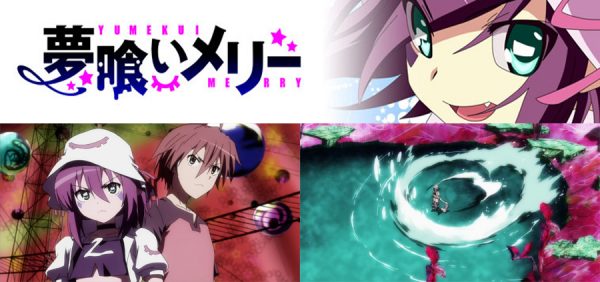
Well, I might be the only one who thoroughly enjoy this, considering how lukewarm Yumekui Merry received in its run (the director himself even admitted so). Straight to its most impressive parts: the visual direction is pretty awesome. The background arts for each of the dream world is distinctive, varied and has a lot of personality. There are plenty of creativeness in shot selection and the fight sequences, although limited, are animated fluidly. The characters are expressive and while those character designs fall into the tropey side, at least here they stand apart from each other. I guess those shot angles can be a hit and miss for other viewers, but for me I can feel the staff putting their efforts to make something different. The eye-popping visual reminds me a fair bit of Flip Flappers, which I absolutely adore. The score, however, remains unconventional and while sometimes it works well, other times it feels too alien with the screen. All in all, the visual presentation of Yumekui Merry is more experimental than your usual anime dose, but with so much love, skill and attention put into it, it remains gorgeous, distinctive and inventive.

Yumeikui Merry deals with dream as its main theme, but don’t expect any serious exploration to the nature of dream and such. It’s more concern with fighting the dream demons who use human as their vessel; and explore many interesting cases around that. I enjoy the way the show builds its characters. Those pairing between the dream demon and its human host have their chemistry, and I also prefer the way the show keeps using these characters after their case is done. The cast, consist of two mains and several friends surround them, have time to build up their characters slowly and gradually by the final arc I am pretty invested into their development. The main duo, namely Merry and Yumeji, have great deal of development (especially the former) and their chemistry together holds up as the story progresses. I don’t really like the depiction of some of the villains, however, especially the last bosses since the show makes them overly heartless and psycho without fleshing them out.

Now, the most criticism this show has lies in its original ending. As of its airing, the manga was still running (it’s still running NOW), so the anime creators figured that it might be a better idea to have their own way of to end the show. The reception of this ending was poor, citing the lack of conclusive ending, rushing towards the plot and plot holes as the main issues. I have a different opinion. Sure, it could’ve been better, but just like how I feel about the anime-only characters and its original ending in Blood Blockade Battlefront, this one I can see how the show properly builds up its arc towards the ending. Take an original anime character Chizuru for example, her characteristics are clearly defined, she supports the plot well and in the end her arc aligns with the climax pretty well. I can see some plot threads left unexplored (like all the development regarding Yumeji’s literature club members), and it is indeed rushed, but I am satisfied with the way this show wraps up. My overall feeling to Yumekui Merry is the same as Princess Principal from last year: brilliant in parts, stylist and excellent art and animation, but having a lacklustre closure that hopes for the next season that never come.

Rating: 82/100

Again, I’d like to hear your thoughts about those shows. The next one gonna take awhile, since I want to spend some time to catch up with those Netflix shows, plus the next season coming up means that realistically, the next one will be up after the First Impressions period. Next post, I’ll investigate a show about a bunch of faceless aliens and a show about a cute little rabbit, yep, the IDOLMASTERS and Bunny Drop will be up next. See you then, folks.

2011 Anime Retrospective: Steins;Gate & Mirai Nikki

[slideshow_deploy id=’25802′]

As per usual, you can check out psgels’ original reviews right below:

Steins;Gate

Mirai Nikki

Steins;Gate (White Fox)

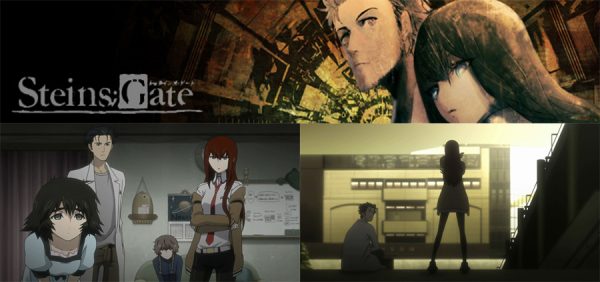
It’s hard to discuss about Steins;Gate without mentioning its current legacy. Both tremendously popular among anime fans, as well as being a critical acclaimed hit, it wouldn’t be too far-fetched to see its name among the list of modern classics. In a way, it’s part of the point of this retrospective: to form an opinion of a show in today’s lenses, and Steins;Gate, as I put it simply, stands the test of time. Having said all that, with this re-watch I can clearly see the strengths, and the shortcomings of this behemoth and while my grade remains the same as the first watch, my admiration of it has lessened somewhat. The main issue this show has lies in the way Steins:Gate can’t escape the convention of Visual Novel. The first half, in particular, paces significantly slow BECAUSE it tries to pair Okabe up with various different girls. Many of them, especially Nyan-Nyan and Feminine Boy (and just right after Wandering Son, this depiction of trans person leaves a bitter taste here) don’t feel like they belong to the main story at all and as a result they were discarded quickly after their arc is over. Moreover, the “mission” mechanic is so apparent later on when Okabe has to solve these challenges in order to advance the plot. It would’ve been fine but when he asks a girl to give up his father (yeah, really!) or goes to a date in the middle of high-stake drama (what the heck!), it just feels more silly than appropriate.

The second issue I have with Steins;Gate this time around is the comedy. Considering the drama to come, I have a sense that some of the comedy feel just off and don’t blend well with the whole picture. Okabe’s eighth grade syndrome is lousy and makes little sense in this second viewing to the point I had to wonder why any character needs to take him seriously. All the ecchi jokes just fall flat and like I mentioned a paragraph above, the recurring gag involving Luka’s gender is worrisome. There are some plot conveniences regarding Okabe’s ability as well (he happens to both create a time travel machine AND remembers all the time lines. Well?), but I’m not going to fault the show for that. On a positive note, I like the wash-out visual palette of this show and as a whole White Fox does a decent job production-wise.

What Steins;Gate compensate for those issues, however, is the brilliant and certainly inspiring execution of time-travel subject. Time travel has always pique my interest so naturally I have seen a fair bunch of them, and even then Steins;Gate still makes it right at the top. Those time-travel theories are well-researched and all the decisions they made make sense to me. Steins:Gate also explores the possibilities of time-lines and how small change from the past could lead to completely different outcomes to the future. Add those several times and the mystery, as well as the implication just keep tangle up like a giant spider web, but never at once the show loses its direction or confidence. The alternate time-lines have some well-thought-out outcomes, and all the plot progression is believable and relatable. My hat off for one of the best writing in recent years.

But I wouldn’t rank this show so high if all it does is well-research implication of time-travel, it’s the drama that makes this show so gripping, thrilling and ultimately rewarding. Okabe gets himself pulled into some serious conflicts, and the more challenging the conflict, the harder he pushes himself. The harder he pushes himself, the more we relate to his problems. He and Kurisu also have to go through some tough but believable development and I don’t kid myself when I feel I would behave just like him if I was in his situations. The stakes keep getting higher and the price paid just keeps piling up, but in the end I can safely say that Okabe has one of the best character development I’ve seen in a while and the cast has a varied personalities but each one of them reveals their deeper side throughout the course of the anime, and every pair have some sort of distinct chemistry that make them feel like a part of this lab club. The sequel will be out next season so finger-crossed that it can deliver the same magic as its predecessor.

El Psy Congroo

Rating: 93/100

Geek’s Corner: As I mentioned that time-travel is one of my favorite topic, allow me to throw some recommendations on the subject. Normally, the impact from time-travel can splits into 2 theories: 1) the consequences will happen in the same timeline, hence what you change in the past will directly result in what happening in the future (simple example would be: someone broke the vase, you time-travel to find out just to realize it was you who break it) and 2) the consequences will create a parallel timelines, and with the butterfly effect will result in complete different outcomes. Steins;Gate falls into latter category and I’d suggest checking out Primer and The Butterfly Effect if you want more of this theory. (Primer is your definition of mind-fuck indie film but it is hailed as one of the most realistic depiction of time travel. The director himself is a physics so he knows what he was talking about). For the first category, you can watch 12 Monkeys or the Spanish movie Timecrimes. They’re all rewarding, I assure you.

Mirai Nikki (Asread)

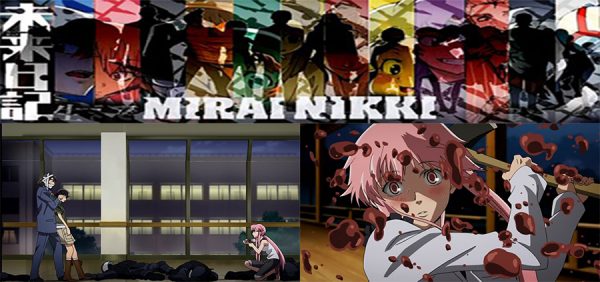
Here comes a show that *nearly* blows up on my face. I always have mixed feeling on shows about survival game from a bunch of psychopaths trying to outsmart the others. They provide some great entertainment, mind you, but with the plot-ridden development containing many quick twists and turns, the story can go off the rail very easily. Mirai Nikki has some good premises, about a group of 12 participants using their own future diary to kill each other. Seeing the show as a pure thriller, it was a bumpy ride with a small dose of ups and a big bag of meh. In the bright side, most of the cast fulfils their role. They’re nothing stellar, mind you, but at least they aren’t thrown-away characters. I like the fact that some characters, especially Ninth, are not one-off character but change her own role rapidly throughout the story; others like Seventh pair or Fourth use their time on-screen sufficiently. In the negative side, the story does get dull as it speeds on with plot holes, an intolerable plain male lead, some stupid decisions AND WHAT THE HECK WAS THAT ENDING? I mean, the show really falls apart in the last few episodes with the world-blending subplot.

In fact, what keeps me engaged to Mirai Nikki is Yuno and her obsession with Yukko. She’s the star of the show and basically delving into her insanity is the one pleasure of watching this show. She’s the glaring example of yandere at its most fully formed and normally yandere traits can be really off-putting, but here in Mirai Nikki, she fits in with the theme like a glove. Mirai Nikki works as a construction to how an unhealthy relationship is form and developed, the way Yukko agrees to be Yuno’s boyfriend just so that she can protect him, to her over-reliant to him because she needs someone to obsess over. I also appreciate that while other shows display yandere character as normal at first and then imply something wrong within her, this show makes it clear from day 1 that Yuno is one insane bastard, yet Yukko still feels safe enough to get drawn to her. It’s the reason why the plot twist near the end works for me, but the same can’t be said with the redemption part in the last episode. You telling me she can go soft and learn happiness? LIKE HELL SHE CAN. It’s better she’s insane and stays insane.

I also feel like Mirai Nikki has a love/hate relationship (mostly hate) towards its female characters. In the show, female characters are often repressed by the power of men (Sixth and Ai from Seventh are rape victim for example, or how Ninth is chained up by Twelfth), and Yuno is an female empowerment symbol of a girl who takes matter into her own hands, a girl who would go extra length to be together with the one she loves. The issue with that view is that, there are hundred better ways to present women in repressed situation without relying on rape (I ask myself why rape? WHY), or occasionally show them in nude for no apparent reasons. Even with Yuno, as empowered as she is, still functions for the sake of one boy so for me it’s just the bad representation of female characters as a whole. As a sum up, Mirai Nikki has some thrilling premise and it’s still fun to watch crazy characters blow up other characters, moreover Yuno is the poster girl of Mirai Nikki (Boy. She deserves to be remembered fondly), but with the terrible whiny useless male lead, plot inconsistency that comes to pieces like a shattered glass and a closure that is just downright terrible, it just barely crosses the passable line.

Rating: 63-/100

Welp, what do you think about those two shows. I bet you have lots to talk about Steins;Gate and Yuno, right? Shoot them down in the comment. Next post, I will have a light watch with Working!! 2 and Yumekui Merry. Ideally, I’ll have the post ready before the start of next season. Till then, guys.