Spring 2026 Impressions: Nippon Sangoku, The Klutzy Class Monitor, Marriagetoxin

Nippon Sangoku

Short Synopsis: A bookish agriculture worker is persuaded to rebel against his regional government in post-apocalyptic Japan.

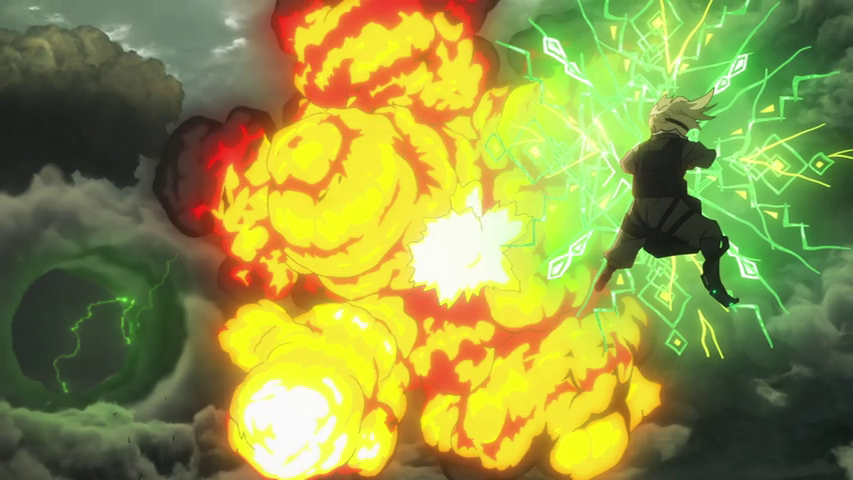
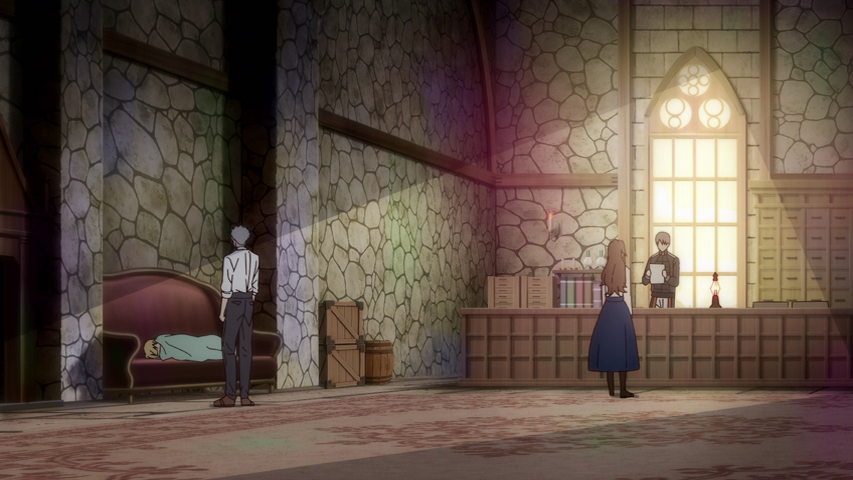
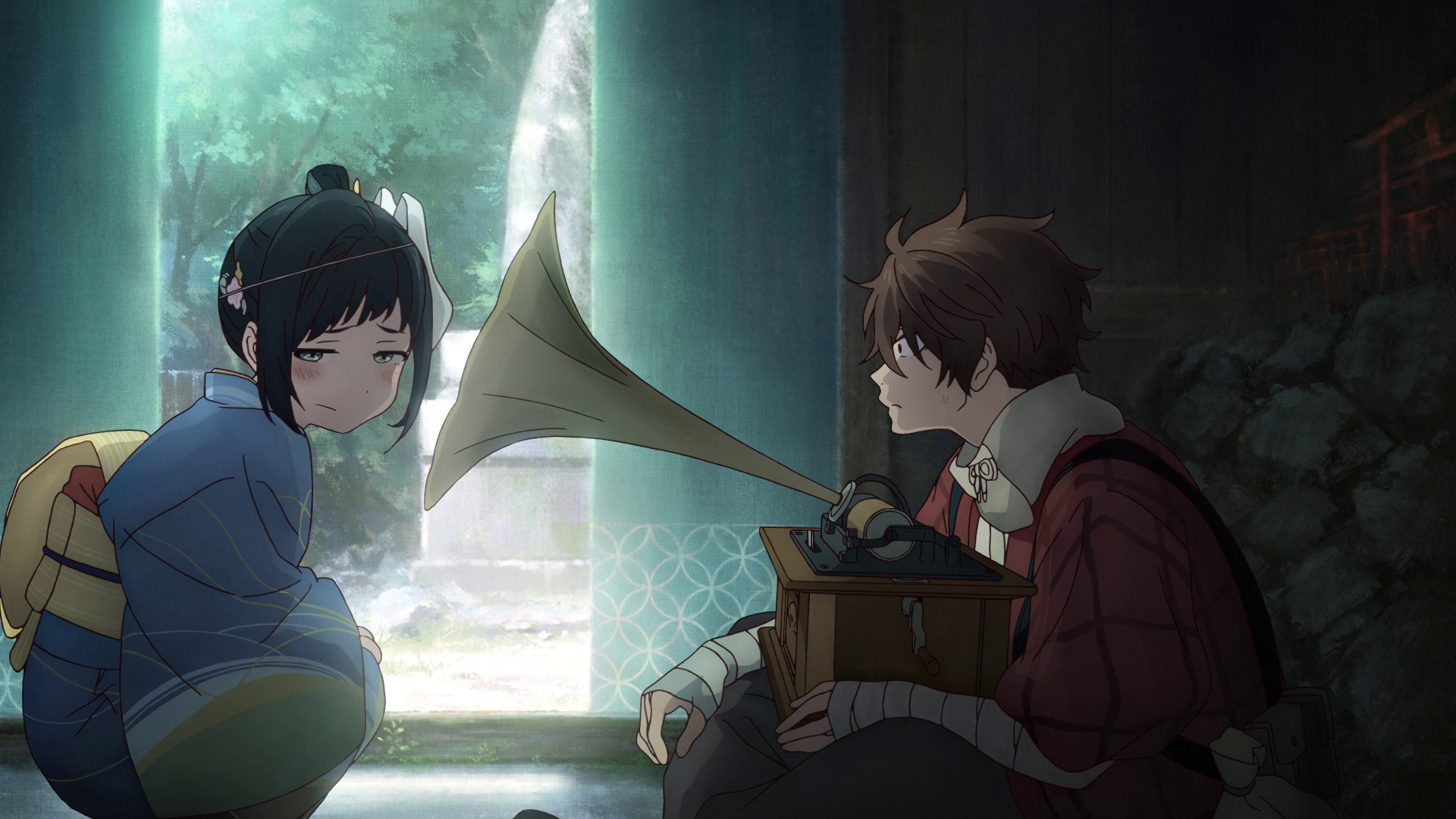
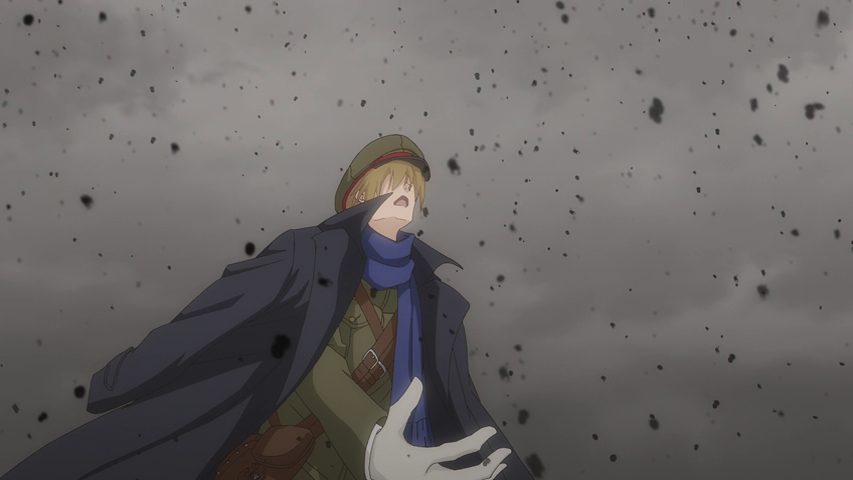
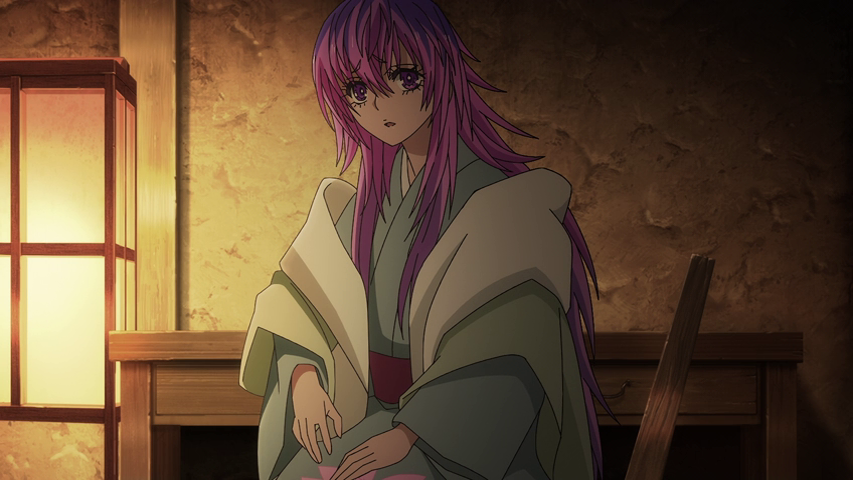
Lenlo: You know, aside from the straight lore dump right at the start and all the exposition, Nippon Sangoku was really good! Easily the most visually engaging show I’ve seen so far, absolutely stunning. The sparring use of color, picking out just the right details to make each scene pop, was incredible. I’m actually sad that the rest of the series won’t use that same palette, but it’s made me want to see what other interesting tricks and styles they have up their sleeve. As for the story, I’m not sold on our lead yet, he comes off as a bit of a know-it-all and the villains as almost cartoonishly evil, but there’s enough there that I’m not put off. All in all, I think Nippon Sangoku might be my favorite premiere so far, if only because it’s easily the most beautiful.
Potential: 80%

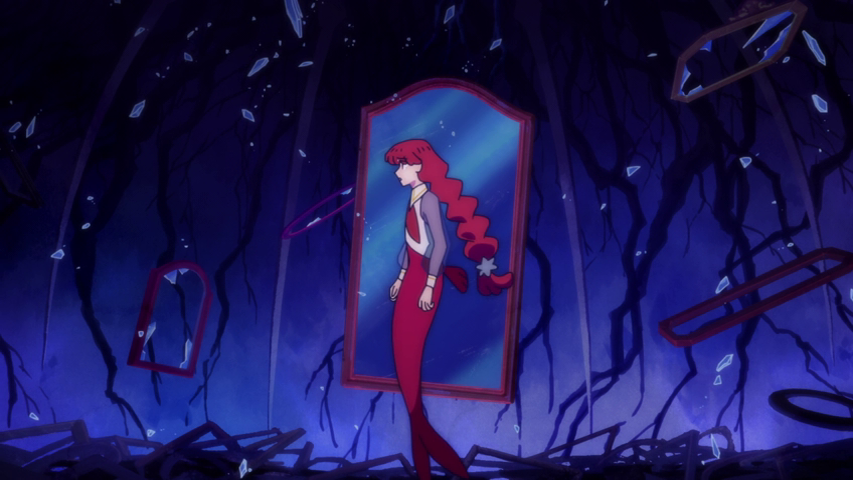
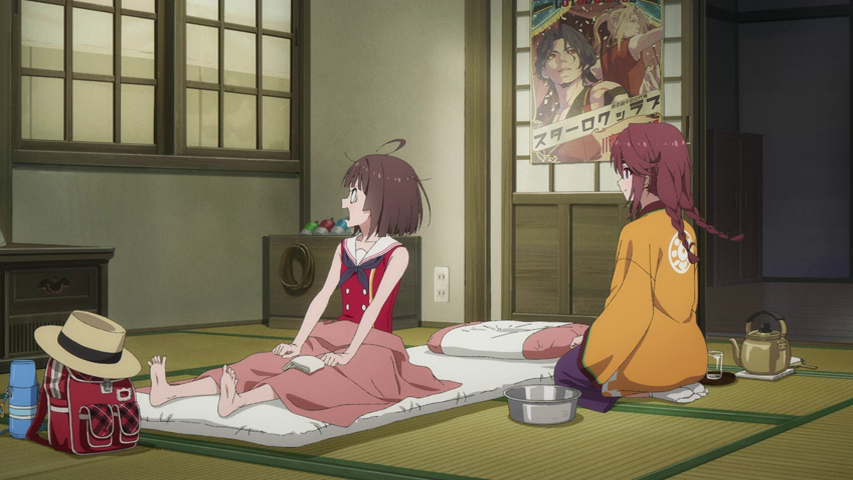
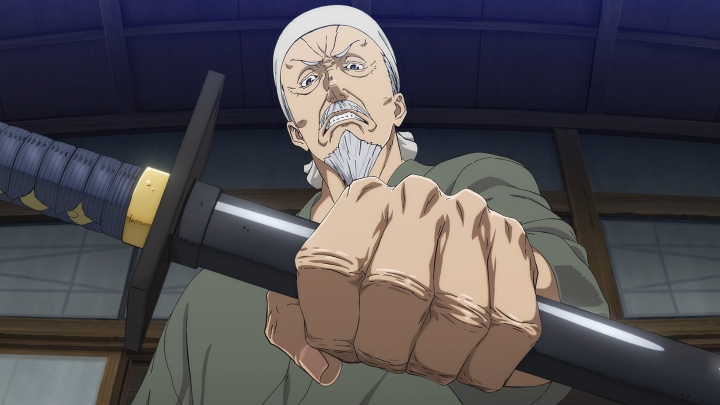
Wooper: Given its themes of militarism, murder, and national disorder, I didn’t think Nippon Sangoku would have such a postmodern tone. This episode used fast-forward effects to speed through its stern protagonist’s lectures, and comedic sound samples to accompany on-screen text about historical figures. Its vertically oriented opening scene adopted an ironic cheeriness while narrating Japan’s future downfall, leading to the country’s fracturing into three warring kingdoms. One of its characters even crumpled up a background image (which should have been visible only to the audience) out of frustration at one point. All of this worked shockingly well in spite of this episode’s bloodiness – if I had to say why, I’d point to the script’s focus on newlyweds Aoteru and Saki. There are allusions to regions and characters elsewhere in Japan, and it’s clear we’ll travel to and meet them eventually, but the entire premiere takes place in the newlyweds’ district, within a week or two of their nuptials. We’re granted access to their arguments, their hushed nighttime conversations, and their anguish at the tragedy that a visitor wreaks in their relationship (being purposefully vague here). By the end, Aoteru’s resolve to travel as far as Osaka makes perfect sense, as does the sudden return to the bright colors of the opening scene (contrasting the snowy landscapes of his hometown). Nippon Sangoku hit the biggest homer of the season with this premiere – now to see whether it can hit for contact as well as power.
Potential: 90%

Marriagetoxin

Short Synopsis: A poison assassin makes a pact with a swindler for romantic advice.

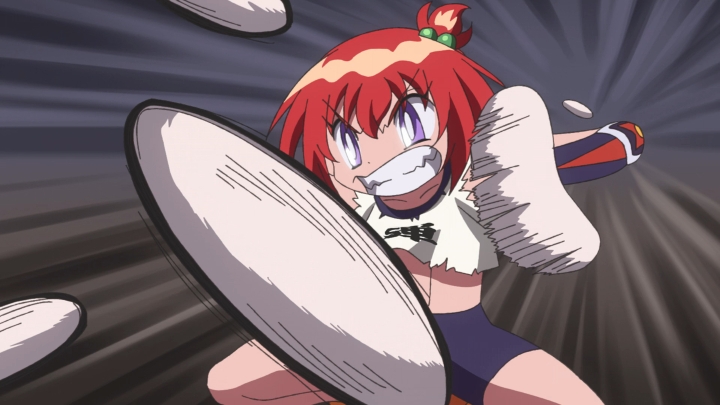
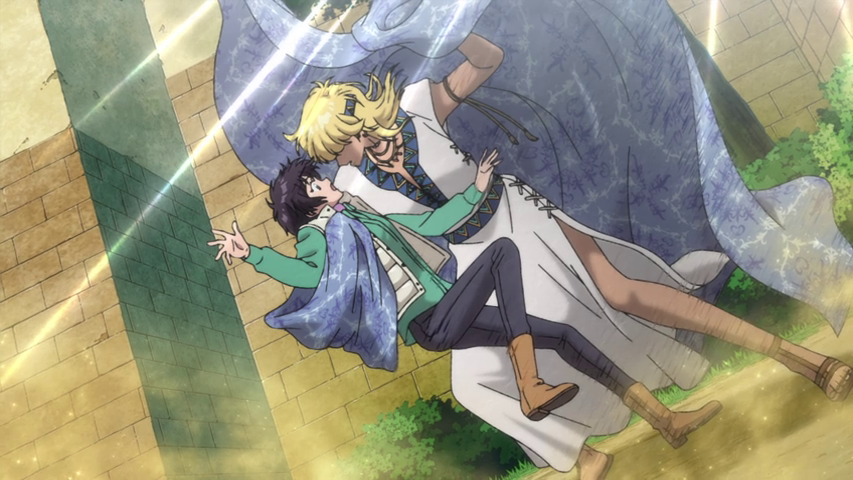
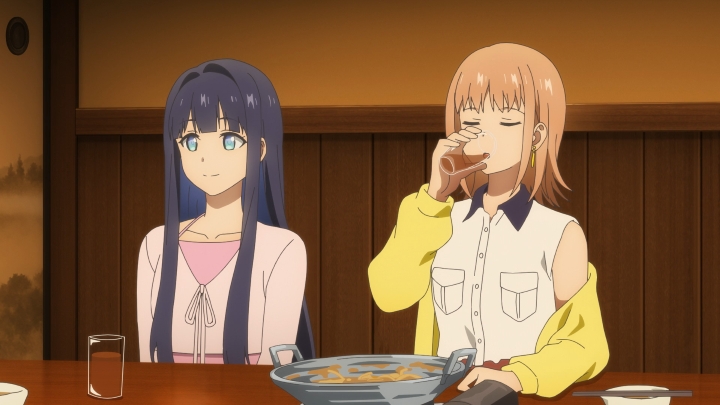
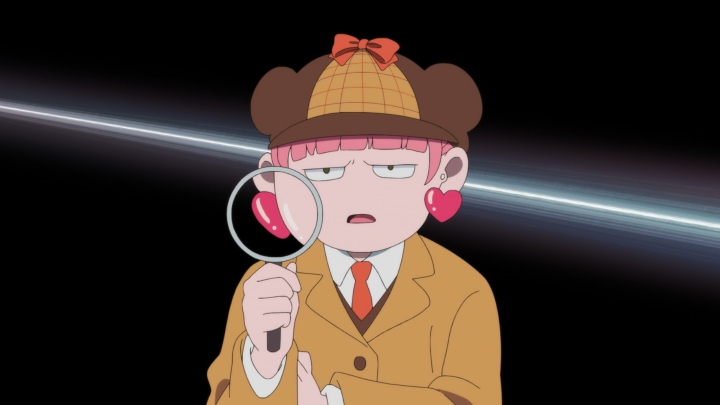
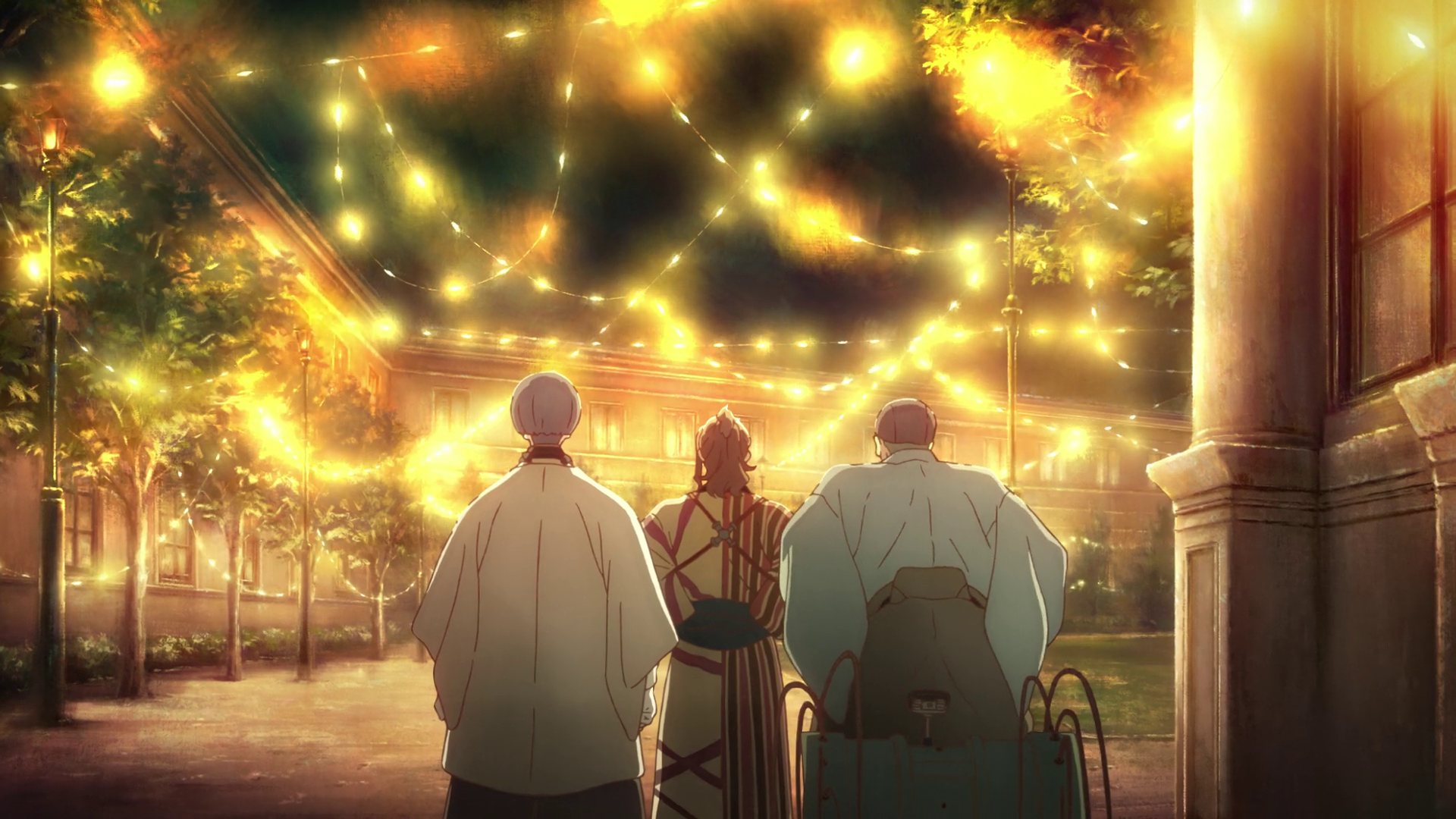
Mario: While the setup of Marriagetoxin hardly offers anything surprising (except for one particular twist), it’s the presentation that sells it for me so far. It’s about this lone-wolf assassin who yearns for a relationship, so he makes a random decision to ask his victim for help with relationships in exchange for “her” life. Somewhere amidst that setup, his poison skills make him some sort of superhero with toxins as a weapon. So yeah, it’s the most straightforward rendition of the title “Marriagetoxin”, and it’s not to the show’s benefit that all these side characters so far aside from our two leads are one-note. But it has an energetic atmosphere and above-average production so far. The episode’s big chase sense looks great and it’s a wild ride throughout. Gero and Kinosaki’s dynamic is also a major strength so far with solid and sincere chemistry. While I don’t think Marriagetoxin will be breakout hit for this season, it looks to be a fun ride.
Potential: 40%

The Klutzy Class Monitor and
the Girl with the Short Skirt

Short Synopsis: A high school girl falls in love with the strict class representative who constantly nags her about her attire.

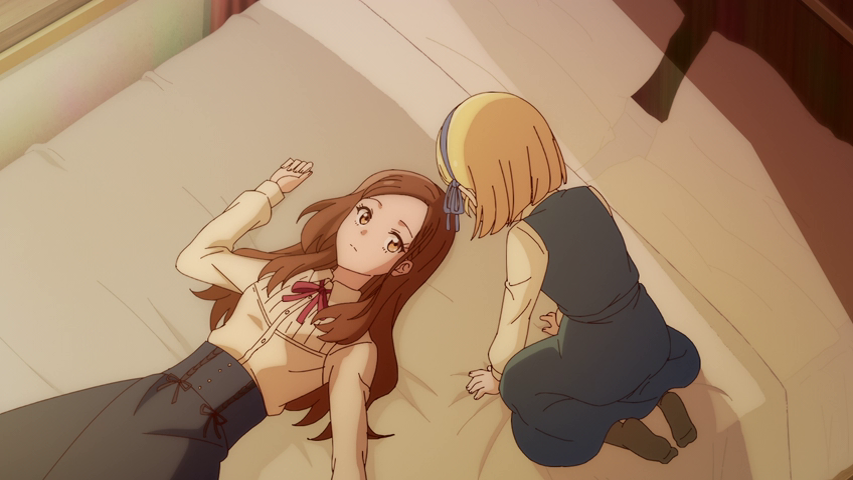
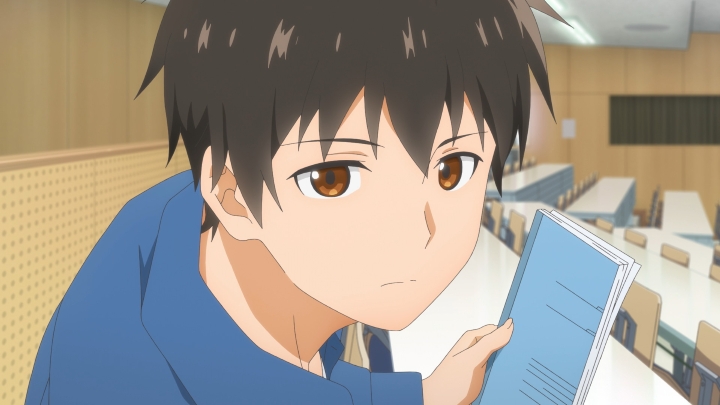
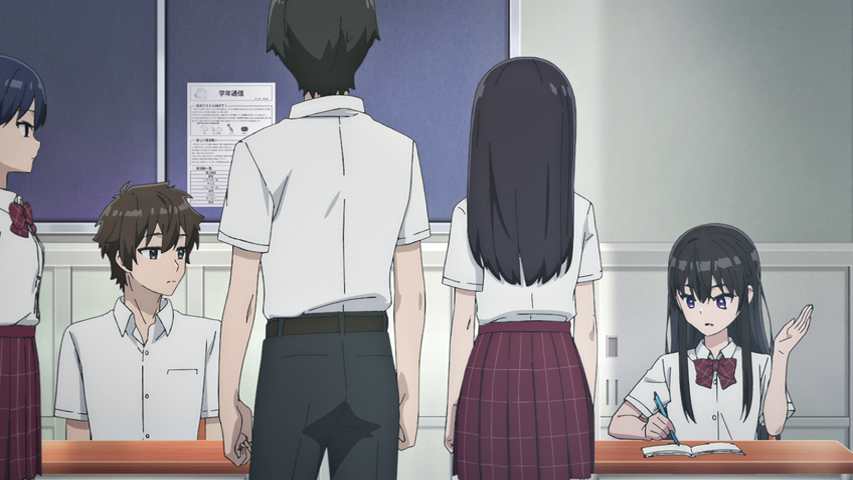
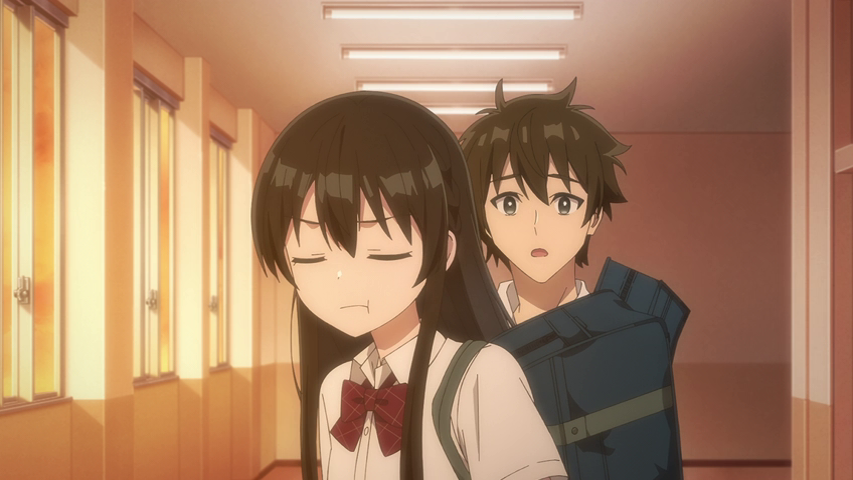
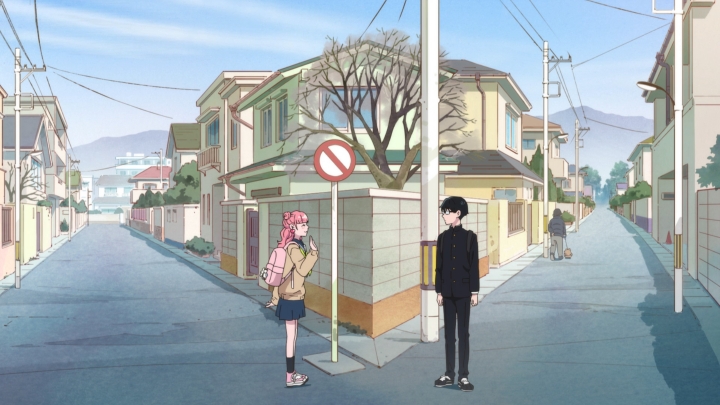
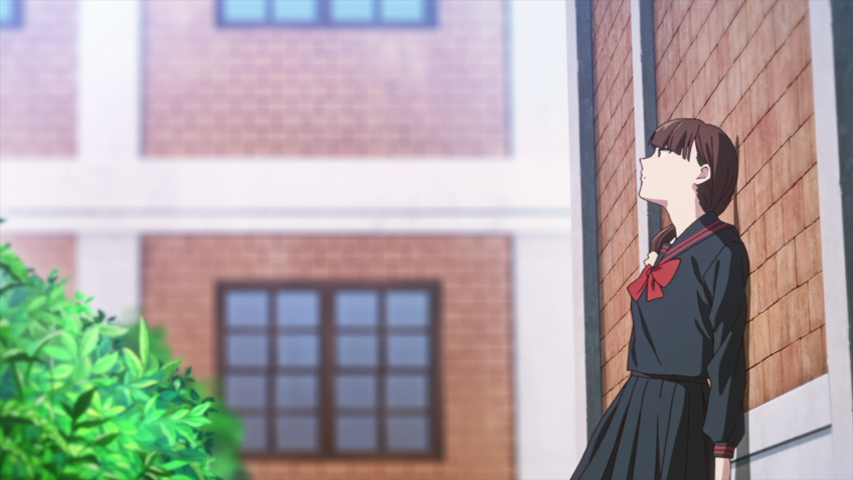
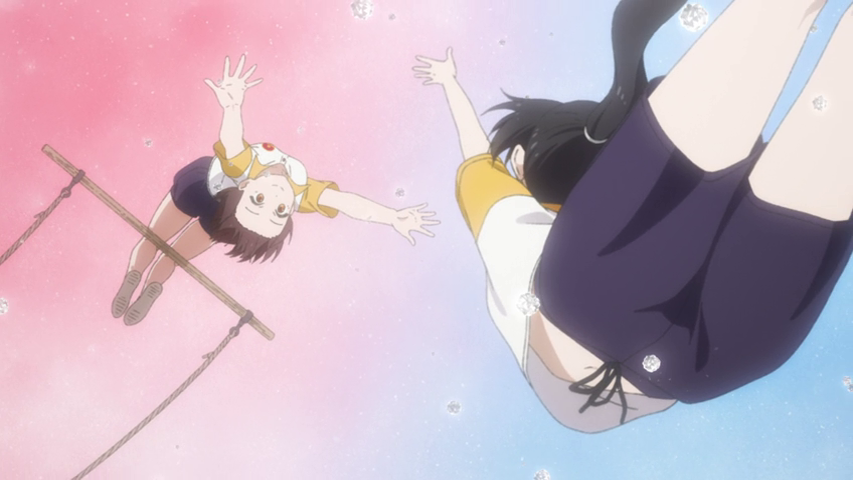
Wooper: Anime as a whole (maybe even Japan as a whole) has a fixation on skirts, and while I haven’t seen many of the shows built around that fixation, I’ll hazard a guess that most of them aren’t so good. After getting a look at Klutzy Class Monitor’s “colorized manga” art direction, though, I decided to give its first episode a shot, and came away pleasantly surprised. The male lead’s gender politics may be half a century out of date, but he’s not so inflexible that he can’t strike up a friendship with the short-skirted girl from the title, plus a couple of her friends as well. Every time he accuses them of breaking a rule, the combination of their teasing and his repressed good-naturedness results in him backing down, which has the effect of placing the characters as the show’s number one priority. It’s a nice loop, and one that extends to a hot-headed health representative before the premiere is through, with the promise of more over-the-top classmates to come. Together with the sharp use of color and screentone effects for the backgrounds, this show’s positivity made it a lot nicer to look at and listen to than I expected. Klutzy Class Monitor is still limited by its premise, but it’s nothing I’d judge anyone for looking forward to each week.
Potential: 35%

Spring 2026 Impressions: Witch Hat Atelier, Needy Girl Overdose, Kanan-sama wa Akumade Choroi

Witch Hat Atelier

Short Synopsis: Little girl who doesn’t know magic accidentally turns her mom into a rock, then joins a secret society of witches to try and fix it.

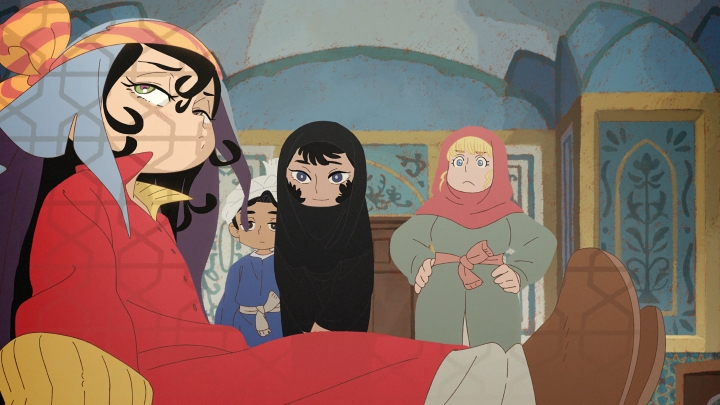
Lenlo: I need to admit my bias from the start, I love Witch Hat Atelier. It’s one of my favorite currently publishing manga with beautiful art and a heartwrenching story. It’s not perfect, I still think the whole “Kill the mom” bit is unnecessary, but by and large I can attest to the narrative being great. My only real concern was only ever going to be the production. This is BUG FILMS’ second show, the first being Zom 100, which had its own issues. Additionally, while Ayumu Watanabe is a pretty good director with shows like Komi Can’t Communicate and After the Rain under his belt, he’s doing Atelier and Akane-banashi AT THE SAME TIME. I worry that one of two will suffer from neglect as he splits his attention between them, and considering my love for both of these series, I’d prefer neither of them suffer for him thinking he could handle the work load. Now to be fair, so far Atelier is looking pretty good. There’s some great sequences, finale of ep 1 was especially good, and I especially enjoyed the use of the manga art to add this storybook effect to certain scenes and change things up, though the second episode had a few odd shots. The real question is whether or not BUG FILMS can keep this up for an entire season, and the trailer/PV didn’t fill me with a lot of hope for that. Still, I’ll trust them for now and hope it works out, cause I love this show.
Potential: 80%

Needy Girl Overdose

Short Synopsis: Livestreamers achieve cultural dominance through concerts, interviews, and mental breakdowns.

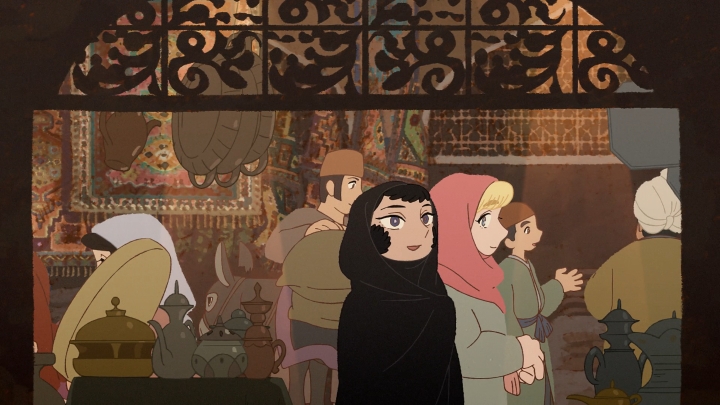
Wooper: I’m assuming this premiere requires knowledge of the identically named video game (retitled to “Needy Streamer Overload” outside Japan) to be fully understood, because a lot of it went straight over my head. The bustling directorial style surely contributed to that feeling, utilizing live action footage, Monogatari-esque text cards, flashes of 80s-inspired graphic design, and nondiegetic images like echocardiograms to represent characters’ emotions. Needy Girl Overdose is set in a future where the internet has subsumed the real world in terms of importance, resulting in massive societal backsliding; it depicts men as lascivious and abusive (there’s an off-screen rape scene whose victim is shown with the beginnings of a black eye) and livestreamers, who rule the digital landscape, as unstable and conspiratorial. I can relate to its cynicism, but its characters are another story, as the switches in perspective between KAngel, Kache, and the trio of rising star streamers (led by Poison Denpa Girl) exacerbate the difficulties posed by the show’s presentation. This show is destined to develop a cult following, so while I won’t be part of it, those of you with high visual processing power may glean something from the experience.
Potential: ???

Kanan-sama wa Akumade Choroi

Short Synopsis: A devil posing as a high school girl lures a human boy to devour him, but falls in love with him instead.

Mario: I suppose how much you enjoy this show will depend on how much you enjoy Kanan as a character. We see her bouncing from one spectrum to the other, from a prestigious demon king’s daughter who “hunts” human souls, to a vanilla teenager who experiences love for the first time. The characters surrounding her so far consist of her cardboard love interest and a father who loves to eat more than anything else (heck, his face is buried under a pile of food). Even if you don’t mind anime romcoms, Kanan’s constant shrieking could turn some viewers off quickly. I’d say that Kanan-sama’s devilish appeal is the only thing this show has, so if you want something more substantial you might need to look elsewhere.
Potential: 0%

Spring 2026 Impressions: Daemons of the Shadow Realm, Killed Again Mr. Detective?, Kirio Fan Club

Daemons of the Shadow Realm

Short Synopsis: A teenage hunter’s primitive village is attacked by enemies with modern vehicles and weaponry.

Wooper: I figured it’d be more than just one person giving his thoughts on the premiere of the new Hiromu Arakawa adaptation, but maybe “author of Fullmetal Alchemist” doesn’t have the clout it once did. Or maybe Yomi no Tsugai’s localized title is so nonspecific that people are unknowingly passing it over – I wouldn’t blame them, especially in a post-Demon Slayer world. Setting aside the questions of its popularity or marketing, Daemons is off to a pretty good start with this episode. It’s got strong animation and a good handle on how to incorporate its occasional 3D elements into the frame, while thankfully keeping its supernatural servants restricted to the 2D plane. Even a scene where the main character’s newly awakened daemons take flight and tear a pair of helicopters to pieces only used CG for the copters themselves, which is a good sign. The establishing minutes provide a good intro to Yuru and his village, and the chaos of the subsequent invasion is fairly effective. My main issue is that Yuru’s bond with his twin sister is given limited focus, which has repercussions at a critical point during the invasion – but there’s clearly a lot we have yet to learn about both her identity and Daemons’ larger mythology. My curiosity isn’t exactly piqued, but I’ll obviously be returning for episode 2, so assuming the show’s explanation is satisfying, it’ll probably make a weekly viewer out of me.
Potential: 60%

Killed Again, Mr. Detective?

Short Synopsis: A young detective gets himself into a murder case while on a cruise… as a murder victim.

Mario: The “Killed Again, Mr. Detective” title doesn’t become relevant until the last scene of this episode, which is the show’s main twist: our boy has the ability to come back to life after getting killed. For me, though, that’s the only noteworthy thing in this episode, as I care much less about the characters and the case they are currently following. It isn’t a good sign, for example, to introduce a character by having them sniff a boy’s jacket. Likewise, none of the dialogue sounds like proper human speech, and even our protagonist’s first reaction when he sees the dead body is very unnatural. The case itself is mostly set up so far but you can somewhat tell who’s important based on their over-designed appearance. Sadly, even though I like the mystery genre in general, I don’t see myself coming back for more of this one.
Potential: 10%

Kirio Fan Club

Short Synopsis: A pair of high school girls crack jokes while competing over their love of the same guy.

Wooper: Kirio Fan Club belongs to a subset of anime comedies about high school girls chatting aimlessly, which I’ve never been a big fan of (if I had to pick a favorite, I’d go with Joshiraku). What sets Fan Club apart is that its two comediennes like the same boy, so a good portion of their riffing has to do with him, but seeing as his bangs are drawn long enough to purposely obscure his eyes, he’s more MacGuffin than man. By the end of the episode, it becomes clear that only one of them truly has a crush on Kirio, while the other is merely playing along to remain close to her friend (and maybe to sabotage her efforts to be with him). That’s pretty novel, but it’s everything before that which I’m not thrilled about – the jokes just weren’t there, especially in the episode’s second half, where the events of one of the girl’s dreams began to come true and we had to wait ages for a clearly telegraphed payoff. There are some positives here – the upbeat rap-rock OP, the passable visuals, a particular blackboard-related gag – but overall the gutter balls far outweighed the strikes for me.
Potential: 20%

Mario: I think it’s on me that I had the wrong impression about this show after watching the pre-OP scene. When a random girl confesses to a boy, and then it pulls back to reveal two girls who listen to it, with the comment that “we never knew loving someone could be so… hurtful”, I did expect a “Scum’s Wish” clone in terms of tone and style with emotional manipulation. Turns out Kirio Fan Club is more of a comedy about two girls that have the same crush, a boy “so special” they are afraid to talk to. “Comedy” is a loose term here as sometimes I’m not sure if the humor is intentional or not. As it stands, while I do not mind shows about girls talking aimlessly (as Wooper put it), most of what they talk about is about a faceless guy, and I’m not sure if that topic is interesting enough to maintain our attention for a full cour.
Potential: 20%

Spring 2026 Impressions: Akane-banashi, Snowball Earth, MAO

Akane-banashi

Short Synopsis: Akane Osaki learned everything she knows about Rakugo from her father. After watching him be expelled from his school on the day of his promotion, she resolves to surpass the man who did it.

Lenlo: Look, I already know Akanebanashi’s story is going to be good, I’m current on the manga and it’s one of the best things currently publishing. Akane is a fantastic lead and Rakugo is always an interesting subject to follow, with endless stories to be told. The real question to me is how well can ZEXCS adapt it to anime. Visually, Akanebanashi was pretty good! I loved the motif of the door slit effect showing/reminding us how she always watched her father, her roots as a Rakugoka, and the performances themselves, both Shinta’s exam and his overlapping performance with Akan, were great! My real concern though is with our lead voice actor, Anna Nagase. While she certainly isn’t bad as Akane, this is going to be a really really demanding role and I’m not sure “good” is going to be enough for a Rakugo-centric story that will inevitably be compared to Akira Ishida in Showa Genroku Rakugo Shinju. Only time will tell here, as it’s possible Nagase will rise to the occasion just as Akane herself does and she’s holding back early to help sell that progression, her performance as Riko Amanai in Jujutsu Kaisen certainly makes me think she can pull it off. But so much of this story hinges on her being able to sell these Rakugo performances. If nothing else though, Akanebanashi did a good job of setting up and selling the story, and I think that alone will be enough to draw in new fans and show them why I love this series so much.
Potential: 70%

Snowball Earth

Short Synopsis: A lonesome kid becomes humanity’s savior after piloting a mech during a kaiju invasion, but he’s put into cold sleep after his final mission ends in failure.

Wooper: I figured this premiere would open with the frozen Earth promised by its title, then periodically flash back to how its protagonist ended up there, but this version of the story is fine, too. Most of this episode covers Tetsuo’s rise from awkward child who pilots his dad’s robot (cribbing from Gundam) to guardian of the human race, who accompanies a nautical spaceship with an Infinity Laser (cribbing from Yamato) on its mission to exterminate the kaiju threatening their planet. Along the way he pulls weird faces and slurs his words out of nervousness, occasionally referring to a self-help book about how to make friends, since he’s never had one before. That’s the aspect of Snowball Earth that was most discouraging to me – the CG was passable and the theft of Japanese sci-fi tropes was amusing, but I’ve had just about enough of debilitating social anxiety in anime. The way it’s written typically lacks credibility, even as an exaggerated version of a real world condition, and it’s the same for Snowball Earth, with the hero’s sentient mech humorously prodding him about his lack of confidence just minutes before an interstellar battle for humanity’s survival. I’m down for a post-apocalyptic series with a lighter tone than usual, but not one with this show’s methods.
Potential: 15%

MAO

Short Synopsis: What if Inuyasha was set in the Taisho-era, but instead of a demon he was a standoff-ish Ikemen?

Lenlo: So like… This is just a knockoff Inuyasha right? Or like, someone wanted to remake Inuyasha but couldn’t so decided to make their own instead? I’m being a bit facetious, MAO is set in Taisho-era Japan instead of the Sengoku period, and Mao is more of a jaded old man in an Ikemen’s body rather than a brash demon, but the spirit of it all still holds true. The one nice thing MAO has going for it is a seemingly actually powerful female lead judging by her ability to leap tall buildings in a single bound, though she hasn’t done much yet. All in all, MAO simply isn’t that interesting, it’s visually bland, and there’s nothing that engaging about the first episode, but nothing glaringly wrong either.
Potential: 20%

Spring 2026 Impressions: Dorohedoro S2, The Ramparts of Ice, Petals of Reincarnation

Dorohedoro S2

Short Synopsis: Season 2 of Dorohedoro, I don’t know how to explain it other than that, it’s crazy.

Lenlo: Ah Dorohedoro, you’re just as insane as when I left you. It took me all 3 episodes to figure out where the hell we were and what the fuck was happening, but once I did it felt like I had never left. Now I won’t lie, Dorohedoro is a confusing show that does not try very hard to keep you up to date. If you fall behind, if you aren’t paying attention, if you don’t watch the 90 second recap of Season 1, it will not remind you, it just jumps right in where we left off as if the finale was yesterday, and I can see that turning a lot of people off. But if you enjoyed the first second, and are ok with a little homework to remember where we are, I genuinely believe there is nothing quite like Dorohedoro’s focused insanity. It actually reminds me of Golden Kamuy in a lot of ways, where it can jump from one completely unrelated scene to another, mixing silly comedy and gore-filled violence side by side. Just instead of being set in 20th Hokkaido, it’s a mystical post-apocalyptic industrial fantasy world where literally anyone can die at any time.
Potential: 80%

The Ramparts of Ice

Short Synopsis: A frosty high school girl handles uncomfortable social situations to the best of her ability.

Wooper: I can’t help but compare The Ramparts of Ice (Koori no Jouheki) to its cousin You and I Are Polar Opposites, since it’s sandwiched between that series’ first and second seasons. The character designs make it clear that both shows are based on manga by the same artist, but based on this premiere, Ramparts got the worse end of the deal. The ice queen trope it uses to characterize the female lead (Koyuki) is bluntly implemented, and her classmates’ fear of her is equaled only by their worship of her friend Miki. Koyuki is already on her way to forming an unlikely bond with a popular guy, as well – it feels too much like a dozen other broadly-written high school anime. Then there’s the abundance of chibi scenes, which always cut away to a screentone background rather than incorporating the deformed characters into the real world. After seeing Polar Opposites successfully opt for the latter strategy last season, Ramparts’ direction feels like a downgrade. Its pre-ED flashbacks to some major drama from Koyuki’s middle school days were more intriguing than expected, but I don’t know whether I’ll watch for long enough to learn all the details there.
Potential: 30%

Petals of Reincarnation

Short Synopsis: Adolf Hitler, yes that Adolf Hitler, is reincarnated as a loli in this Fate ripoff. Hitler isn’t actually the main character, but I felt it important you know this.

Lenlo: My first thought watching Kaben was… unimpressed? It feels like a mix of Persona and Fate, except it lacks the same sort of Jungian Psychology of Persona and the gravitas of Fate. It feels like Kaben is just using their visuals and ideas slapped together into something “cool” without understanding or thinking about anything behind it. The lead is a little interesting, I’m always down for an unapologetic asshole as our main character, and this idea of stealing talent rather than honing/being proud of your own talent could actually go somewhere. But between this being Studio BENTEN’s first production, and Shun Kudou’s second ever director position, the first being Grendizer U, I can’t say I have a lot of faith in this going anywhere I want to watch.
Potential: 10%

Guest Post: Unearthed Treasures with Firechick: Rune Factory 3 (77/100)

Man, the 2020s have been a great time to be a Rune Factory fan. Rune Factory 4 got a Switch port, Rune Factory 5 finally came out after years of being in limbo, Rune Factory 3 also got a Switch port that just came out, and a new RF game is reported to be in development, Rune Factory 6. We RF fans are eating like kings and queens! As I just mentioned, Rune Factory 3 got a Switch port that came out in 2023 called Rune Factory 3 Special, a slight remaster of the Nintendo DS game from 2009, with the only changes being more polished graphics, some DLC outfits, the Newlywed Mode segments and extra episodes exploring the main cast. From what I’ve heard, Rune Factory 3 was the game where the RF series really began to find its footing and hit its stride, and it’s considered the best out of the three DS games. If you’re coming into this game after RFs 4 and 5, you’ll notice that this game doesn’t have a lot of the quality of life improvements that later games would have, such as choosing a female MC, interacting with your shipping box, and so on, but there are reasons Rune Factory 3 is still fairly beloved to this day.

Continue reading “Guest Post: Unearthed Treasures with Firechick: Rune Factory 3 (77/100)”

Winter 2026 Check-In – Weeks 11-13

Wooper: We interrupt your just-begun spring 2026 impressions with some final thoughts on four just-wrapped winter anime, plus one that began an unceremonious pause after a double-length premiere. There are a handful of winter shows I didn’t cover that will require a fair shake before EOY (ShiboYugi chief among them), but this is all I’ve got for now. Alright, back to the First Impressions grind!

JoJo’s Bizarre Adventure:
Steel Ball Run – 1

I hadn’t tuned in to a JoJo anime since bailing on Diamond is Unbreakable nearly a decade ago, but Steel Ball Run presented an opportunity to give the franchise another spin, since it takes place in a separate universe. Its continuity is so fresh, in fact, that it places more emphasis on the titular cross-country race than any of its familiarly named characters – with the exception of Johnny Joestar, who receives a rather momentum-breaking flashback explaining his paraplegia. That scene’s blunt implementation didn’t inspire much confidence that future flashbacks will blend in well, and there will probably be many of them, since the race started so quickly that a lot of pre-race context will become necessary as the story evolves. This two-parter did keep a lot of other details close to its ridiculously costumed chest, such as the nature of Gyro Zeppeli’s Hamon-like ability and the way Sandman instantaneously developed his ultra-fast running style. I like the decision to preserve some mysteries for the future, though the lack of an airdate for subsequent episodes means that future may be far away.

P.S. Were JoJo’s fifth and sixth parts as scatological as Steel Ball Run? There were three references to poop in this premiere, which is a lot, even for a double length episode. Weird stuff!

Continue reading “Winter 2026 Check-In – Weeks 11-13”

Spring 2026 Impressions: Agents of the Four Seasons, Always a Catch, Ganbare Nakamura-kun

Agents of the Four Seasons:
Dance of Spring

Short Synopsis: A priestess of spring performs a ritual to restore her long-dormant season to a wintery region.

Wooper: Agents of the Four Seasons begins with a flashback to the main character’s bodyguard getting shot amidst a hail of automatic gunfire, which hardly reflects its seasonal theme, even if it’s snowing heavily while it happens. There are other flashes of modernity throughout the episode (the bureaucracy surrounding its lore, smart devices on display during the closing montage), which were distracting for me, but the show is quite pretty when it’s depicting snowy mountains and cherry trees reborn through protagonist Hinagiku’s ritual. She’s a human imbued by the Goddess of Spring with the power to restore plant life through song and dance, and there’s a whole government department set up to monitor her actions, as well as (presumably) those of the other Agents. Hinagiku’s halting speech pattern is certainly distinctive, but I haven’t got a real issue with it – her bodyguard’s seiyuu, on the other hand, gives an overperformance that I didn’t feel was properly supported by the flashback at the start. Agents of the Four Seasons clearly wants to tell a bigger story of conflict between man and nature (and perhaps between the seasons themselves), so you can’t judge the whole series by this one-off “restore spring to a local region” story. So far, though, the visuals are its only strong suit.
Potential: 40%

Always a Catch!

Short Synopsis: A tomboyish noble girl gets engaged to a neighboring country’s crown prince without knowing it.

Mario: We have yet another “villainess with a good heart” story set in an otome-inspired universe. Normally I’m fine with that increasingly over-saturated subgenre, but here, it fails to leave me with any lasting impact. The story hardly surprises me at all, as we have all the setups of your typical reverse-harem otome shows. The lead girl is a bit quirky and unconventional (check); despite going to school, we get to see all of her potential suitors (check); there’s a best friend girl (check) and a rival (also check) with classic blonde curls! Even though our heroine Maria is billed as “independent,” the show bends over backwards by having her join an academy to “find a husband” because she’s no longer the heir of her family. It’s kind of sexist don’t you think? With generic characters and even more generic designs, sadly this one is a pass for me.
Potential: 10%

Ganbare, Nakamura-kun!

Short Synopsis: Nakamura-kun falls in love at first sight, but with a twist.

Mario: Ganbare Nakamura-kun reminds you of an old, feel-good era that you yourself never experienced. Its retro style, both in character designs and color scheme, strongly resembles those 80s anime romcom hits like Maison Ikkoku and Kimagure Orange Road, which seems highly intentional. It’s a queer love story as well, which makes it both funny and endearing. But having said that, it still pretty much uses the same cloth with all the romcom tropes we have seen before: our boy is too shy to approach his crush, and when he does he wrecks his chance instead. The only moment that he truly acts like himself has something to do with his weird obsession with octopuses (really!). To add to that, his love interest Hirose is not that deep of a character so far, as we only see him through Nakamura’s filtered point of view. For now, I like the show’s style, but I’m not totally invested in any of the characters, let alone the central romance.
Potential: 25%

Spring 2026 Season Preview

Wooper: Having been pummeled with multiple snowstorms this past winter, I’ve been ready for spring’s arrival for a while now – and not only as a reprieve from the weather, as series after exciting series have converged to make this one of my most anticipated seasons since I began writing for Star Crossed. The headliners include a two cour adaptation of Hiromu Arakawa’s new series, a pair of fourth seasons for two isekai stalwarts (not covered here, though they hardly need the help), and the long-awaited final entrant in modern fantasy manga’s Big Three. What’s most interesting about this spring, though, is its wide range of second tier shows, which pull from classic comics about wine tasting and financial mind games, as well as next gen works about rakugo and graffiti. Both veteran directors and young hopefuls are represented in the preview below, which has me feeling uncommonly optimistic about the state of anime. Will enough of our picks pan out to justify that enthusiasm? First Impressions are just over a week away, so we’ll find out soon enough!

Middling Expectations

Agents of the Four Seasons:
Dance of Spring

Studio: Wit
Director: Ken Yamamoto
Series composition: Ayumu Hisao
Source: Light novel

The Premise: The Agent of Spring and her trusted guardian embark on a journey to usher in Yamato’s first spring in ten years.

I typically avoid using series’ in-universe terminology when summarizing their premises, but there’s no way to do that for Agents of the Four Seasons, a modern fantasy with a plot entirely defined by its worldbuilding. There’s a creation myth setup, with a personified Winter creating Spring, Summer and Autumn, each of whom grant their power to humans called Agents (hence the title), who usher in their respective seasons through song and dance. This sounded pretty good to me until I honed in on the “modern” in modern fantasy – the technology here is so contemporary that the PV features a fight scene set at an airfield. I can’t really envision a story this folkloric taking place in a world with central heating, but I’ll still give Agents a shot, as it’s directed by Ken Yamamoto, who demonstrated a mastery of winter scenery in his Pokemon short series “Hisuian Snow.” The major selling point for most people here will be the author of the source material: Kana Akatsuki, who also wrote Violet Evergarden. I wasn’t a big fan of that show, but this is a separate work by a different creative team, so it may offer some surprises.

Continue reading “Spring 2026 Season Preview”

Winter 2026 Check-In – Weeks 7-10

Wooper: I don’t know why I said I’d write a first impression for Rooster Fighter in the intro to the last check-in post. Maybe I was on drugs – though certainly not as big a dose as I’d need to enjoy the show itself (as befitting an Adult Swim series). It’s just the three regulars plus Ganglion, then, with thoughts on a bunch of episodes crammed into only a handful of paragraphs. The Spring Preview takes priority, I’m afraid – it ought to go up in four days or so, so be on the lookout for that as the winter season begins to wind down.

You and I Are Polar Opposites – 7-9

I’m beginning to get fatigued of all these socially anxious anime characters who find a friend group and learn to express themselves. Polar Opposites’ representative in that field is Nishi, Tani’s co-worker in the library after school – she’s twice as quiet as he is, so the show’s primary strength (conversation) hardly applies to her. Of these three episodes, Nishi only appeared in number 7, and it was a warranted appearance, resolving her encounter with Yamada during the previous episode’s culture festival. Still, she’s my least favorite of the show’s otherwise fun cast – thankfully, the other two weeks in this batch were primarily concerned with our main couple, especially when Tani’s birthday rolled around. Teenage staples like falling asleep on a phone call and celebrating with store-bought cakes brought a smile to my face, but the funniest moment of all came at the very end of episode 9, when Suzuki terastallized in excitement after kissing her boyfriend goodnight. As for the show’s secondary couple, their non-relationship underwent a bit of a stress test the week beforehand, as Taira insisted that Azuma discard her nonchalant persona and “get angry” over her middle school friends’ poor treatment of her. I’m still not sure how I feel about his phrasing, but it made for a sharp change of pace.

Continue reading “Winter 2026 Check-In – Weeks 7-10”