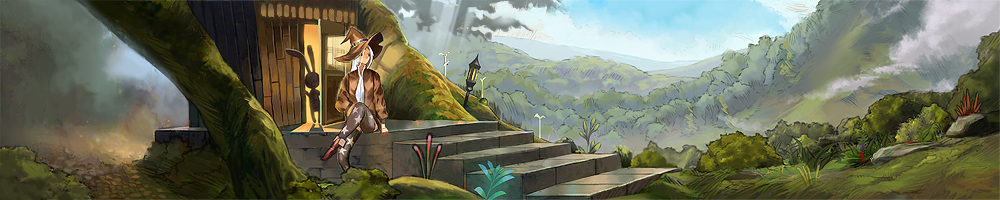
Wooper: With the summer season well underway, I doubt many people are clamoring for months-old thoughts on spring anime, so this post is mostly for me, as it had been hanging around my to-do list for far too long. To tell the truth, I haven’t watched a single episode of a currently airing show beyond last month’s First Impressions period, but I’m still alive, at least. You ought to hear from us again at least once between now and the Fall Season Preview, but for now, let’s rewind the clock to June of this year, starting with my Spring AOTS.
Awajima Hyakkei – 9-12
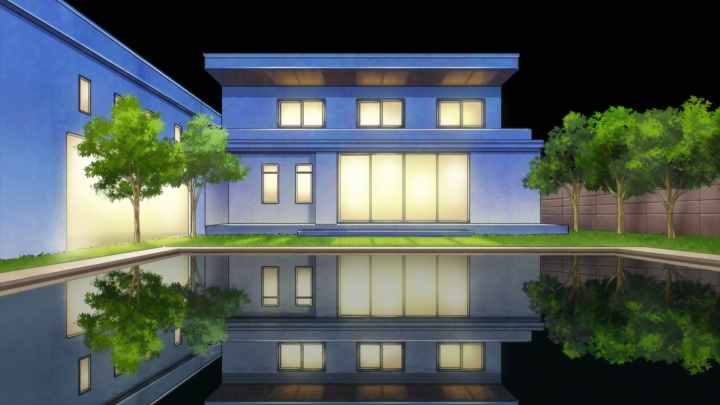
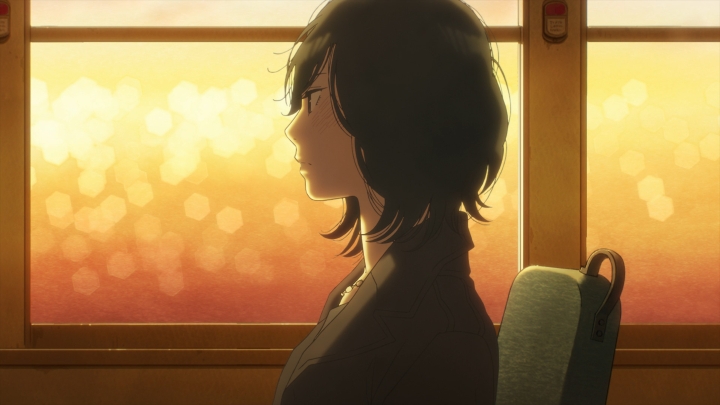
After serving as the series’ introductory protagonist, then disappearing around the middle of its run, Wakana Tabata returned for all of Awajima Hyakkei’s final four outings. In keeping with the show’s multigenerational theme, however, we weren’t reintroduced to her in just one time period, but two. Her older teenage self served as a roommate to promising freshman Akiho Kashiwabara (just as Kinue was once Wakana’s older roommate), while a future storyline covered her career as an author. Kashiwabara’s lone appearance in episode 9 gave the series another chance to tackle one of its secondary themes in fame, as her parents (both actors) were embroiled in a cheating scandal, but it was adult Wakana’s work on a book about Awajima Opera School that consumed the series’ closing chapters. That sustained focus on a single story marked a departure from its anthological approach, and to be honest, it didn’t lead to the show finding another gear; its best episodes remain the ones that function in isolation, particularly number 3, which I’d place among the best of the decade thus far. Still, the trajectory of the last few episodes did allow Awajima to bring things full circle – an admirable feat, since the show’s cast was huge.
It was Ibuki-sensei’s last wish that Wakana bring Awajima’s culture of intimidation and psychological pressure to light, which provided partial closure to her involvement in Emi and Yukie’s past withdrawal from the school in episode 2. As part of her research, Wakana interviewed not only Awajima alumni from previous episodes, but also Emi’s widower, requiring her to balance Ibuki-sensei’s desire for atonement with the wishes of one of her victims’ families. Emi’s second son, in particular, resisted the idea of his mother’s tormentors receiving any sort of redemption. This emotional knottiness was made more potent by the lack of detail surrounding the events of that second episode – had the show spelled out what exactly had led to Emi’s disappearance and Yukie’s suicide attempt, it would have risked a melodramatic finish. Instead, we got something less clear but more conclusive, with the victims being represented both in Wakana’s book and on stage as part of a new production centered on Awajima’s institutional failings. That finish was perhaps a bit too tidy, but ending on a flashback shot of Emi’s determined expression went a long way in justifying the series’ efforts to tell her story in the present day.
Nippon Sangoku – 9-12
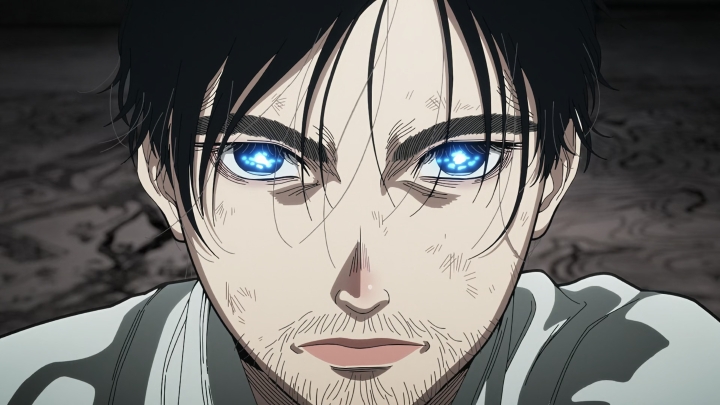
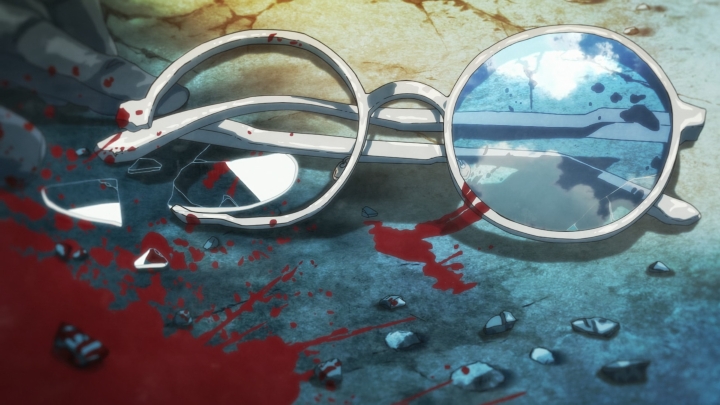
The pivotal moment in this final batch of episodes, at least in terms of their plot, was the Emperor’s defiance of Taira, who had dominated previous council meetings through violence (and the suggestion thereof). By spurning his father-in-law and agreeing to Aoteru’s false retreat plan, the Emperor created a chink in Taira’s political armor, which the series will likely exploit in its sequel. I had trouble viewing this development as a strong pivot point, however – not because it was undone by Taira’s coup in episode 12, but because Aoteru’s plan played out so quickly (and with such heavy involvement from the series’ narrator) that it felt like a summary of events rather than a true reversal of fortune. In truth, the plan was Kaku’s and Aoteru was only the messenger, so given Kaku’s illness and eventual death, it was a little sad to see his grand vision play out in CliffsNotes form. I did appreciate the swiftness of the aforementioned coup, however, with Taira breaking up the short-lived Yamato/Seii alliance and Aoteru ending up in prison. The resulting cliffhanger, plus the introduction of several key characters in the third of its Three Kingdoms (Buo), put the show in a good spot heading into its second season. I’ll definitely be back for more whenever it airs, with the hope that the military side of its storytelling becomes a bit more gradual.
Dorohedoro S2 – 9-11
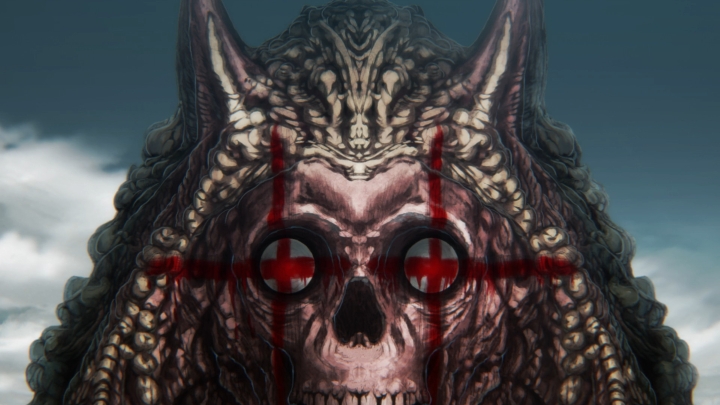
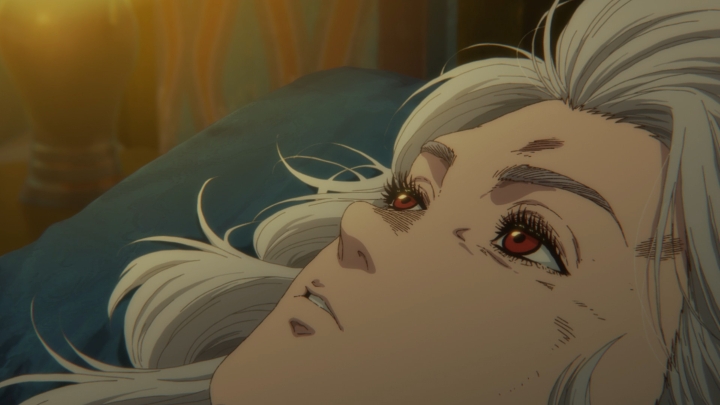
There’s one thing I can say for sure after catching up on these last three episodes: people aren’t meant to take two month breaks between episodes of Dorohedoro. Even with Caiman and his confounding identity crisis temporarily out of the picture here, the mysterious Aikawa stepped up to provide the audience with multiple visions of Kai and the headless questioner, both of whom seem to be connected to the show’s central mystery. As if that weren’t enough, Risu’s sanity also began to slip as he obsessed over the identity of his murderer and underwent several transformations into his Curse form. The first of those Curse appearances happened in episode 9, but it came and went in a heartbeat, as Haru’s impromptu death metal performance proved a supernatural repellent to his magic. These sorts of irreverent plot contrivances are part of Dorohedoro’s appeal (another was the post hoc introduction of an invisible character named Sho, who was implied to have been present during many past scenes), but they weren’t super helpful for someone struggling to reconstruct his mental web of the series. On the other hand, individual moments like Kai’s season-ending murder of Natsuki kept the entertainment and horror factors high – the Blade Runner-esque synth tone during that sequence made it as transcendent as it was upsetting, especially after she’d earned her place among the Cross-Eyes’ top ranks. People come back from the dead all the time on this show, but something tells me she won’t be rejoining the cast whenever season 3 premieres.

The death of Natsuki was very shocking and heartbreaking. Imagine getting killed by someone you admired for so long. That has to be the worst kind of death.