It took me a while to figure out what I wanted to do with these “Decade Summaries”. I first thought of listing the most memorable moments for me during the past 10 years, and actually tried writing such a post, but eventually I got stuck with it: I just can’t to justice to those moments. In the end, I figured that I’m so often trying to pick out my Top 3 for each season, so why not show a compilation of my three favourite series for every season of the decade?
So yeah, this is obviously going to be a quick-fire post with a lot of one-liners. This post contains 40 Top 3s, so it’s mostly used to give readers a glimpse of the good shows that aired during the past decade (the ones I’ve watched, anyway). In the second half of this decade summary, I’ll go more into detail. You can expect it around the end of December.
Basically, every anime is only eligible during the season that it originally started airing. Spring is from March to May, Summer from June to August, Autumn from September to November, et cetera.
Winter 2000


#3: Mushrambo – Yeah, this season sucked. Dragged on for way too long in the end, but had its moment of creativity as a shounen series.
#2: Kazemakase Tsukikage Ran – Simple yet fun samurai comedy.
#1: Boogiepop Phantom – Unique mystery-series that really requires a user to think in order to actually understand it.
Spring 2000


#3: Love Hina – The first harem I ever watched, and pretty nicely done compared to the other shows of this genre.
#2: NieA Under 7 – Very charming slice of life series with awesome character-designs. I should have rated this one higher when I reviewed it.
#1: FLCL – Crazy, but well written and engaging little OVA.
Summer 2000


#3: Brigadoon – Marin to Melan – Sunrise Mecha with its own unique style. Very well developed characters.
#2: Jin Roh – The Wolf Brigade – Very intelligent movie (Mamoru Oshii was involved, so how could it not be?). Very well written with a great ending.
#1: Strange Dawn – Everything fantasy should be. Incredibly detailed storytelling with an incredibly strong cast of characters.
Autumn 2000


#3: Legendary Gambler Tetsuya – Very interesting look at Mah-jong and cheating. Never drags on.
#2: Sci-Fi Harry – Imaginative and deep mystery-series that may have bitten off a bit more than it could chew.
#1: Argento Soma – Seemingly average mecha at first, but becomes really good near the end with simple but well developed main characters and storylines.
Winter 2001


#3: Earth Girl Arjuna – Great graphics, nice characters, but way too damn preachy.
#2: Tales of Eternia – Interesting choice to go with a side-story instead of a full fledged epic rpg-storyline. Nothing special, but fun enough.
#1: Spirit of Wonder – Scientific Boys Club – Strange little OVA, but very imaginative slice of life.
Spring 2001


#3: Soultaker – Back when Shinbo’s style was still new and fresh. Very nicely written and layered mystery-series with plenty of nice action.
#2: Zone of the Enders – Dolores – Awesome mecha epic with a great emphasis on family values and probably one of the oldest protagonists I’ve ever seen in a TV-anime.
#1: Figure 17: Tsubasa & Hikaru – A truly excellent character-study that combines gentle slice of life with tense and intelligent battles.
Summer 2001
#3: Fruits Basket – Shoujo series done well. Great characters, but especially the dialogue stands out.
#2: Arete Hime – Very quiet but engaging medieval movie that really takes its time to show the lead character.
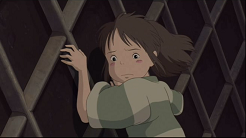
#1: Spirited Away – In my top 3 of favourite Miyazaki-movies. Lots of details and imagination in just about everything.
Autumn 2001


#3: X – Well executed character-study from Clamp.
#2: Kaze no Youjinbou – Wonderfully animated and detailed look at local Yakuza, combined with an engaging mystery-plot
#1: Millennium Actress – Satoshi Kon’s excellent homage to various movie genres. Absolutely lovable cast.
Winter 2002


#3: Full Metal Panic! – Successfully combines moe with a war drama.
#2: Voices of a Distant Star – A very impressive short by Makoto Shinkai. Awesome graphics and a sense of distance that only he can pull off.
#1: Hunter X Hunter OVA – Everything a shounen series should be. This story is imaginative, intelligent focused and very well built up.
Spring 2002
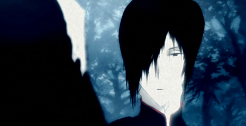
#3: Comedy – Don’t get fooled by the name: this 10-minute short is a beautifully animated short story about feudal Ireland.
#2: Full Moon wo Sagashite – Long build-up is long, but this idol mahou shoujo becomes truly heart-wrenching eventually.
#1: .Hack//Sign – A unique concept, focusing on character interactions inside MMORPGs. Awesome philosophical themes and characters, but not for those expecting action.
Summer 2002


#3: Sentou Yousei Yukikaze – Beautiful graphics. A bit confusing of an OVA, but the action and characters make up for it.
#2: Saishuu Heiki Kanojo – Perhaps not the saddest series out there, but the quiet scenes among the death and destruction are truly worth it.
#1: The Cat Returns – Fun, whimsical and charming story with great characterization for the various cats around.
Autumn 2002


#3: Overman King Gainer – Seemingly average mecha show at first, but it stands out due to its beyond awesome OP and incredibly creative ideas thrown into the setting and scenario.
#2: Hanada Shounen-Shi – The lead character is very, very hard to like. An annoying brat in every single way. And yet this series is really heart-warming.
#1: Haibane Renmei – I have hardly ever been so emotionally moved as with this series. A fantastic character-study and with incredibly well explored themes.
Winter 2003


#3: Wolf’s Rain – I’ve only seen three shows of this season. I didn’t quite like this one. The concept had potential, but the main plot and characters didn’t.
#2: Yokohama Kaidashi Kikou – Quiet Country Cafe – I’m still wondering why they didn’t make a TV-series out of this, but ah well. Relaxing slice of life OVA.
#1: Ashita no Nadja – This is how good shoujo adventures can be. Really fun characters, and a surprisingly deep and well developed plot during the second half.
Spring 2003


#3: Kino no Tabi – The Beautiful world – Thought-provoking travelling series with a very likable lead character of Kino.
#2: Oseam – One heck of a tear-jerker of a movie. Korean animation at its finest.
#1: Kaleido Star – An anime about circus performers, and it’s a really well developed one. It makes optimal use of its long length to really show a memorable development for the lead character.
Summer 2003
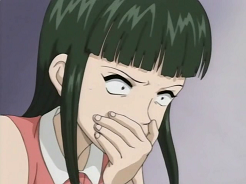
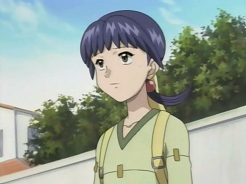
#3: Narutaru – Shows what kids are really going to do when you give them a bunch of violent monster. Very disturbing, to say the least.
#2: Rumiko Takahasi’s Rumic Theater – 13 stories written by Rumiko Takahashi, all about random, ordinary adults who run into extraordinary problems. Very down-to-earth and the creators make every story count.
#1: Tokyo Godfathers – Satoshi Kon at his best. This movie is crazy, fun, adorable and deep, so that even a few deus ex machinas won’t prevent it from truly shining.
Autumn 2003


#3: Gilgamesh – Very interesting horror-series with an imaginative plot that breaks quite a few traditions. It’s got interesting themes, the fights are very tense, though it might be a bit slow for some.
#2: Gungrave – Ah, the character-development! An in-depth look into large mafia-organizations and some really good animation by Madhouse.
#1: Mermaid’s Forest – Rumiko Takahashi Again, this time her Mermaid Forest stories are adapted. Disturbing, and the individual short stories make optimal use of their time to make an as big of an impact as possible.
Winter 2004


#3: Maria-Sama ga Miteru – Takes a while to get going – even for a 13-episode series – but proves to be a very nice character-study with yuri elements in the end.
#2: Jubei-Chan 2: The Counterattack of Siberia Yagyu – Has some of the best fight choreography out there. The plot itself is a bit predictable, but the characters and action totally make up for this.
#1: Paranoia Agent – Satoshi Kon yet again takes a number one-spot with this witty, paranoid, mysterious, diverse, intense, screwed up series of his.
Spring 2004

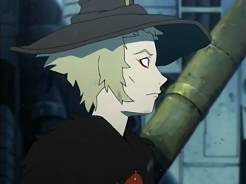
#3: Samurai Champloo – Manglobe’s debut, and what a well-directed debut it is. Even though this show is about nothing, it’s fun enough to see the three lead characters interact.
#2: Hi no Tori – Incredible adaptation of Osamu Tezuka’s classic stories. Every arc stands out, among which are a number of true gems in terms of storytelling.
#1: Mahou Shoujotai – I still consider this to be my favourite anime ever. Experimental in every way, truly excellent characterizations, a great world for the story to play with and a very original set of graphics and animation.
Summer 2004


#3: Mind Game – This top 3 was rather hard, because I hardly saw anything in this season. Still, even though the movie underwhelmed me when I watched it, I do have to admit that that final scene in this movie is something truly unique and entertaining.
#2: Elfen Lied – The problem with Elfen Lied is that it tried to combine harem stupidity with very serious and depressing themes about mass murderers. They don’t mesh! Nevertheless, I really liked the good parts and the ending.
#1: Otogizoshi – Folklore, divided into two distinctly different arcs. The second one is quieter, but superior.
Autumn 2004


#3: Zipang – Very interesting concept about cause and reaction. Asks deep questions but unfortunately is a bit too short.
#2: Rozen Maiden – This is what I’d like to call a series in which everything went right. No second is wasted, and both the plot and characters went where they should have.
#1: Fantastic Children – An amazingly told series with a great cast of characters. It´s perhaps a bit confusing at the beginning, but the plot twists near the ending are more than worth it.
Winter 2005


#3: Kimagure Robot – Short but quirky comedy about robots (yeah, there wasn’t much else this season).
#2: Starship Operators – Space Opera done right. A huge focus on complex tactics rather than brainless action, with a powerful ending.
#1: Air – Starts as another one of those harems. Ends as a gripping and heart-wrenching story with some very neat ideas in its style of storytelling.
Spring 2005
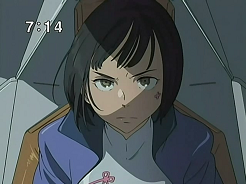

#3: The Law of Ueki – I consider this both as one of the best comedies and shounens out there. It’s pretty silly, but you have to love all of the weird powers that these people have. Not to mention the huge amount of creativity that has been put in the different battles.
#2: Glass Mask – An incredibly in-depth look at acting. This series surely took that extra step towards developing its cast, and what a wonderful drama it turned into.
#1: Eureka7 – A bit of an unbalanced series, but where this series hits, it hits really hard. Renton and Eureka start out as a bunch of random mecha-piloting teenagers, but their development throughout the series is truly memorable.
Summer 2005

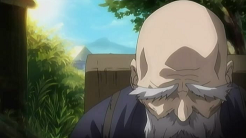
#3: Kamichu – Very charming slice of life series. Period.
#2: xxxHolic: A Midummer Night’s Dream – A Very interesting mystery-movie, despite being just a side-story in the xxxHolic franchise.
#1: Pani Poni Dash – Remains funny throughout the majority of its airtime, quirky style. A successful comedy.
Autumn 2005
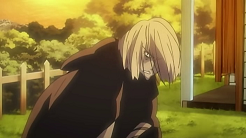
#3: Jigoku Shoujo – Talk about atmosphere. The first season of Jigoku Shoujo was gripping, had some twisted episodes and a great conclusion.
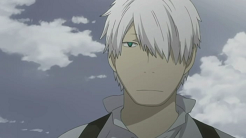
#2: Mushishi – Episodic series can hardly get any better than this. Wonderfully subtle storytelling about deep and thought-provoking characters
#1: Noein – Fantastic action, incredible characters, awesome soundtrack, wonderful storytelling, I’m running out of adjectives here.
Winter 2006


#3: Yomigaeru Sora – Rescue Wings – An anime about the rescue forces. A really good portrayal of what these people can be up against.
#2: Ayakashi – Japanese Classic Horror – Especially Bake Neko was a triumph in storytelling, but Yotsuya Kaidan was also a very good and especially disturbing horror story.
#1: Ergo Proxy – Weird but very imaginative and complex story. There always was something interesting going on with this series.
Spring 2006


#3: Higurashi no Naku Koro ni – When this series first aired, it blew my mind with its gripping mystery-story, characters and disturbing footage. All behind such a seemingly cute exterior.
#2: The Third – The Third has struck me as a very balanced show, with a bit of action, slice of life, science fiction and intrigue, but first and foremost it stands out to me because it features one of the best characters I’ve seen: Honoka.
#1: Simoun – This series is what I consider the best character-study ever. The creators took a very imaginative concept, a group of fascinating characters, and turned into one of my favourite series.
Summer 2006


#3: Otogi Juushi Akazukin – THE series for modern fairytales. It has lots of cameos, and a very cute style of storytelling that makes it a lot of fun to watch.
#2: Flag – A unique series. The entire story is told through the perspective of cameras and photos. The story itself is really slow, but very detailed, realistic and imaginative.
#1: Le Chevalier d’Eon – Despite a slow start, this series eventually turns into a well developed and very strongly directed epic in 17th Century France.
Autumn 2006


#3: Bakumatsu Kikansetsu Irohanihoheto – On top of the action, this show was also a very nice history-lesson for me. Especially the first half had a very strong direction.
#2: Red Garden – Another show with a great cast of characters. What made this series stand out was the amount of detail that was put in their characterization, and especially the dialogue was phenomenal at times.
#1: Asatte no Houkou – Body-swapping: it’s often done for comedic purposes. This series showed how high a serious execution of this trope can reach.
Winter 2007


#3: Master of Epic – For this MMORPG adaptation, the creators decided that instead of creating a serious story like what would happen with most other shows of this kind, they would parody the heck out of it. The result is a very fun and successful collection of sketches that make fun of tons of MMORPG tropes.
#2: Nodame Cantabile – This series succeeded, both as a comedy and as a look at performing classical music and especially directing. Very strong cast of characters.
#1: Les Miserables – Shoujo Cosette – The revival of the World Masterpiece Theatre delivered an incredible series with memorable character-development for just about any member of the cast.
Spring 2007


#3: Toward the Terra – Space operas at their finest. Toward the Terra’s story is bold, imaginative and gets the best out of its cast of characters.
#2: Kaze no Shoujo Emily – An adaptation of Lucy Maud Montgomery’s classic. A really charming slice of life-character study, about living towards your dreams.
#1: Bokura no – I really have to praise Mohiro Kitoh for his truly thought-provoking ideas, but also the staff of the anime, who took an unfinished story, and managed to turn it into something memorable and gripping that perfectly fitted the 24-episode timeframe.
Summer 2007


#3: Sayonara Zetsubou-Sensei – A really good comedy, full of nice references, subtle jabs and witty humour that didn’t turn stale within its 13-episode timeframe.
#2: Higurashi no Naku Koro ni Kai – This sequel to the Higurashi series provided all of the answers we needed. The pacing was much slower, but that really allowed us to get a good view of the characters.
#1: Baccano! – You have to praise Baccano for the way it managed to weave so many different stories about so many different characters into just one series of 13 episodes. There’s always something interesting going on because of it.
Autumn 2007


#3: Mokke – Charming and heart-warming slice of life series about two sisters as they meet various people and supernatural spirits.
#2: Ghost Hound – A horror-series with an incredibly thick atmosphere and a huge focus on psychology.
#1: Shion no Ou – An awesome combination between murder mystery and shougi, thanks to a very snappy sense of storytelling and an awesome cast of characters.
Winter 2008


#3: Hakaba Kitarou – A very interesting combination between horror and comedy. It’s always a guess what this one will go for.
#2: Gunslinger Girl – Il Teatrino – Ah, who cares. I liked this. Completely different style when compared to the first season, but nevertheless it had a haunting atmosphere, and it did manage to catch the essence of this concept.
#1: Porfy no Nagai Tabi – An exceptionally well written and realistic travelling series, combining charming and relaxing slice of life with the dark and lonely parts of Porfy’s life.
Spring 2008


#3: Amatsuki – This show stood out with its really heavy emphasis on dialogue and very strong direction. Now where is that second season!?
#2: Himitsu – The Revelation – I personally loved how this series’ mystery knew exactly how much it should reveal. Suspense at its utter best: you’d never know what would happen next, or where an episode would focus on.
#1: Kaiba – An incredibly imaginative concept with a fantastic story to work with. Very haunting and thought-provoking.
Summer 2008


#3: Ultraviolet: Code 044 – A bold direction along with a very nice storyline to work with. What I loved about this show was its atmosphere and strong cast of characters.
#2: Natsume Yuujinchou – Natsume’s stories in which he’d meet various spirits is nothing new, but yet again it’s well executed, and Nyanko-sensei is a gem to watch.
#1: Bonen no Xamdou – I don’t think I’ve ever seen a full fledged TV-series that was better animated than this gem. The action was fantastic, and yet this show also spent plenty of time in quiet scenes to flesh out its characters properly.
Autumn 2008


#3: Clannad – After Story – The first Clannad was very interesting, but still a bit formulaic. Then the second season came, and blew all stereotypes away with a heart-wrenching second half.
#2: Michiko e Hatchin – You can trust Manglobe to deliver an incredibly accurate portrayal of Brazil of a few decades back. With incredibly strong characters and an always fun scenario, Michiko e Hatchin really stands out among its season’s best.
#1: Mouryou no Hako – What an intense focus at dialogue. I don’t think that any other series has this much and complex dialogue as Mourou no Hako here, but everything is just so interesting and well detailed, not to mention that the plot is incredibly well detailed.
Winter 2009


#3: Shikabane Hime Kuro – Despite some initial hiccups, Hikabane Hime Kuro continued to raise the bar set by its predecessor, developing its characters and delivering ver exciting action-sequences into a great series.
#2: Kemono no Souja Erin – This really shows the power of long-running series. Throughout the 50 episodes of airtime, the creators are able to provide a very detailed portrayal of its lead character, Erin the beastiarian.
#1: Birdy the Mighty Decode 2 – The first season wasn’t really anything special, but the second season came and improved on it in every single way. The animation is incredible, the characters are really well developed, the story saves enough time to show a bit about the setting and how it dynamically interacts with the main storyline. A real gem.
Spring 2009


#3: Full Metal Alchemist – Brotherhood – For me, this one beats the original series by far. It has a terrific concept and a very well developed setting. (This was another top 3 that was hard too choose: so many series with place 2 and 3 potential).
#2: Guin Saga – Now this is what epic fantasy should be. A large focus on politics and slow character-development. The intrigue was what made this series really memorable.
#1: Phantom – An incredible soundtrack, combined with some really strong development for the lead characters. Phantom stood out with its bold execution
Summer 2009


#3: Spice and Wolf II – This series continued where it predecessor left off, and delivers two well written and intelligent arcs full of witty dialogues and character-development.
#2: Aoi Hana – A very interesting and especially very subtle character-study about a lesbian romance. And for once it isn’t filled with anime stereotypes of this genre.
#1: Tokyo Magnitude 8.0 – A depiction of what would happen if Tokyo were to be hit by an earthquake of the 8.0 on the Richter scale. Shocking, sad, and very emotional.
Autumn 2009


#3: Darker than Black – Ryuusei no Gemini – This sequel went into a completely different direction as its predecessor, but still retains is incredibly strong direction and its message that people die when they fight to the death.
#2: Armed Librarians – The Book of Bantorra. – A breath of fresh air in the intrigue-genre in the way that it continues to defy expectations and twist around seemingly unconnected stories into a whole
#1: Aoi Bungaku – Not only is this series an example of really good storytelling, it also completely changes style for every of the six stories it’s animating. Each of the stories has this unique feel about it, all in their own way.