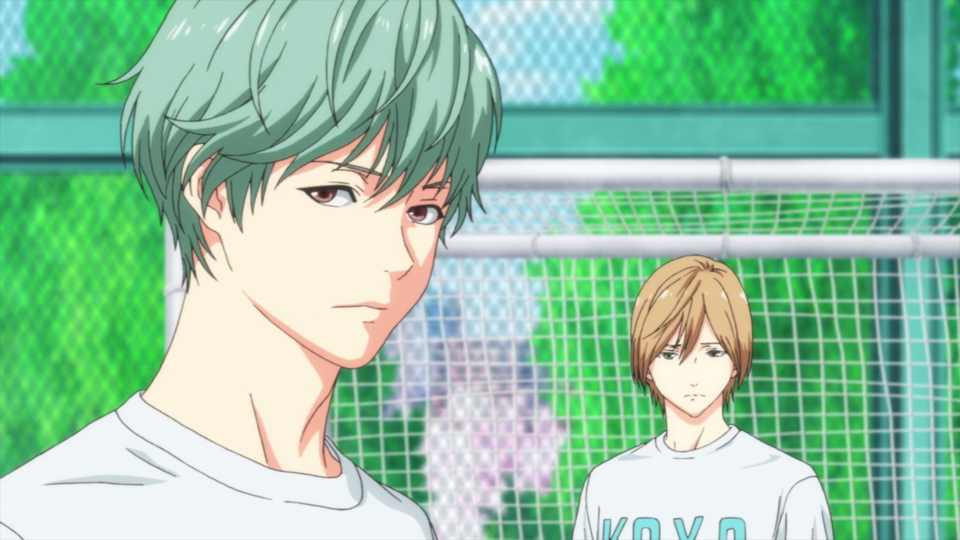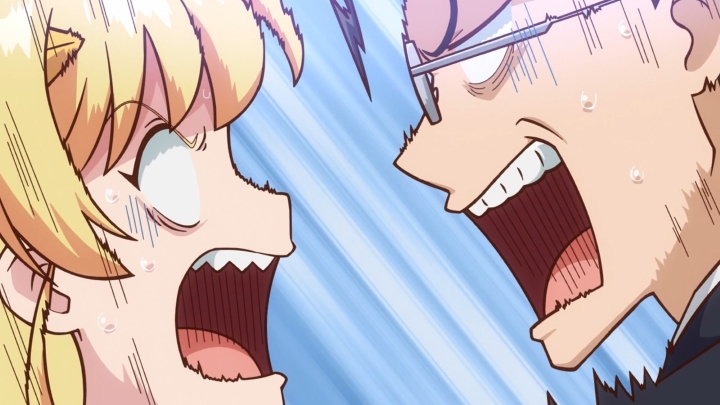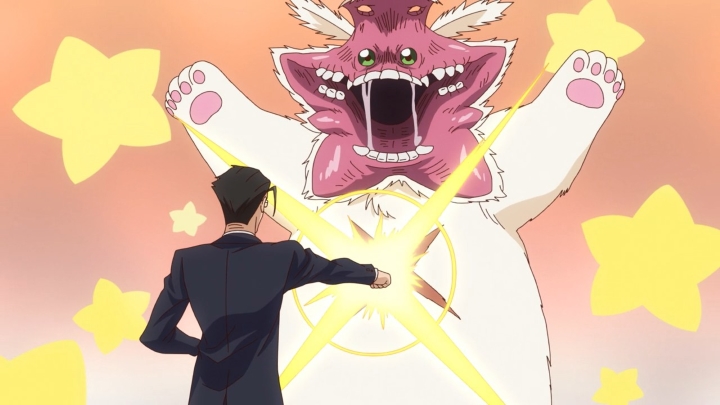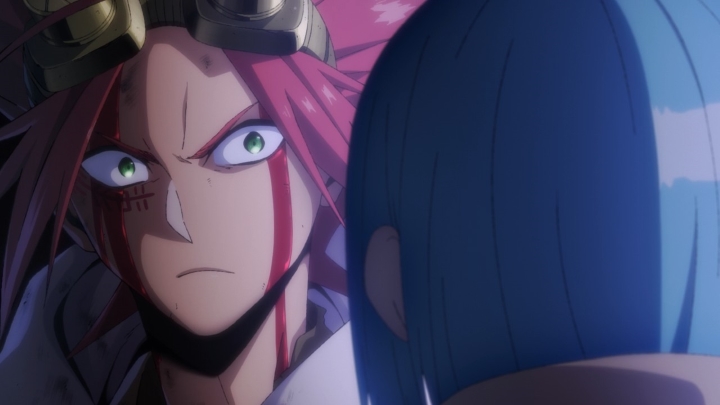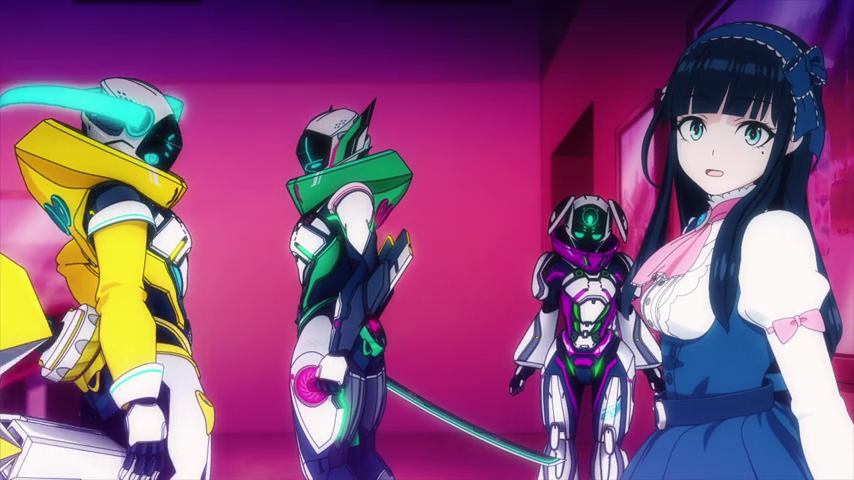
Winter 2022 Impressions: Sabikui Bisco, Koroshi Ai, Kenja no Deshi wo Nanoru Kenja

Sabikui Bisco

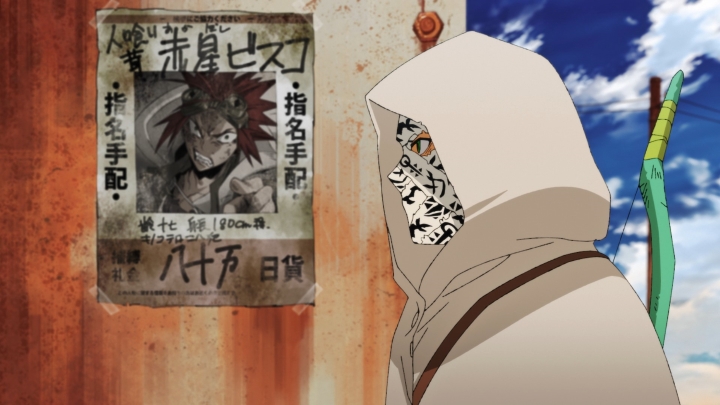
Short Synopsis: A bow-wielding terrorist crosses a lifeless desert in order to meet a doctor specializing in illegal mushrooms.

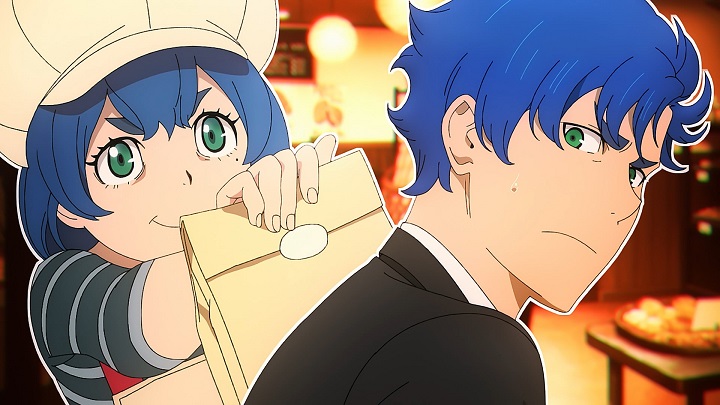
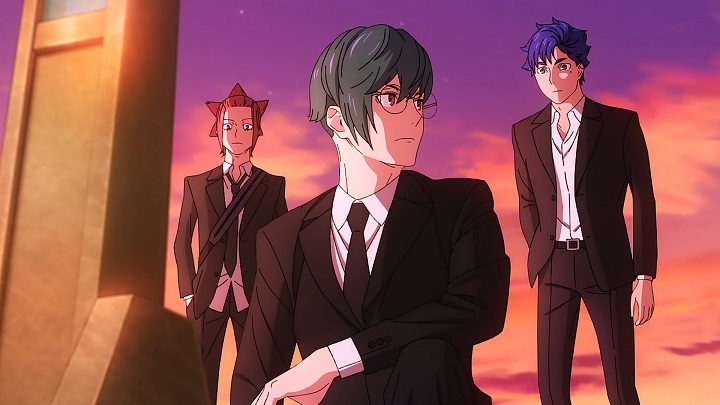
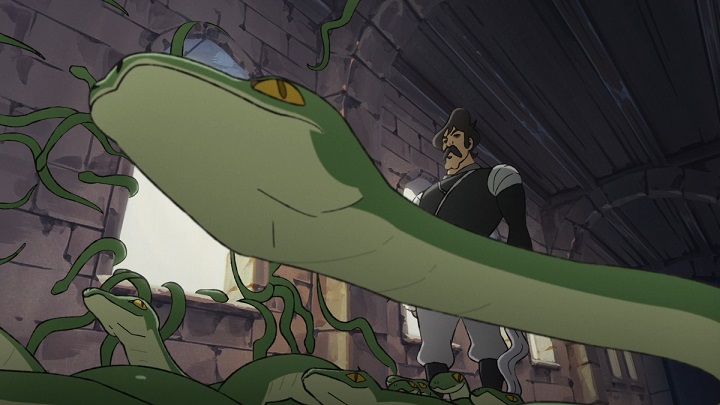
Wooper: Sabikui Bisco may be the most ambitious anime of the winter season. It’s set in a future where rust is spreading across both planet Earth and the bodies of its inhabitants; its far-out costume design has half the characters dressed in masks and/or cloaks; and its fixation on mushrooms dips into the realms of both medicine and combat. More than its setting or visual themes, though, the main thing I noted about this premiere was its habit of jumping between locations and conversations. From a man trying to hide his identity from a pair of border guards to a black market mushroom dealer haggling with a food stall owner to a teenage doctor operating out of a brothel, Sabikui Bisco did a more than decent job of keeping things connected despite its plethora of characters and ideas. It ended on a strong note as well, with two people who we’d seen on opposite ends of a desert finally meeting in the episode’s last scene. I’m less enthused about the show’s production, unfortunately, as the eye-catching scenery isn’t sufficient to distract from the stiff character animation or the shortcuts taken when depicting Bisco’s mushroom barrages (rather than sprouting, the toadstools simply appear in frame with a cluster of airborne rubble hiding their point of origin). I’ll be sticking with this show for a while, but it’s got a lot more to prove if it wants to be truly memorable.

Potential: 60%

Armitage: I love this world. I mean, not our own, obviously, but the world that Sabikui Bisco paints across the densely packed 24 minutes of its runtime. Desert dunes and retro-futuristic cities. Traders of skin and automaton lizards for car rides. It’s all just dripping with cool while never feeling overly moreish. It almost feels like Xam’d lost Memories went on a cyberpunk bender and was found on the side of the road the night after. The character writing here isn’t going to win any awards and like Woop mentioned the actual character animation is not all that great. But these are all issues I am willing to overlook if we can get a deep dive into the underbelly of a world that for now appears to be a living breathing thing of its own. Hopefully, this will FINALLY be an LN adaptation that doesn’t crash and burn after a promising start.

Potential: 70%

Koroshi Ai

Short Synopsis: An assassin cons a bounty hunter into going on a date with him by doing her job for her.

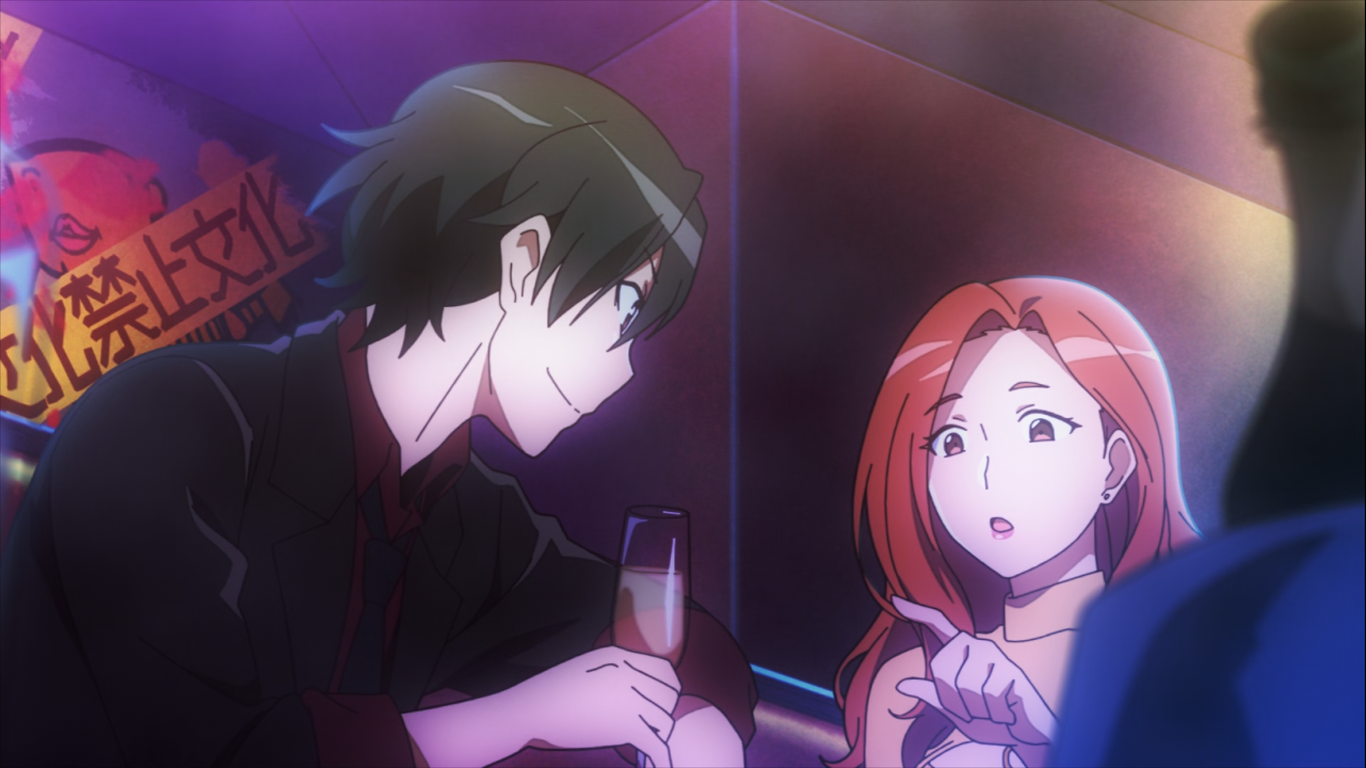
Lenlo: I’ll be honest, there’s nothing in Koroshi Ai I haven’t seen done better elsewhere. Visually it’s pretty weak, but in a season as bad as this it’s still probably in the upper half. The storyboards are uninspired and everything looks like it’s lit from a singular source from directly above at all times. It’s just not that good looking. Meanwhile narratively the premise of competing assassins/spies/whatever falling for each other is fine but I can’t help but think of works that have done it far better. Stuff like the currently releasing (and soon to get an anime) Spy x Family. Koroshi Ai is trying for something darker than that, true. But I don’t think it has the chops to pull it off if this episode is anything to go by. It couldn’t sell me on the assassins, it couldn’t sell me on the romance, and it couldn’t sell me on it being a visually interesting watch. And if you can’t sell me on any of those… Why bother watching?

Potential: 0%

Mario: In a rather weak season – the weakest in recent memory actually – Koroshi Ai remains one of the most promising shows, but I still have heaps of issues with it. I feel like I’m in the minority who buys into this “creepy” advance of Ryong-ha Son, an assassin who has the hots for our lead girl. He’s unpredictable for one thing, and he can be over-the-top and still fit into the premise. But my interest in the chemistry between them doesn’t hide the fact that the show looks pretty bad at times. Furthermore, for the pulpy mystery elements I’m feeling a bit mixed. The show doesn’t tone down the violence on any of its killing scenes, but why is that exactly? Wouldn’t it need to go much darker later on? Despite some issues, I’m in for a few more episodes to see where the lead relationship goes from here.

Potential: 40%

Kenja no Deshi wo Nanoru Kenja

Short Synopsis: In a riveting turn of events, an MMO player decides to change his character’s appearance from male to female.

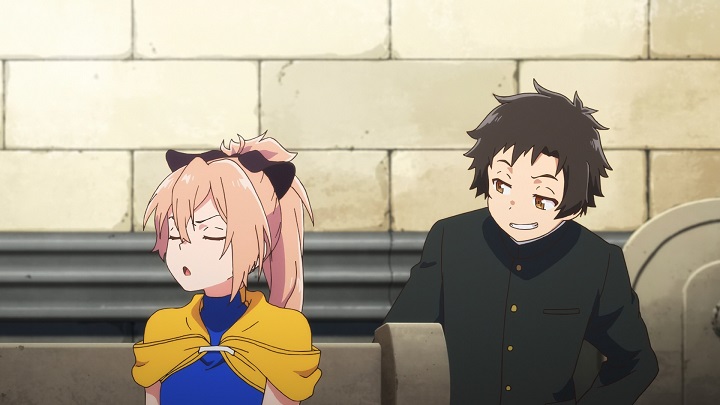
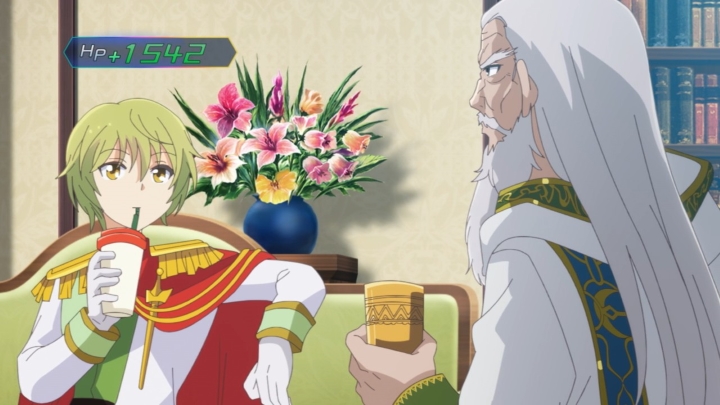
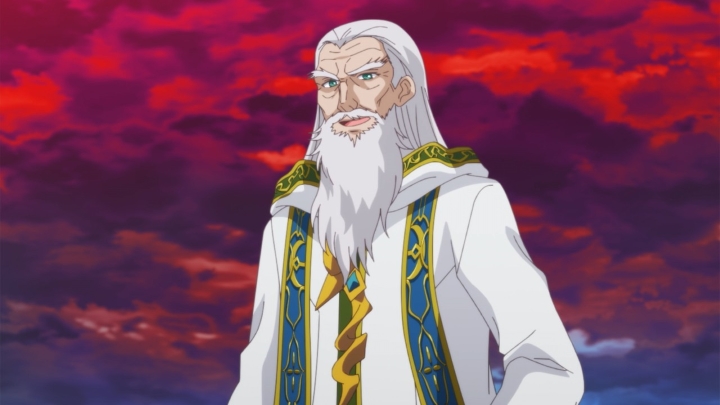
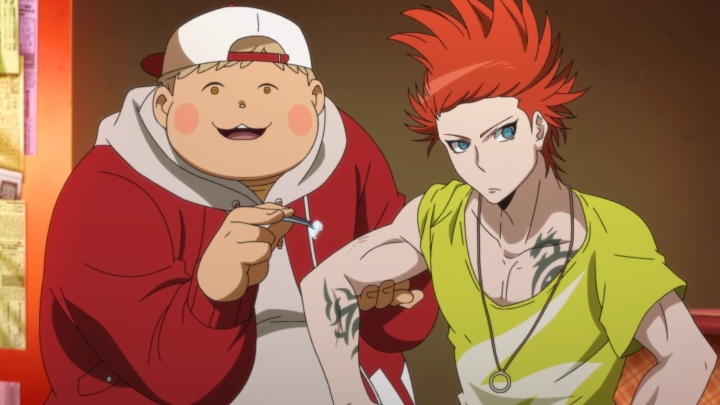
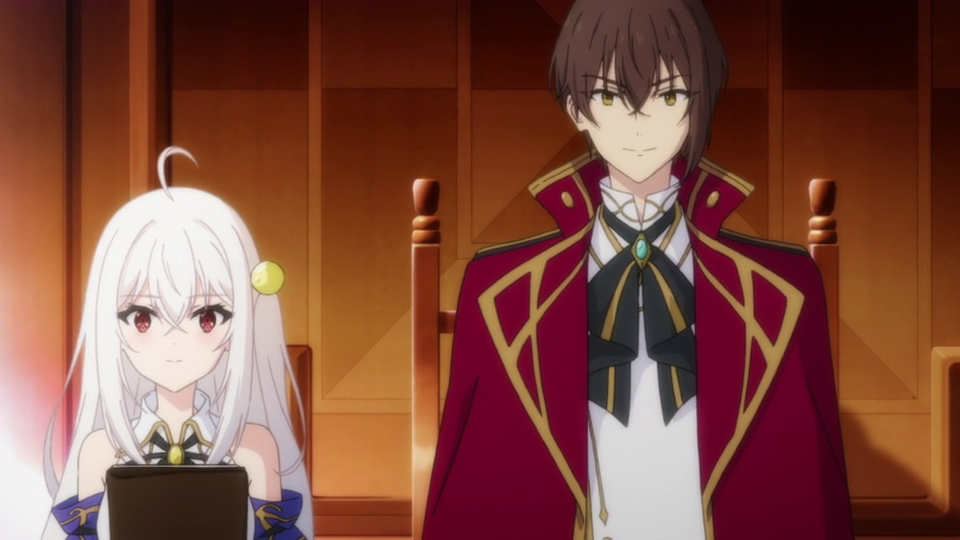
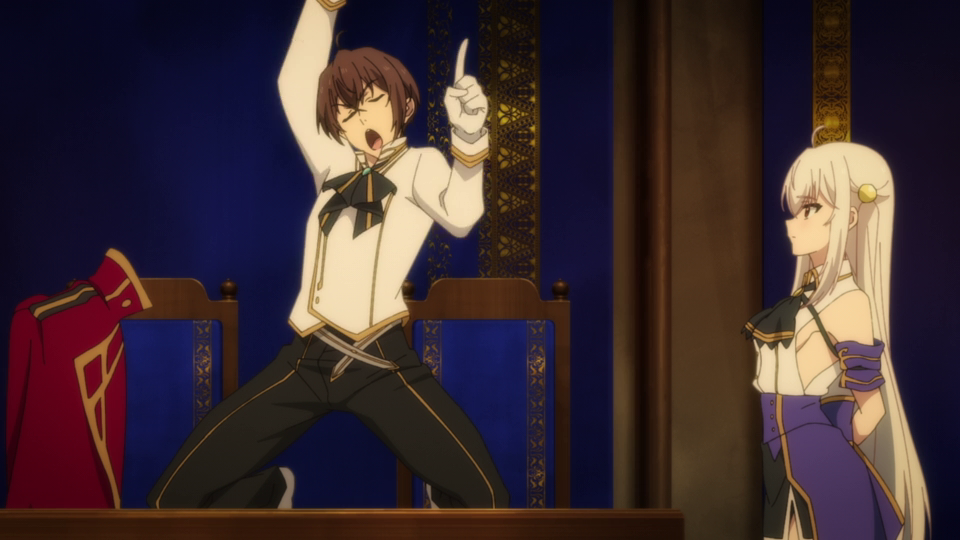
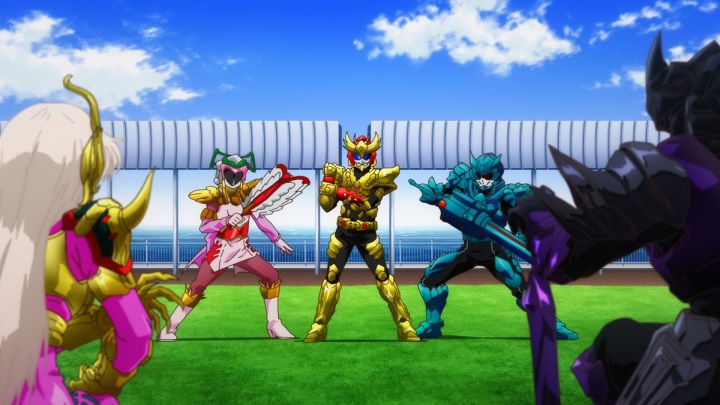
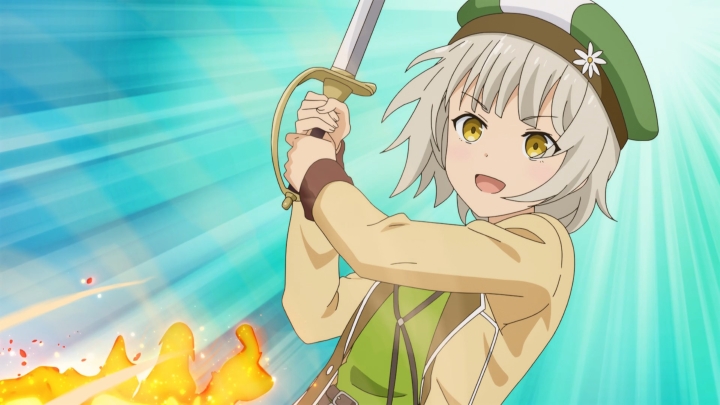
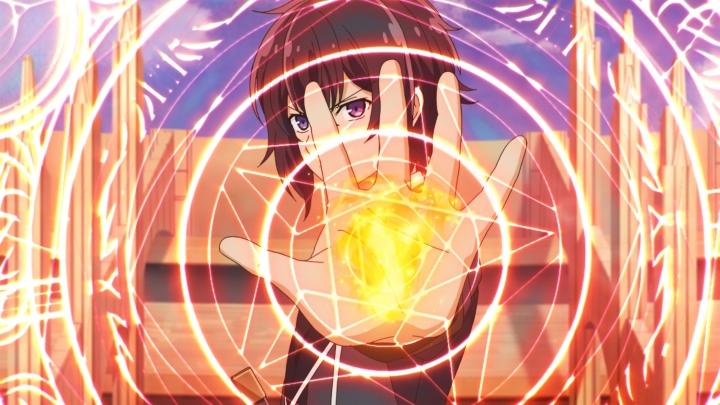
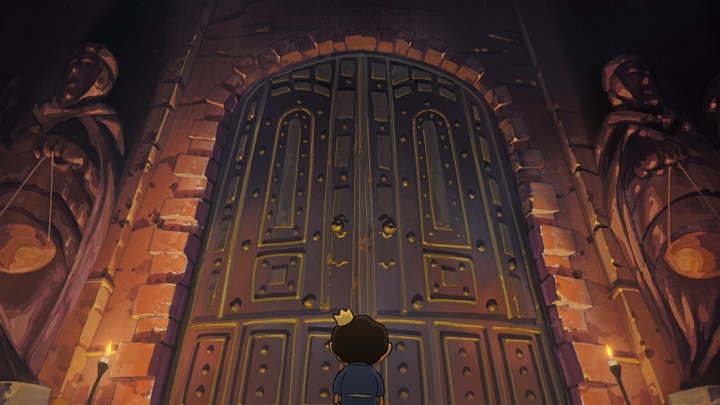
Wooper: Full disclosure: I bailed on Kenja no Deshi’s premiere halfway through the episode. Once you get a look at its first two images you’ll understand why – this is an anime for people so addicted to MMOs that they feel uncomfortable watching any other sort of story unfold. It opens with a bunch of narration explaining the lore of the game, and follows that up with scenes of characters praising it as though they were part of an in-game advertisement. The OP sounds like the sort of karaoke song that would only be selected if somebody got really drunk and picked it by mistake. The mid-episode battle scene is so poorly laid out and relies on such unattractive CG that it’s a wonder nobody pulled the plug on the entire show after seeing it. (Then again, the people who greenlit this show probably don’t care.) Usually I can get some satisfaction out of dunking on these greasy light novel adaptations, but this one was so hideously unimaginative that I couldn’t make it through. Do not watch this anime.

Potential: 0%

Lenlo: You know, I thought Wooper was exaggerating. I thought that I could come in here, make an MMO joke, something about “Just go play FF14” since that’s been my addiction lately. But when I watched the episode it was… it was one of the most aggressively mediocre things I have ever seen. Even people who like the Isekai MMO genre will find nothing here. Everything Wooper said above is true and more. Just go watch Leadale. Or Log Horizon. Or hell SAO, at least that one looks pretty decent most of the time. Just don’t watch this.

Potential: Why does this exist %

Winter 2022 Impressions: Tribe Nine, Sasaki to Miyano, Tensai Ouji no Akaji Kokka Saisei Jutsu

Tribe Nine

Short Synopsis: A brash fisherman and a quiet bullying victim join an Extreme Baseball team in Neo Tokyo.

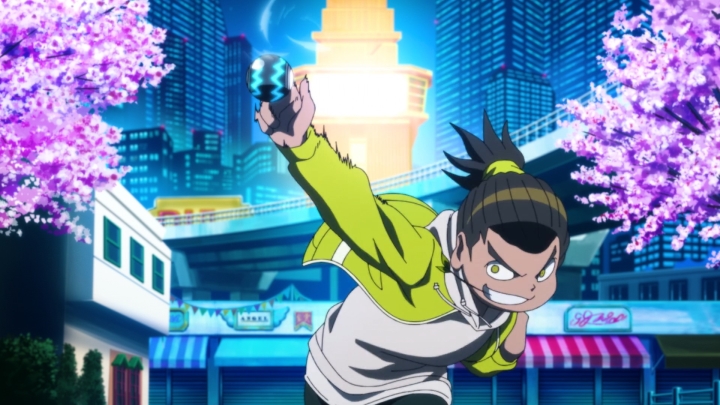
Wooper: Tribe Nine was one of the most common responses in our Winter 2022 poll, which had me curious coming into its first episode. I was expecting a dumb sports anime and nothing more, but maybe I’d overlooked something that would make it stand out from the pack. In short, I was hopeful… but I shouldn’t have been. Tribe Nine is even more frivolous than its promo material had led me to believe, with characters so thin they’d disappear if they turned too far to the left or right. There are two audience surrogates, one with plenty of self-confidence and one with none, and at least a third of the dialogue revolves around those traits. Another third is dedicated to Extreme Baseball, the government-ordained method for rival gangs to settle disputes in this dystopian version of Tokyo. (Too bad the show puts almost no effort into making that future believable or even appealing.) I’d tell you what the last third was about, but it got drowned out by the show’s nonstop electro-rock and EDM soundtrack, which blared through my speakers in nearly every scene. Annoying music and anime go hand in hand, but when it’s overused to the point that you’re startled by its absence, I start to wonder why I’m listening to (or watching) that particular show at all. Tribe Nine’s engine-powered bats, digital catcher’s mitts and violent defensive play make it worth a look for ironic anime fans, but personally, I found this episode to be a swing and a miss.

Potential: 15%

Amun: Hey, I liked the soundtrack – I thought it went well with the neon theme and high octane action. Premises and backstory are for the first 30 seconds, let’s not sweat the details of how high-tech gang battle beanball became the legal recourse for general disputes (and apparently is exempt from property damage or liability…how does insurance even work in this world?). It’s probably the character designs, but I’d describe this show as a Tron meets Danganronpa, just less kill-ey and without an overarching premise. Oh yeah, and mech baseball – which honestly, wasn’t as dumb as it sounds. Yes, the cast can barely be called characters, but they’re colorful (visually that is). I’ve seen worse. Tribe Nine requires you to brain-off and just vibe to some Neo Tokyo ball games – I’m down for a few more episodes.

Potential: 40%

Sasaki to Miyano

Short Synopsis: A high school delinquent falls in love with the underclassman who loans him BL manga.

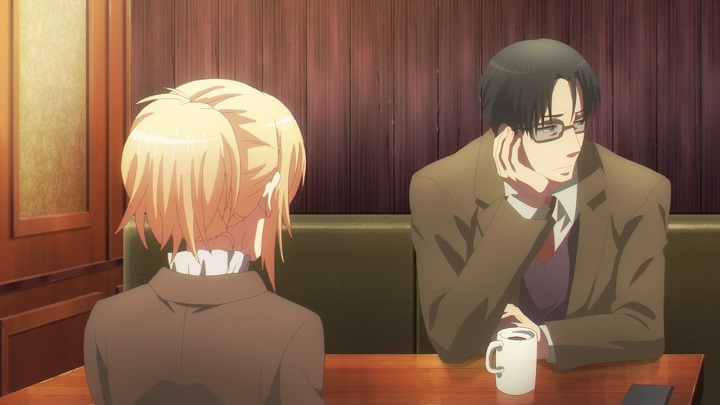
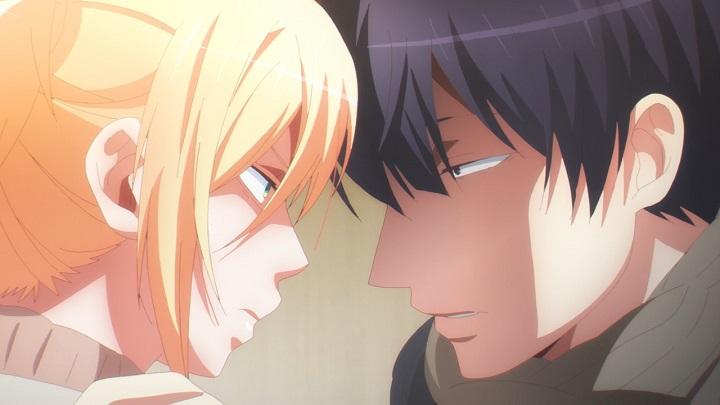
Mario: While I am certainly open to discovering more shounen-ai anime, I don’t think I’ll go along for the ride with Sasaki to Miyano. The two leads are likable enough, but the non-linear style distracts from the flow and lessens their chemistry instead of highlighting it for me. All these segments could have been arranged chronologically so we could see their relationship develop, whereas the out of order version we got prevents us from getting a grasp on where their relationship lies. In terms of how the show handles their chemistry I am half and half so far. On the one hand, I appreciate its different approach in how it gives space for the characters to breathe. On the other side of the spectrum, it still relies on tropes (like the beginning scene or when Sasaki forcefully grabs poor Miyano). It’s sweet and pleasant so far, but it risks becoming repetitive as it goes.

Potential: 30%

Wooper: Having read the first few chapters of Sasaki to Miyano prior to this premiere, I can say that the anime does almost nothing to set itself apart from the manga. The lack of 3DCG background characters was a nice surprise, as were little things like textured storm clouds and sunny train interiors, which allowed me to appreciate the visuals rather than be embarrassed by them. The score was similarly pleasant – piano, strings, flute and a bit of bass – but better yet was the show’s lack of dependence on music to push itself forward. The dialogue managed to do that without much assistance, which is something to strive for when directing a slower-paced story. Sasaki to Miyano isn’t aiming to tell a highly involved tale, though, and it’s not difficult to picture its potential death by repetition. Sasaki has a crush on Miyano, but doesn’t yet identify as gay, so he’s constantly checking himself for appreciating the other boy’s hair or hands or body line. “W-wait a minute… Miyano is a dude! That’s so weird!” is a thought that will probably flash through his mind upwards of thirty times before the show concludes its run, which doesn’t sound like my idea of a good time. But forget about me – I’m sure there are people who love watching anime characters discover their sexuality after a lengthy denial phase, and this is a decent version of that premise.

Potential: 30%

Tensai Ouji no Akaji Kokka Saisei Jutsu

Short Synopsis: A genius prince’s guide to raising a nation out of debt (hey, that’s the title of the show!).

Amun: Bah. This was worse than I thought. For me, Tensai Ouji is an imitation of the other Genius Prince Isekai, which is an imitation of Amagi Brilliant Park, which really wasn’t that great of a show to begin with (although I do love it). The settings are pretty static – I feel we’re going to be spending significant time in the prince’s office (although, they splurged for the first episode and went out to the battlefield). The problem is that although a story exists somewhere in this episode, it was told in possibly the least interesting way possible. The rapport between the prince and his assistant was the only good thing I saw, and even that’s probably a fluke. It doesn’t look good, the story’s not interesting, the character designs are boring…I probably won’t be on this train for long.

Potential: 5%
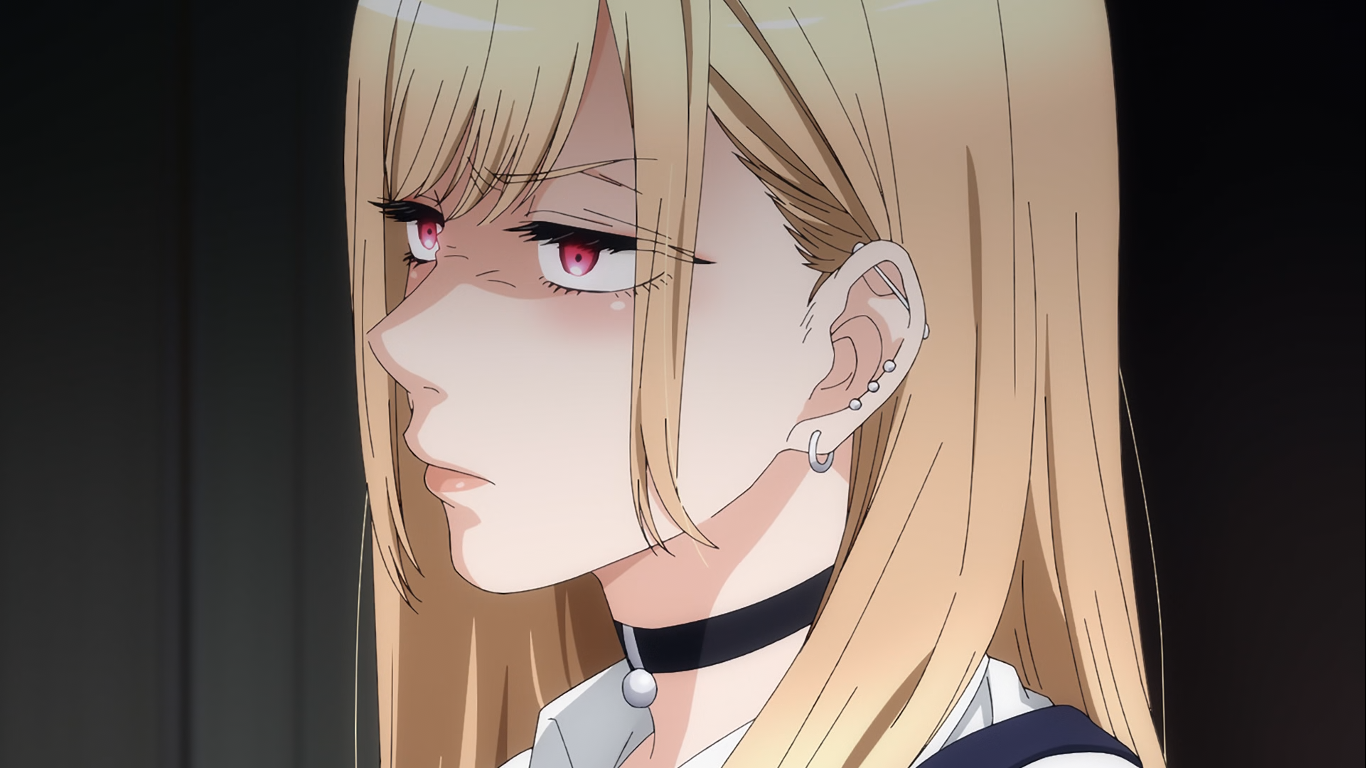
Mario: I have one word for this show, and it’s “lazy”. And I don’t mean the laziness of the MC-kun who happens to be way overpowered, it’s the writing that doesn’t seek to deliver anything special. The only joke this show tells in 25 minutes is that despite the fact that he hates his position and wants to sell off his nation as soon as he can, his “tactics” backfire and he ends up doing good for the nation instead. Does it pay off? No, it’s not even funny to begin with. Is he interesting to root for? No, he’s whiny and has a bunch of girls who literally do his dirty work for him. Am I bored? You bet I am.

Potential: 0%

Winter 2022 Impressions: Attack on Titan, Kaijin Kaihatsu-bu no Kuroitsu-san, Baraou no Souretsu

Attack on Titan:
The Final Season Part 2

Short Synopsis: Some show about large naked people who get really steamy.

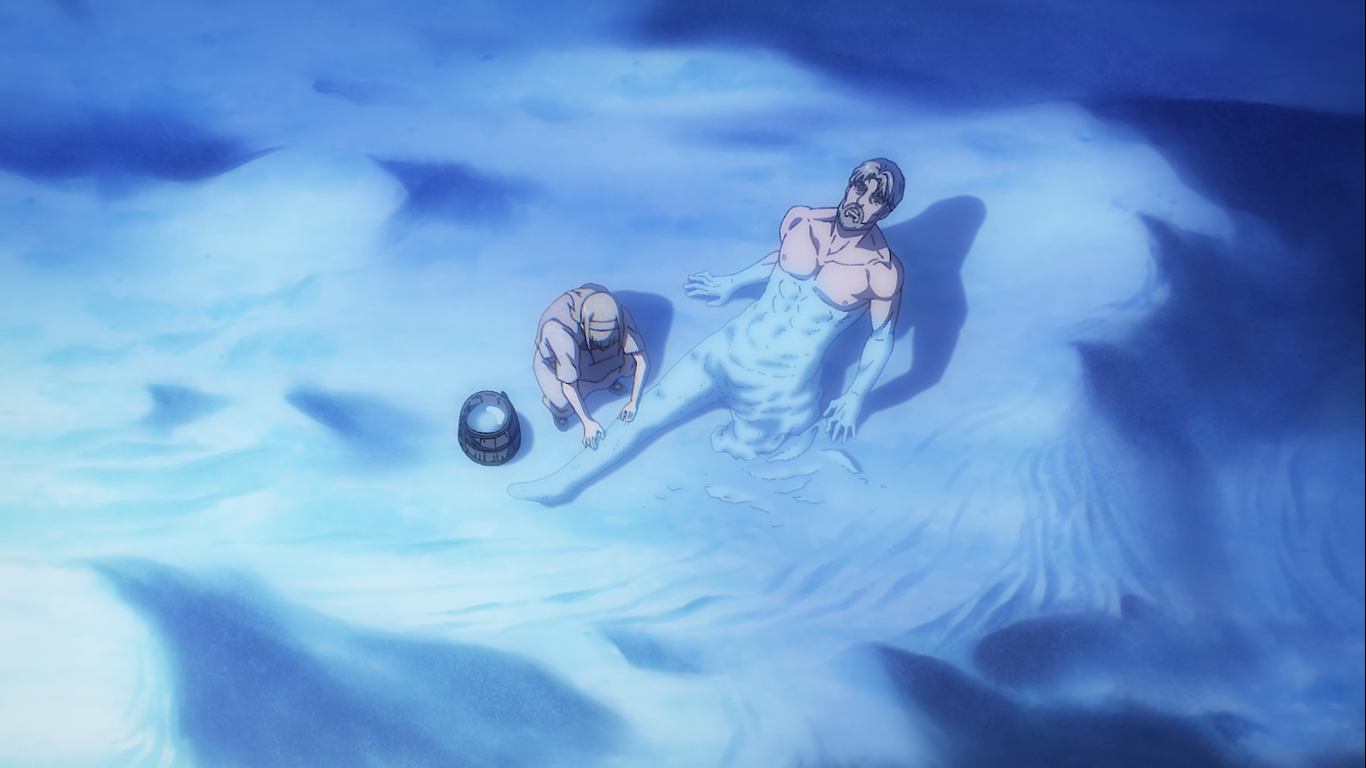
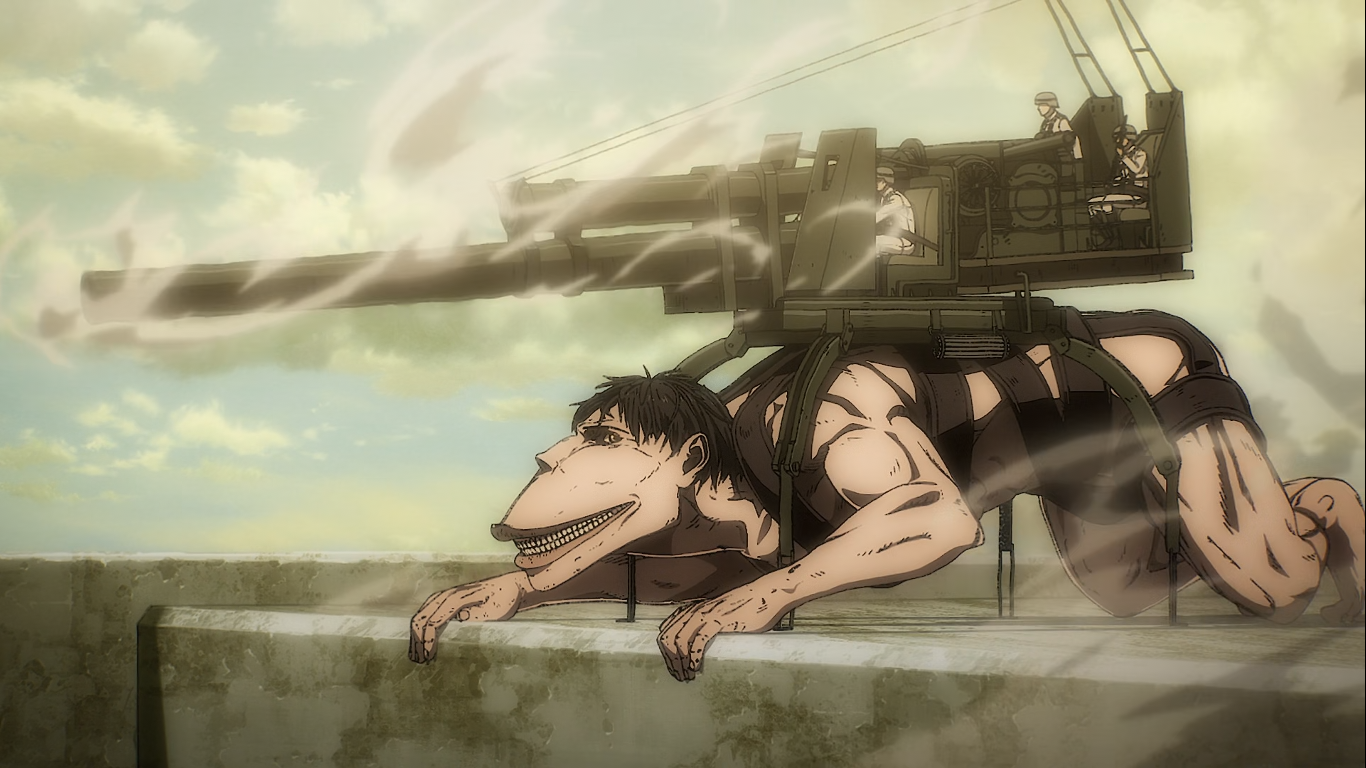
Armitage: See, at this point, the fact that you’re even reading this means that you’re fully committed to seeing this hype-train to its final station. I don’t need to sell you on it and I sure as hell am not gonna bother trying to change your mind if it’s not your thing. To each their own. This premiere by itself is pretty standard fare. Doesn’t come close to being as bombastic as S4 Part 1’s or as shocking as the very first season’s premiere but it serves as an adequate setup for the carnage that’s about to follow. I know that the manga chapter everyone is most looking forward to being animated will be adapted around episode 3-ish of this cour. I don’t know what happens in it but I have been led to believe that, colloquially speaking, shit hits the fan. And I am waiting eagerly in anticipation of it. I also dislike the new ED. The OP is cool though, very extra-edge like the first Vinland Saga opening. But yeah, other than all this, I don’t have much to say about this episode. Though, really, this is the final season of the show that almost single-handedly got non-fans into giving these Japanese cartoons a chance in the last decade. It’s anime history, it’s the end of an era. By now, you’re either in or out. I am very clearly in the former group. The lot of us love this story, subtlety be damned.

Potential: B(i)ased.

Wooper: The first few minutes of this episode nearly tricked me into thinking Wit Studio was still involved with Attack on Titan. The look and sound of the rain falling where Levi’s body lay broken, the rich colors that appeared as both the sun and Zeke emerged from their hiding places… I allowed myself a moment of optimism that this final season (part 2) might recapture the visual gravitas of the franchise’s earlier years. Then the OP happened and everything afterwards fell much more in line with my actual expectations, but I hardly need to spell those out for you, as fans have been airing their grievances with the show’s new look for a year and a half now. What’s really important at this point is the story, which is where this episode excelled. Two scenes in particular made this a strong reintroduction to the world of Titan: Gabi’s catchup session with General Magath and Onyankopon’s plea to save Eren. Both conversations made the informational playing field a bit more even, while still leaving room for surprises down the road. The uninterrupted presentation of that second scene did distract from the action-heavy middle section, but it also created plenty of room for Connie to vent his righteous fury in a hair-raising performance by Hiro Shimono. Attack on Titan may sport a different coat of paint these days, but this episode proves that it’s still got plenty of drama left in the tank.

Potential: 70%

Kaijin Kaihatsu-bu no Kuroitsu-san

Short Synopsis: Salarywoman struggles through impossible office work for an evil organization that can’t defeat a local hero.

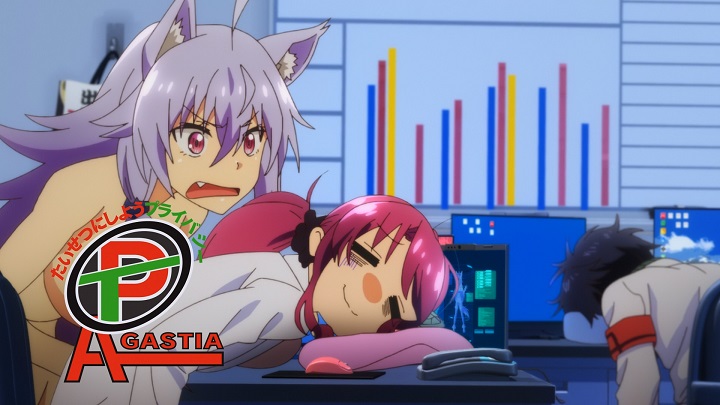
Amun: Evil organizations are hardly anything new in anime, but it seems they’re getting more popular. Last year’s Combatant’s Will be Dispatched reflected the general quality of such shows, but every now and again, something like Devil is A Part Timer comes along. One episode in, Kaijin Kaihatsu-bu feels shockingly like the latter. The juxtaposition of the mundane salaryman life against grandiose schemes of evil, dynamic (albeit a bit too much fanservice) characters, and an unexpected real-world tie-in makes this the most interesting new show I’ve seen this season. I’m dying at the chief of staff who has to make everything run for a leader who randomly comes in and causes tons of unnecessary work. The animation isn’t anything to write home about, but I’ve seen worse. Plus, I’m VERY interested in the revolver wielding chicken. Now can everything fall apart halfway? Absolutely. But in a season as sparse as this one, I’ll take any ray of hope I can get. (Bet Lenlo hates it, since you could view it as a slapstick SSSS.Gridman).

Potential: 67%

Lenlo: And Amun would be correct! Take everything good the SSSS franchise had going for it, interesting story boards, dynamic cameras, decent animation, good editing, and throw all of it in the trash. Then add in a sprinkle of slapstick and you have Kaijin Kaihatsu. It’s just so… so bland. Even in a season like this there are better shows. Attack on Titan, Bisque Doll, Kimetsu no Yaiba, Vanitas S2, Leadale, I don’t care! Just… if you’re really hard up for some kind of super sentai show maybe you’ll enjoy this? But I’ve never enjoyed super sentai much to begin with, not even Power Rangers when I was a kid, so there’s nothing here for me.

Potential: 0%

Baraou no Souretsu

Short Synopsis: Two kings of England, one present and one future, have a fateful meeting without the knowledge of their warring families.

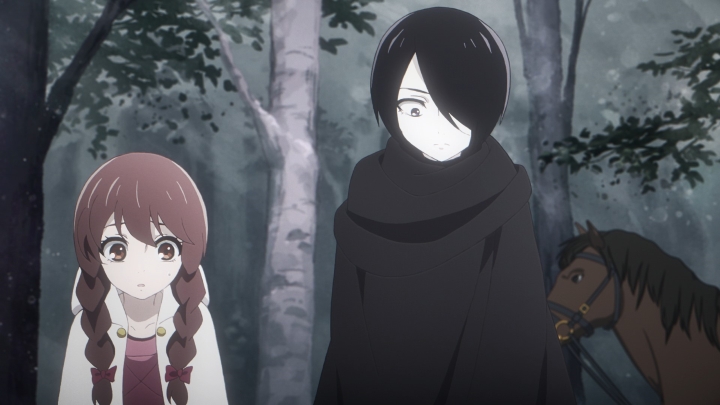
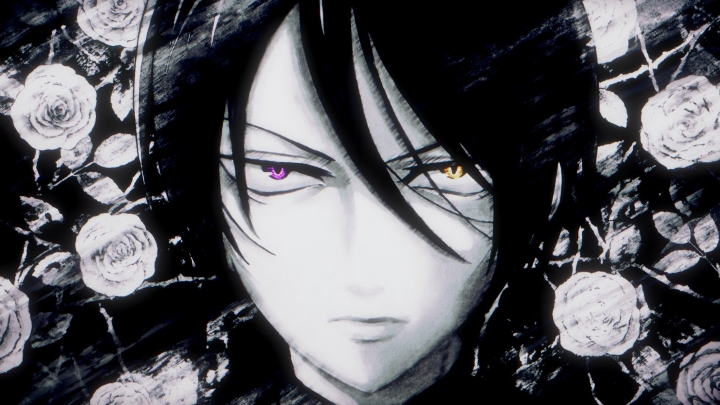
Wooper: This premiere got hit hard with the ugly stick, which in the anime world may as well be called “the stick of indifferent production.” Most of the characters look completely vacuous, the show is rarely animated, and the art is oppressively gray. We’re only given a reprieve from this bleakness whenever Joan of Arc’s ghost appears to protagonist Richard III in garishly colored visions, but these are no better to look at. It’s not as though Baraou no Souretsu takes place in the Dark Ages, either – we’re in 15th century England here, observing the Wars of the Roses. (“Observing” is a major overstatement, since in this show war is fought off screen, but there’s the setting, anyway.) Richard is part of the York family, who have enough influence to make a bid for the crown, so I doubt they lived in the sort of dismal conditions the show presents – not until their capture by the Lancasters, anyway, an event that the episode didn’t bother to portray. To be fair, all of the premiere’s political and military developments were equally neglected, since the show is interested solely in Darkness. Richard is tormented by hallucinations and despised by his mother for his intersex biology, but the show’s lack of sensitivity and relentlessly grim tone make it difficult to empathize with him or anyone else, so I’m not going to waste time trying.

Potential: 0%

Mario: Adapting Shakespearian material to the screen is hard, and it’s even harder in anime. Half of the time the self-seriousness of the source will clash with the looseness of animation, and the plot and setting will function as mere vehicles for tragedy. Baraou no Souretsu suffers from both these issues. I didn’t get a sense of the war’s progress at all here, and the cast were similarly vague except maybe for Richard and Henry. I guess it’s fine that they’re in focus since the show will likely follow their paths to the crown and their interweaving fates and failures, but here it overwhelms everything else about the show. The production is flat, the narrative is incoherent, and the themes are overtly heavy – all in all it’s a pass for me.

Potential: 10%

Winter 2022 Impressions: Sono Bisque Doll wa Koi wo Suru, Shikkakumon no Saikyou Kenja, Akebi-chan no Sailor-fuku

Sono Bisque Doll wa Koi wo Suru

Short Synopsis: Sew-me ga Kirei.

Armitage: While it may look generic in the way most modern anime set in high school do, the plot concept at the center of Sono Bisque Doll is actually pretty novel: a story about a socially awkward boy using his one very specific skill to help a popular girl in following through with her one very specific hobby. It can be a nice exploration of the dynamics of the relationship between these two while also giving a peak into cosplay culture. But, all that potential gets overshadowed by the continuous and entirely needless pandering to horny teenagers. Which really should not be this show’s core audience. If it strips itself of all the out-of-place fanservice, it won’t lose an ounce of its story’s essence. Alas, so often this premiere felt like the writers thinking “Hey, this is how we sell our female lead! Make sure to add a close-up panty shot at the time when she’s opening her heart to the male lead. That’s obviously the perfect moment.” Of course, that’s only one of the many moments of dumb sexualization of Kitagawa and I don’t think this story is ever going to change this approach. But hey, it sure would be talked about by the end of the season. For better or worse.

Potential: 25%

Lenlo: I’m so torn on Bisque Doll. On one hand, it’s really pretty and I think it could make for an interesting exploration not only of a piece of Japan’s culture I’ve never seen before but of non-traditional masculinity in general. On the other hand… My god is it creepy. The way it lingers on the lead girl, who is admittedly very pretty, and the almost disturbing way the lead man looks at or thinks of the dolls are both off putting. I think Bisque Doll has a lot of potential. All the pieces for not only an interesting romance but a compelling drama are here. From good visuals to a fun and interesting dynamic between our lead couple, I’m curious! I want to watch more! It just feels so god damn voyeuristic. I’m going to keep watching this and just pray it stays lovably weird and doesn’t go full trashy creep.

Potential: 60%

Shikkakumon no Saikyou Kenja

Short Synopsis: A powerful sorcerer choses to be reborn as an even more powerful preteen boy so his anime can attract a larger audience.

Amun: The biggest question here is: does this count as an isekai? It has reincarnation to the same world, but a different time – although it isn’t from the modern world to a magical one. Hmmm. Anyways, this was a dense episode. My goodness. There was reasoning behind the reincarnation, meeting of the main harem, becoming the honor student/quasi-teacher, winning an inter-school tournament, defeating a major foe, and uncovering the main sinister plot. That was ONE episode. Guys, you have like 12 episodes – I’m pretty sure I’ve seen shows with less plot in a full season. That said…it wasn’t terrible. Sure, we’ve seen it all before, but I’m kind of interested in the demons taking over a school (eat your heart out Voldemort). Our MC is properly overpowered, but still has his shy side – I’m not saying this is anything original, but it’s at least a decent rendition of this trope. I’ll give Shikkakumon a few more to prove out where it’s going (at breakneck speed), but I’m expecting a B-tier adventure at best. Which I am perfectly okay with.

Potential: 50%

Wooper: Back when The Irregular at Magic High School aired in 2014, it drew a lot of criticism for bending over backwards in praise of its own protagonist. It wasn’t the first anime to employ such a stupid storytelling strategy, of course, but it was still novel enough (and popular enough) to make the show into a meme. Eight years later, the success of that meme means we get at least two anime per season that are similarly obsessed with their own heroes. Shikkakumon is one such series. It is so concerned with demonstrating the awesomeness of Matthias Hildesheimer (yes, that’s his real name) that he becomes secondary to the list of spells and insignias that he possesses. Enhance Physique, Sunder Steel, Crests of Creation and Rapid Firing – these things are more important to the series than anything about Matthias himself. Every other character in the show exists not as an individual but as a device to inflate his importance. His friends trust him within seconds of meeting him and benefit immensely from his guidance. He passes his magical entrance exams at the top of his class and is immediately recruited to teach all his less talented peers how a real mage does it. Those who oppose him doubt his strength at first, but turn out to be hopelessly outmatched by his abilities as a sorcerer. It’s the stuff of wet dreams for chuuni teens, but I’d sooner be reincarnated as a blind and deaf man than look at or listen to another episode of this show.

Potential: 0%

Akebi-chan no Sailor-fuku

Short Synopsis: Glorified sauna belt commercial.

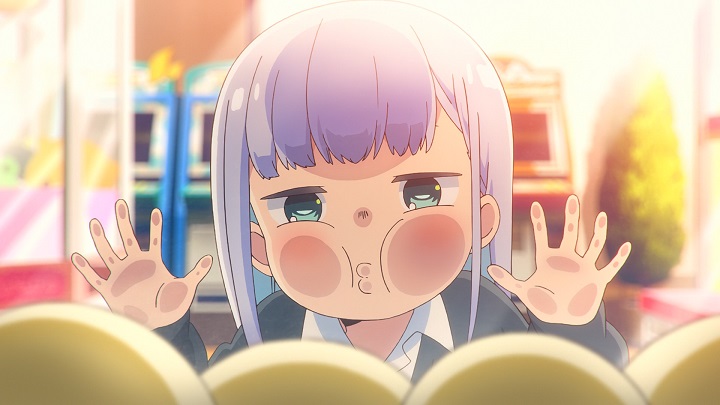
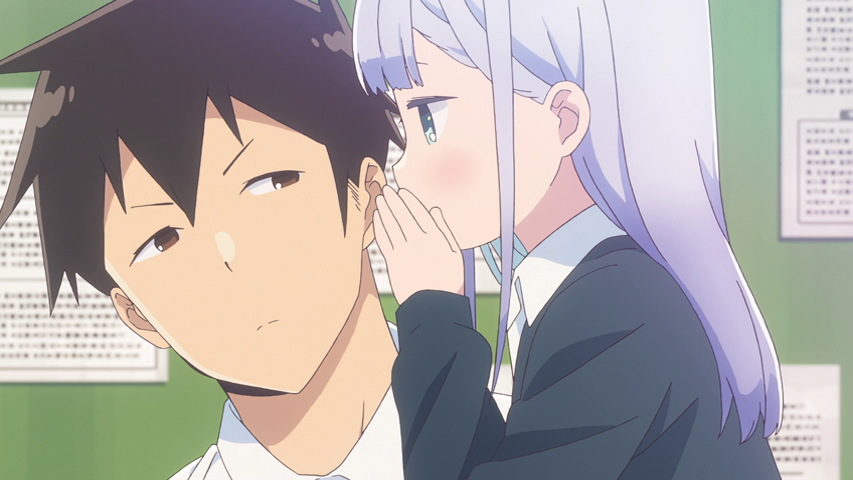
Lenlo: Remember when I called Bisque Doll creepy and voyeuristic but promising? Right, Akebi is just voyeuristic and it’s about 13 year olds. Visually I think it’s alright? I’m really not a fan of the character designs sadly, their faces just look like lumpy balls of clay someone stuck absurdly large eyes to. That lumpiness probably makes it easier to animate, and Akebi does have some good shots, but I find it really unappealing. Meanwhile the narrative is doing nothing for me. It’s another idol-ish show where young girls try to become Idols, glorifying an honestly pretty toxic industry. So yeah, this is a hard pass from me.

Potential: 0%

Armitage: While I agree with Lenlo that both this and Sono Bisque Doll are completely trite in their fanservice, I actually can’t pick what kind I hate more. Watching a 13-year-old putting on a skirt while her underpants are artistically not shown to the viewer or having a 15-year-old have her buttcheeks shown dead center of the screen. They are both equally unnecessary and brain-dead if you ask me. The difference is that Sono Bisque actually has a decent premise even though it is unable to fully back it up. Here we have a message for girls to lose weight till society deems them perfectly slim and desirable. Else they would amount to nothing. Truly poignant stuff.

Potential: 0%

Winter 2022 Impressions: Tokyo 24-ku, Slow Loop, Dolls’ Frontline

Tokyo 24-ku

Short Synopsis: Three former classmates receive superhuman abilities after receiving a call from a supposedly dead friend.

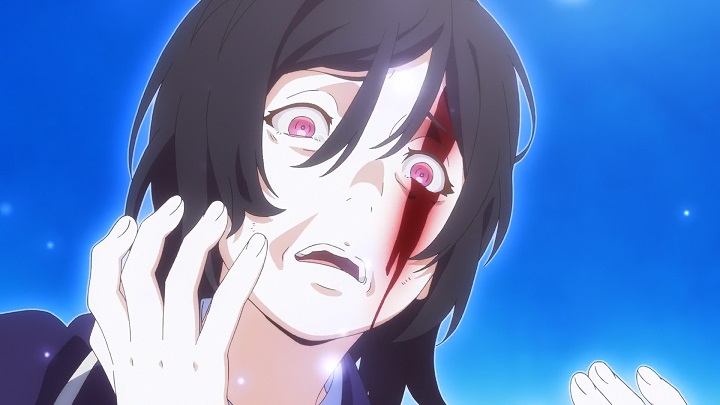
Wooper: Tokyo 24-ku is one of just three original anime premiering this season, and of those three it’s the only one that’s not about sports (though its protagonist is a parkour enthusiast). I’m sure there will be people hoping for its success as a result, but after this freewheeling double-length premiere, it’s difficult to say whether their wishes will be granted. The show’s presentation is certainly original, with cuts to talking heads imposed on frozen backgrounds (see the screencap above) and in-universe objects like car doors and spray paint cans used for wipe transitions. The animation is one notch above average so far, but an action-heavy series like 24-ku is bound to encounter speedbumps, especially if the main character keeps jumping across rooftops as the season goes on. As for why he’s pulling out all these stunts, he and his two best bros are given a precognitive vision of a real-life trolley problem, along with the superpowers necessary to save the childhood friend who’s figuratively bound to the tracks. That’s only a small part of the show’s setup, though – the three boys’ post-high school ambitions are in focus as well, along with corrupt politicians and a hacking collective who will no doubt be at odds for the next 10 or so episodes. Think Durarara by way of Psycho Pass (or maybe it’s the other way around?). The show feels overstuffed, but it’s still energetic enough to get me on the hook for a second helping.

Potential: 50%

Mario: Whenever I see a double-length premiere, my immediate thought is to see whether or not it pays off: no one wants to sit through 45 minutes of nothing worthy. In that sense Tokyo 24-ku does just about enough to keep me wanting more. I appreciate how the show focuses on the characters first and foremost, detailing how they fall out and eventually get back together. That makes the first half slow and stoic but it helps lay the groundwork for the second half. The titular district has a lot of potential too, with the political unrest that is a mix between the current Hong Kong situation and Minority Report’s world. But while I don’t argue against its ambition, the execution still feels a bit clunky at times. The humor is not quite there, the three boys already have some girls fawning over them and the moral stance that it reaches at the end is… having it both ways, I suppose? I like the base ideas well enough to tune in for more, but at the same time I can see why others still ain’t buying it.

Potential: 50%

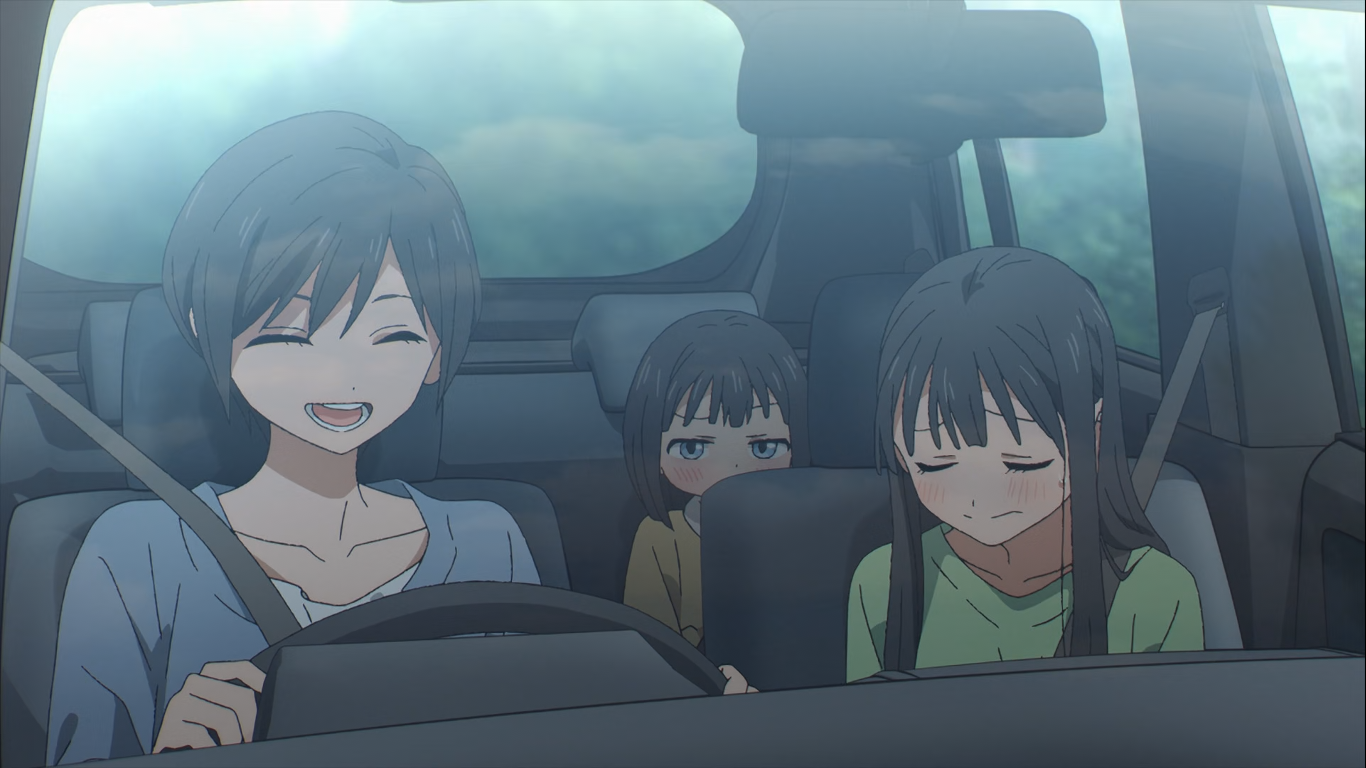
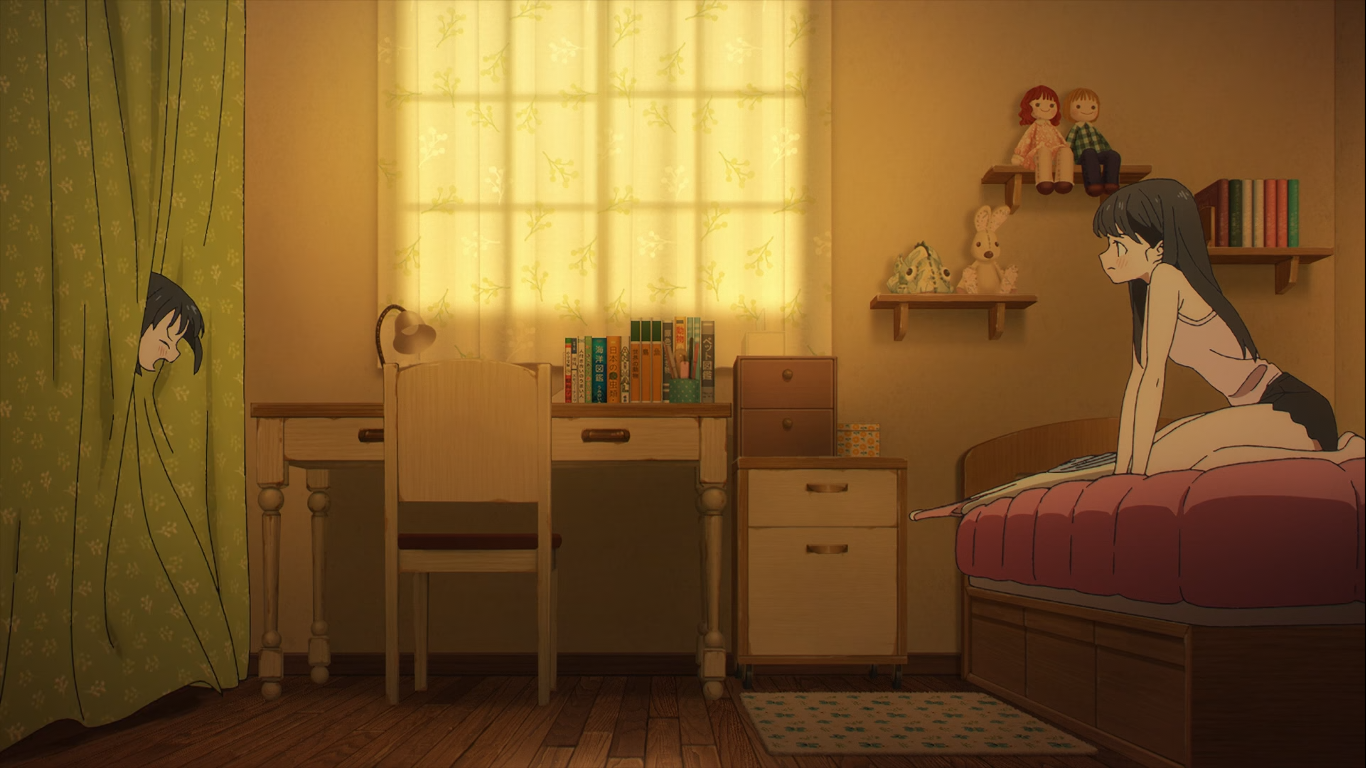
Slow Loop

Short Synopsis: A pair of soon-to-be stepsisters bond over fly fishing and cooking.

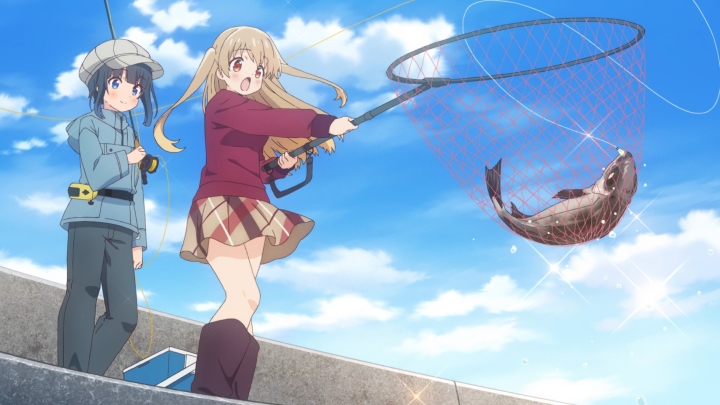
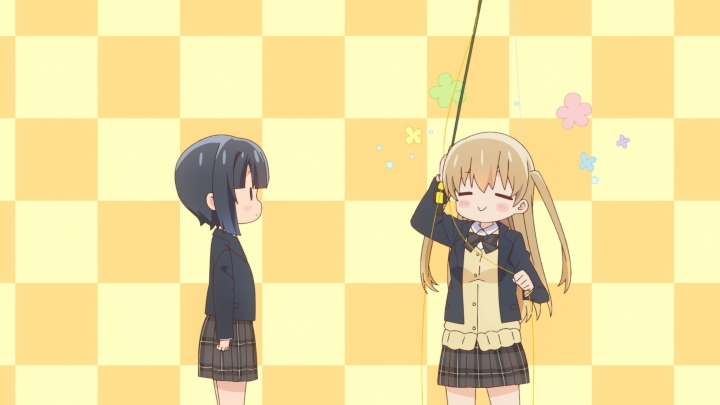
Mario: While Slow Loop reminds you of a certain show last year (read: Wooper’s comment below) and while it doesn’t steer away much from the genre’s well-worn formula, the first episode fares quite well to me. Its unhurried atmosphere is already a plus and it fits very well with its “fishing and cooking” subject matters. The two girls bounce off each other extremely naturally, but what Slow Loop does right in this first episode is how it takes a closer look at these girls’ familial issues. There are sequences where the girls talk to their new step-parents and it captures how their relationship begins to form. Then both the fishing part and the cooking part do their jobs well (maybe because I have a huge weakness for sashimi). It’s unlikely to be a breakout success like Yuru Camp was (though it does remind me of that show a bit), but it’s a perfect CGDCT show to enjoy while laid back (pun intended).

Potential: 40%

Wooper: Slow Loop is bound to draw comparisons to Houkago Teibou Nisshi, the other ‘cute girls go fishing’ series from a couple years back, so it’ll be casting upstream from the get-go. The short version of this already short paragraph is that if you haven’t seen either, go with HTN, but the long version is that Slow Loop’s writing, art direction, and character designs are lacking even in isolation. The script dives into main character Hiyori’s inner thoughts far too often: “This girl is an odd one, isn’t she?” “I don’t usually talk this much with people I’ve just met, do I?” “My dad died three years ago, didn’t he?” The result feels less like the thoughts of an introverted character and more like an authorial preference for thought balloons. Visually, nothing about this episode stood out apart from the CG fishing rods (to the show’s credit, they blended in quite nicely). Any show set by the ocean should be prepared to capture its beauty, tranquility, or vastness, but Slow Loop doesn’t seem intent on evoking anything of the sort. And I apologize for trotting out a Serious Anime Fan line here, but these high schoolers look like they’re ten or eleven years old. If the show held any sort of promise I’d give it a pass like I have for dozens of other series, but it doesn’t, so I won’t.

Potential: 10%

Dolls’ Frontline

Short Synopsis: Teenage Super-soldiers fight WW3 in skirts and blindfolds.

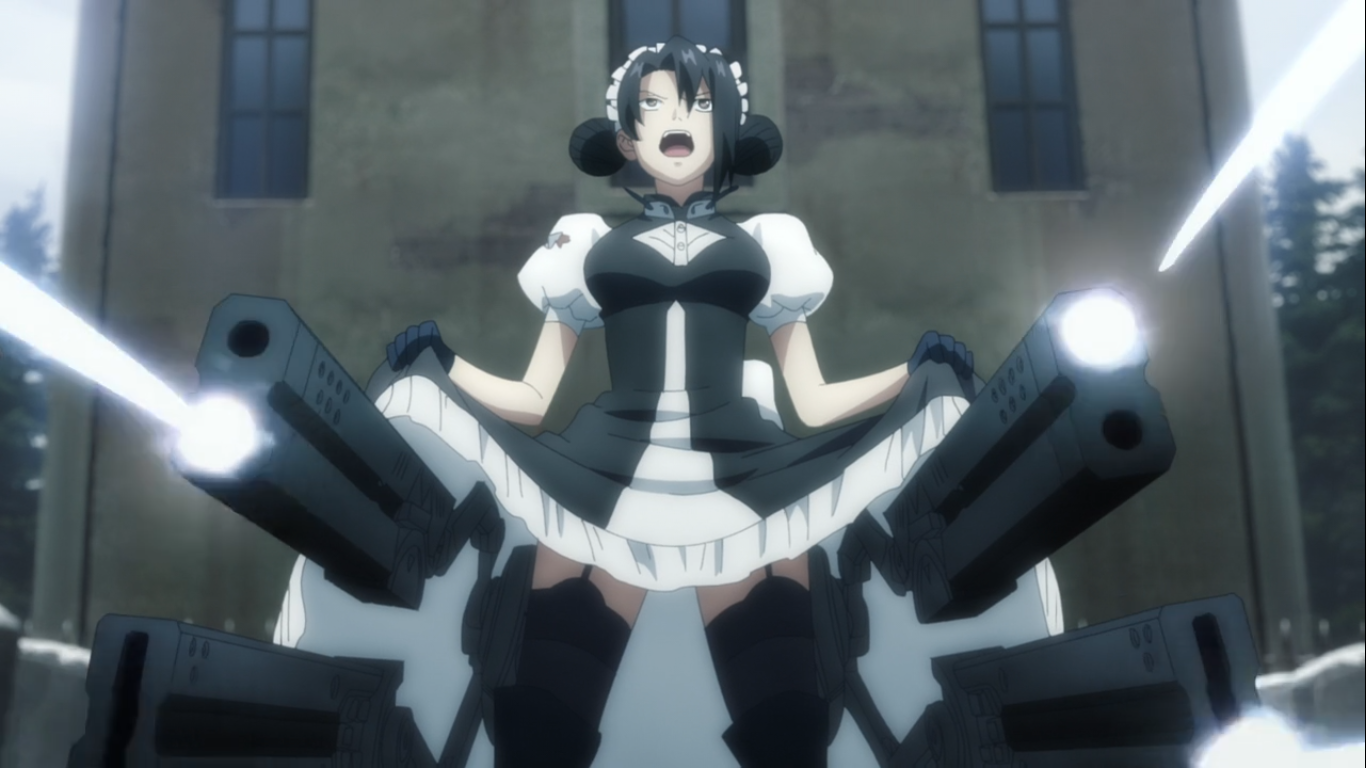
Armitage: See, I fully believe that 2022 is going to be a pretty good year for anime. It’s just starting off on the wrong note. Series like this aren’t offensively bad, they’re just aggressively mediocre. They don’t know if they want to commit to the fanservice or to the mindless action. They have their characters talk in tech jargon to make them come off as smart while having them undress right at the camera in the opening song which itself sounds like something that would play in a cheap pub in 2051. You know how series like this go by this point. Bland characters will be put into artificial conflicts that you wouldn’t care for. It can be mildly amusing if you are really out of stuff to watch and even YouTube is down and you’ve watched your share of cat videos for the day but otherwise just why would you bother? This show features a dual machine-gun wielding lady in a maid outfit but don’t let yourself think that it’ll come anywhere close to being a poor man’s Black Lagoon. It’s most probably just going to end up as a rich man’s Coppelion.

Potential: 10%

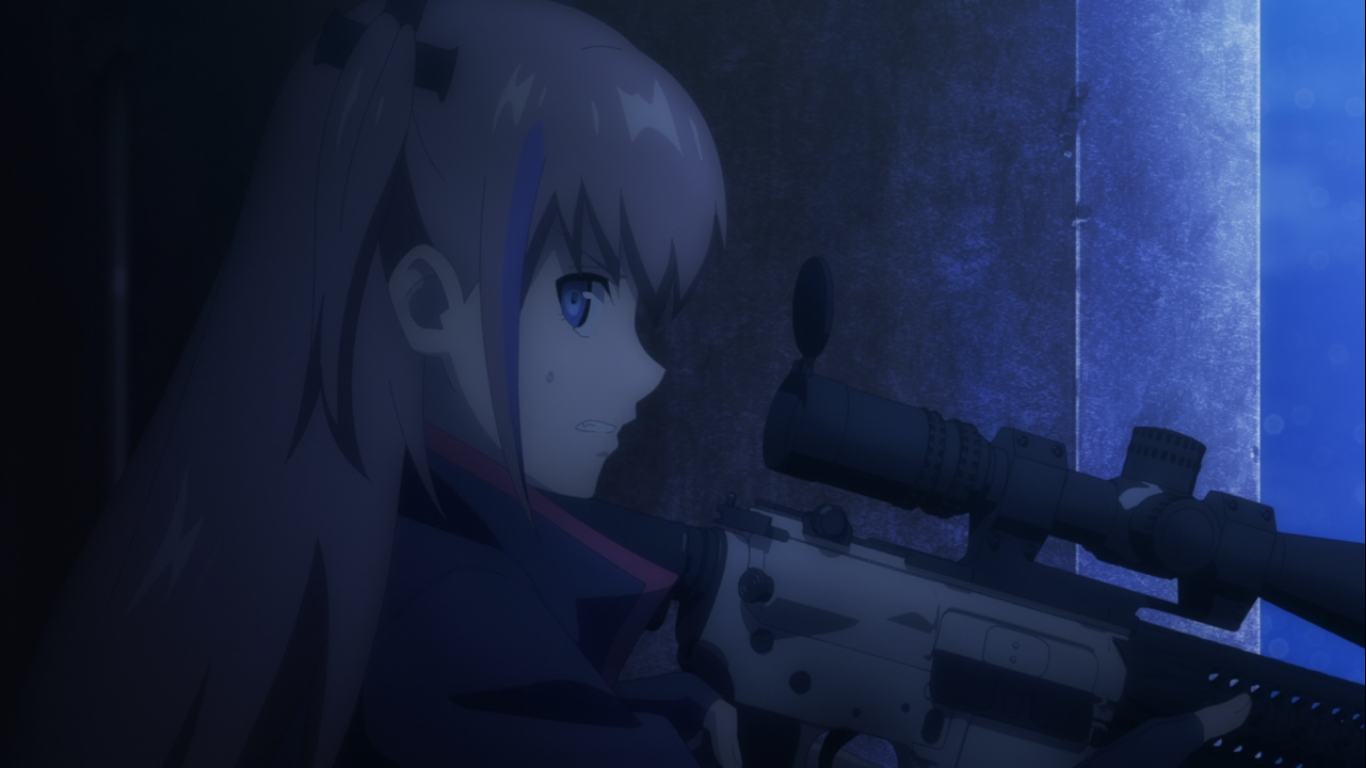
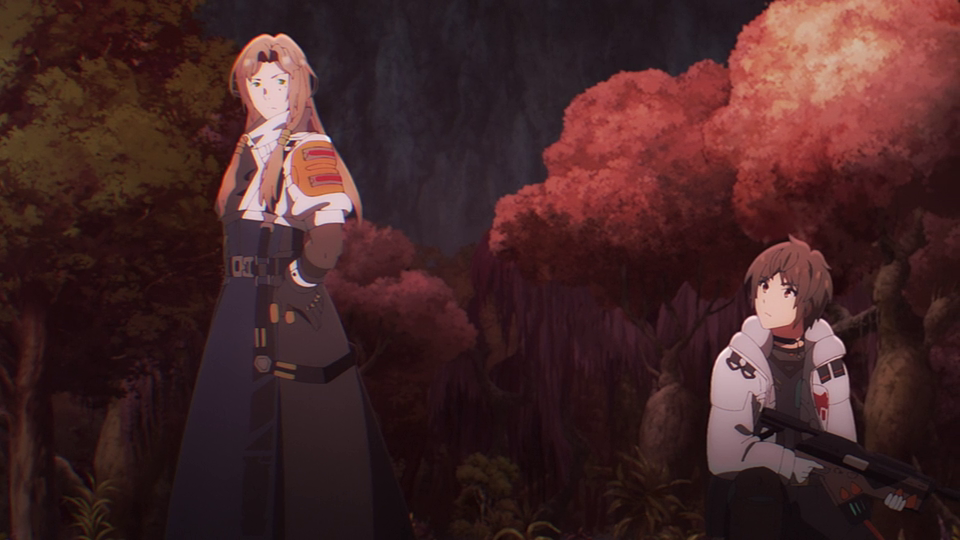
Amun: Ah, I’m a little more positive on this than Armi, but not by much. The good: I thought the representation of battle was a good attempt. There are plenty of shows that would have done pure power of friendship, but there was a semblance of strategy and “fog of war” here. There were a couple shots that featured excellent trigger discipline – points for that. I think anime as a whole has evolved in the depiction of battle with chaos, loss, etc – “86”, for its many other flaws, also did a pretty good job there. The bad: this is super-soldier cosplay with tricked-out, nonsensical custom weapons. I mean, the character names are all firearm models, but as far as I can tell, they don’t match the guns being used. Like…none of them were named AR-10 and I’m pretty sure there was at least one of those there. I didn’t see an M16, but it’s kind of hard to tell with all the various modifications.

I liked the shout-outs to the Russian and German WW2 guns (and the random AK-47 out of nowhere), but this seems second-rate gun otaku pandering to me. Boring choices too – they’re all pretty much mid-range assault rifles; let’s see some variation (close quarters, longer range, pistols, etc). Plus, one of my big pet peeves is firing with a silencer for absolutely no reason whatsoever. You’re not being subtle, you don’t have to worry about blowing out your electronic eardrums in the confined space – take it off so you don’t burn it up for when you actually need it (plus you’re diminishing your force for no reason). Anyways. I would say this show is more aiming to be a more war-time “Ghost in the Shell” (sorry Armi, I don’t really get the “Coppelion” comp?), but I doubt it’ll be anything special (you can already feel the “becoming a human” dilemma starting up). I actually like the OP though – some “Guilty Crown” vibes for me.

Potential: 30%

Winter 2022 Impressions: Leadale no Daichi nite, Hakozume: Kouban Joshi no Gyakushuu, Orient

Leadale no Daichi nite

Short Synopsis: Bedridden gamer becomes her in-game character 200 years in the future after a hospital fails to install back-up power for her life support (but provided her with a full VR gaming rig?).

Lenlo: New year, new season. New year, new season. And the first show of the new year is… Not objectively terrible. I’ll take it! As far as Isekai go, Leadale isn’t the worst. It’s still pretty basic, it’s still a power fantasy and it still uses a lot of the MMO trappings you’ve seen from Log Horizon and SAO. On top of that, Leadale also looks… kinda bad. Its animation is almost nonexistent, the CGI is jank and it shifts between this chibi art style and your more standard A-1 Pictures knockoff style a lot. But you know what? It doesn’t take itself seriously, this isn’t your super edgy whatever the fuck Isekai. It’s just a feel good, don’t think, watch the previously hospital bound girl finally get to experience life kind of show. And sometimes that’s all a person needs. Not me, I won’t be watching it, but I wouldn’t blame someone else for doing so.

Potential: 30%

Amun: I am that someone else! This show is right up my alley, despite some of the mentioned quality concerns. There are a few shortcuts here and there, but the characters are charming enough, the world looks decent, and the MMORPG aspect isn’t overbearing. I’d say this fits into the “big sister-little sister” genre (think Slime Taoshite 300-nen or Kuma Kuma Kuma Bear), but with less cuteness and more adventure. This show has plenty to work with – already we have the time-skip mystery (are there only NPCs here?), the little sister route, then the surprise adult children. There are bones of an interesting story here instead of just the normal “spoil cute little sister” troupes. Color me interested. The first episode also showed some interest in action sequences, but I’m not holding my breath on that front. Where Leadale might derail is if it tries to be too many things and turns out half-baked. Even still, I see some good potential here, so I’m onboard this Make-A-Wish Isekai Adventure!

Potential: 75%

Hakozume: Kouban Joshi no Gyakushuu

Short Synopsis: Two police-women go through their daily routine.

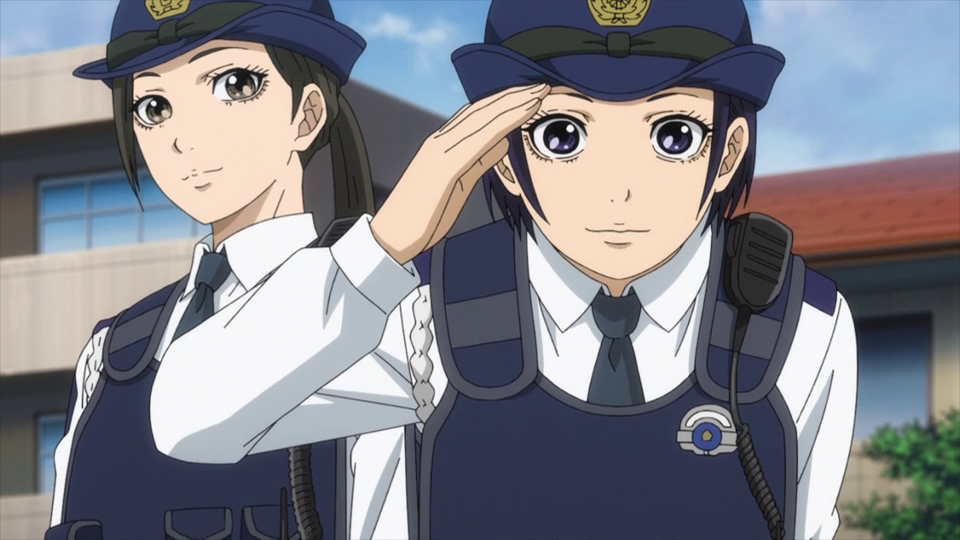
Mario: My first show of 2022 is a mixed bag at best. In Hakozume, I admire a fair share of its elements: the fact that the leads are female police officers, the fact that it’s a comedy and most of all the fact that it’s cheeky enough to poke fun at itself. The recurring gag of almost everyone hating them certainly brings a smile to my face. The other jokes, however, are a big hit or miss. Many of the comedic bits just fall flat; the visuals are subpar and the characters are alright but nothing outstanding. Worse, despite poking at itself it still has this idealistic view of its profession and occasionally I feel it tries so hard to sell me on how good and fun being a cop can be. And fun it sure isn’t.

Potential: 30% or Copaganda.

Lenlo: Let us welcome this season’s entry into the “Cute Girls Doing Cute Things” genre! This show’s subject? The subjugation of the poo- I mean police work! To be frank this show comes off as a fluff piece for Japanese police, almost like an advertisement. “Catch criminals, work with cute girls, get to carry a gun!” To be fair, it does poke some fun at many of the stereotypes and kinds of jobs police do. Stuff like working with kids, mascots, etc. So there is potential for it to be decent. It just comes down to which direction Hakozume chooses to go. Will it take a serious look at what it means to police people? Or will it just be a cute girl advertisement for the job? Only time will tell.

Potential: 30%?

Orient

Short Synopsis: Two idiots decide to fight their alien overlords.

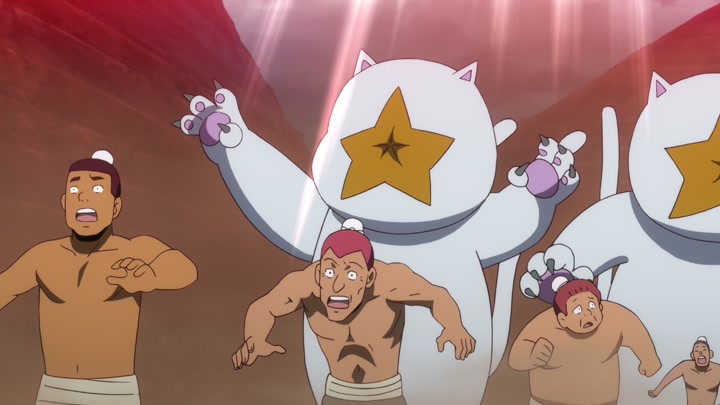
Amun: This show is not what I’m looking for. First of all – scythes. The only show where a main character wields a scythe and isn’t terrible is Soul Eater…and we’re not going to talk about the last half. I just don’t have a good track record with scythes (Angel of Death, I’m looking at you). Back to the point, Orient starts with a slideshow, which always concerns me. From there, we get the power of friendship plot armor and a protag who legitimately forgot he gave his weapon away before declaring his independence day. Oh yeah, and there was a crystal motorcycle Deus Ex Machina…dead serious. The first bit of animation was decent, but the second half was rough – at least wait until the second episode to fall apart! The monsters being cats with scary octopus mouths was pretty funny, but that’s about all the good I’ve got for this show. This is a pass from me.

Potential: 1%

Lenlo: I know that I’m only 3 shows in but visually this show is the most interesting so far… is what I would say if it didn’t completely abandon the traditional ink style in the first minute. And for what? A boring, bog standard, low detail visual style where they can’t even bother to animate a mouth moving in a wide shot? God you have no idea how much of a disappointment that was. Yes, I realize I haven’t touched on the story at all, and there’s a reason for that. It’s just as dull as you would imagine. Monsters rule the world, our lead doesn’t like that and must rebel against society to fight against them. The twist? He uses a weird pickaxe. There really isn’t much going on here, it’s exactly what you think. If you want a show about fighting monsters with absurdly large weapons on motorcycles then sure, have some fun. Personally I think there are better action series out there – even AoT, which I’m known to dislike.

Potential: 10%

Fall 2021 First Impressions: Ousama Ranking, Gyakuten Sekai no Denchi Shoujo, Deep Insanity: The Lost Child

Ousama Ranking

Short Synopsis: Studio Wit’s The Little Prince.

Armitage: Recently, Studio Wit made public the accounts of their financial struggles that came both as a surprise and a terrible premonition of the future of this animation studio as a whole. Which is a damn shame, really. As for my money, Wit have been the most consistent studio in the industry for quite some years. Lately, they have tried to shed their reputation of just being the AoT studio by branching out into more artistically brave properties like The Great Pretender and Vivy. Still, with their backs pushed against the wall, you’d expect them to maybe return to basics and make something “safe”. But what did they choose to do instead? Make a show like Ousama Ranking.

The kind of show that you simply cannot find in today’s anime landscape. A tribute to the classics that came out of the World Masterpiece Theatre from the 70s – a time when creators used to tell stories through anime just for the love of it all – while having the production qualities only possible with the technological advancements of modern animation. A revelrous marriage of whimsical art with honest storytelling – a picture-book brought to life. A kind of work that’s so authentic and uncommercial that it could be described as nothing but a labour of love. This is hands down my favorite premiere of the year and it would be a tragedy to have a show like this go underseen. If you care even a little about the medium of anime, please don’t let that happen.

Potential: 100%

Lenlo: If I’m being totally honest Ousama Ranking has an uphill battle for me. Visually it’s gorgeous, one of the best (if not the best) shows of the season. I give Wit a lot of crap, deservedly so I think. But the storybook presentation of Ousama Ranking along with the bright colors and fluid movement really is a treat. Narratively however I remain unconvinced. The first half of the episode was a lesson in patience because I found the entire segment between Bojji and Kage to be dull and uninteresting. The only thing that kept me going was the aforementioned visuals. Luckily the second half made up for that by putting everything established in the first to good use. Combine that with mentions of this being a Seinen rather than a children’s story and I’m really interested to see where it goes. Just give me more of Bojji interacting with his family/people and less of being pushed around by Kage and we will be good.

Potential: 70%

Gyakuten Sekai no Denchi Shoujo

Short Synopsis: Guy who doesn’t like wearing specs gets into an UwU robot.

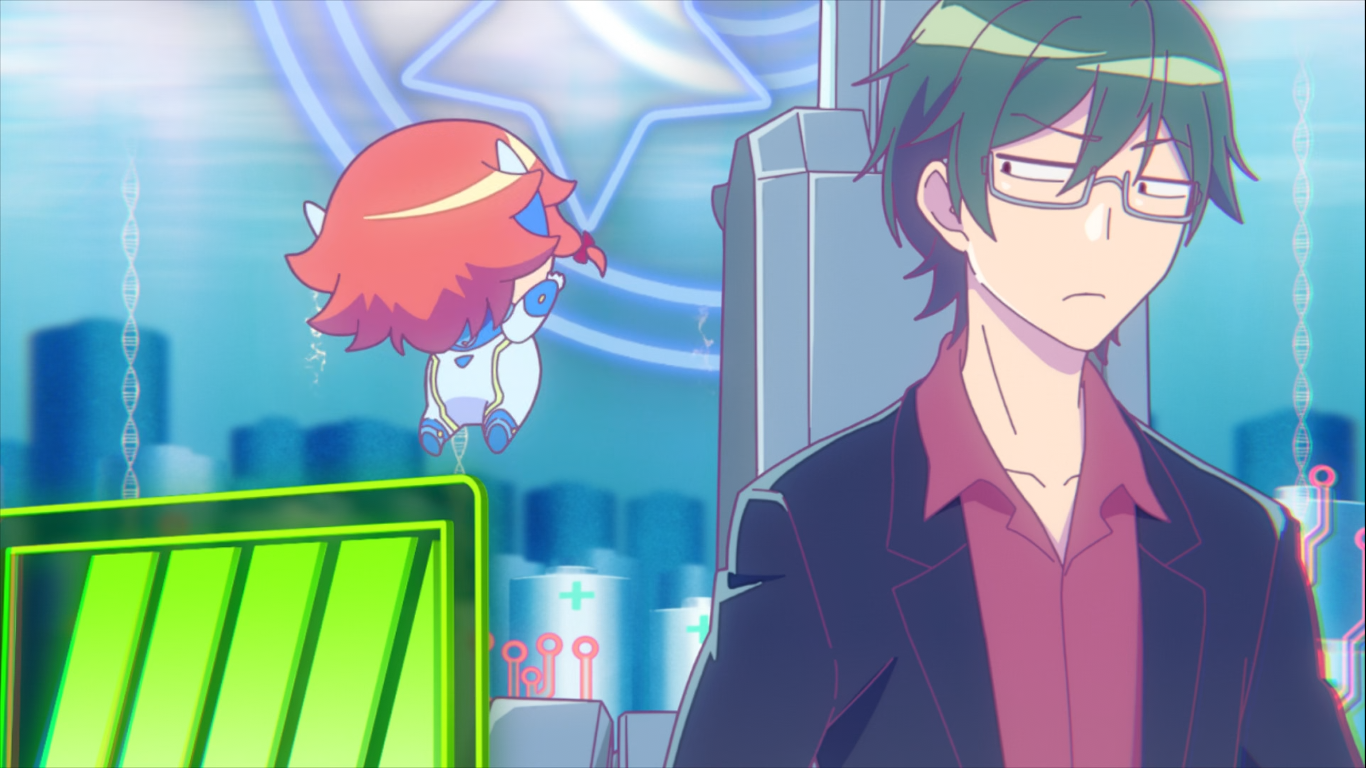
Wooper: I thought I detected a whiff of promise from Gyakuten’s PV back in September, but my nasal passages must have been clogged, because this thing stinks. It’s not completely devoid of appeal, since the concept of a parallel Japan conquering the original could have gone in a variety of interesting directions, but the one we got here was a boring mess. Rather than giving us a multifaceted look at how life in this alternate future had changed, the episode hyper-focused on an unlikeable host who stumbled his way into a mech. The second part of that setup is familiar, at least, but it’s usually a kid you can root for doing the stumbling, not a grouchy fraud who has nothing to do with the overarching story. He links up with a partner inside his VR cockpit and, after spending far too long talking about fighting spirit, they team up to…escape from their opponent? I’m all for misdirection, but when you dedicate something like eight minutes to a drain-circling conversation about doing battle, you need to deliver some sort of payoff. The last-second reveal of his VR partner’s real life form was probably the best part of this premiere, if only for her cute character design. The rest of the episode? Not worth the time it took to get there.

Potential: 10%

Armitage: In the same vein of iconic Mecha shows with meaningless two-word titles when taken out of context (see: Gurren Lagann, Code Geass), we have Rumble Garanndoll. But that’s just about where the similarities between these shows end because this one is just an incomprehensible mess of generic plot devices (some all-powerful thing to be found in a particular city), a generic MC and worse than generic character models which the animation team doesn’t even bother to draw faces on, half the time. I don’t know why the twee mascot character is there but honestly, I don’t care. Same goes for this show as a whole.

Potential: 5%
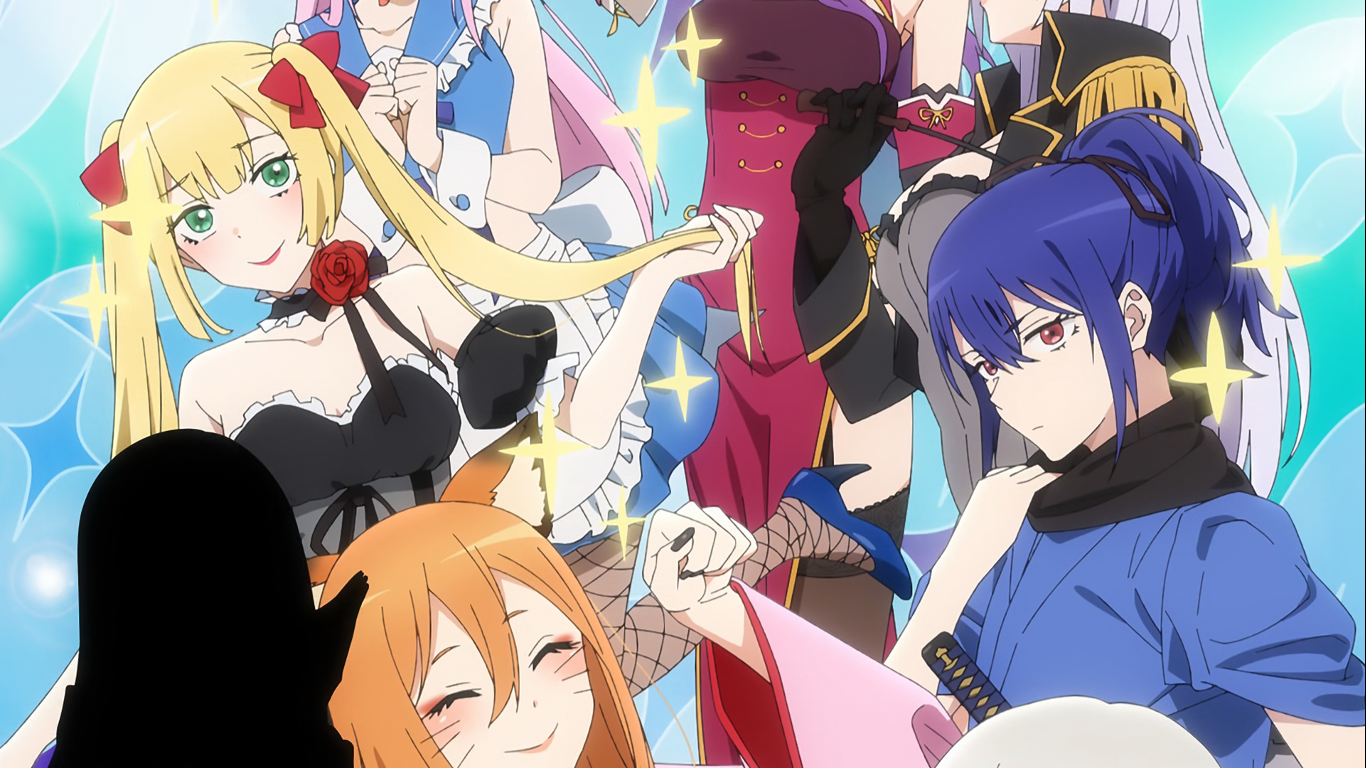
Deep Insanity: The Lost Child

Short Synopsis: New recruit is tricked into fighting underneath Antarctica by his favorite voice actor.

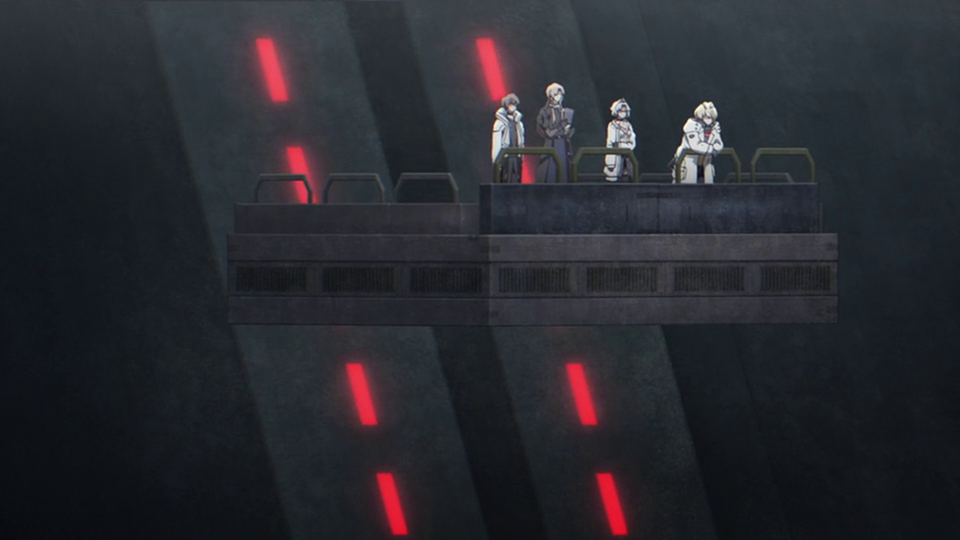
Mario: Despite its bold title, Deep Insanity isn’t that deep or that insane yet. It has a fun concept: a near future where a mysterious disease claims the lives of many, and where a lost underground world surfaces in Antarctica. Where the show suffers is everything else. Just look at the first 90 seconds before the credits roll where it spills things just for the sake of exposition. Its main character is bland, serving more as the viewer’s POV than an actual character. And the show looks a tad bit too grim and dull for my liking. What this first episode focuses on – apart from giving us first-hand experience of the MC’s job – is its attitude towards the fear of death and, in turn, accepting it. Although the show did undercut its message with a simple “dangerous mission”, it also hinted at other characters’ traumatic pasts and why they fight, creating my favorite moment of the episode. Don’t expect a hit out of this, it belongs more towards the middling “sci-fi / mecha” pack this season (Shikizakura, Kyoukai Senki, Rumble Garanndoll, Tesla Note…). Pick one that you fancy, you don’t need the rest.

Potential: 30%

Amun: The only anime based on a mobile game that I’ve enjoyed is Mysteria Friends (although I was confused the entire season) – Deep Insanity doesn’t seem likely to add to the list. There are some interesting points: I liked the current events tie-in with masks and perpetual understaffed complaints. The introduction of our audience-vehicle certainly could have been worse; his “heroic” antics seemed a bit unlikely, but who knows – survival bias I guess (kill enough newbies and maybe one of them is a genius, sure). The premise is at least trying to be interesting, but I’m with Mario – this seems pretty grim. I’ll probably end up dropping it around the middle of the season, like I did with Scarlet Nexus from a few seasons back.

Potential: 30%

Fall 2021 First Impressions: Komi-san wa Komyushou desu, Lupin III Part 6, Shikizakura

Komi-san wa, Komyushou desu

Short Synopsis: Internet’s collective waifu finally gets her anime.

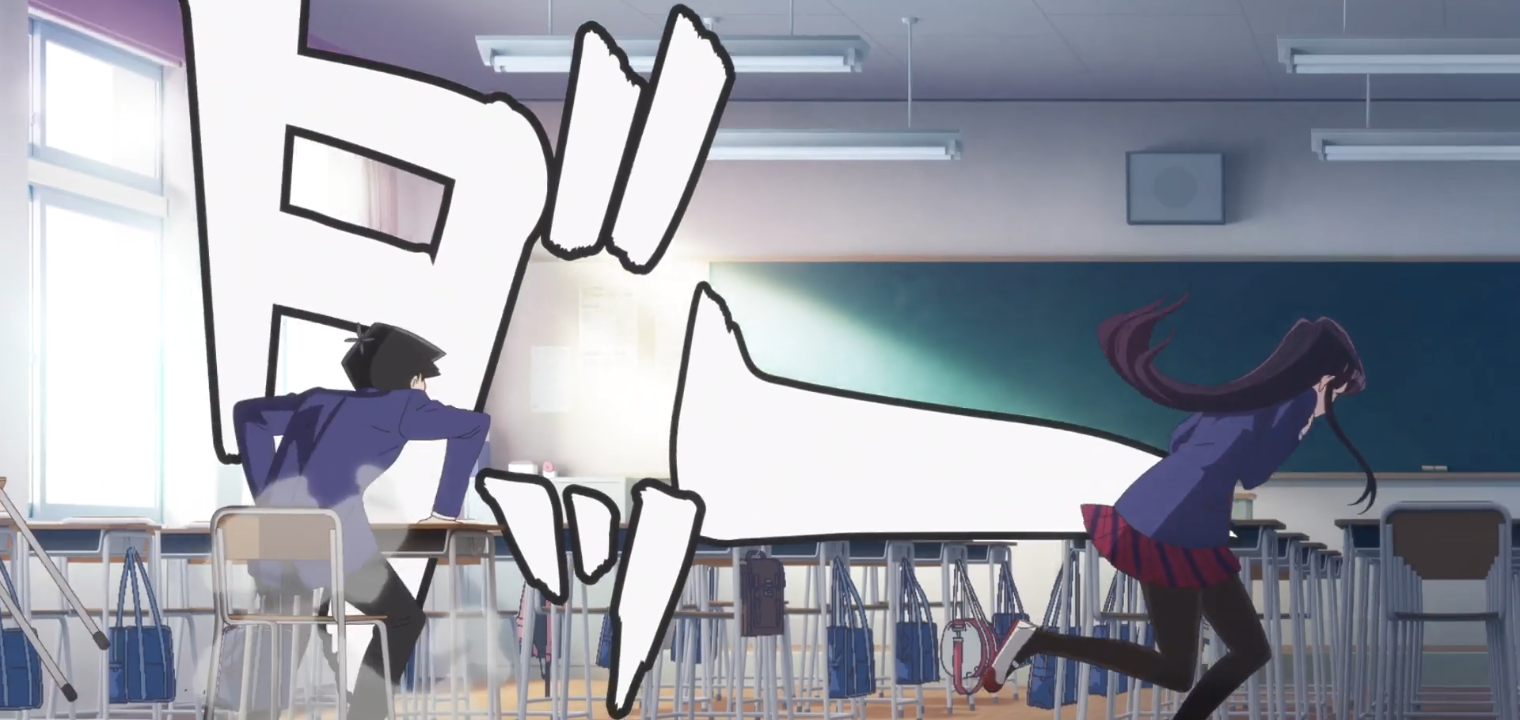
Armitage: I have not read the Komi manga but I am aware of the literal cult-ish popularity it boasts of. So, I was pretty excited to see what all the hype was about. And now that I have seen this premiere, I can say that I get the appeal, even though I find myself reluctant to jump onboard. Komi-san is a series that seems to be formed out of two basic building blocks: the first is the earnestness with which it treats the character of Komi and her inability to form connections with others due to her timid and socially awkward nature. That part seems great. It works really well. But the part that doesn’t is the comedy. Not only is it the same kind of humor we have come to expect from high school rom-coms in anime but the slapstick nature of it all is also turned up to 11 with the frenetic direction by Ayumu Watanabe, who’s more known for his subtle eye, always looking to heighten the intensity of every punchline and three different camera angles leading up to the climax of every joke. It makes the already uninspired comedy just come off as rather grating and I don’t think this is a series that’ll ever be letting go of its comedic side to focus solely on the gentler moments. Unfortunately, if that’s indeed the case, I can see myself not enjoying it all that much.

Potential: 40%

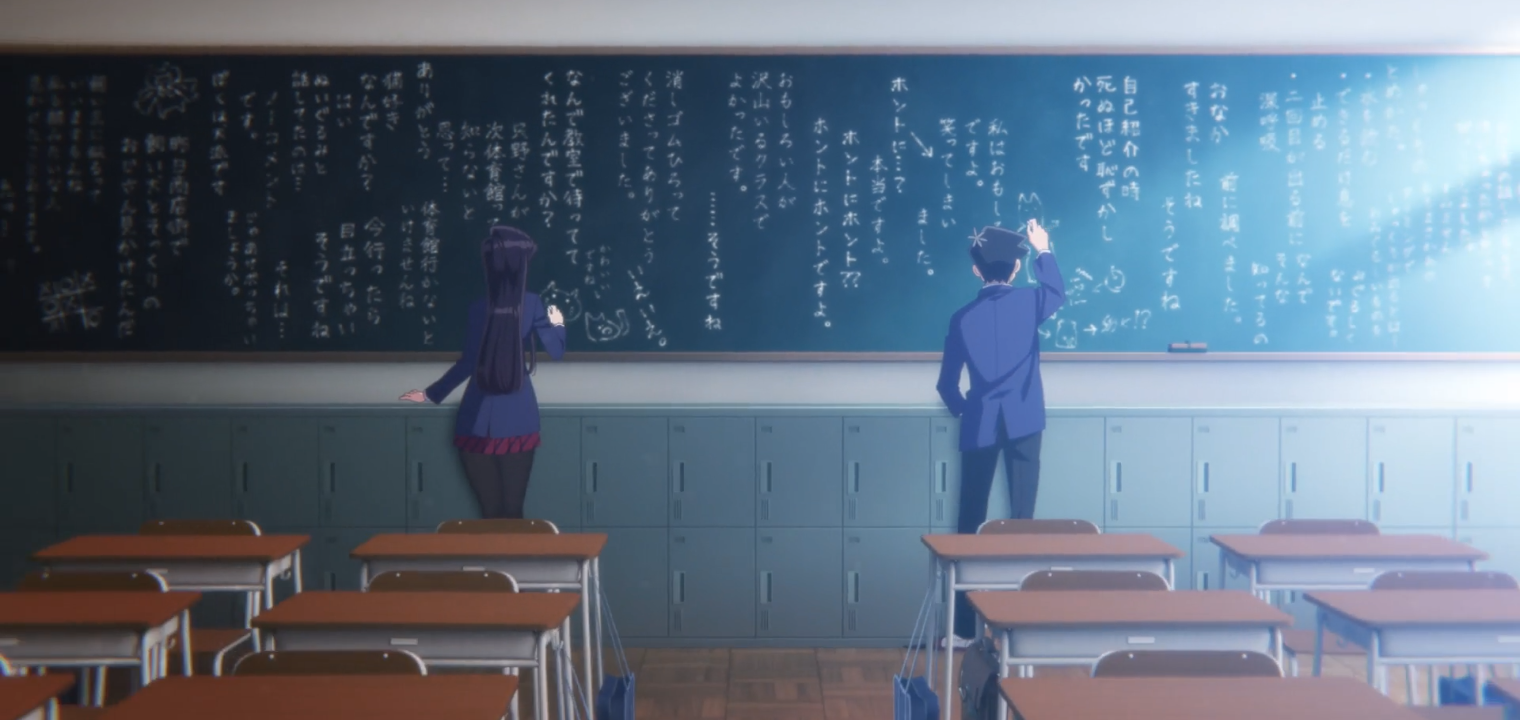
Wooper: I’m typically a subtitle purist, sometimes waiting weeks for decent fansubs to appear for shows I’m interested in, but I made an exception for Komi-san. I’d heard some rumblings that its adaptation was beautiful-looking, and I figured they might be true given the chief director’s involvement with 2018’s After the Rain, so I wanted to confirm the rumors with my own eyes – and confirm them I did. Nearly everything about this episode, from its exceptional animation to its gentle composition (clearly inspired by KyoAni’s filmic style), blew me back on my ass. Shots of Komi nervously fleeing social situations or a jealous classmate using a compass like a ninja tool were so polished that I had to wonder whether the manga justified this sort of adaptation. I haven’t read it, but so far the anime is pulling off its nerd-magnet premise with aplomb. Most of the jokes landed for me, but Tadano and Komi’s shared anxiety wasn’t played only for laughs – the chalkboard scene in the second half, where they wrote messages to each other to circumvent Komi’s fear of speaking, was far sweeter than I’d expected. The symbolism of the chalk dust falling even transitioned from tears (despair) to snowflakes (renewal) as the scene went on, which was a lovely touch. I’d recommend waiting for official subs, which ought to be out in a week – this is a premiere worth anticipating.

Potential: 80%

Lupin III: Part 6

Short Synopsis: The Lupin crew bids farewell to the man who voiced Jigen Daisuke for 50 years.

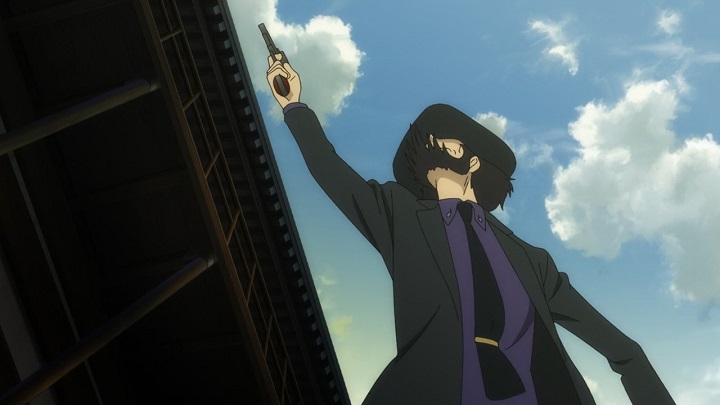
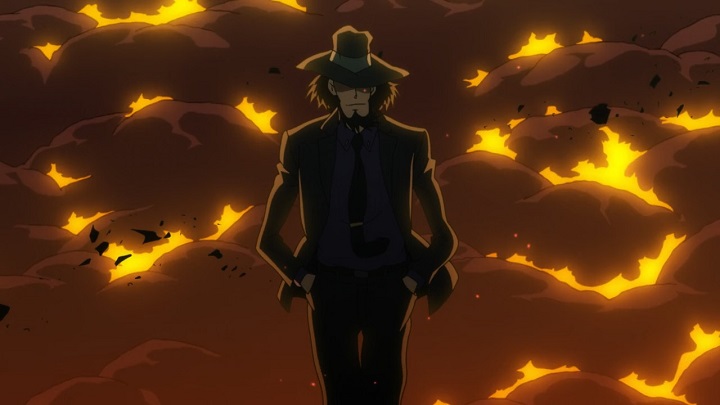
Wooper: This so-called premiere was labeled “episode 0,” and it surely felt like one. It was disconnected from any larger story, and served mostly as an excuse for staunch traditionalist Jigen Daisuke to have a candid moment with each of the other characters. Why Jigen? Because Kiyoshi Kobayashi, the man who gave him a voice for half a century, has just retired, and this was his last hurrah (Akio Otsuka will step into the role beginning next week). Much of the dialogue here dealt with the idea of a new era that threatened to leave the old gunslinger behind, and the merits of sticking to your roots versus the benefits of learning some new tricks. Police drones, plastic guns – Jigen bristled at these innovations, preferring instead to hide from the evolving world and nurse some finely aged whiskey. It was a nice way to honor a veteran seiyuu like Kobayashi, at least on paper, but both the script and storyboard for this episode were highly unimaginative. The action was some of the worst that the Lupin franchise has delivered in years, and Jigen’s conversations with Zenigata and Fujiko didn’t do justice to anyone involved. If you’re not invested in Kobayashi as an actor, I’d recommend skipping this – next Saturday’s episode ought to be a much better launch pad for the new season.

Potential: Waiting for next week

Mario: It feels odd to bill this as the beginning episode of the new season, because in more ways than one it serves as the end of an era. It maintains the same themes and visual look as Part 5, and it focuses on Jigen with the final voice performance by the great Kiyoshi Kobayashi. Boy, did the final farewell sentiment feel through the entire episode. It’s about a man who feels old and tired of the ridiculous advancement of the new era, about a man who wants to hang up this life and have “one last hangout” with his old friends. This episode is much slower than your average Lupin episode, as it has its eyes set on the quieter, more sober moments of Jigen talking to his companions. As a result it produces one of the most heartfelt moments in the franchise (from the small sample I watched from it anyways). Not only that, when it comes to action scenes this episode doesn’t disappoint. So, as far as potential score as a means to indicate how good the rest of the season will be, this 00 episode is ill-fitting, but as far as quality goes you can’t wish for anything better than this.

Potential: zero, but in terms of enjoyment: 60%

Shikizakura

Short Synopsis: A boy gets attacked by monsters, gets saved by a bunch of weirdos and becomes a weirdo himself.

Lenlo: You know what… this isn’t the worst CGI of the season and I really expected it to be. Oh there are issues, characters move stiffly, the models still look out of place in the 2D scenery and the monsters especially look painfully generic. But someone clearly put a lot of effort into this! The 2nd layer of 2D on top of the models to still achieve the “anime” look, the swooping and dynamic camera, the full range of motion they run these models through. There’s some heart in Shikizakura and it shows! I still don’t think it will be anything special though. It’s a pretty straight forward Super Sentai series that’s also using the “I have a demon inside me” trope from Shounen. But at the very least it’s earned my continued attention for another week or two to see what it does. Maybe it’ll surprise me!

Potential: 30%

Mario: I’m not even kidding when I say that if you cut and paste elements of Tesla Note into Shikizakura I couldn’t tell them apart. They both have terrible 3DCG aesthetics, the characters look similar and talk the same way and they both have supernatural edges to their stories. In the case of Shikizakura, it’s “super sentai” with a Japanese folklore twist. It sounds good on paper but in reality the first episode runs pretty typically with a cast full of tropey characters. Admittedly, Shikizakura is much more consistent, both in terms of writing and production values, than Tesla Note. Still, I am personally more eager to watch more of the latter than this one. An easy pass for me.

Potential: 10%

Fall 2021 First Impressions: Saihate no Paladin, Senpai ga Uzai Kouhai no Hanashi, Taishou Otome Otogibanashi

Saihate no Paladin

Short Synopsis: A reincarnated human is raised by a ghost, a skeleton, and a zombie.

Amun: Saihate no Paladin was an okay premiere. Being raised by three undead heroes is a fairly new gimmick, but the ED hints that this will soon return to the normal isekai tropes of group building, world exploration, and harems. As far as the episode itself, there were the normal introductions of the world and mechanics – honestly, when was the last time an isekai’s first episode blew you away? I think the world is interesting enough (I expect a “Sunday Without God” type setting from here on out), but I can’t reasonably expect anything revolutionary. But sometimes just okay is a win – as long as it’s better than the last two abysmal isekais from last season, that’ll be enough for me.

Potential: 45%
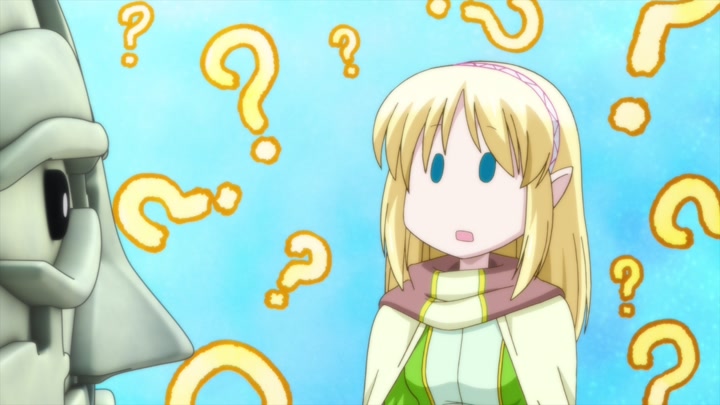
Armitage: Well, there ya have it, guys! Isekai of the season!! Can I get a “Hell, yeah!”? [audible gust of wind] Yes, I know, I know. We’re all tired of the Isekai horse beaten to the point that it’s basically a walking skeleton today. Yet, it refuses to die. And as a result, we keep getting the same show regurgitated 20 times, every year. Paladin too does not escape that fate but it at least tries to do something original. The setting is drab but not exactly copy-pasted, the characters are archetypes but might learn to talk like actual people down the line. Considering how acclaimed the manga seems to be, there is actual potential for a good show here. And that’s why I’ll be even more disappointed when eventually this too joins the Arifuretas of the world.

Potential: 30%
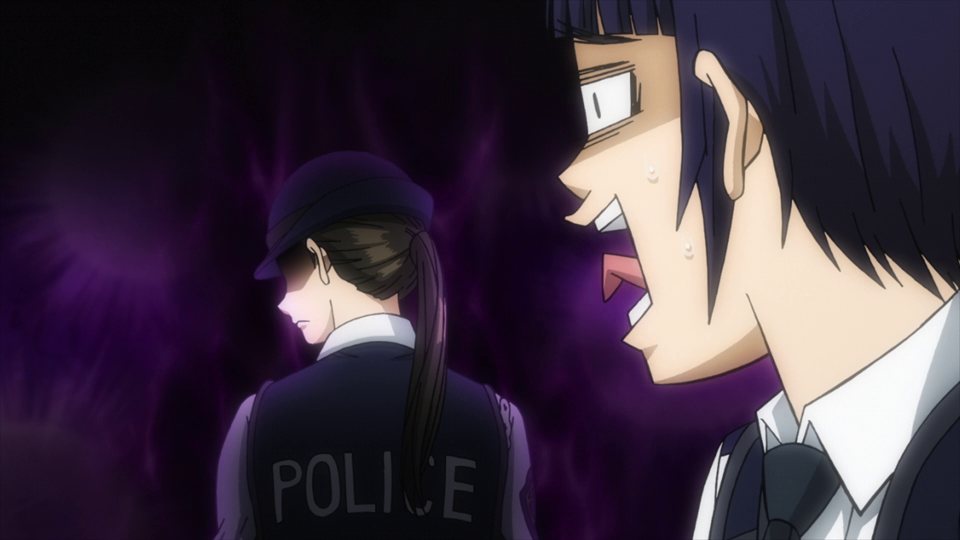
Senpai ga Uzai Kouhai no Hanashi

Short Synopsis: Short kouhai and big boi senpai navigate salaryman life.

Wooper: Doga Kobo has been putting out solidly-animated slice of life series for years now, but somehow I’m always surprised by their attention to detail with each new work. Senpai ga Uzai’s miniature saleswoman Igarashi was brought to life from the opening minutes, as the motions of her morning routine were drawn with expert hands, and the episode’s multiple walk cycles were executed far more cleanly than the average TV anime could manage. I liked the music, too – the soundtrack won’t win any awards, but the acoustic guitar playing was nice, particularly when it needed to evoke sympathy for a character who had just made a critical mistake at work. The show is nicely put together, but man, I just can’t get past the obvious bait of Igarashi’s childishness. It’s not just that she’s short and her senpai Takeda is huge – it’s that she’s a child in everything but name. She adds too much sugar to her coffee, wants a Happy Meal from McDonalds, fears the dark, can’t handle alcohol, and the list goes on. Takeda constantly pats her head or ruffles her hair during this episode, and we’re supposed to find her irritation cute, but I just wanted to tell him to get his hand off that kid’s head. The not-so-subtle kink of this series rubs me the wrong way, so I won’t be watching, but it’s certainly well-made.

Potential: 50%

Amun: I don’t hate it – but then again, we just discovered that I score shows ~25% higher on average than the other authors, so take that as you will ^_^. As I’ve gotten older, I’ve started to appreciate the older characters – high school is getting pretty far away (get off my lawn). These shows live and die on their character dynamics, and – for me at least – this premiere gets passing marks. While a bit of an emotional rollercoaster, Senpai/Kouhai kept it fun while not being overbearing. I can think of about a hundred ways this could have been worse, so I’m cautiously onboard for the time being. Only chance of dropping is if I get too bored – which I’m certainly not ruling out.

Potential: 60%

Taishou Otome Otogibanashi

Short Synopsis: My newly-bought loli wife can’t be this cute!

Armitage: There is a notion that always gets thrown around that a woman must always choose between a career and matrimonial life. And there is also a misconception surrounding the idea that any such woman picking the latter is not a feminist ideal. This is something I highly disagree with as for me, if you love what you do and are content with your place in the grand scheme of things, no one else should ever have the right to tell you you are not enough. If you’re content in living a life secluded from the rest of the world as you watch anime and movies or play video games, that’s perfectly fine. And if you’re content in taking care of your family by tending to their every need just because it makes you happy, that should be fine too.

Taishou Otome is based upon such a sensitive premise that it’s hard to not be at least a little discomforted by it. And the series understands it. It could be argued that the series’ lighthearted treatment of its themes can make it seem like it’s sugarcoating the terrible history of abuse that it’s based upon. But I don’t think it’s trying to do that. Instead, I believe that this story takes a revisionist history approach to its narrative while fully understanding the weight of the subject matter. It’s gentle even in its comedic moments and never comes off as mean-spirited. In our female lead, it gives us a person who’s willing to not let the sheer tragedy of her circumstances weigh her down – a notion whose importance only the truly unfortunate seem to realize. And Taishou Otome is a series that understands the value of looking for silver linings not amongst the clouds but within the people we chance upon. But more than anything else, it’s simply a kind story about two people very much deserving of kindness. And I love it for that.

Potential: 80%

Mario: I suppose that with the current dire situation in the real world, we are in need of these kinds of healing shows – shows about good-hearted, depressed lonely people who meet someone who truly cares for them. This episode itself is highly functional, but for me the timing is just wrong. It comes after last season’s Bocchan no Kuro Maid, and it beats pretty much the same drum as that show. There’s a sad backstory about the main guy, there’s the girl who will be his pillar of support and there’s some hijinks in regards to physical tension… While Otogibanashi’s visuals are indeed more fluffy and attractive than Bocchan’s, the premise unfortunately gives off a few red flags. It’s about a child bride who gets sold to pay off her family’s debt to begin with, but what I find a bit iffy so far is the way the show sort of “objectifies” this kid to be too perfect despite her young age. Don’t get me wrong, Otogibanashi is still sweet and charming, but I really hope it expands their relationship into something more than just sweet and charming.

Potential: 30%

Fall 2021 First Impressions: Sakugan, Platinum End, Visual Prison

Sakugan

Short Synopsis: Deca-Dence (2021)

Armitage: For a show being marketed with the English title ‘Sacks & Guns’, Sakugan’s premiere actually wasn’t that cringeworthy. Rather, it was pretty good. Sure, it’s heavily inspired by a certain show from last year but I don’t think its narrative will ever pull the rug from under the viewers’ feet quite like that one did. It has the artstyle and general tone reminiscent of a Bones show but lacks that kind of polish. And it has decent CGI Kaijuu designs but nowhere near as impressive as something like Godzilla Singular Point. Basically, what I am trying to say is that if Sakugan tries to lean into any of these elements, it’ll most probably stumble and fall. But where it can rise is through its characters.The lead father and daughter duo of Gugamber and Mumenpu compliment each other well and even though they did come off as obnoxiously loud and (hopefully) intentionally irritating at first, they do grow on the viewer. I believe their whole journey is supposed to mirror a parent’s ever-present plight of letting go of their child while also doing their utmost to shield them from the world’s adversities and if Sakugan is able to carry that motif with sincerity through to the end, it might well have a shot at standing out even in an overcrowded season like this.

Potential: 60%

Mario: One of my most anticipated titles from this new season, Sakugan did a lot of things right in this first outing, but isn’t without its deterrents. For a show with such a clear sense of its own setting, the colony depicted in this episode functions as a character itself. From the very first shot, we can see the layers of the underground colony filled with neon signs and steampunk designs. I reckon my favorite is the layers of bridges that connect buildings like ant colonies. Despite that attention to detail, Sakugan is much less about techno-babble and explaining the world and focuses instead on the main father & daughter duo, who can’t see eye to eye in most matters. Memempu begs her father to set out as Markers and her father refuses it outright in consideration for her safety. Their bickering can be over-the-top at times but we can see clearly the insecurities of Gagumber the father when it comes to parenting and protecting his (genius) daughter. So the show’s heart is in the right place.

However, the issues with this episode so far are 1) the pacing is awfully rushed since 20 minutes wasn’t enough time to let the world and the characters set in and 2) there are some “extras” that to me feel like they borrow from other genres/lore and thus don’t mesh well with this material. The prime examples of that are the monster kaijus at the end (why kaiju???), and Linda’s weird outfit that shows her orange undies (again, why? The outfit makes no freaking sense except for fan-service). As it stands, Sakugan has its fair share of highs and lows, but after this teaser for the rest of the show, I sure as hell want to see more.

Potential: 50%

Platinum End

Short Synopsis: A would-be suicide victim is saved by an unscrupulous angel and given godlike power over other human beings.

Lenlo: Ow, fuck, I cut myself on all the edge. I’m talking like… razor blades in your shoes level of edge. We have murdered parents, suicidal teens, domestic violence, mind-control, forced suicide, everything under the sun. It’s almost grotesque the amount of self-indulgent violence and darkness that Platinum End manages to shove into this episode. Coming from the same author as Death Note I want to believe there’s a purpose to it. That this is all some inverse celebration of life, that by the end the MC will grow into a wholesome and responsible person as his actions push him over the brink. In a way that’s what it seems to be going for with the episode’s second half. But this Kyubei-style angel and the inevitable death battle feel like they are going to distract from that. Long story short I’m willing to give Platinum End a shot. Though I fully expect it to crash and burn roughly halfway through.

Potential: 20%

Wooper: I tried to adopt the mindset of a brand new anime fan while watching Platinum End, since that’s what I was when Death Note came around, and came away somewhat successful. I felt the appeal of a beaten-down protagonist being granted supernatural powers; I took notice of some stirring shots amidst the plain early-2010s production; I appreciated the judicious use of choral vocals to accompany the otherworldly drama. But man, this show is such a blatant mashup of Future Diary and Death Note that it’s hard to care about it in 2021. The main character’s companion is an angel named Nasse, a genderbent Ryuk who is, as in Death Note, visible only to other people with winged companions. There are 13 such people in competition for the role of God (rather than Future Diary’s 12), so you know there’s going to be lots of mindgames and murder in the coming episodes. Honestly, the biggest difference between Platinum End and the hypothetical love child of its main inspirations is that these new god candidates can fly. There wasn’t any flying in Future Diary before I dropped it, at least – maybe that happened later on. If you absolutely loved the series that Platinum End is ripping off (or you’ve somehow never seen them) this might be your thing, but personally, I’m too old for this shit.

Potential: 20%

Visual Prison

Short Synopsis: A teenage boy gets caught up in an intense musical battle between two vampire bands and becomes one himself.

Mario: Well, in the season preview I noted the fact that Visual Prison’s credited staff has 8 “theme song performers”, 2 “insert song performers” and 4 “character designers” without a hint of its writer, and that’s reflected very well in this premiere. The show wasted no time to show us a dozen over-designed characters and squeezed 3 entire songs into the span of 20 minutes (4 if you count the ED). I guess the market for this one is clear: if you like the characters, the songs or you found Hypnosis Mic: Division Rap Battle amusing then you can check it out. This is a tamer Hypnosis Mic but it’s still wild. Not all of its content is about music and characters posing elegantly, mind you. Somewhere in the midst of it all they toss you an MC with heterochromia (it’s a great year for MCs with different color eyes) and the voice of an angel (according to these characters anyway), a pandacat that randomly appears onscreen and a scarlet moon that somehow links to music-crazed vampires. At least Visual Prison has the most inventive human-turns-vampire method ever, I suppose.

Potential: Panda? Cat? Panda? Cat? Loaf of bread. SYSTEM ERROR

Amun: So this is a series of music videos and competing vampire bands? I think there was a plot in there somewhere, but the panda thing must have eaten it. I will never again condone the use of foreign words in songs – it just sounds so ridiculous if you actually speak the language. The CG transition from traditional animation was handled as well as possible, but there’s no denying this is more of a music video medley than an actual anime. I guess if you like the music, this is for you, but whatever genre this is, it’s not my cup of tea.

Potential: 0%