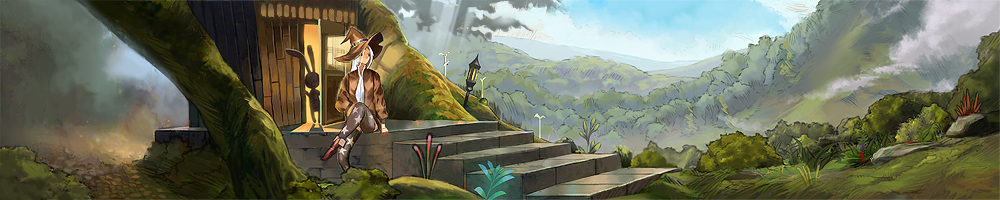
Kimi to Boku

 Short Synopsis: Our lead character is an average high school boy.
Agh! Why does this air on the exact. same. date as Tamayura?! I mean, it has its qualities on its own, but when it airs right after what in the end is a superior slice of life series it is in real danger of just being overshadowed. Still, despite that Kimi to Boku has this strange kind of catchiness. It suffered from trying to be too ironic, its characters still stick a bit too much to their stereotypes (which especially sticks out with such a small cast of only four characters), but the dialogue between them in the end was quite enjoyable. These guys are down to earth, and in any case it’s good to see another slice of life series that is in no danger of being overrun by boob jokes. There’s a scene of their past together, which is also a good sign and this episode was also good at portraying things going on in the background. This will probably be a very uneventful series that fleshes its characters out through its dialogue, and based on that, this episode did well and has the potential to last through 26 episodes.
OP: Another boring ballad. The use of photographs again does not help after seeing Tamayura do this so much better…
ED: A bunch of (admittedly good) drawings, with another dull song.
Potential: 75%
Tamayura ~ Hitotose
Short Synopsis: Our lead character is an average high school boy.
Agh! Why does this air on the exact. same. date as Tamayura?! I mean, it has its qualities on its own, but when it airs right after what in the end is a superior slice of life series it is in real danger of just being overshadowed. Still, despite that Kimi to Boku has this strange kind of catchiness. It suffered from trying to be too ironic, its characters still stick a bit too much to their stereotypes (which especially sticks out with such a small cast of only four characters), but the dialogue between them in the end was quite enjoyable. These guys are down to earth, and in any case it’s good to see another slice of life series that is in no danger of being overrun by boob jokes. There’s a scene of their past together, which is also a good sign and this episode was also good at portraying things going on in the background. This will probably be a very uneventful series that fleshes its characters out through its dialogue, and based on that, this episode did well and has the potential to last through 26 episodes.
OP: Another boring ballad. The use of photographs again does not help after seeing Tamayura do this so much better…
ED: A bunch of (admittedly good) drawings, with another dull song.
Potential: 75%
Tamayura ~ Hitotose

 Short Synopsis: Our lead character is just a regular teenager.
Yes! Yes! Yes! The creators actually did it! Instead of just continuing with showing just a bunch of random sketches around the main cast, this entire episode was dedicated to the past of the main female character. Not only do we get to see her in the days when she was away from the rest of the main cast, but they also made clever use of that she’s a photographer. Throughout the episode we got to see a bunch of slide-shows, which did a wonderful job of painting a picture of her childhood. The writing in this episode also was great, combining slice of life and realistic dialogue with subtle morals and life lessons. Sato Junichi really is on fire this season, and it’s almost unfair competition to Kimi to Boku with how good this was. This really is what I want from a slice of life series: realistic characters, visible growth, and plenty of scenes to relate to. Knowing the creators we’re not going to get a slew of boob jokes or other bad comedy, nor was the drama in this episode forced or cheesy. Really, ideally every episode needs to be like this.
OP: Fits the series perfectly, is well sung, and again makes great use of photography.
ED: The singer is a bit weak, but the use of photographs once again is great.
Potential: 85%
Phi Brain
Short Synopsis: Our lead character is just a regular teenager.
Yes! Yes! Yes! The creators actually did it! Instead of just continuing with showing just a bunch of random sketches around the main cast, this entire episode was dedicated to the past of the main female character. Not only do we get to see her in the days when she was away from the rest of the main cast, but they also made clever use of that she’s a photographer. Throughout the episode we got to see a bunch of slide-shows, which did a wonderful job of painting a picture of her childhood. The writing in this episode also was great, combining slice of life and realistic dialogue with subtle morals and life lessons. Sato Junichi really is on fire this season, and it’s almost unfair competition to Kimi to Boku with how good this was. This really is what I want from a slice of life series: realistic characters, visible growth, and plenty of scenes to relate to. Knowing the creators we’re not going to get a slew of boob jokes or other bad comedy, nor was the drama in this episode forced or cheesy. Really, ideally every episode needs to be like this.
OP: Fits the series perfectly, is well sung, and again makes great use of photography.
ED: The singer is a bit weak, but the use of photographs once again is great.
Potential: 85%
Phi Brain

 Short Synopsis: Our lead character solves puzzles.
Yeah. This was pretty much the best opening episode of the new season to me. I mean, this is a series with a strange premise: the main character is really tempted by just puzzles. But that’s the thing: it’s creative, and it showed in this episode. While the main characters solves sudoku puzzles like its nothing (yes, there is sudoku in this show), the larger puzzles are these huge imaginative contraptions that are well made and have interesting solutions. Waht really sold me on this series however, is how expressive it is. It’s got the best OP of the season, the best ED, the best character-designs (even including the series that still have to air), and most importantly: the animation and voice acting brought the characters to life. The female lead is actually a damsel in distress who is useful: on one hand she’s there to increase tension, but she’s also more athletic and more observant than the male lead, who in his turn also isn’t your average shounen hero. He thankfully is miles away from the usual whiny and hot blooded main character. The music is excellent, the pacing rocks. You can really see Sato Junichi at work here.
OP: Best of the season so far. Solid song and great visuals.
ED: Nice use of a puzzle-like slide show.
Potential: 90%]]>
Short Synopsis: Our lead character solves puzzles.
Yeah. This was pretty much the best opening episode of the new season to me. I mean, this is a series with a strange premise: the main character is really tempted by just puzzles. But that’s the thing: it’s creative, and it showed in this episode. While the main characters solves sudoku puzzles like its nothing (yes, there is sudoku in this show), the larger puzzles are these huge imaginative contraptions that are well made and have interesting solutions. Waht really sold me on this series however, is how expressive it is. It’s got the best OP of the season, the best ED, the best character-designs (even including the series that still have to air), and most importantly: the animation and voice acting brought the characters to life. The female lead is actually a damsel in distress who is useful: on one hand she’s there to increase tension, but she’s also more athletic and more observant than the male lead, who in his turn also isn’t your average shounen hero. He thankfully is miles away from the usual whiny and hot blooded main character. The music is excellent, the pacing rocks. You can really see Sato Junichi at work here.
OP: Best of the season so far. Solid song and great visuals.
ED: Nice use of a puzzle-like slide show.
Potential: 90%]]>
Some Quick First Impressions: Digimon Xros Wars – Toki wo Kakeru Shounen Hunter, Fate/Zero and Hunter X Hunter
Digimon Xros Wars – Toki wo Kakeru Shounen Hunter

 Short Synopsis: Our lead character gets a digimon for himself.
I keep hoping for the good kiddie shows to come back, but after Nippon Animation’s demise and how bad the sales were on the WMT revival series, I’ve pretty much given up. This episodes introduces a new low for the digimon franchise. Before, you could still give it credit for originality. With this though, it has given up all pretense and just flat out stated that it aims to be a pokemon rip-off. I could still get behind the first Xros Wars as an experiment, but with this, the creators came with an even more blatant premise, an even dumber male lead and no semblance of progress whatsoever. The worst part of this episode was where the male lead saw a random digimon walking around, and killed it. Yes, kids: randomly attacking strangers is good! The sole salvation of this is that the animators had their moments. Just too bad that they have to work with bland and uninspired character designs.
OP: Bland pop tune, but at least the visuals aren’t bad.
Potential: 0%
Fate/Zero – Again
Short Synopsis: Our lead character gets a digimon for himself.
I keep hoping for the good kiddie shows to come back, but after Nippon Animation’s demise and how bad the sales were on the WMT revival series, I’ve pretty much given up. This episodes introduces a new low for the digimon franchise. Before, you could still give it credit for originality. With this though, it has given up all pretense and just flat out stated that it aims to be a pokemon rip-off. I could still get behind the first Xros Wars as an experiment, but with this, the creators came with an even more blatant premise, an even dumber male lead and no semblance of progress whatsoever. The worst part of this episode was where the male lead saw a random digimon walking around, and killed it. Yes, kids: randomly attacking strangers is good! The sole salvation of this is that the animators had their moments. Just too bad that they have to work with bland and uninspired character designs.
OP: Bland pop tune, but at least the visuals aren’t bad.
Potential: 0%
Fate/Zero – Again

 Short Synopsis: Our lead character is still going to fight in a war for the holy grail.
Erm. Okay. So yesterday when I watched Fate/Zero, I forgot that it was supposed to start with a double episode, and I accidentally ended up watching a version of this episode that just contained the first half. That was a headdesk moment. In any case, now that I watched the second half of this episode, things fall even more into place, because the end of this episode had an actual climax that fitted well: the summoning of the servants. In any case, the second half of this episode pretty much continued in the same style of first wanting to set everything up correctly, rather than start with a huge climax immediately to draw in viewers. I haven’t watched Fate/Stay Night beyond a few episodes, so the only character I recognized was the younger version of a very annoying tsundere, but apart from that the main cast has a lot of potential, and they’re in no way as annoying as from the Fate/Stay Night anime.
ED: Bland J-rock. The visuals are actually well animated, but seem a bit undirected and chaotic. Also, why did you spoil the identity of the seventh magus when the episode tried to be all mysterious about it?
ED2: Just a black screen with credits. The lack of vocals makes it better than the first ED, but still unimpressive.
Potential: 85%
Hunter X Hunter
Short Synopsis: Our lead character is still going to fight in a war for the holy grail.
Erm. Okay. So yesterday when I watched Fate/Zero, I forgot that it was supposed to start with a double episode, and I accidentally ended up watching a version of this episode that just contained the first half. That was a headdesk moment. In any case, now that I watched the second half of this episode, things fall even more into place, because the end of this episode had an actual climax that fitted well: the summoning of the servants. In any case, the second half of this episode pretty much continued in the same style of first wanting to set everything up correctly, rather than start with a huge climax immediately to draw in viewers. I haven’t watched Fate/Stay Night beyond a few episodes, so the only character I recognized was the younger version of a very annoying tsundere, but apart from that the main cast has a lot of potential, and they’re in no way as annoying as from the Fate/Stay Night anime.
ED: Bland J-rock. The visuals are actually well animated, but seem a bit undirected and chaotic. Also, why did you spoil the identity of the seventh magus when the episode tried to be all mysterious about it?
ED2: Just a black screen with credits. The lack of vocals makes it better than the first ED, but still unimpressive.
Potential: 85%
Hunter X Hunter

 Short Synopsis: Our lead character wants to become a hunter
I may have been bitching about this series, but don’t get me wrong: if this gets done right, it can easily be the best shounen of the past years. The problem is that we won’t know about the intentions of the people who are tasked with adapting this thing until the Yorkshin arc arrives, especially because this series will be aimed at a younger audience. The big question is: do these creators believe that kids are idiots, or will they actually put in effort just like what studios as Nippon Animation do? Now, this episode was definitely faster-paced than the first season, and because of that it didn’t have as much detail in it as well. The hunter that Gon runs into, who tells him about his father? Completely gone, which is a bit of a pity because it gave the first season a unique start. Still, the creators put in effort here. The characters are true to themselves, and especially the captain, who was definitely made to appeal more to kids, actually worked well as this old sea captain. The voice actors do have their issues: Gon yells a bit too much, while Leorio’s voice actor didn’t know whether he should use Leorio’s voice of the first season, or just stick to his own. It definitely was a fun episode. The big challenge for this series seems to be its pacing: this series wants to go fast, which inevitably will lead to some things getting cut. Do not cut the best parts!
OP: Cheesy J-pop and running.
ED: Hisako?!
Potential: 75%]]>
Short Synopsis: Our lead character wants to become a hunter
I may have been bitching about this series, but don’t get me wrong: if this gets done right, it can easily be the best shounen of the past years. The problem is that we won’t know about the intentions of the people who are tasked with adapting this thing until the Yorkshin arc arrives, especially because this series will be aimed at a younger audience. The big question is: do these creators believe that kids are idiots, or will they actually put in effort just like what studios as Nippon Animation do? Now, this episode was definitely faster-paced than the first season, and because of that it didn’t have as much detail in it as well. The hunter that Gon runs into, who tells him about his father? Completely gone, which is a bit of a pity because it gave the first season a unique start. Still, the creators put in effort here. The characters are true to themselves, and especially the captain, who was definitely made to appeal more to kids, actually worked well as this old sea captain. The voice actors do have their issues: Gon yells a bit too much, while Leorio’s voice actor didn’t know whether he should use Leorio’s voice of the first season, or just stick to his own. It definitely was a fun episode. The big challenge for this series seems to be its pacing: this series wants to go fast, which inevitably will lead to some things getting cut. Do not cut the best parts!
OP: Cheesy J-pop and running.
ED: Hisako?!
Potential: 75%]]>
Ao no Exorcist Review – 75/100


 Shounen isn’t my favourite genre, but I have enjoyed plenty of the better series in the genre. Ao no Exorcist is a sneaky one though: at first it first seems to avoid a lot of the overused cliches that plague the genre… only to fall into them anyways.
What sets Ao no Exorcist apart is that it’s typical shounen, but done well. The main character is a hot headed brat, but he’s well fleshed out and has good development and reasons for his actions. The show inevitably ends up at an academy, but school assignments that the characters have to do are fun, interesting and lead to quite a bit of character development.
The big problem is that this series is way too epic for what it wants to be. On one hand it aims for high school hijinks and a look at exorcists in training, and on the other it is involved in an international plot involving to purge the strongest demon known to man: Satan. The main character may be Satan’s son and all, but the two parts don’t mesh at all and leave a terribly divided series.
The part of the series that suffers the least is the one that focuses on the high school. It’s not ambitious, but it’s fun, the characters are genuine and they have a great chemistry between them. The plot against satan unfortunately is horribly rushed, with in the end Satan magically forgetting to use a lot of his powers in order to actually prevent the main cast from not instantly dying. It’s full of bland twists and unoriginal plot devices that are way too constrained with trying to go for a “by the books”-ending. This series is based on a manga, but decides to go with its own storyline for its final third. While that isn’t immediately a bad thing, it just doesn’t work here.
A-1 has made sure of great animation, but in the end there are just many better shounen series out there. Ao no Exorcist was a nice attempt, but it lacks vision.
Shounen isn’t my favourite genre, but I have enjoyed plenty of the better series in the genre. Ao no Exorcist is a sneaky one though: at first it first seems to avoid a lot of the overused cliches that plague the genre… only to fall into them anyways.
What sets Ao no Exorcist apart is that it’s typical shounen, but done well. The main character is a hot headed brat, but he’s well fleshed out and has good development and reasons for his actions. The show inevitably ends up at an academy, but school assignments that the characters have to do are fun, interesting and lead to quite a bit of character development.
The big problem is that this series is way too epic for what it wants to be. On one hand it aims for high school hijinks and a look at exorcists in training, and on the other it is involved in an international plot involving to purge the strongest demon known to man: Satan. The main character may be Satan’s son and all, but the two parts don’t mesh at all and leave a terribly divided series.
The part of the series that suffers the least is the one that focuses on the high school. It’s not ambitious, but it’s fun, the characters are genuine and they have a great chemistry between them. The plot against satan unfortunately is horribly rushed, with in the end Satan magically forgetting to use a lot of his powers in order to actually prevent the main cast from not instantly dying. It’s full of bland twists and unoriginal plot devices that are way too constrained with trying to go for a “by the books”-ending. This series is based on a manga, but decides to go with its own storyline for its final third. While that isn’t immediately a bad thing, it just doesn’t work here.
A-1 has made sure of great animation, but in the end there are just many better shounen series out there. Ao no Exorcist was a nice attempt, but it lacks vision.
| Storytelling: | 7/10 – Does not know what it wants to focus on and ends up half-hearted. Tries to subvert shounen cliches only to fall into them. |
| Characters: | 8/10 – Saved by a good chemistry and good development. Bad villains, though. |
| Production-Values: | 8/10 – Solid action, though nothing amazing. |
| Setting: | 7/10 – Tries to deliver a solid setting of exorcists, but in the end there is hardly any gap between the best and the worst of them. |
Ao no Exorcist – 25


 Well, there you have it. The only way for this episode to not have been bland is if the creators ignored Satan’s existence all together. They didn’t, and went for a predictable and very run off the mills ending. The only good part of this episode was the ending, which thankfully went back to Rin and Yukio’s parents. Although the runaway truck that followed after that… what was that supposed to be? That part was rather brought down by the random banter inbetween.
In any case, this episode portrayed Satan as a wimp, just as expected. He’s the most feared demon in the world, he’s killed thousands of people, and in the end he’s beaten by a bunch of kids who happen to be able to fly and lodge a sword at the right place. If they were able to fly, then most adults in this series would have been able to do it if it was that easy. This was a problem that was apparent with the series from the beginning, and I have no idea how the manga planned to even handle it. By making Satan too powerful in the first two episodes, they already wrote themselves into a corner. There was no way he could be a good villain.
Overall, this series suffered from modern anime’s fear of fillers that has been very apparent for the past years. I know that the final third of this series was entirely filler, but that’s exactly what I meant: the writers of the fillers seemed scared of what they had to write, and were too afraid to really think outside the box. You could see that their intentions were there with the episodes that were dedicated to just the main cast. In the end though, they just kept going back to the epic action and Satan, which just didn’t work. Compare that to Hunter X Hunter, whose fillers were an excellent and mature addition to the story and characters. This unbalance is something that I noticed with a lot of other series of the Prime Time slot.
There is a very nasty legacy from the Prime Time slot, that everything needs to be epic and action. I had hoped that it would have been broken with Sengoku Basara II, but unfortunately both this series and Star Driver would have been way better if they just took some more risks. Unfortunately the legacy of Tenpou Ibun Ayakashi Ayashi still shows. For those who haven’t seen it: it was attempt to open up the prime time slot of anime to an older audience, with mature storylines, complex characters, and imaginative concepts that thought outside the box, and that for 52 episodes. Only for it to get canceled and cut to half its length. Before that series, all shows on the prime time slot were 50 episodes long. After, everything aside from FMA was split up in seasons of 26 episodes. Ao no Exorcist and Star Driver were the ones who could have done something bold and daring, especially considering that Gundam Age next season is only going to lower the target audience even more. Unfortunately, A-1, you let me down.
Rating: – (Disappointing)]]>
Well, there you have it. The only way for this episode to not have been bland is if the creators ignored Satan’s existence all together. They didn’t, and went for a predictable and very run off the mills ending. The only good part of this episode was the ending, which thankfully went back to Rin and Yukio’s parents. Although the runaway truck that followed after that… what was that supposed to be? That part was rather brought down by the random banter inbetween.
In any case, this episode portrayed Satan as a wimp, just as expected. He’s the most feared demon in the world, he’s killed thousands of people, and in the end he’s beaten by a bunch of kids who happen to be able to fly and lodge a sword at the right place. If they were able to fly, then most adults in this series would have been able to do it if it was that easy. This was a problem that was apparent with the series from the beginning, and I have no idea how the manga planned to even handle it. By making Satan too powerful in the first two episodes, they already wrote themselves into a corner. There was no way he could be a good villain.
Overall, this series suffered from modern anime’s fear of fillers that has been very apparent for the past years. I know that the final third of this series was entirely filler, but that’s exactly what I meant: the writers of the fillers seemed scared of what they had to write, and were too afraid to really think outside the box. You could see that their intentions were there with the episodes that were dedicated to just the main cast. In the end though, they just kept going back to the epic action and Satan, which just didn’t work. Compare that to Hunter X Hunter, whose fillers were an excellent and mature addition to the story and characters. This unbalance is something that I noticed with a lot of other series of the Prime Time slot.
There is a very nasty legacy from the Prime Time slot, that everything needs to be epic and action. I had hoped that it would have been broken with Sengoku Basara II, but unfortunately both this series and Star Driver would have been way better if they just took some more risks. Unfortunately the legacy of Tenpou Ibun Ayakashi Ayashi still shows. For those who haven’t seen it: it was attempt to open up the prime time slot of anime to an older audience, with mature storylines, complex characters, and imaginative concepts that thought outside the box, and that for 52 episodes. Only for it to get canceled and cut to half its length. Before that series, all shows on the prime time slot were 50 episodes long. After, everything aside from FMA was split up in seasons of 26 episodes. Ao no Exorcist and Star Driver were the ones who could have done something bold and daring, especially considering that Gundam Age next season is only going to lower the target audience even more. Unfortunately, A-1, you let me down.
Rating: – (Disappointing)]]>
Some Quick First Impressions: Kyoukai Senjou no Horizon, Maji de Watashi ni Koi ni Shinasai and C3
Kyoukai Senjou no Horizon

 Short Synopsis: Our lead character gropes boobs.
This show… oh my god. This show. I have no idea what the creators are thinking with this one. Here’s the thing: I wasn’t looking forward to this series for a reason: the main cast. Their character designs were just abysmal (the director of Dragonaut is involved here; it shows). And then this episode aired, and suddenly revealed an incredibly colourful side-cast with a classroom full of blobs, ninjas, body-builders, robots and much more. It then continues on with a very fun training session for all of them, only to consistently show the main girls as overacting harem cliches. And then the main character shows up and starts acting as a huge pervert. Just… why!? The thing is: that the big strength of this series is its imagination. There were tons of ideas put into this episode, there are a ton of interesting designs, the setting of a floating ship is very interesting and an overall storyline is promising to be quite fun. The cast of characters is colourful and fun, and yet the main females are harem cliches. Why!? Ah well, I’ll give it thumbs up, just because of the creativity. This episode hinted at the characters getting better over time. Let’s hope that they pull through with that.
OP: Generic.
Potential: 75%
Maji de Watashi ni Koi ni Shinasai
Short Synopsis: Our lead character gropes boobs.
This show… oh my god. This show. I have no idea what the creators are thinking with this one. Here’s the thing: I wasn’t looking forward to this series for a reason: the main cast. Their character designs were just abysmal (the director of Dragonaut is involved here; it shows). And then this episode aired, and suddenly revealed an incredibly colourful side-cast with a classroom full of blobs, ninjas, body-builders, robots and much more. It then continues on with a very fun training session for all of them, only to consistently show the main girls as overacting harem cliches. And then the main character shows up and starts acting as a huge pervert. Just… why!? The thing is: that the big strength of this series is its imagination. There were tons of ideas put into this episode, there are a ton of interesting designs, the setting of a floating ship is very interesting and an overall storyline is promising to be quite fun. The cast of characters is colourful and fun, and yet the main females are harem cliches. Why!? Ah well, I’ll give it thumbs up, just because of the creativity. This episode hinted at the characters getting better over time. Let’s hope that they pull through with that.
OP: Generic.
Potential: 75%
Maji de Watashi ni Koi ni Shinasai

 Short Synopsis: Our lead character is in love with his sister.
Now here is a pleasant surprise. I had no expectations whatsoever for this series, but what I did not expect was that instead of another uninspired harem, this turned out to be a series where several high school classes participate in Sengoku-style battles with each other. This turned out to be 20 minutes of seeing various high schoolers fight the hell out of each other. It was delightfully silly, but also surprisingly entertaining. At first sight it seemed that the characters all would just be based on some gimmick, but especially as the episode neared its end and more and more characters showed up (seriously, the cast of this thing is HUGE), they showed that they’re actual characters, instead of stereotypes that just rely on one simple gimmick. I mean, it’s nothing deep and all, but at least it’s not terrible in any way, and I actually see potential for this to remain fun for a full 13 episodes, rather than it becoming boring after just a few episodes. I didn’t spot any jokes that are in danger of being repeated over and over, and there still is plenty of stuff that this series can do with its premise. It light-hearted entertainment and nothing more (why are these characters fighting anyway? There is no way that the creators are going to be able to give a good reason for that), but if the rest of this series is as entertaining as this episode then I’m in.
Potential: 75%
C3
Short Synopsis: Our lead character is in love with his sister.
Now here is a pleasant surprise. I had no expectations whatsoever for this series, but what I did not expect was that instead of another uninspired harem, this turned out to be a series where several high school classes participate in Sengoku-style battles with each other. This turned out to be 20 minutes of seeing various high schoolers fight the hell out of each other. It was delightfully silly, but also surprisingly entertaining. At first sight it seemed that the characters all would just be based on some gimmick, but especially as the episode neared its end and more and more characters showed up (seriously, the cast of this thing is HUGE), they showed that they’re actual characters, instead of stereotypes that just rely on one simple gimmick. I mean, it’s nothing deep and all, but at least it’s not terrible in any way, and I actually see potential for this to remain fun for a full 13 episodes, rather than it becoming boring after just a few episodes. I didn’t spot any jokes that are in danger of being repeated over and over, and there still is plenty of stuff that this series can do with its premise. It light-hearted entertainment and nothing more (why are these characters fighting anyway? There is no way that the creators are going to be able to give a good reason for that), but if the rest of this series is as entertaining as this episode then I’m in.
Potential: 75%
C3

 Short Synopsis: Our lead character gets to live together with a cute girl.
So, in the end this series seems to be want to offer awareness about mental retardation. The lead character’s father sends him a girl who looks like she’s 14, but has the mental capacities of a six year old. This episode focused on showing the struggles of such a family, especially with the absence of adults. The lead girl really was just a little kid who when left alone for even an afternoon caused all sorts of trouble. The rest of this series though was pretty bland and unoriginal. There were a ton of cliches, a ton of boob jokes, and the voice acting was… annoying, the character designs were bland. If it wasn’t for the mental condition of the female lead (or at least, that is the only explanation I can think of for her stupidity), this was just like any other harem show out there.
ED: Generic harem ED. There’s gonna be a third girl in love with the male lead?
Potential: 20%]]>
Short Synopsis: Our lead character gets to live together with a cute girl.
So, in the end this series seems to be want to offer awareness about mental retardation. The lead character’s father sends him a girl who looks like she’s 14, but has the mental capacities of a six year old. This episode focused on showing the struggles of such a family, especially with the absence of adults. The lead girl really was just a little kid who when left alone for even an afternoon caused all sorts of trouble. The rest of this series though was pretty bland and unoriginal. There were a ton of cliches, a ton of boob jokes, and the voice acting was… annoying, the character designs were bland. If it wasn’t for the mental condition of the female lead (or at least, that is the only explanation I can think of for her stupidity), this was just like any other harem show out there.
ED: Generic harem ED. There’s gonna be a third girl in love with the male lead?
Potential: 20%]]>
Some Quick First Impressions: Fate/Zero, Bakuman II and Shinryaku!? Ika-Musume
Fate/Zero

 Short Synopsis: Our lead character is about to fight in a holy war for a holy grail.
Okay, so this was completely different from what I expected it to be. When I started watching, I had something along the lines of Fate/Stay Night in my mind, only better, so I expected some sort of teenaged harem-set up with a lot of action. What I got had no action whatsoever, there was no harem present whatsoever and there were no teenagers at all! Instead of action, this entire episode consisted out of people talking to each other. Awesome! The animation budget was surprisingly limited: only the background art was great, though the animation itself made use of a lot of shortcuts, and far-away shots. Yuki Kajiura also delivered a solid soundtrack, although I wouldn’t classify this among her best. Overall though, this seems like an intriguing series where you need to pay it a lot of attention in order to be able to follow it. This episode gave a solid start, introduced some interesting concepts (I also liked the small details like the magic typewriter). It’ll probably take a while for this one to get going, but the script will probably continue to be interesting until that happens.
Potential: 85%
Bakuman II
Short Synopsis: Our lead character is about to fight in a holy war for a holy grail.
Okay, so this was completely different from what I expected it to be. When I started watching, I had something along the lines of Fate/Stay Night in my mind, only better, so I expected some sort of teenaged harem-set up with a lot of action. What I got had no action whatsoever, there was no harem present whatsoever and there were no teenagers at all! Instead of action, this entire episode consisted out of people talking to each other. Awesome! The animation budget was surprisingly limited: only the background art was great, though the animation itself made use of a lot of shortcuts, and far-away shots. Yuki Kajiura also delivered a solid soundtrack, although I wouldn’t classify this among her best. Overall though, this seems like an intriguing series where you need to pay it a lot of attention in order to be able to follow it. This episode gave a solid start, introduced some interesting concepts (I also liked the small details like the magic typewriter). It’ll probably take a while for this one to get going, but the script will probably continue to be interesting until that happens.
Potential: 85%
Bakuman II

 Short Synopsis: Our lead character is a mangaka.
I do want to stress that I’m not guaranteeing that I’m going to blog the series whose prequels I already blogged before. The competition this season is just too strong for that. Instead, these shows also still have to prove themselves. Not particularly by delivering two awesome opening episodes, but by showing that they’ve got enough potential. Having said that, this episode of Bakuman had an effect that I did not experience at all when watching the first season: I can’t believe that it just took up 20 minutes. In my mind, it felt like it was much longer. For this series’ standards, a lot really happened this episode and instead of dragging on, it kept a steady pace and introduced a lot of new and interesting characters. The animation also feels lightly better than what it was before. Can this pacing be kept up for the rest of this season though?
OP: The OP still is pretty dull, though. The kind that sucks the energy right out of me.
ED: Better than the first ED, especially as it goes on.
Potential: 80%
Shinryaku!? Ika-Musume
Short Synopsis: Our lead character is a mangaka.
I do want to stress that I’m not guaranteeing that I’m going to blog the series whose prequels I already blogged before. The competition this season is just too strong for that. Instead, these shows also still have to prove themselves. Not particularly by delivering two awesome opening episodes, but by showing that they’ve got enough potential. Having said that, this episode of Bakuman had an effect that I did not experience at all when watching the first season: I can’t believe that it just took up 20 minutes. In my mind, it felt like it was much longer. For this series’ standards, a lot really happened this episode and instead of dragging on, it kept a steady pace and introduced a lot of new and interesting characters. The animation also feels lightly better than what it was before. Can this pacing be kept up for the rest of this season though?
OP: The OP still is pretty dull, though. The kind that sucks the energy right out of me.
ED: Better than the first ED, especially as it goes on.
Potential: 80%
Shinryaku!? Ika-Musume

 Short Synopsis: Our lead character is still trying to invade earth.
Creating a good comedy sequel takes effort, especially when its predecessor already was very good: what are you going to do to match it? Will you still have enough ideas to fill a season? Won’t the comedy get stale? With Squid Girl, at least we’re not having one of those comedy sequels that immediately drop down in quality: it was still pretty funny, albeit nowhere near the best episodes of the first season, so we’re just going to have to wait to see whether this show has what it takes to remain funny (also, what the hell was Tomomi Mochizuki doing there?). Nevertheless, the first signs of decay are starting to show. There are various jokes on the verge of being overused, and this episode did not shy away from them. I also felt like the direction in this episode wasn’t as sharp as in the first season. These need to be fixed in the next episodes.
OP: What happened to that excellent first Opening? This was so bland in comparison!
ED: This feels composed at the last minute in a rush-job.
Potential: 65%]]>
Short Synopsis: Our lead character is still trying to invade earth.
Creating a good comedy sequel takes effort, especially when its predecessor already was very good: what are you going to do to match it? Will you still have enough ideas to fill a season? Won’t the comedy get stale? With Squid Girl, at least we’re not having one of those comedy sequels that immediately drop down in quality: it was still pretty funny, albeit nowhere near the best episodes of the first season, so we’re just going to have to wait to see whether this show has what it takes to remain funny (also, what the hell was Tomomi Mochizuki doing there?). Nevertheless, the first signs of decay are starting to show. There are various jokes on the verge of being overused, and this episode did not shy away from them. I also felt like the direction in this episode wasn’t as sharp as in the first season. These need to be fixed in the next episodes.
OP: What happened to that excellent first Opening? This was so bland in comparison!
ED: This feels composed at the last minute in a rush-job.
Potential: 65%]]>
Dantalian no Shoka Review – 82,5/100


 I feel that episodic series tend to be dismissed for the wrong reasons. “It has no story”? What do you mea, these series are filled with stories? Personally, I find that an episodic series needs to have two elements in order to really succeed:
1) Strong episodic stories.
2) Something to tie the show together.
Dantalian no Shoka has nailed one of them.
Basically, this is a show that explores various people who were given strange powers through what this show calls “Phantom Books”. These stories start off a bit clumsily, but amongst the episodes there are some real gems to be waiting. Some of the people highlighted are well fleshed out and portrayed, and when it wants to, this series can really create a great atmosphere to support them. These stories are all varied, interesting and aside from a number of duds here and there, succeed in telling their story. I’d say the ratio of episodes that don’t work to the ones that do is about 1:2.
Ironically, the main characters are some of the least interesting characters of the series. They feel more like plot devices that the show needs in order to be able to move from story to story than actual characters most of the time, and their development is just shallow, and they fail to really tie this series together or give it a satisfying conclusion. Especially Dantalian herself is just an annoying brat who spends every episode randomly insulting people and not really doing anything at all to contribute to the story.
Standalone though, the episodic stories and characters are more than enough to make this one worth watching. On top of that, Ganiax threw in a lot of eye candy as well, with some gorgeously animated action scenes (oh, ad Osamu Kobayashi also pays a visit to do one episode). The main couple is annoying, but this show has more than enough to make up for it.
I feel that episodic series tend to be dismissed for the wrong reasons. “It has no story”? What do you mea, these series are filled with stories? Personally, I find that an episodic series needs to have two elements in order to really succeed:
1) Strong episodic stories.
2) Something to tie the show together.
Dantalian no Shoka has nailed one of them.
Basically, this is a show that explores various people who were given strange powers through what this show calls “Phantom Books”. These stories start off a bit clumsily, but amongst the episodes there are some real gems to be waiting. Some of the people highlighted are well fleshed out and portrayed, and when it wants to, this series can really create a great atmosphere to support them. These stories are all varied, interesting and aside from a number of duds here and there, succeed in telling their story. I’d say the ratio of episodes that don’t work to the ones that do is about 1:2.
Ironically, the main characters are some of the least interesting characters of the series. They feel more like plot devices that the show needs in order to be able to move from story to story than actual characters most of the time, and their development is just shallow, and they fail to really tie this series together or give it a satisfying conclusion. Especially Dantalian herself is just an annoying brat who spends every episode randomly insulting people and not really doing anything at all to contribute to the story.
Standalone though, the episodic stories and characters are more than enough to make this one worth watching. On top of that, Ganiax threw in a lot of eye candy as well, with some gorgeously animated action scenes (oh, ad Osamu Kobayashi also pays a visit to do one episode). The main couple is annoying, but this show has more than enough to make up for it.
| Storytelling: | 8/10 – An excellent array of strong individual storylines, though this series’ attempts to tie them together doesn’t really work. |
| Characters: | 8/10 – Dull major characters, minor character. |
| Production-Values: | 9/10 – Gorgeous visuals, animation that isn’t afraid to try out stuff. |
| Setting: | 8/10 – A bit far-fetched at times, and the phantom books in the end are just mcguffins, but when you look at each episode individually, their settings are well fleshed out and described. |
Summer 2011 Kaleidoscope – Week 39


 Dantalian no Shoka – 12
Well, that was a bit of an anti-climax… this show ends with the three main libraries… sortof meeting. Again, it’s the “let’s hope for the second season that’s most likely never going to come”-episode. The atmosphere was nice, but Huey’s near-death felt shallow to me, and in fact this episode didn’t really amount to anything, as I never really got what Dalian’s alter ego was supposed to be. At the beginning of this series I praised this series for Dalian and Huey having a solid chemistry where they both were equal to each other, compared to Gosick and Kamimemo. But here’s the thing: they never changed, making them end up the worst couple of the three. Is it also the worst series of the three? That’s something that I won’t say. Its individual stories were great enough to make up for that.
In any case, this marks the end of my Summer 2011 Kaleidoscope. It was an interesting experiment, though I won’t be doing a kaleidoscope for the upcoming Autumn season. At this point I’ve got 7 shows that I’m pretty sure of that I’m going to blog, while I’m still heavily debating about the final three,
Rating: * (Good)
Gyakkyou Burai Kaiji
This was a very bizarre ending in which especially Kaiji himself went completely out of character. I mean it had it coming that he’d get screwed over, but he started acting like a complete saint here, only to blow all of the money he had left on pachinko. This episode showed that over the course of 50 episode… he hasn’t really learned anything. Also, here’s the thing about manly tears: they work well when well timed. These past few episodes have been nothing but grown men crying over and over. I mean, show some restraint, people! At least the first season had a great ending, but this just felt weird.
Rating: – (Disappointing)
Kamisama Dolls – 13
This ending was better than I expected. Instead of going with some cheesy fight, this was almost immediately resolved and instead the entire episode focused on Kyouhei. Much more interesting to close this show off, even though the story is nowhere near finished. I know that the end of this episode hinted at a second season, but I’m not going to buy it until I see an actual confirmation of that. There have been too many series that pulled the same, and yet never came with a sequel. Overall when you look at the series that Seiji Kishi directed, this probably is my second favourite, after Angel Beats. Kamisama Dolls however has shown that he is growing as a director, because even though Angel Beats had a much better plot (hey, I liked it!), Kamisama Dolls felt more balanced than his previous series: it had the right formula of comedy, action, drama and romance smashed together in 13 episodes, which made it very entertaining. Still. For god’s sake stop making people run into a romantic confession. That poor horse is already dead enough!
Rating: ** (Excellent)]]>
Dantalian no Shoka – 12
Well, that was a bit of an anti-climax… this show ends with the three main libraries… sortof meeting. Again, it’s the “let’s hope for the second season that’s most likely never going to come”-episode. The atmosphere was nice, but Huey’s near-death felt shallow to me, and in fact this episode didn’t really amount to anything, as I never really got what Dalian’s alter ego was supposed to be. At the beginning of this series I praised this series for Dalian and Huey having a solid chemistry where they both were equal to each other, compared to Gosick and Kamimemo. But here’s the thing: they never changed, making them end up the worst couple of the three. Is it also the worst series of the three? That’s something that I won’t say. Its individual stories were great enough to make up for that.
In any case, this marks the end of my Summer 2011 Kaleidoscope. It was an interesting experiment, though I won’t be doing a kaleidoscope for the upcoming Autumn season. At this point I’ve got 7 shows that I’m pretty sure of that I’m going to blog, while I’m still heavily debating about the final three,
Rating: * (Good)
Gyakkyou Burai Kaiji
This was a very bizarre ending in which especially Kaiji himself went completely out of character. I mean it had it coming that he’d get screwed over, but he started acting like a complete saint here, only to blow all of the money he had left on pachinko. This episode showed that over the course of 50 episode… he hasn’t really learned anything. Also, here’s the thing about manly tears: they work well when well timed. These past few episodes have been nothing but grown men crying over and over. I mean, show some restraint, people! At least the first season had a great ending, but this just felt weird.
Rating: – (Disappointing)
Kamisama Dolls – 13
This ending was better than I expected. Instead of going with some cheesy fight, this was almost immediately resolved and instead the entire episode focused on Kyouhei. Much more interesting to close this show off, even though the story is nowhere near finished. I know that the end of this episode hinted at a second season, but I’m not going to buy it until I see an actual confirmation of that. There have been too many series that pulled the same, and yet never came with a sequel. Overall when you look at the series that Seiji Kishi directed, this probably is my second favourite, after Angel Beats. Kamisama Dolls however has shown that he is growing as a director, because even though Angel Beats had a much better plot (hey, I liked it!), Kamisama Dolls felt more balanced than his previous series: it had the right formula of comedy, action, drama and romance smashed together in 13 episodes, which made it very entertaining. Still. For god’s sake stop making people run into a romantic confession. That poor horse is already dead enough!
Rating: ** (Excellent)]]>
Fafner in the Azure – Heaven and Earth Review – 85/100


 For a long time I wondered what happened to the good parts of Xebec. I mean, it’s been ages since they released anything. Now however, I know: they were working on this movie. This was one heck of a roller-coaster ride.
The Fafner TV-series set itself apart with the way in which it took the “teenaged mecha”-formula, and executed it well. Not partially well, like what Ao no Exorcist is currently doing, they really came up with a great setting, premise and storyline for their run. This movie carries on this tradition, with a significantly upgraded budget. This is a real feast for the eyes and especially the action scenes are just gorgeous. Oh, and the music kicks even more ass than it already has.
Heaven and Earth makes terrific use of its time. The TV-series did enough building up. Using this, it can really deliver climax after climax after climax, with a very good balance between the quiet scenes that never drag out. On top of that though, it does manage to push the themes of the TV-series further, like the enemy, who is trying to understand human nature, or the way in which the main cast uses children, just because they happen to have special powers.
This movie is an action movie, but it puts its characters’ emotions above all else. It successfully introduces a new cast of characters who manage to show themselves off, without taking over the series in favor of the main cast. The main characters themselves also have some great scenes themselves, while also giving plenty of time for the side characters to shine (another great point of the TV-series that managed to carry over). The creators really tried to turn this into an emotional roller coaster, and combined with some excellent character development, they really succeeded.
This has one downside, though: it refuses to explain most of the stuff that happens. I mean, it describes what happens, but as for the why behind everything this is a movie that really likes to leave its viewers into the dark.
Let me stress this to the people who haven’t seen the Fafner TV-series: watch that one first. Heaven and Earth is really meant as a continuation, not to mention that it’s filled with spoilers from the TV-series. If you have watched the TV-series and liked it however, then there is no reason not to watch this movie. It delivers an excellent emotional climax to an already excellent franchise.
For a long time I wondered what happened to the good parts of Xebec. I mean, it’s been ages since they released anything. Now however, I know: they were working on this movie. This was one heck of a roller-coaster ride.
The Fafner TV-series set itself apart with the way in which it took the “teenaged mecha”-formula, and executed it well. Not partially well, like what Ao no Exorcist is currently doing, they really came up with a great setting, premise and storyline for their run. This movie carries on this tradition, with a significantly upgraded budget. This is a real feast for the eyes and especially the action scenes are just gorgeous. Oh, and the music kicks even more ass than it already has.
Heaven and Earth makes terrific use of its time. The TV-series did enough building up. Using this, it can really deliver climax after climax after climax, with a very good balance between the quiet scenes that never drag out. On top of that though, it does manage to push the themes of the TV-series further, like the enemy, who is trying to understand human nature, or the way in which the main cast uses children, just because they happen to have special powers.
This movie is an action movie, but it puts its characters’ emotions above all else. It successfully introduces a new cast of characters who manage to show themselves off, without taking over the series in favor of the main cast. The main characters themselves also have some great scenes themselves, while also giving plenty of time for the side characters to shine (another great point of the TV-series that managed to carry over). The creators really tried to turn this into an emotional roller coaster, and combined with some excellent character development, they really succeeded.
This has one downside, though: it refuses to explain most of the stuff that happens. I mean, it describes what happens, but as for the why behind everything this is a movie that really likes to leave its viewers into the dark.
Let me stress this to the people who haven’t seen the Fafner TV-series: watch that one first. Heaven and Earth is really meant as a continuation, not to mention that it’s filled with spoilers from the TV-series. If you have watched the TV-series and liked it however, then there is no reason not to watch this movie. It delivers an excellent emotional climax to an already excellent franchise.
| Storytelling: | 8/10 – Great pacing, emotional and exciting. There’s a lot of teenaged angst and it may not explain exactly what went on, but nevertheless this was very solidly told. |
| Characters: | 9/10 – This movie really gets the emotions out of its characters, without delving into cheese for even a second. A genuine roller-coaster. |
| Production-Values: | 9/10 – Gorgeous graphics, action scenes and dogfights. Awesome soundtrack. |
| Setting: | 8/10 – |
Hyouge Mono – 24


 This again was a pretty bizarre episodes, meant to extend the influence and fame of the main cast when Hashiba Hideyoshi opens what could be called an exhibit of all sorts of tea ceremony props. A museum was made with all kinds of ceramics that he collected over the series, and what seems like an entire village of tea ceremony houses.
Buy far the strangest was of course Sasuke’s tree-house, which inevitably crumbled (though in quite an hilarious way), but also the strange old man made an interesting reappearance.
What really sold me on this episode was how wonderfully Sasuke is enjoying all of the attention cast on him. At this point, he really is a famous character, even though he too still is in Sennou Soueki’s shadow. The acting was once again just wonderful: 24 episodes and it still hasn’t dulled in. The characters still are as sharp as they ever were. Also, who was that kabuki-player?
Rating: ** (Excellent)]]>
This again was a pretty bizarre episodes, meant to extend the influence and fame of the main cast when Hashiba Hideyoshi opens what could be called an exhibit of all sorts of tea ceremony props. A museum was made with all kinds of ceramics that he collected over the series, and what seems like an entire village of tea ceremony houses.
Buy far the strangest was of course Sasuke’s tree-house, which inevitably crumbled (though in quite an hilarious way), but also the strange old man made an interesting reappearance.
What really sold me on this episode was how wonderfully Sasuke is enjoying all of the attention cast on him. At this point, he really is a famous character, even though he too still is in Sennou Soueki’s shadow. The acting was once again just wonderful: 24 episodes and it still hasn’t dulled in. The characters still are as sharp as they ever were. Also, who was that kabuki-player?
Rating: ** (Excellent)]]>