Mouretsu Pirates Review – 86/100


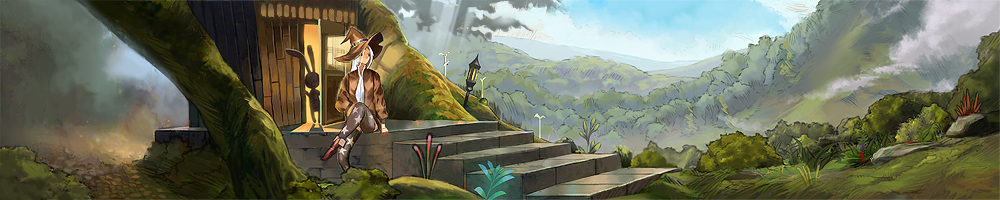
A series about pirates in space. The creators could have easily put a ship in space and have the characters go “RRRR!” a lot. Not Mouretsu Pirates though. This show is ambitious.

Instead of going with the tried and true formula, Mouretsu Pirates managed to completely create its own setting. It asks the question of what pirates would look like in a futuristic setting in which mankind has ventured off to space. The result is a setting in which Pirates are bound by insurance companies, and are kept afloat as this cultural heritage who raid people as a form of entertainment, and it manages to create all sorts of interesting stories and concepts based on this.

Now, Mouretsu Pirates has a series structure that has some very interesting parts, but also a few downsides. Now, the series consists out of about five major arcs. All these arcs are completely different from each other, they all focus on different characters, they all have different moods and themes, and most importantly: they all get increasingly better. what this pretty much entails to is a series that is a bit hard to get into at first, because the first arcs put a lot of emphasis on world building and setting things up just right, but once it takes off, this series really takes off into a really entertaining roller-coaster ride that just keeps changing.

And also on the character-department this series stands out. The cast of this series is HUGE; every arc introduces a ton of new ones, and I’m glad to say that this is one of those series that handles a huge case really well: it’s diverse and full of all sorts of colourful characters. It’s of course impossible to develop all of them in 26 episodes, but this series chooses very wisely who it wants to develop, while for the rest of the cast it always finds something interesting for them to do or base some interesting revelation around them.

Going back to the early episodes that put a lot of focus on build-up, that has another advantage: The creators re also really good in letting the characters just play out their actions. The result is a series that while being hard science fiction, has a cast of characters that feels real and relatable. I mean, this series may be about pirates, but there are also a surprising amount of arcs dedicated to a high school gir’s yacht club (yeah…), but these characters are portrayed so down to earth and likable that it doesn’t really matter in the grand scheme of things.

A few weeks ago I’ve seen someone describe this show as “Shoujo in Space”, and that pretty much is the best tagline I could find for it: if this term appeals to you, then by all means give this show a chance, because there is a lot to like in it for shoujo fans as myself. This definitely was a very clever series that went from very careful set-up to a really entertaining ride with a ton of colourful characters. If it wasn’t for Natsume Yuujinchou this would have been the best series to debut in Winter 2012.

Storytelling: 8.5/10 – Excellent sense of build-up and variety through its run, but it does take a while to get going.
Characters: 9/10 – Has a huge cast and knows how to use it.
Production-Values: 8/10 – This is a Satelight series, but a low-budget one: it has nice CG at times, but they’re not spamming eye candy like in their usual series.
Setting: 9/10 – This setting here is very creative and well fleshed out. The creators defiitely put thought into how to give a new spin to “pirates in space”.

Suggestions:
Infinite Ryvius
Gankuen Seni Muryou
Armed Librarians – The Book of Bantorra

Mouretsu Pirates – 26

Awesome! A movie has been announced! And what more, this doesn’t seem like it’s going to be a movie for the sake of having a movie like with Full Metal Alchemist, Ao no Exorcist or Star Driver, but this really continues with the story that this episode left off with. This episode wrapped up the past arc, but it left plenty of villains still alive, plus the issue of the pirates deciding their course still hasn’t been solved yet. My guess is that that will be the main focus of the movie.

Now, as for this episode, the creators went for the action-packed ending: this entire episode was dedicated to an over the top battle against the strange woman who has been shooting down pirate ships. They used a bunch of clever decoys and the pirates that Marika invited played a good role in it. This episode didn’t have the crazy revelations that showed completely new sides of the characters and it did remain a pretty standard ending and I wouldn’t label it as the best ending of the season, but still, the episodes leading up to it were the best of the entire season.

The aftermath with Iron Beard was excellent by the way. Like many people suspected, he is Marika’s father. In the end it turned out that he wanted to hand over the reins of the Bentenmaru over to Marika, so he came up with the story of food poisoning in order to give her the chance to be a pirate. Ririka very likely was in on the joke, and she very likely figured that now that Marika has gone her own way, it’s time for her to go back to pirating with her husband.
Rating: ** (Excellent)

June Summary

Apologies, this entry is slightly shorter than usual. I’ve basically been writing up entries all day now, because there is way too much ending at the same time. With this, I’ve finally caught up with everything aside from the movies and Mouretsu Pirates (which I’ll cover tomorrow).

In any case though: this season rocked. It may not have had a series like Ano Hana, Yojou-Han Shinwa Taikei, Phantom, FMA, Himitsu or Kaiba, but what it did have was quantity: a huge amount of diverse and worthwhile series. There was a ton of stuff worth watching here, much more compared to the seasons of recent years, and I had a lot of fun following it.

#26 (new) – Kingdom – (4/10) – I still can’t believe how much melodrama there was in this series. I mean, there is bad acting, and then there is this series that seems to believe that the harder you scream the more impact it makes.
#25 (new) – Kokoro Connect – (4,5/10) – The episode started off all-right, but as soon as the characters opened their mouths, I knew that watching this series was going to be incredibly difficult. Filled with bad fanservice jokes and characters who can’t shut up talking yet ultimately hardly say anything worthwhile.
#24 (20) – Phi Brain – (6,5/10) – Phi Brain… what the hell did you do this month? I mean, we’ve seen a string of six or so episodes that completely failed their purpose and destroyed my suspense of disbelief. Instead of developing, the characters actually regressed back, the main motivation for the villains is really stupid and forced and in particular Nonoha completely got her chance to shine wrong (“I’ll just remain in the kitchen while you boys be cool and solve puzzles”)
#23 (new) – Campione! – (7/10) – Again the fanservice is really bad, but not a complete disaster. Could make for some good action fodder if it heads into the right direction.
#22 (22) – Saint Seiya Omega – (7,75/10) – There was one really good episode of Saint Seiya. Apart from that, it has been mostly forgettable, but things can change with its second half.
#21 (21) – Sankarea – (7,75/10) – Ultimately, Sankarea needed more to do. These final episodes really felt like they were struggling to fill in their time, and the annoying characters didn’t really help its case. Which is a shame, because in terms of acting it really had a lot to like.
#20 (19) – Jormungand – (8/10) – It’s a shame that Jormungand’s problem was that it couldn’t come up with interesting villains. It showed several attempts at creating them this month, but quickly abandoned mot of them, or left them for the second season to use. It’s a shame: Black Lagoon shined because of how different all the arcs were, but here they end up feeling just too similar to each other.
#19 (9) – Legend of Korra – (8,1/10) – Yes, that ending. I’m not so much bothered by the fact that it felt like a deus ex machina for someone not familiar with the first Avatar series, but rather how it canceled out a lot of the most memorable moments of the Television-series, and removed a lot of the tension from the series. A shame, because this really had potential.
#18 (10) – Poyopoyo Kansatsu Nikki – (8,25/10)

Poyopoyo is still dabbling along with its unique charm of combining slice of life with a round cat and huge laughs. And that’s the thing: every character here is full of life, not just the animals.

#17 (23) – Medaka Box – (8,25/10)

Well, this month definitely was the best month for Medaka Box: the plot finally got interesting and it finally got the chance to use all of the build-up. The battles were interesting, now let’s hope that the second season won’t take this too far.

#16 (15) – Nazo no Kanojo X – (8,25/10)

This has always been a series about a young couple, but in this month the two of them really started getting horny, and the pas month has been chock full of teenaged hormones running wild. The chemistry between the lead couple still is quite strong.

#15 (13) – AKB0048 – (8,25/10)

AKB0048 was slightly weaker this month because it spent a lot of time building up, but it still was quite impressive how it managed to get away with such a bleak setting for a show that’s supposed to be about this idol promotion. There is a lot of interesting drama between the characters as well and I like so far how this series is both energetic and depressing as hell. It still makes no bloody sense though.

#14 (14) – Zetman – (8,25/10)

Here is the thing: Zetman actually wrapped up right. Amidst all of the rushed series out there, this was a breath of fresh air. They did have to derail Kouga’s character for this to happen, but overall I’m really satisfied with how this show turned out considering the restraints it had.

#13 (18) – Aquarion Evol – (8,4/10)

Well if anything, the past month has been really fun to watch. It’s been totally over the top mecha action with a ton of plot twists along the way, and it worked. A worthy finale for the first of the big sci-fi series this year to end.

#12 (8) – Kimi to Boku – (8,4/10)

Kimi to Boku went with the “life goes on”-ending, but in the meantime it did have a bunch of very interesting and well delivered episodes that have been typical of the second season. I’m glad I stuck with this one.

#11 (16) – Shirokuma Cafe – (8,4/10)

Panda turned into a complete and utter troll this week, but that made him so much fun to watch. The highlight however, was the episode about the date with Penko. That was the single funniest episode of the entire season and made me nearly fall off my chair laughing.

#10 (17) – Hunter X Hunter – (8,4/10)

The fight between Gon and Hisoka: that’s the first time in which the animation team really impressed me here. They dropped all of the still frames and yelling out attacks, and instead delivered some excellent fight scenes. I’m getting psyched because we’re just one arc removed from where the story gets really, really good.

#9 (12) – Hyouka – (8,5/10)

Hyouka is definitely interesting. Now that we’re near the end of tis second arc, it still consistently well animated and acted with mysteries that are down to earth, rather than overly complicated. This series definitely stands out in how it’s able to flesh out the small things.

#8 (5) – Natsuiro Kiseki – (8,5/10)

Natsuiro Kiseki closed off with a very heart-warming finale and overall it has been as strong as it has ever been with a lot of great character-development to close off.

#7 (11) – Tsuritama – (8,5/10)

the final month was definitely the best month for Tsuritama so far. This is where things got really fun and whimsical with a lot of very creative twists thrown at the screen. The final episode was not was creative as what I’d hoped, but still it was a very entertaining finale.

#6 (6) – Lupin the Third – (8,5/10)

The ending was weird, but for me, it worked really well, and was the second-best ending of the past season due to the balls that the creators had to pull it off. Overall the final third of Lupin has been the best, with a lot of interesting scripts and twists.

#5 (3) – Fate/Zero – (8,6/10)

Ultimately, it’s a shame that I wasn’t familiar with the rest of the fate franchise, because I feel that this has held back my enjoyment for this finale, as it suddenly introduced a lot of concepts that can only be understood if you have seen Fate/Stay Night. Nevertheless though, the actual ending on hindsight was really good. Third best ending of the season.

#4 (7) – Eureka Seven Ao – (8,6/10)

Eureka Seven went completely crazy this month. This was chock full of mind games and the creators playing tricks on you, filled to the brink with all kinds of plot twists that are deliberately vague and hard to understand, and I loved it.

#3 (4) – Mouretsu Pirates – (8,75/10)

Hell yeah, this show is awesome! The past month let loose of all the brakes and this show surpassed itself many times with a ton of fun and interesting twists and a cast of characters that seems to have a ton of trump cards hidden in their sleeves that they decided to reveal all at the same time. This show completely exceeded my expectations here.

#2 (1) – Sakamichi no Apollon – (8,75/10)

I personally loved the ending for Sakamichi no Apollon. And how it said so much with so little. It definitely was the best ending of the season.

#1 (2) – Uchuu Kyoudai – (9/10)

Uchuu Kyoudai pulled an amazing new direction here: introducing fifteen new characters, all with their won characteristics, strengths and weaknesses and forcing them to live together for two weks in an attempt to become an astronaut. This month was full of great moments for both Mutta and the rest of the cast, and everyone plays off each other wonderfully.

Spring 2012 Kaleidoscope – Week 26 + Wrap-Up

#1: Natsuiro Kiseki – 12: I usually use Media Player Classic to watch episodes, but I watched Natsuiro Kiseki’s finale on Windows Media Player (on my crappy laptop I have experienced that it’s the best in terms of smoothness). Unknowingly I had the player settings stand on repeat. So yeah, I got quite a scare when suddenly the episode started looping, ESPECIALLY with this kind of episode. Apart from that, what can I say about it? Wonderful idea for a final episode and a really heart-warming finale. – ** (Excellent)

#2: Hunter X Hunter – 36: Yes, Madhouse: this is how you do action scenes. With lots of dynamic movements instead of frames that look like they have been directly copied and pasted from a manga. This episode did drag on a bit too much, but hey: this definitely is a start. Up next will be the arc that I found to be the single most boring of the 1999 series, so this is really where this show can make the difference. – ** (Excellent)

#3: Nazo no Kanojo X – 12: This episode yet again was chock-full of teenaged hormones, though they were used well. The tension between two lead characters is what makes this show fun, and this episode had more than plenty of that. – *+ (Great)

#4: Kimi to Boku – 25: Kimi to Boku goes with the “random episode”-ending, but it’s a fitting one: it’s about the future of the characters, it had a ton of Chizuru being annoying, and instead of being the most dramatic episode of the season it ended on a mellow, yet charming note. Well done. – *+ (Great)

#5: Jormungand – 12: So much for the interesting trio of last week. As for the other antagonists in this episode: the guy who killed off all of Valmet’s comrades was just another snarking bad guy who kept smiling even though all of his subordinates got killed. I know he’s a killer himself too, but wouldn’t he at least be annoyed or something? I like the guy with the many nicknames, though. That scene where we first see him with his family is exactly the thing that the other villains in this series lacked. Also, who did they get for that one great song that popped up in the middle of the episode? There is no way that that guy is Japanese. – *+ (Great)

#6: Sankarea – 12: Well, that was inconclusive… this episode definitely had its char in nothng happening, but having nothing happen also is a bit of a dwnside for an ending. I’m sure Studio Deen are going to milk this into a second season and all, but still this was a strange way to leave. – *+ (Great)

#7: Poyopoyo Kansatsu Nikki – 25: Great to see that Poyopoyo seems to continue for another season. This episode perhaps tried a bit too hard with the slapstick, but it still had quite a few inventive jokes. – *+ (Great)

#8: Shirokuma Cafe – 13: Okay, so for episode 13, this series dedicates itself entirely on to Handa and the comedy takes a much less prominent role. I think that that’s one of the main issues with this series: it dabbles tooo long on one particular subject, because Handa already was a main focus of last episode, and this episode only established that he wants to date Sasako, yet can’t muster up the courage. This episode did have its charms with the Tanabata, though. Also, Mr Tortoise’s wish had me in stitches. – * (Good)

#9: Saint Seiya Omega – 13: The fight of this episode was boring in which the main cast had to take down some strange fly guy, but I do like that the creators at least went itno his motivation for being evil (being unhappy with Athena). Oh, and Aria finally did something. – * (Good)

#10: The Legend of Korra – 11 & 12: Ouch. Amon’s background was good and all, but the ending… that was not good. Not only was it a huge Deus ex Machina ending, but it also rendered so much of the earlier episodes useless. I really found the idea to take someone’s bending away forever a great idea and it’s part of what attracted me to this series. But yeah, as soon as Korra lost her bending it became obvious that the creators were trying to look for a way to cancel all of that. And really? By having a bunch of dead people show up from out of nowhere? – – (Disappointing)

Okay, now so to wrap things up:
Number of series consistently covered: 11
Series that made the number one spot in these rankings: Natsuiro Kiseki (4x), Another’s OVA, Kimi to Boku (1x), Legend of Korra (1x), Hunter X Hunter (1x), Nazo no Kanojo (1x), Shirokuma Cafe (1x).
Series with the highest average rankings: Natsuiro Kiseki, followed by Kimi to Boku, Legend of Korra, Nazo no Kanojo and on place 5 there is Shirokuma Cafe.
Series with the lowest average rankings: Saint Seiya Omega, followed by Sankarea and Medaka Box.
Biggest improvement: Hunter X Hunter’s latest episodes. Sankare and Medaka Box also improved.
The Best Week: Week 23; every series delivered there and there were many awesome episodes to be had.
Worst Week: Week 26; endings are hard to do really well.

My plans for the next season.
Overall, I really enjoyed these posts, so next season I’m going to do them as well. There are six series that look interesting enough to weekly blog. The rest of the series will be summarized in these Kaleidoscope posts. Now, there is only one thing: Phi Brain doesn’t deserve an entire post dedicated per week anymore after what it pulled for the past arcs, so that series will too be delegated to the Kaleidoscope serie. So what should I replace it with? I’m currently toying with a few too many ideas, so I need a bit of guidance.

What should I do next season?
  

Natsuiro Kiseki Review – 85/100

By far the biggest surprise of the past season was Natsuiro Kiseki. I mean, it looked like an unoffensive series about four girl who live together, like a Tamayura light or something. The end result being so damn good though… I did not expect that. Natsuiro Kiseki turned out to be completely different from Tamayura. And even better.

So, this series is about this very sadistic rocks that takes the wishes of a bunch of teenaged girls and grants them in a way that troubles all of them. It’s pretty much a writer’s excuse to throw all sorts of wacky situations at the lead cast, like making them invisible or getting the literally stuck at each other. What makes this show so good is how well it makes use of this.

All of the rocks diabolical plans force the characters to develop, grow closer together, face things they have been avoiding, all sorts of stuff lfike that. It’s also a great way to flesh them out and makes for some really varied episodes in which there is always something interesting happening. This transforms a show that could have been just another group of stereotypical girls to a heart-warming full fledged character study with well rounded characters.

There are two main weaknesses with this series. The first is that it’s obviously forced: the characters are always put into the situations most convenient for their development. In this context, I didn’t really mind that though. No, the biggest flaw of this series that I can find is that it can be a bit overacted at times. The characters themselves are easy to create drama, and while they act very subtle on some occasions, on others they just try to hard. But heck, this was incredibly heart-warming in any case and a very enjoyable series from start to finish regardless.

Storytelling: 9/10 – A versatile series and uses its own plot devices wonderfully for the points it wants to make.
Characters: 9/10 – Well developed characters who are continually challenged and forced into coming to terms with their issues.
Production-Values: 8/10 – Sunrise solid animation and production values.
Setting: 8/10 – Juts based on one summer holiday and some local folklore. Works well though.

Suggestions:
Hana-Saku Iroha
Sasami Mahou Shoujo Club
Windy Tales

Eureka Seven Ao – 11

With this, I’m sure: ever since creating Eureka Seven, the creators watched Evangelion. When thinking of this series as a cross between these two, it all makes sense, and that only means that things will get even more interesting when the second half hits. This episode once again was really awesome and it loved playing mind tricks on the characters.

This is the kind of series that, once it pulls a background episode, completely changes the characters in question. Elena has mostly been a side-characters o far, but her real background got revealed in this episode and it just kept taking twists and turns, especially since the reason why she did all that hasn’t been revealed yet. The only thing this episode showed that she was spy that somehow ended up performing as a rock star all over the world and that she finally buried that part of herself at the end of this episode. This episode revealed so much, only to kill this off again, yet I can’t help but hope that there will be many different consequences from this episode.

What has impressed me the most here is the interesting things that this series does with its character. Not only Elena was great, but the rest of the cast also had some nice and funny touches, like cutting off George’s nose, or how everyone, ranging from her father to the secrets, are teasing Fleur with any possible hint of romantic development.
Rating: **+ (Excellent+)

Sankarea Review – 75/100

When I try to sample each series at the start of each series, I try to look for potential. I mean, some series are undoubtedly worth watching, but others perhaps might need a bit more time to get going or take off. Sankarea was one such series: it was difficult to sit through, but it definitely had its strong points. After watching the entire series, I have to say that it definitely had its redeeming moments. I’m just not sure whether they are enough to make this series worth watching.

Okay, so here is the thing that sets Sankarea apart from your average moe series: the acting for the main cast is very believable. The male lead, while weird and a geek, isn’t the same harem lead you see everywhere, but instead his characterization is subtle and his worries are very grounded. Rea, the main female lead feels fresh and her father and mother makes for some very interesting and diabolical villains. The combination of these four ingredients didn’t really take off right at the start, but across the series they have quite a few interesting moments and developments that make great use of how genuine and well characterized they all are.

The big problem is that that is about the only noteworthy praise i have for this series… and it has its moments in which it gets really, really annoying. The male lead has this pointless love triangle with this very annoying cousin shoved in, his classmates somehow managed to accomplish ticking me off in every single scene they appear in. I understand having these light-hearted moments in order to balance out the dark stuff, but the light-hearted moments completely fail at being funny, they break up the atmosphere rather than contribute to it and they have the characters trying way too hard to be archetypes.

And that’s strange for a series that really aims to get its basics right. Seriously, it really feels like the writers only read parts of “writing 101”. It’s got a whopping three characters who are entirely dedicated to just one side-character in order to give them background and development, but in the meantime, it forgets to be interesting. I would really recommend watching up to episode three of this series, because that really is where this series shines. After that though, it dabbles on a bit with a good moment here and there, but not really enough to stand out anymore, which is a shame because this really had the potential to go somewhere.

Storytelling: 7/10 – This series puts too much emphasis on the basics it feels like it often struggles to find things for the characters to do.
Characters: 7/10 – Some characters are really good, others are really, really bad and are a pain to sit through. That should not be the case in an anime you watch for entertainment.
Production-Values: 8/10 – Granted, Studio Deen has been improving on its visuals lately. It’s the completely wrong area for them to improve on, but granted this show looks pretty when it wants to.
Setting: 8/10 – Neat ideas, especially around Rea’s character. They could have been used better, though.

Suggestions:
Phantom
Natsu no Arashi
Asatte no Houkou

Sakamichi no Apollon – Vol.09

Reading this volume of the manga makes me appreciate the ending of the anime even more: they actually successfully stuffed one entire volume of 180 pages in just one 20-minute episode and cut things out brilliantly. More on that below though, because first I wanted to talk about the rest of Kaoru’s years.

What I loved was how Kaoru returned to his mother, and how the two developed a healthy relationship. Beyond that, we’ve seen Kaoru grow up very well through college, and him seeing his family back was also very memorable. The manga had a lot more room to fill in a lot more details, and show how Kaoru subtly changes. Instead of randomly running into Yurika by accident, these events were all set up by Kaoru first running into Jun (that was another part that I loved here, as they showed two different versions of musicians growing up into normal jobs; his change was one that I really missed in the anime version). But as for the question which version I prefer, I’d have to say that I consider the anime ending to be better.

The way in which the love triangle was solved didn’t really work for me . It was all just too concrete: instead of everyone going their own ways, there is this random twist pulled with Ritsuko’s boyfriend turning out to be just some random dude she invited, and at the end Kaoru goes back to where everyone was and the love triangle moves from “resolved” to the eternal “will they won’t they” again.

What I loved about the anime ending was how much it focused on leaving things to the imagination, and how much effort it put in saying as much as possible with as little as possible. The entire college years were cut, but that doesn’t matter when you see the grown up Kaoru: him choosing to be a doctor was also cut, but when you see him it all makes sense. He must have built up a new life in Tokyo with his own friends and when he finally hears of Sentarou again, he can’t resist the urge to see him again ad telling Ritsuko all about it (there only was one shot of a letter, but that was enough to show that they had been keeping up correspondence), cutting out that pointless twist with he boyfriend completely. What happens after they see each other again? Who knows? There were no romantic hints whatsoever unlike with the manga ending, so things really could go anywhere: they will probably remain in contact with each other while living their own lives.

Another thing that the anime changed was how we were introduced to Sentarou. In the manga, the chapter starts and we see him again. In the anime however, we’re slowly introduced to him through the story of the people that he has been living with for the past eight years. We never see him cause trouble, but with his character we can imagine what he has been up to. And yeah, with music the church scene works so much better. He hears the organs playing, and knows immediately what’s going on. That was a perfect example of how to condense an entire volume into just one final episode.
Rating: ** (Excellent)

Sakamichi no Apollon Review – 87,5/100


Last year Kunihiko Ikuhara of Utena fame made a surprise comeback after many years of absence. This year, it’s the turn for Shinichiro Watanabe to direct his first full series again after Samurai Champloo. Sakamichi no Apollon is a full drama. He already experimented a bit with this with the surprisingly good Baby Blue of Genius Party (much like how Masaaki Yuasa’s entry there became the prototype for Kaiba), but here he could go all out with a 12-episode Noitamina series.

Now, this series is a teenaged romance, which unfortunately is a very, very over-saturated genre, so the creators really had to do something in order to stand out. They found several ways. The first way is bringing in music. Playing instruments is a huge theme for many characters in this series, and it deserves to be praised how well the musical performances in this series look. the creators made use of Rotoscoping in order to make the animation of every single musical performance play synchronous with the actual music. This is something i have never seen before in a Television-series, especially with so much detail. Because of this, the creators are able to say so many things throughout these performances alone, and they often are the stand-out moments for every episode.

Second of all, there is the way in which this series portrays its characters, which is a huge level above what you normally see. At first sight they look like the ordinary stereotypes, but they immediately set themselves apart through their acting and by how self-aware they are. The series very subtly shows many different sides of them. On top of that, the series is chock full of events that force them to change and adapt. These are by far the most well-rounded, dynamic and fleshed out characters out of any other series this season. Probably of the entire year.

This season of Noitamina was definitely what the time-slot needed after the disaster that was Guilty Crown. There is jut one downside to it, and that is the huge amounts of angst that the creators use to keep the story going. Kaoru in particular is a character who is hard to like due to his social anxieties, and there is this constant tension between the characters that depends a lot on this angst and social phobia. Unlike other series though, the characters are fully aware of this and it gets used brilliantly for their development, rather than stalling for time.

Storytelling: 8.5/10 – Keeps the twists coming, very well paced for a Noitamina-series. A bit too much angst though.
Characters: 9/10 – Really well rounded characters in the end. Their acting is definitely a step above the norm.
Production-Values: 9/10 – Amidst all of the series with great visuals, Apollon stood out with its amazing rotoscoped musical performances. Plus, Yoko Kanno is awesome.
Setting: 8.5/10 – The setting isn’t the main focus of this series, but really allows the creators to do stuff with the characters that would not have been possible if the time period was any different.

Suggestions:
Ano Hi Mita Hana no Namae wo Boku-Tachi wa Mada Shiranai
Nodame Cantabile
True Tears

Sakamichi no Apollon – 12

So, while Tsuritama may have edged Apollon in terms of the pre-finale episodes, in terms of the ending Apollon is far superior. In fact, this was by far the best ending of the season, and the type of ending that I’ve been waiting for a long time. The episodes leading up to this indeed were a bit soap-opera-ish, but this episode turns all of that around and completely makes up for them.

This was one of the best epilogues I’ve seen in a long while, and it made brilliant use f how Noitamina is aimed at an older audience. Because of this, it was able to give a great characterization to the characters in their versions of eight years later, in which they all went their own ways. In Tsuritama, the epilogue just showed random couples forming, or people chasing their dreams, but this was so much better, as it showed of nearly everyone how they ended up groing up and the people that they turned into.

I have been especially waiting for a romantic ending like this. I mean, romance endings are usually of two types: the characters finally confess to each other and live happily ever after, or nothing happens and they remain in a state of “will they won’t they”. Then this episode came along with Kaoru finally making his moves… only to screw up completely.

I love how that one played out: romance in anime is always made out to be this absolute factor. Here however, things just didn’t work out. Ritsuko had her moments where she really disliked what Kaoru did, but in the end she still likes him, just not enough to get into a relationship with him. Too bad. And after that everyone just goes on with their own lives. Thank you for this ending, Apollon. Your characterization was always a step above the rest, and this episode cemented that.
Rating: *** (Awesome)