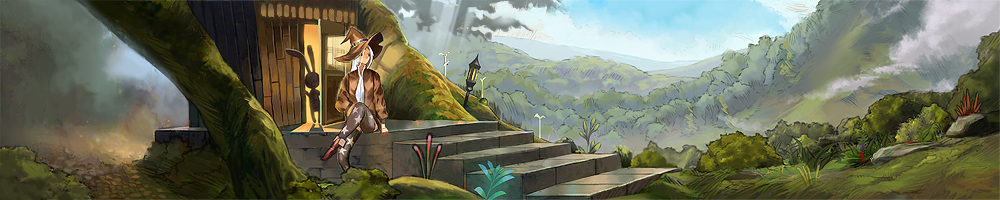
Rozen Maiden Traumend – Guest Review


This review is going to be different from usual. Solaris has written up an in-depth essay about the themes and characters of the Rozen Maiden series. There are quite a few spoilers though, and near the end there are also some manga-spoilers, so be careful with that.

———————————————-

Alice Game and Rozen

Rozen and Alice roots were cleverly untold by the authors. We got only suppositions and random clues about them. That helps the reader immagination to build his own explanation about that matters like it happens in Haibane Renmei anime. Rozen and Alice are meant to support the anime’s topic which is the relation net between the dolls plus Jun. Rozen and Alice are only plot devices and not the central topic of the anime. So, everything works well even by lightly developing them.

Given that the personal relation among the dolls are fairly more interesting. They are coupled and for every couple one doll is given a thesis and the antagonist doll has got the antithesis.
Themes developed are ideal and imperfection with Shinku and Suigin Tou, Conflicting identity of the gardener twins, personal growth and delaying into childhood for Hina and Kanaria.
There’s also the theme of the imitation that longs for self awareness in the story of Barasuishou. Those themes are the real focal point of the show. There’s yet another doll to be developed, but her story came abruptly to an end due to manga being quit. Lucky enough they started another serie of Rozen Maiden. I hope to read more about it.

Manga has much less fillers than the animated serie and it comes out really more dramatic. Events flow better and there are many less humor breaks, that were added in the anime to lighten the mood. Indeed Rozen Maiden is Noir.

If you read the manga you’d catch many hints about Alice Game. They tell us in vol 2 each Rozen Maiden has a fragment of a single Roza Mystica. The goal of the Alice Game is to rebuild that Roza Mystica. The winning doll may be then achieve perfection, that is to say become Alice. It could literally mean the winning doll would be changed into a human girl, but I’d rather think that outcome is more symbolic. Alice Game is a metaphor of the life and its goal is death of the other dolls, that is, Alice is a trascendental simulacrum of transformation, or trepassing life into the realm of pure ideal. In other words if you just win the Alice game you die and become a happy angel. That is. Beware my dear Shinku, beware! 🙂

Furtermore there’s this enigmatic Rozen fellow. We have many hints about him, but his identity is yet undercover. He’s hidden, but watches the Alice Game from afar, not yelding any interference with his own presence. People associated him to a kind of godly figure for the dolls, but think about it: Doesn’it just resemble the setup of a kind of mystical experiment where Rozen is the master and the dolls are the specimens? An Occult scientist, an Alchemist.

As a matter of fact, in the 5th volume of the manga, they suggested Rozen could be the Count of Saint Germain. He was an enigmatic man, supposedly alchemist, surely a fake, but is told he really discovered the long life elixir. It’s also told he’s still alive today. Of course he’s a legendary figure right now, but there are some philosophical theories are inspired by him. Theosophia, is the science of manipulating natural phenomena by the study of the divine. It’s aim is to enhance human towards perfection. Uhm, doesn’t this sound a bell? Does Alice game resemble a Theophysic ritual doesn’t it?

I wouldn’t be surprised if the authors really took inspiration by this Count of Saint Germain to build up the Alice Game. That’s a really interesting mix of religion, alchemy and mystichal scence.

But that is not all. There’s another enigmatic character with uncovered whereabouts: Laplace Demon. He’s the controller of Alice Game. He interacts with the dolls or Jun, in the place of Rozen. The Demon has full power over the world dream and can open dimensional doors at will. His names comes from the Math Scientist Pierre Simon Laplace, the one who made up the well known Laplace Transform. Laplace was a determinist*, that is to say he believed science to be exact, or that you can calculate everything by the means of mathematical analysis. Given an infinite accurate representation of reality and an infinite amount of compute power, it is possible to calculate future and past by the laws of classical machanics. Laplace Demon is such an automaton who posses such capacity of calculus. Therefore he knows the past and can predict future, has the knowlege and power of destiny. It’s uncasual he’s the perfect arbiter for the game of the doll’s destiny: Alice Game.

Laplace Demon is clearly alike to Lewis Caroll’s White Rabbit. Lewis Caroll was another Math Scientist, and novel writer, as we already know him. Rozen Maiden took a lot from Lewis Caroll’s Alice fantasy story. N-Field or Dream World is the modern version of the wonderland, a place where physcal laws are bended and leave infinite possibilities (aka infinite destinies). The fact Laplace Demon used to speak by quizzes and his words are to be interpreted leaves no question: The dream world is the place where one can defeat his own destiny and long for an higher ideal of self, but also on the exact contrary, it is possible to loose oneself and be doomed to insanity. The issue is to choose the right door, the right possibility. Thus the Laplace demon will always present you with two alternatives. To wind or not to wind, your is the choice, as the Laplace Demon already knows the infinite implications of both choices.

Thus said isn’t Alice game really a setup for a kind of mystical experiment where the stage is the Dreamworld, Rozen is the observer, Laplace is the controller and the dolls are the specimens?

Btw read the articles about St Germain Count (and Theosophya) and about Laplace on Wikipedia.

Dolls Stories

The dolls always repeat that it is possible to meet their father after the completion of the game. But what does it mean to end the game? In a Christian world that means to die and be granted to eternal life in the glory of God. So Alice game is the game where you long for death to transcend ones self towards an immaterial ideal of perfection. Brrr scary!
You really can’t ask a novel more than character development. It’s too easy to build up unchangeable and static chars. On the other hand it’s hard to make chars so dynamic they look alive. I said before the dolls come in pairs, so here’s how.

But let’s leave the game for now. How do the dolls face their deadly destiny? They spend most of their time in daily life, completely disregarding the game and its implications. Most of the dolls are just happy playing with each others and fear the game the most. The real meaning of the Game is uncovered only at the end of the second series, with the occasion of the fake final. Jun, that is the external spectator of the sad play suffers and is mad about all the death those pityful beings had to suffer. What was it for? What was the meaning of that? And Rozen’s answer was that was not the only way. The answer is not in death, but rather in life. At the end the real meaning of the alice game may be not to play, or play another life, but eventually play a life. Cause playing means to live to a doll, an artifact made for playing. That’s a positive meaning I suppose people didn’t think about. Everybody is mad cause the authors never said much about Alice Game and we fan are fantasizing over it, but that game is really an unimportant aspect of the show. What is really important are the personal stories of the dolls.

Shinku vs Suigin Tou

Rozen and his game are only a stage for the doll’s play. Some play to become a complete being, being pushed by a great sense of inferiority. On the other hand some other fights for making sure of her superiority, which is everything but a simulacrum of ones solitude. Shinku is doomed to be the best of the five dolls, thus not knowing what exactly means to be the best. So she continues to fight and look everybody with despise and superiority. Shinku and Suigin Tou are two opposite entities like images in the mirror that cannot understand each other and thus they hate.
But this is only the incipit. The development comes rather unexpected by pairing the two dolls with their nemesis: Jun is a rather unperfect human. By interacting with him she will find her place and her family. On the other hand Suigin Tou watches all the other dolls being completed and happy. She suffers from that and despises everybody. By being paired with a ill girl she will learn she’s not the only suffering soul in the world and will grow.
This will maybe lead to a reconciliation of the two archenemies.

The story of the mirror twins

With respect to Shinku and Suigin Tou, who are in open contrast being two complete opposite, the twins are built alike. But that’s the only surface. The twins girls resemble the faces of a coin, alike but different, sister yet deadly enemies. Every aspect of a doll is projected in the mirror on the other one. Yet they cannot be separated, they seem to share the same life, the same power. Their power is also complementary. The Gardener Scissors are useless without the Magic Watering Can and viceversa. They’re doomed to be together forever, but yet to fight cause of the Alice Game.

In Rozen Maiden the natural harmony between the two images at the mirror can’t be left unperturbed. The alice Game, which is the natural destructive aim to perfection, is also matter of the twins. How do an absolute command like fight is related to the complementary twins? How can one twin kill the other without self destructing herself? Action and reaction. The two faces of the mirror still reflect two opposite choices about that. One, taking over the couple’s armony above all, refused to fight, but the other, responding to the absolute command, longs for the fight. But that’s fake, cause the real desire moving Sousei Seki is to break from the chain of the twin life in search of self awareness.
Sousei seki and Suisei seki also appear different at the start of the story. Sousei Seki appears righteous and fair, the true strong one of the twins who protects her sister twin. Suisei seki appears wicked, spoiled and pretty evil. She’s mischievous and appears weaker than the sister. But that’s still a wrong image, like a fake mirage you see above cold lakes in north winter lakes. The image appears high in the sky and upside down (Morgan Fairy effect: http://en.wikipedia.org/wiki/Fata_Morgana_(mirage)). Twins image is really “puidedown”! Jun is a catalyst that let the dolls discover their true self and feelings.
And so, beyond the fake righteous and selfsacrifice tendencies of Souseiseki you find a soul that struggle to let her inner self prevail. She’s burning for love and hate toward her sister’s unconditioned and overwelming love. Suiseiseki, on the other hand is the true strong pair of the twins couple. She’s not evil, but sweet loyal and strong! And it’s all thank to Jun if she could awaken this side of her char. She loves her sister so much she sacrificed the ideal of Alice that is her (and any doll’s) imperative categorical.

Grow or not grow

Hina and Kanaria are the last couple of dolls having antagonist feeling about something. This something is life and growth in their situation. Look how the two dolls are introduced. Hina is a selfish doll eager to play to death. Her behaviour is that of a little girl who doesn’t know anybody else to play and when she found one she attached herself to him/her in an obsessive manner. Hina is completely closed into herself and fears the world outside her own box. She’s also doesn’t trust humans and fear abandon. She has a reason to fear it, as she was abandoned by her former handler, maybe cause of the WWII. We know that from the manga, where we also meet a descendant of Hina’s former handler who claims possession over her! After Shinku defeated Hina, she was forced to live with jun’s family. Hina never appreciated this life. She was a scared crybaby, but being forced out of her own shell let her grow up as an individual. Hina comes to like (or love) Jun as well and undestands she has to grow stronger for her and those who love’s sake. There’s a very nice filler episode that shows up this: In an episode Hina wants to send a love letter to jun. She has to move out of the house in the world that she doesn’t know and fears. She will gain strength and walk outside and deliver the letter. That was a touching episode, narrated from the point of view of the child Hina. So a normal walk outside becomes a real adventure for this childish doll. A first walk in life outside the boundaries of one’s know world.
On the other hand Kanaria is extremely scared of the Alice game. She knows she has to fight, but she’s so unwillingly doing it. All of her behaviour is a game that shows insecurity and fear. She’s so nice when she attemped to inflitrate Jun’s house without much convinction and always finds herself scared away :). Once again she’ll find security and stength in Jun’s group. So, the theme of these two dolls is clear: they represent the fear to grow and to relate oneself toward the others. Hina represents the positive path in life: fight and struggle to grow rather than Kanaria indulges herself into childness and play.
BEWARE HUGE MANGA SPOILER: She will be forced to grow when she will remain the last doll fighting on Juns side against the dreadful Kirakishou.

Barasuishou and Kirakishou. (MANY SPOILERS)

These two last dolls are the “last bosses” of the anime second serie and of the manga. Kirakishou is depicted as a white goddess of death. She has no body but an astral body. She lives in the NField and she’s very powerful. Barasuishou is the fake doll who fights to prove herself a doll better than the original Rozen Maidens. The theme is stil perfection here, but it’s seen in a different way than in the case of Shinku and suigin tou. Barasuishou longs to surpass the perfect bodies of the rozen maiden, while kirakishou is the perfect rozen maiden herself. Barasuishou would be the Kirakishou she could never be! Kirakishou is a perfect ideal of the Rozen Maiden, but she has got no soul nor body. If you put it with the alice game, Kirakishou has the power to wipe out all of the Rozen Maiden and become Alice, but somehow she winning the game doesn’t look right. Kirakishou is complete evilness and has no emotions. How can she be the perfect Alice being? She lacks something that all of the other dolls acquired by living: feelings. Kirakishou has never lived herself other than in the Dream Field. She hasn’t lived any experience. Even Suigin Tou has grown up with experiences, thus should be more suited as a potential Alice than Kirakishou. But this cold hearted doll is going to win it all at the end of the manga! What it will be of the alice game is yet to be told. Hope the sequel of the story by Peach Pit will be published some day.

———————————————-

As for my own comments, I’d probably rate Traumend around 85/100. The depth of the cast of characters is really something that you don’t find in many series, but it does suffer from some pacing issues: the first season was perfectly paced and kept you on the edge of your seat. Traumend instead has one relative light part with lots of slice of life that takes up about eight episodes, which is then followed by a really dark part. It could have been mixed a bit more, although I also see that the fillers are also crucial to the dolls, showing them as they try to play and resist the Alice Games.

Some quick first Impressions: Princess Lover, Kanamemo and GA Geijutsuka Art Design Class

Princess Lover

Short Synopsis: Our lead character… wait, can’t you guess by the title?
Chance of me Blogging: 0% (No way in hell)
I mean, with a title as Princess Lover, is there anything else you can expect from this series? This premise is so blatantly obvious, it definitely has been the worst show of this new season for me. We have this guy whose father and busty mother get killed, he then manages to save a busty princess with the most pathetic security team ever, he also gets picked as the heir of a rich businessman with a busty maid and gets engaged to a busty noblewoman who is also a tsundere and excellent at sword-fighting. Granted, this series has a big budget, but aside from that it’s just another one of those harems with every cliché possible thrown into it, it’s full of jiggling breasts and the creators also couldn’t resist to throw in some of the most overused boob-jokes. There hardly is anything original or creative, and it just feels like just another Zero no Tsukaima. This is SO not my kind of series.

Kanamemo

Short Synopsis: Our lead character loses her grandmother and starts working at a newspaper store.
Chance of me Blogging: 0% (No way in hell)
Ah, I guess that this is where the bad shows this season went to. At first sight it may seem like an interesting premise for a slice of life show: a bunch of girls working at a newspaper store, just living their lives and bringing around newspapers for their daily jobs. Unfortunately, the execution sucks; in the end it turned into just another generic and badly written series with too much moe. The big problem with this series is something that Yoku Wakaru Gendai Mahou managed to avoid so well: it’s too forced. The creators striked me as if they were really desperate to be funny, so they threw in just about every joke they could think of. This leads to a couple of amusing situations, but mostly just forced jokes that were taken from other series and just aren’t funny, like the drunk girl who keeps groping everyone, or the klutzy girl who keeps crashing into everyone, or the shoujo ai, and let’s not forget the six year old girl who somehow is more mature than all of the other characters combined. If you’re one of those people who hates moe with passion, then stay faaaaar away from this one. If you have no problems with moe… then there are still much better series this season.

GA Geijutsuka Art Design Class

Short Synopsis: Our lead character follows art design classes.
Chance of me Blogging: 0% (Not in this season)
There really is lots of moe this season; in fact, every series has had it so far. Still, in this case I don’t really mind: the previous seasons have already shown us a wide variety of mature series, and the series this season are a welcome change of pace, and surprisingly good at times as well. Just do expect me to start whining when this trend continues in the upcoming Fall season… In any case GA is another one of those moe slice of life shows, but thankfully unlike Kanamemo it’s really enjoyable. It’s actually a series that hits quite close to home for me, because this series discusses the power of signs, which happened to also be a subject that I followed in a Visual Design class that I followed about half a year ago. Aside from that though, this series stands out in its creativity: there’s always something going on that doesn’t feel copied from every other moe series (not even Hidamari Sketch, which also was about art students). Out of all the series that premiered during this season, this one made me laugh the most due to a few priceless scenes. My only problem with this series is that silent blue-haired girl: her voice-actress feels like a bit of a one-trick pony. I feel like I’ve heard the exact same voice in fifty other shows, with the EXACT SAME personality. That really gets boring after a while.
Edit: ah, the director of Les Miserables, Cromartie High School, Kodomo no Omocha and Digi Charat. This guy is a true eccentric that can really take the best out of this series

Some quick first Impressions: Element Hunters, Canaan and Zan Sayonara Zetsubou-Sensei

Element Hunters

Short Synopsis: Our lead characters travel to another world and hunt monsters.
Chance of me Blogging: 0% (Nope)
Well, so finally we have a bad series again. Element Hunters is an attempt to bring back the parallel world children’s adventures genre (like Digimon, Flint the Time Detective and others), but in the end it’s just lazy and uninspired. Basically we have a bunch of kids who travel to some parallel world with chemical element themes, but the reason why they end up there is virtually non-existent: from out of nowhere, they just run into a gate that transports them, and from out of nowhere they just start fighting some weird monsters like they’ve been doing since they were three. While I admit that the characters have their charms and nice voice actors, but that’s also the only thing that’s inspired about this episode. Also, for a series about chemistry this episode also showed that the creators know absolutely nothing of their subject: this episode was about nitrogen, and instead of discussing its practical uses, or the fact that 80% of the air we breathe consists of it, the only thing it can think of is some weird nitroglycerin flowers. I mean, seriously? This series is in every single way inferior to that other science show that’s currently airing (Marie & Gali).

Canaan

Short Synopsis: Our lead characters kills a bunch of people during a big festival
Chance of me Blogging: 70% (Choosing the shows to blog this season is going to be HELL)
As if this season didn’t already have enough awesome shows: here’s the next one. It’s awesome to see P.A. Works back with their next series, and it shows. This episode had by far the best animation of the season so far. But that’s not what I’m excited about. What really set this series apart was how well it portrayed such a big festival, in which so many things were happening at the same time. The creators didn’t just tell a story, but they also brought the entire festival alive during this episode. Everything and everyone was moving and there was always something going on, from random people having fun to people shooting each other and others going insane and poking their own eyes out. There were so many details stuffed into just this episode, it’s really amazing and it’s going to be awesome if the rest of the climaxes of this series are going to be the same thing. This series has now already shown that it can deliver a great action scene. Now all that’s left is to develop the plot and characters.

Zan Sayonara Zetsubou-Sensei

Short Synopsis: Our lead character is in despair.
Chance of me Blogging: 0% (haven’t blogged the first two seasons, ain’t gonna blog it this time either)
And so, the third installment of Sayonara Zetsubou-Sensei has started. I do have to say that the creators are going to have to put in some real effort to prevent this from turning into one of those franchises that refuses to bloody DIE. The original premise went past its expiration date halfway through the second season, and with this season the creators are really going to have to do more than just repeat the same formula over and over yet again. This episode was… decent. It wasn’t good nor bad, it had some amusing moments, but I really fear that I’m going to get tired of the series in no time if it doesn’t get more interesting.

Eureka 7 – Pocket Full of Rainbows Review – 70/100


I haven’t been looking forward to the Eureka7 movie, for the following reason: the series was pretty conclusive, wasn’t it? Why ruin it with a movie. I therefore just assumed that it was going to be one of those recap movies like with Gurren Lagann, but as it turns out it takes place in an alternative universe. Alternative universe movies are always a bit tricky to do, as they tend to be completely different from their original source material. When inspired of course, this can lead to awesome stuff as the Utena movie. Now, did the same happen with Eureka7?

Errm, no.

While not entirely bad, this movie certainly isn’t a good one. It’s mediocre: it entertains but its content is flawed and often nonsensical. The best way I’d describe it is “shallow”. This is the sort of story that I’d label as pretentious. There is A LOT of dialogue throughout the movie, but you quickly realize that it’s not really about anything.

There’s a lot of talking spent on explaining the setting for the movie, but hardly anything is done to develop it or go in-depth. The movie also has its share of symbolism and moralism, but the symbolism either is overly obvious or doesn’t make any sense (especially Anemone’s ramblings are part of the latter), while in terms of morals this series never really gets further than saying “killing is bad” over and over, being a hypocrite in the process when Renton kills a bunch of enemies while he didn’t really need to do so.

But the biggest offender is the relationship between Renton and Eureka, because BOY has it turned cheesy. 99% of the lines between the two are directly copied from any other romance story. The lines they use are so incredibly ambiguous that they fit in any sort of situation. When they’re not angsting and repeating these lines over and over, they behave totally incomprehensible; their actions make no bloody sense and feel like they have been thought up on the spot by the creators.

Since this is a movie, it does have a number of kickass action scenes, whenever the characters aren’t talking. But here’s the deal: this is Bones. When you compare the animation in this movie to what they showed in Eureka 7 and especially Bonen no Xamdou the animation actually feels inferior. It really makes you wonder where the budget for this movie went, if the TV-episodes were animated so beautifully.

So yeah, when the story is supposed to come together in the end… it doesn’t. the plot twists, revelations and insights don’t make any bloody sense and the movie falls flat on its face. I usually like anime with lots and lots of dialogue (see Amatsuki and especially Mouryou no Hako), but this was just… shallow and rushed. Do yourself a favour, watch the amazing series, skip the movie.

Storytelling: 6/10
Characters: 7/10
Production-Values: 8/10
Setting: 7/10

Some quick first Impressions: Taishou Yakyuu Musume, Yoku Wakaru Gendai Mahou and Bakemonogatari

Okay, so I have decided to change the format of these quick first impressions a bit. Instead of waiting for three episodes to air before posting them, I’m just going to post what I have, and edit in the remaining ones when they air.

Taishou Yakyuu Musume

Short Synopsis: Our lead character gets invited to play baseball by one of her friends.
Chance of me Blogging: 10% (With such a strong season it’s unlikely)
I really have to say that this has to be one of the best starts of a season in a long while. Of the seven shows I’ve seen so far, only two of them weren’t interesting and fun to watch. There hardly have been any annoyances so far. Anyway, Taishou Yakyuu Musume is the winner of this season’s WTF-moment when the lead character starts singing and dancing rather badly from out of nowhere (those poor typesetters, by the way). It’s a really nice series, though. It’s a slice of life shows about a bunch of girls, living around eighty years ago who plan to start up a baseball club. It’s an interesting premise, and while the slice of life hasn’t been as good as in Aoi Hana, it’s still enjoyable and relaxing. The lead characters are naturally charming without being forced or overly moe, so overall I’m quite pleased with this show so far.

Yoku Wakaru Gendai Mahou

Short Synopsis: Our lead characters know magic.
Chance of me Blogging: 0% (There are too many good shows this season)
The only thing that sucks in this season is the character-designs: all so far are bland, don’t try anything new and lack a visual identity. Apart from that, nearly every series has been enjoyable for me (and besides, the character-design problem will probably go away once I watch Bakemonogatari). I think that that’s a prime for me. Yoku Wakaru Gendai Mahou granted is the second-worst TV-show this season, and yet I enjoyed this episode. It’s strange: it’s a premise that I usually hate with passion. Here we have a bunch of teenagers who happen to know magic and do… stuff. But strangely this episode really amused me. At first sight we do have a bunch of stereotypes, but they work well together and I liked the chemistry between them a lot. What made this series better than the average moe comedy for me is that it never felt forced: it was the characters who wrote this series, not the scriptwriters. It’s a series that doesn’t pretend to be anything more than it already is: it’s just a bunch of girls having fun with magic, nothing more. Granted, the hot spring part at the end was a bit too much, but heck; I liked the rest of this episode. What’s happening to me!?

Bakemonogatari

Short Synopsis: Our lead character meets a girl who has no weight.
Chance of me Blogging: 70% (I’m impressed)
Whoa, people weren’t kidding that Bakemonogatari was going to rock this season. This episode only gave a small taste of what is to come, and yet I’m very intrigued already. It has pretty much the best OP of the season. Horror series have always had downright excellent first episodes, and this episode really proved the same, as this episode was my second to only Aoi Hana this season so far. It’s great to see that Shinbo still has enough inspiration to try out new kinds of animation and visuals, so this series doesn’t feel like a rehash of one of his previous shows. It’s also great to see that he has planned out this series very well, and is even willing to extend the amount of episodes beyond the amount that can be broadcast, simply to avoid this show getting rushed. Seriously, more series should do that.

Some quick first Impressions: Umineko no Naku Koro ni, Aoi Hana and Needless

Umineko no Naku Koro ni

Short Synopsis: Our lead character visits an island owned by his grandfather, along with the rest of his mysterious family.
Chance of me Blogging: 70% (It’s from the creators of Higurashi, so yeah)
Well, the series with the biggest amount of hype around it has finally aired. First of all I have to ask: out of all possible lead characters, could the creators have chosen one that is even more bland than “Battler”? He may be eighteen years old, but he still acts like an immature teenager and keeps making boob-jokes. In all seriousness though, this first episode was a bit of a disappointment, and well for the following reason: the acting. This episode suffered from a cast of bad voice actors that hardly know to use any subtlety in their voices. This goes for the lead character, but also for just about the entire rest of the cast. These kinds of stories require the characters to be able to switch to a lot of emotions, but the change from one of these emotions in the others feels woody at best. Ok, sure there could be a chance that everyone in the family is infected with the “hopelessly bad acting virus”, but the voice acting cast really needs to do a better job in the rest of the episodes if they want to do justice to this excellent storyline.

Aoi Hana

Short Synopsis: Our lead character enters high-school and meets with an old childhood friend.
Chance of me Blogging: 80% (Lots of potential)
Now this is more like it. Noise has done it again, as this seems likely to be the third hit in a row for the time-slot. It’s obviously not going to be for those who want a fast-paced storyline, but I personally loved the subtle yet poignant drama between the two lead characters who meet each other again after having been separated when they were kids. The tall girl is a bit of a crybaby, but she definitely has her charms. The rest of the cast also feels alive, rather than being a bunch of 2D Stereotypes. There wasn’t any annoyance about this episode, aside from the fact that I just know that the rich and detailed animation of this episode is probably going to disappear after the next episode.

Needless

Short Synopsis: Our lead character loses his sister and meets a weird priest with strange powers.
Chance of me Blogging: 20% (With so many other great shows this season? Not likely)
It’s strange: the character-designs in this series are abysmal; their style is uninspired and too similar to most other anime and the costumes make EVERONE look like an incredibly ridiculous fashion-victim. The rest of the visuals however, are really sweet. The animation was really good, the gun-designs rocked, and the shots in which the characters weren’t doing bland things really rocked with their visual style. Overall, this was a typical first episode in which the creators go all out to make it as exciting as possible, and for me they did a pretty good job: this episode was a lot of fun to watch, with a lot of adrenaline-pumping action and an interesting cast of characters so far. This series feels the most like the next Koukaku no Regios, so let’s hope that this time the creators do know how to handle the rest of the story, as it definitely has the potential for a fast-paced action story. I liked how the main characters are of all kinds of different ages: we have a kid, a teenager, a guy in his thirties and an old guy. Definitely makes the series varied.

Igano Kabamaru Review – 80/100


Igano Kabamaru is a unique anime, in the way that it’s only popular among the Greek community, and virtually unheard of in the rest of the world. I’ve been meaning to want to check it out, but the only version I could find was a crappy Greek dub. Since my Greek is virtually non-existent (the only word I know is “nè”, which means “yes” and sounds a lot like “no” in Dutch), so I unfortunately had to pass it up.

Cue the awesome people at Saiei who were nice enough to bring out a Japanese version of the series. So yeah, this is another one of those raw-reviews, so unless you happen to know Greek or Japanese, don’t bother to ask me where to get it. One of the purposes of this review is to give some more attention to this series, with the hope that it might get subbed one day, because this series has a lot to like. Sure, it also has its share of things not to like, but it’s one of those crazy and wacky comedies that definitely demonstrate that the eighties had a great sense of humour.

So yeah, this series is basically another one of those high-school comedies with a weird cast of characters. It runs around the premise of a kid who has been trained as a ninja for all his life by his evil grandfather, moving into a school whose headmistress has a crush on said grandfather (who now is dead, by the way). The big twist is that this kid (Igano Kabamaru, hence the title) is the most incredible goofball you have ever seen. He runs around the series screaming, yelling, making the silliest jokes, behaving like a little kid, and eating.

The major fun in the series comes not from him, but from the rest of the cast. These people are all some sort of parody of the romantic genre (we have the cute girlfriend, the rival, the pretty boy, the elite ojou-sama, and a lot more). Every character has something amusing about him or her, and they’re also hilarious in their attempts to deal with such a weird and uncontrollable lead character, and be sure to expect lots of nervous breakdowns. Hopeless overacting in most cases is a bad thing, but in this case it makes for a number of hilarious scenes, with my personal favourite being the marathon-episode.

Unfortunately for this series, it also has that nasty thing called a plot. The show gets really dull when the focus falls back to Igano’s traumatic past, and the time he spent with his best friend Hayate. It just keeps dragging on, and nearly completely takes over the series once it hits its second half. Because of that reason, the second half is a lot less fun than the first one, and the comedy that’s there is nowhere near as fun as in the first half.

To the show’s credit though, it does have a kickass finale. It’s worth watching through the second half, if only because of the awesomeness of the final two episodes. I was originally planning to give this series a much more negative review before I watched these two episodes, but they really make up for the rest of the disappointing second half. Episode 24 feels like the creators wanted to stuff as much creativity in 20 minutes as possible, while episode 23 has a brilliant conclusion that nobody will see coming.

So yeah, don’t expect much innovative parts, since there are a lot of clichés in this series, even for a comedy (like how this show proves that the Tsundere was already a staple more than twenty years ago). The serious parts suck, but there are a certain number of comedy episodes that are absolutely hilarious, and are in no way inferior to the comedies of the past ten years. This series is crazy, but in a good way.

Storytelling: 8/10
Characters: 8/10
Production-Values: 8/10
Setting: 8/10

Umi Monogatari – 02


You know, wasn’t this summer season supposed to suck? I mean, from the things I caught here and there this seemed to be a rather small and underwhelming season. And yet, I have only seen five new series so far (four if you don’t count the umpth Saint Seiya), of which three of them are already interesting enough to blog, and have a lot of potential to become great series. Is the rest of the season going to be filled with dumb harems and Code Geass clones or something?

In any case, with series airing a week before the rest of the season, it’s always hard for me to decide whether or not to blog them, because I have no idea whether or not there are going to be any better series turning up later. For Umi Monogatari it’s the same, as the majority of the new season has yet to air. Still, this episode definitely showed me that this series has a lot going for it, and I can always drop it if even more better shows pop up.

I’m obviously not blogging this series for the aestetics. While the animation is great, I first want to see it remain great for the next couple of episodes, and the art style itself is rather plain, with your average collection of moe stereotypes (one of the lead characters has yellow hair, one has red hair and one blue hair. Gee, those are the three primary colours, where have I seen that one before?). There’s lots of fanservice and all, but thankfully it’s handled tastefully: you don’t see any close-ups to jiggling boobs or strange crotch shots. That’s enough to keep it from getting annoying.

What caught my interest with this series was its characterization. The spring season already had a lot of series with an excellent cast of characters, and Umi Monogatari sounds like a nice addition to them. The three main characters feel realistic and very sympathetic. There are a lot of emotions in this series, but none of it feels like cheese, and it’s surprisingly genuine. It’s the charms of the main cast that really makes me want to watch more, and it makes for a pretty relaxing series with still a lot of drama.

The storyline is obviously going to need a bit more work (evil demons have been unsealed and need to be stopped by a certain sea priestess and air priestess), but I like how this series toys with your expectations. Along with unsealing those evil powers, the little mermaid also unsealed a rather strange turtle. That one I didn’t see coming.

Rating: * (Good)
Successfully carries the atmosphere further with some great animation and characters, even though the plot is a bit clichéd.

Armored Trooper Votoms Review – 87,5/100


I’ve been a fan of Ryousuke Takahashi for quite a while now. This guy always manages to combine realism with an intelligent plot, that yet are epic and full of action. Because of that I obviously had to check out the series that put him on the map: Armored Trooper Votoms. And like most of his later works, it really is an excellent series that takes both itself and its audience seriously.

It’s interesting how this one of the few mecha-series that aired between the original Mobile Suit Gundam and Zeta Gundam, and because of this it has the advantage of being inspired by the more serious and realistic Mobile Suit Gundam, but not the repetitive emo-fest that was Zeta Gundam. This allowed Ryousuke Takahashi to really play with the formula, and significantly improve on it in a lot of areas. And he succeeded at this really well.

Chirico really is the antithesis of all those wimpy teen-aged leads you see in anime through all ages. As an adult, he stands out as being a regular soldier, following the duties from his superiors. He is cold, heartless and can’t live without fighting, and even though he slightly softens up throughout the series he never loses his hard edges.

Another thing that’s been bugging me a lot about Gundam series is that while they start out diverse and different, for some reason they always start looking too much like each other, with the final quarter being a string of random battles that look like each other and most of the time hardly resolve anything. Again, Votoms aired before this trope was even created, so it beautifully avoided this. It’s basically made up out of four arcs of about 13 episodes (or 12 episodes and a recap), with each of these arcs being distinctly different from the others, and all of them get better and better as the show goes on. There really is plenty of action, but the creators manage to make the battles count: each of the battles has a point or purpose in the story, even if they’re very small. This really allows the story to evolve continuously.

There are some lighter parts in this story though: Chirico spends the series with three rather silly henchmen around him who are the ones who sometimes provide the comic relief. While at first they may seem annoying, this series knows very well how to handle them. They’re not just there to brighten up the mood and prevent the story from getting too dark, but they also prove to be surprisingly useful to the plot at times; they help to develop Chirico’s character, and tend to remind him what a socially awkward idiot he can be. While they’re not often the most pleasant to watch, without them this series would have lost one of its sparks, and looked a whole lot more generic.

This series does have its flaws, which mostly lie in small plot-holes throughout the story. It really is a series that continuously evolves, but for that it had to sacrifice a few things in the plot, like bringing a bunch of characters from one point in the universe to another instantly when it’s necessary for the plot, or characters knowing things that they aren’t supposed to know. And really, I’ve seen 52 episodes of this series now, along with the 12 episodes from the Pailsen Files, and I STILL don’t know what the “Votoms” in the title stands for. It seriously never gets mentioned in the entire series.

But yeah, those are just nitpicks. Votoms is a great recommendation if you’re looking for something old and dark, away from most cliches and teen-aged stereotypes. There is a romance in the series, but it’s handled really well and forms a central part in the series without dragging on. Ryousuke Takahashi is one heck of a talented director, and he already showed this in his first major series.

Storytelling: 9/10
Characters: 9/10
Production-Values: 8/10
Setting: 9/10

Hajime no Ippo – New Challenger Review – 87,5/100


When I first learned about Hajime no Ippo, I wasn’t that eager to check it out. Heck, I had no interest in sports, and it’s one of those shows that has a premise that you just can’t explain without making it sound like some sort of Dragonball Z knock-off:

“So yeah this show is about a guy and he trains to become a boxer and then they fight and he gets beaten and beaten and then he manages to find his inner strength to win from his opponents!!1!1!1”.

It’s true that this show is formulaic, but it’s also SO INCREDIBLY ADDICTIVE. The sheer intensity of the boxing matches is nearly unrivalled, and the only way you can really get an idea of how incredibly good this show is is by watching it yourself. This series knows exactly how to pull the right strings during the boxing matches, and even though most boxing matches take up multiple episodes, they just keep you glued to the screen and only make you want more.

New Challenger forms an excellent introduction to the franchise for those who find the 75 episodes of the first season a bit too much of a commitment. It’s an excellent standalone series to watch. I myself watched nothing of the first series and yet I was perfectly able to follow it; some of the references to the first season that it made were perfectly explained for those new to the franchise, and the characters were already strong enough to carry the show on their own.

What’s also interesting about this new season is that while you might expect this show to be mostly about the titular Makunouchi Ippo, it’s actually one of those series that doesn’t have a clear main character. Instead, we get a bunch of arcs that each focus on a different character, and Ippo only plays the central role in one of them (that arc, by the way, also was arguably the weakest of the bunch; the thing with Ippo is that he’s by no means a bad character, but he is one of the least interesting members of the cast). Especially the Brian Hawk-arc was absolutely epic.

So yeah, Hajime no Ippo stands out in its simplicity; for every arc you know exactly what you’re going to get: an incredibly intense boxing match with sympathetic and strong characters and awesome graphics. And it never gets old. It’s the perfect series for if you want to blow off some steam.

Storytelling: 9/10
Characters: 9/10
Production-Values: 9/10
Setting: 8/10