I think it’s time to stop putting my name in bold blue letters at the start of every post. You already know who it is, and if not, “by superwooper” has been in gray at the top of virtually every blog entry this year. Speaking of 2026, only two months remain before it expires, and I’ve made it past the premiere of just 10 shows so far. Let’s fix that with a second impressions bonanza: 24 freshly-watched episodes, separated by season and listed in ascending order of enjoyment. No sequels, no reviews over 100 words, and in some cases, no recollection of what the first episode was like. Here we go!
Winter
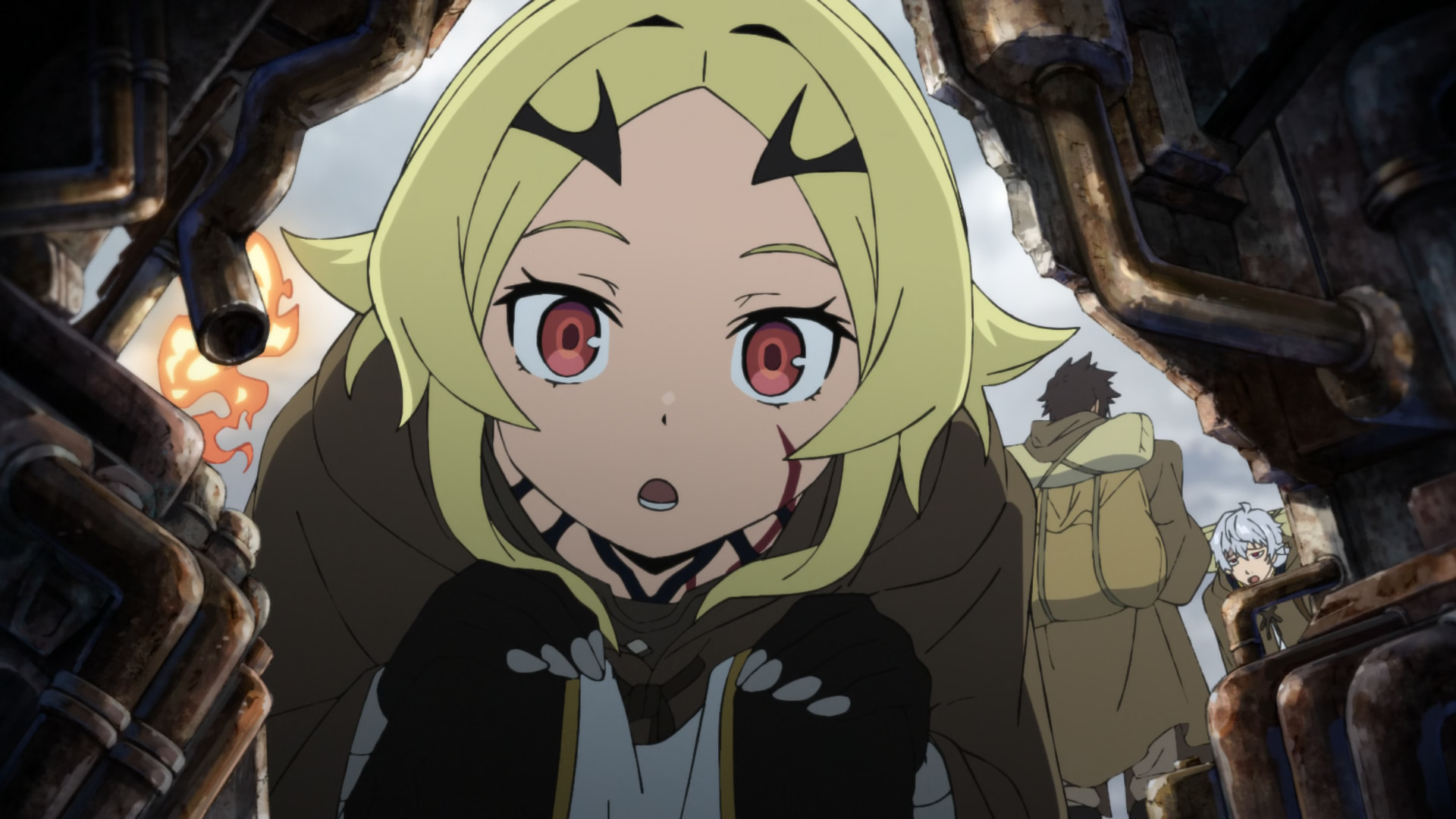

Sentenced to Be a Hero: I continue to bristle at the blatant injustice of this series’ premise, with its unfairly sentenced hero coming across not much differently than the isekai protags who get kicked out of their video game guilds. Teoritta’s cutesy act did improve this week, however, with her eagerness to help in a mine-clearing mission running up against her clumsiness. The character animation (rather than the action) is helping this show stay on my radar, but I don’t imagine I’ll give it too many more episodes.
Fate/Strange Fake: Heroic Spirits, Noble Phantasms, False Masters, Dead Apostles. Some of these terms are familiar to me, having seen parts of other Fate adaptations, and some are new. Either way, Strange Fake is so unconcerned with pleasing the uninitiated that everything kind of blends together, which is fine by me. The visuals speak for themselves, after all, whether it be Orlando Reeve’s gun-summoned troupe of ghouls or the nameless assassin’s manipulation of her incorporeal third arm. I can tolerate the show’s pomposity if its fight scenes stay at this level, at least for now.
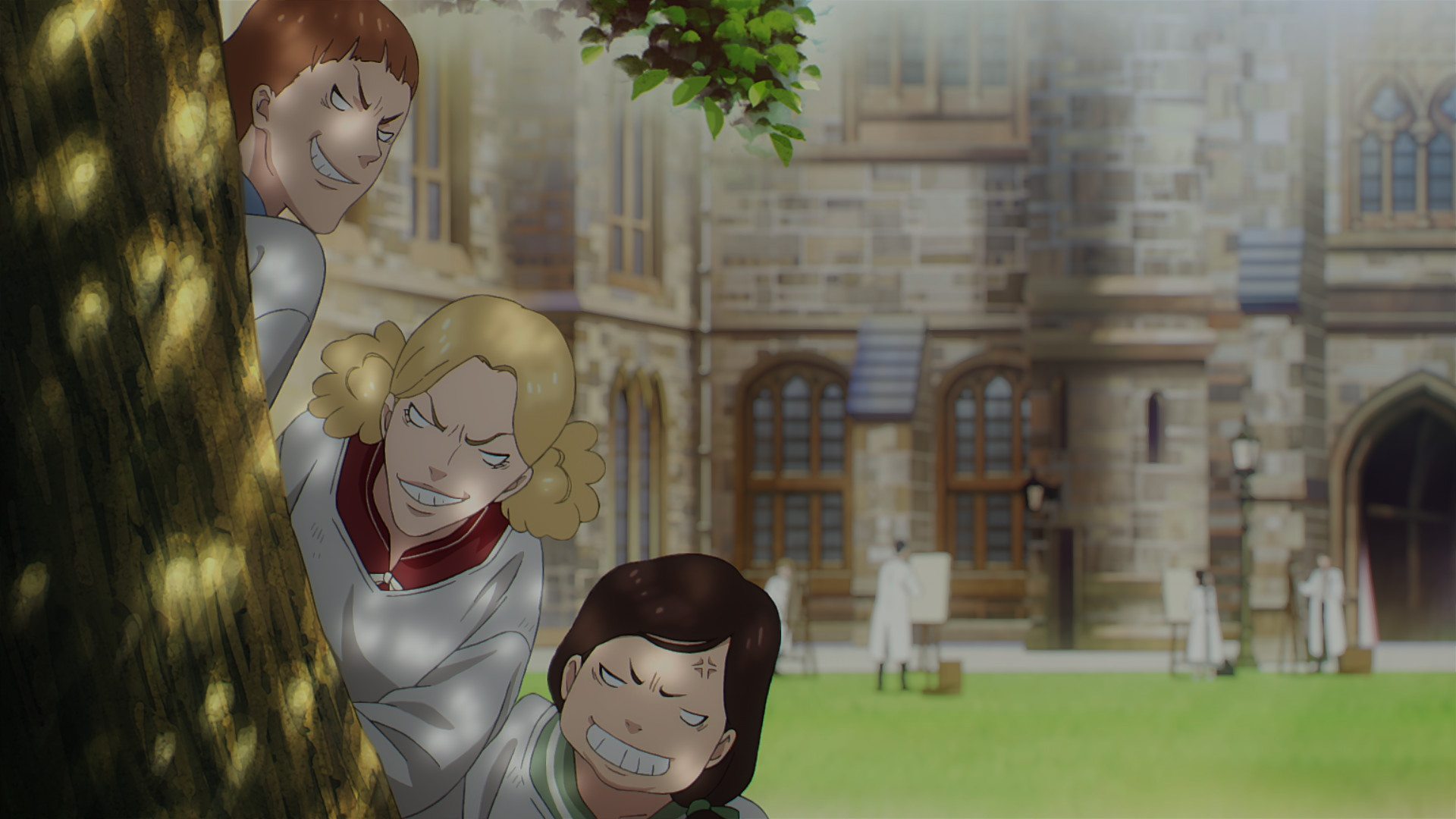
Prism Rondo: Being an original work by the author of Hana yori Dango, I feared that this show would be a melodrama (honestly, I still half expect it to go there), but this episode was nice. The love interest’s aloofness and the bullies’ ineptitude and cartoonish facial expressions kept the tone light, and we got to see protagonist Lili’s artistic skills in action. Her rival’s painting of the sky for a school assignment was downright impressive, as well, opting for a violet-based reflection in a puddle rather than a straightforward blue and white depiction.
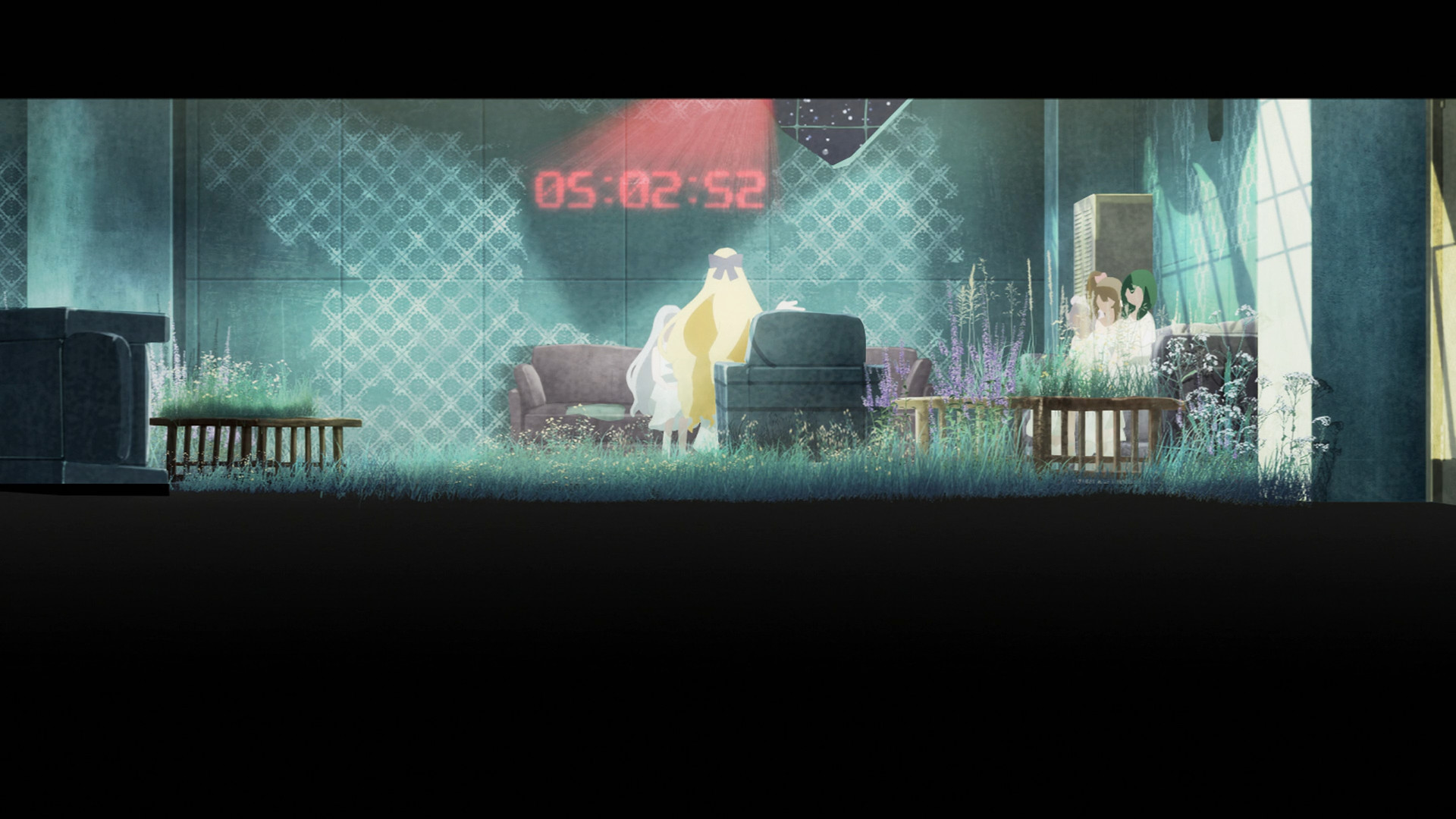
Shibou Yuugi de Meshi wo Kuu: I remember being impressed with this one’s premiere, and I felt the same here. The slow pace and frequently static camera were critical in establishing the uneasy mood of this new death game (with 33 segments, nine of which were covered here), and Yuki going solo created a nice contrast with the first episode, where she was the de facto leader. The red clock read-out projected on many of the mansion’s walls helps maintain tension, as well. Character designs still lean into otaku territory, but that’s a small price to pay for atmosphere this involving.
Spring
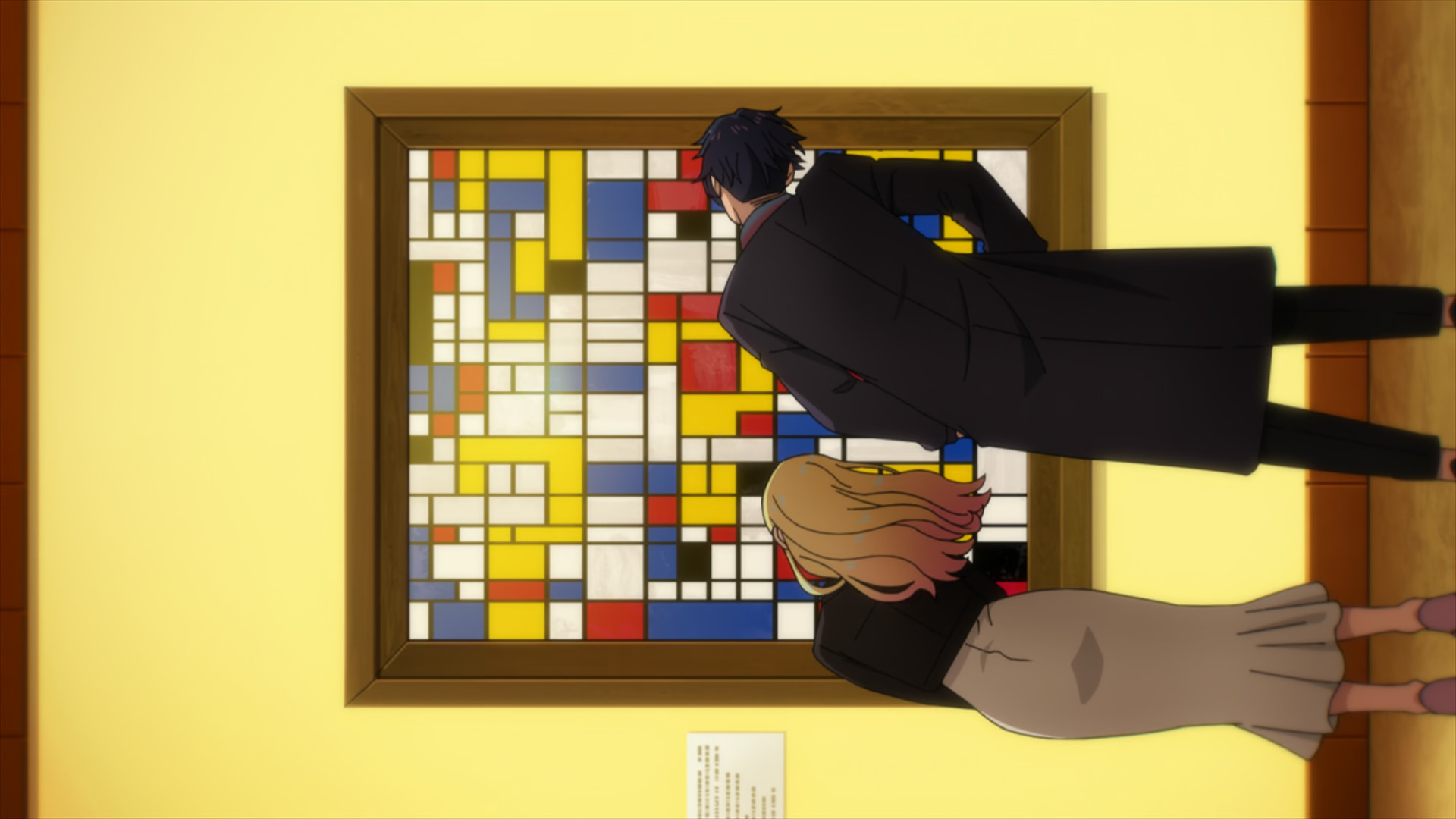

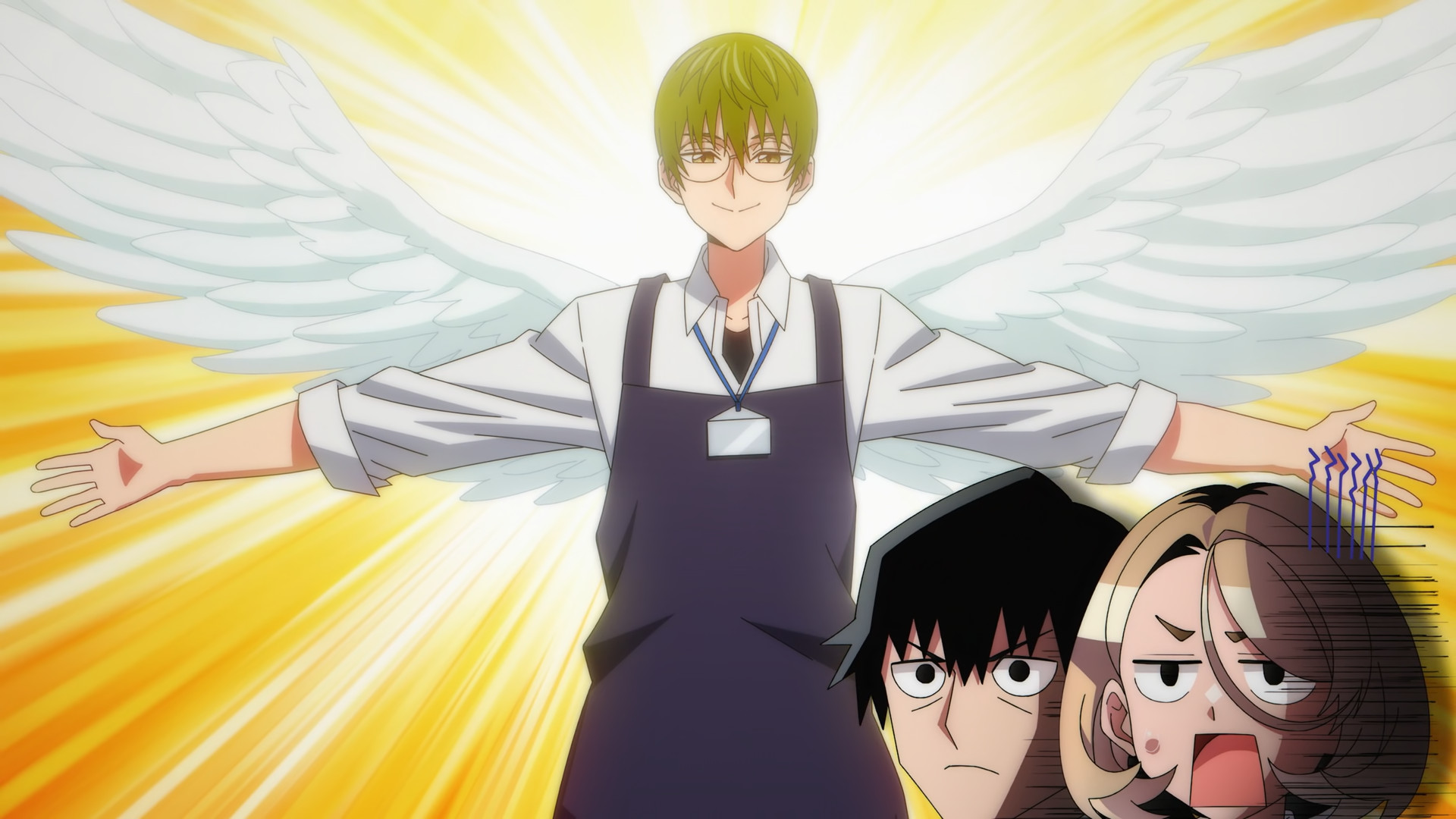
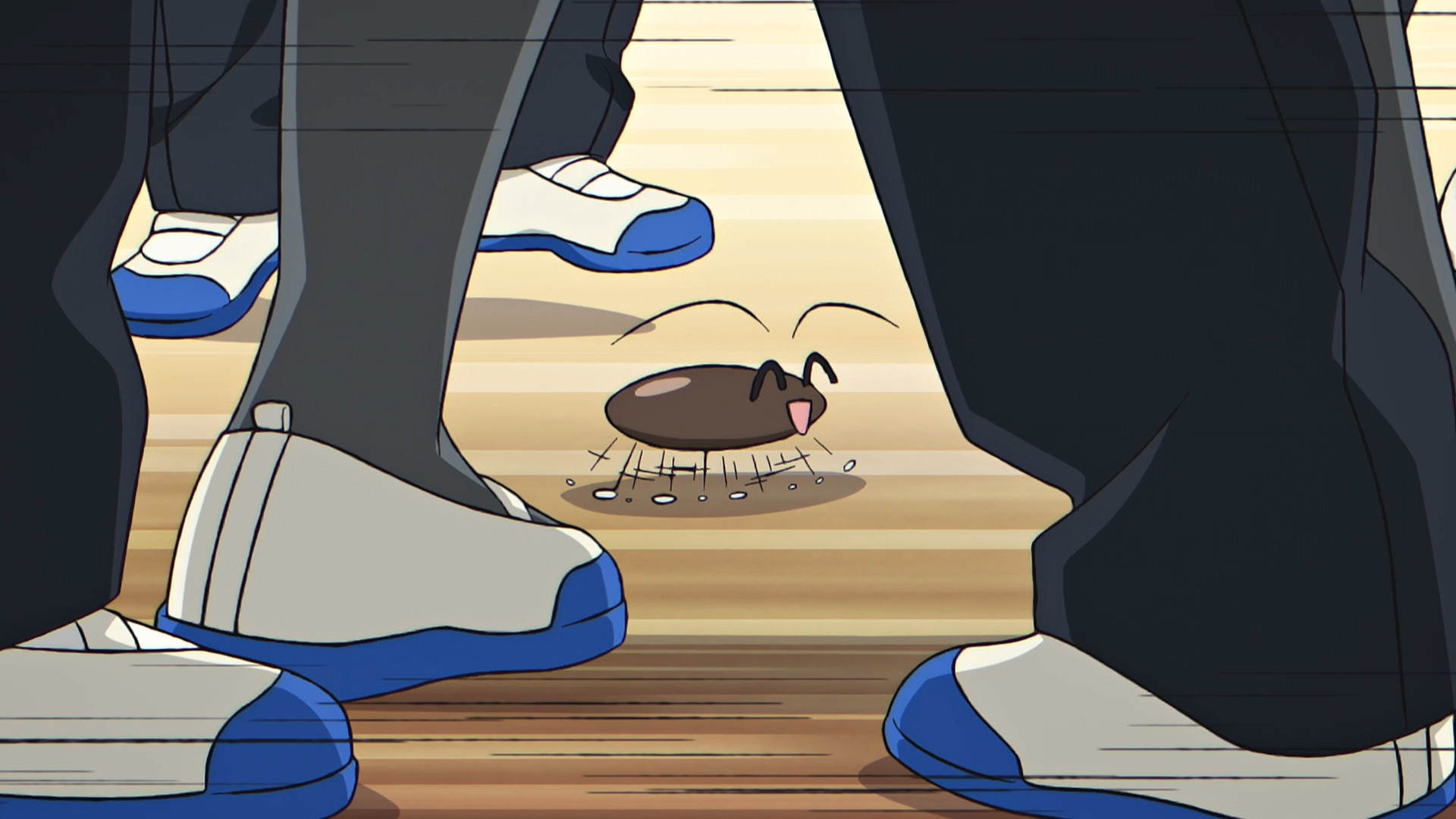
Marriagetoxin: I was sort of following along with this episode’s simulated art gallery date, as Kinosaki’s no-nonsense advice helps balance out Gero’s cluelessness in all fields non-poison-related. But the second we got that match cut from a painting to its empty place on the wall and started following the art-thieving romantic interest, my own interest started to dwindle. Ending on a battle shounen cliffhanger between two fighters using different “elements” confirmed some of my fears about how Marriagetoxin will be structured, but I’ll give it a third episode, at least.
Kamiina Botan: I’d heard that Kamiina Botan used different visual styles for each episode, and now I’ve confirmed it with my own two eyes. The less detailed but more pliable animation designs in this one gave it an impressive range of motion, but I have the same issue with this show that I did with new studio Soigne’s last series, Mono. There’s a lot of traveling to shops, buying things, and planning future purchases, but we don’t learn much of note about the characters in the process. I need more if I’m going to follow this one beyond episode 3.
The Klutzy Class Monitor: The highlight of PonSuka’s second episode was the introduction of its third weirdo committee member: Tsukishima-kun the transforming librarian. His prominence in the OP means he was likely the manga’s breakout character, and it’s easy to see why, as he shifts between tall, pretentious charmer (library) and squat, bucktoothed incel (anywhere else) depending on his location. He was less involved in the second segment here, a lightweight whodunnit about the female lead’s lunchbox, which I enjoyed a lot less than the first.
Ganbare! Nakamura-kun: Both halves of this episode felt a bit padded thanks to the inclusion of in-universe manga pages that paralleled the events of the story. I like the concept (especially since it demonstrates self-awareness by lightly poking fun at BL manga), but add these segments to the already inner monologue-heavy presentation and your anime will sometimes slow to a crawl. Nakamura-kun still made me smile, though, with a plethora of detailed reaction shots, plus an appearance from the cutest cockroach ever during the first half.
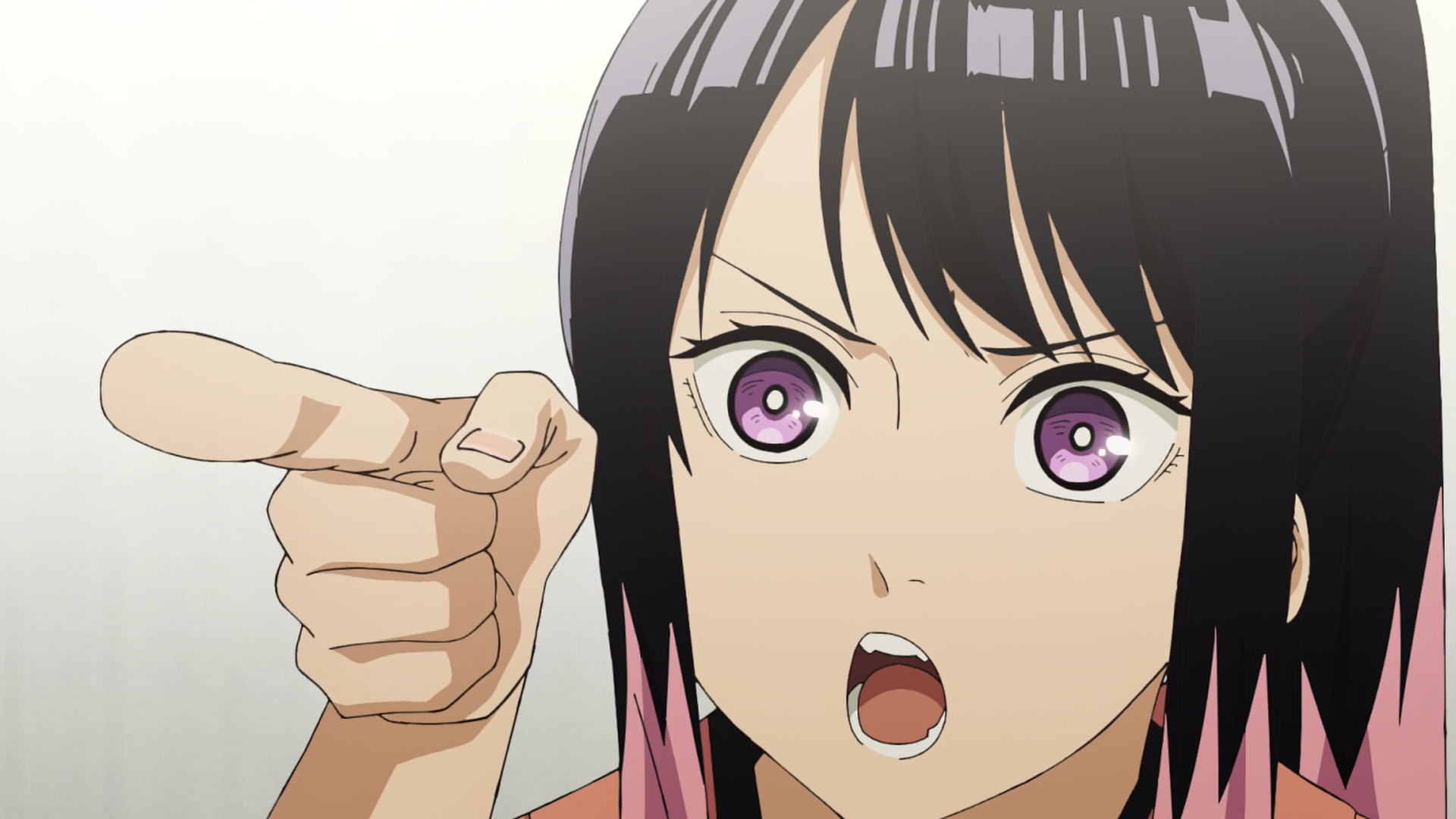
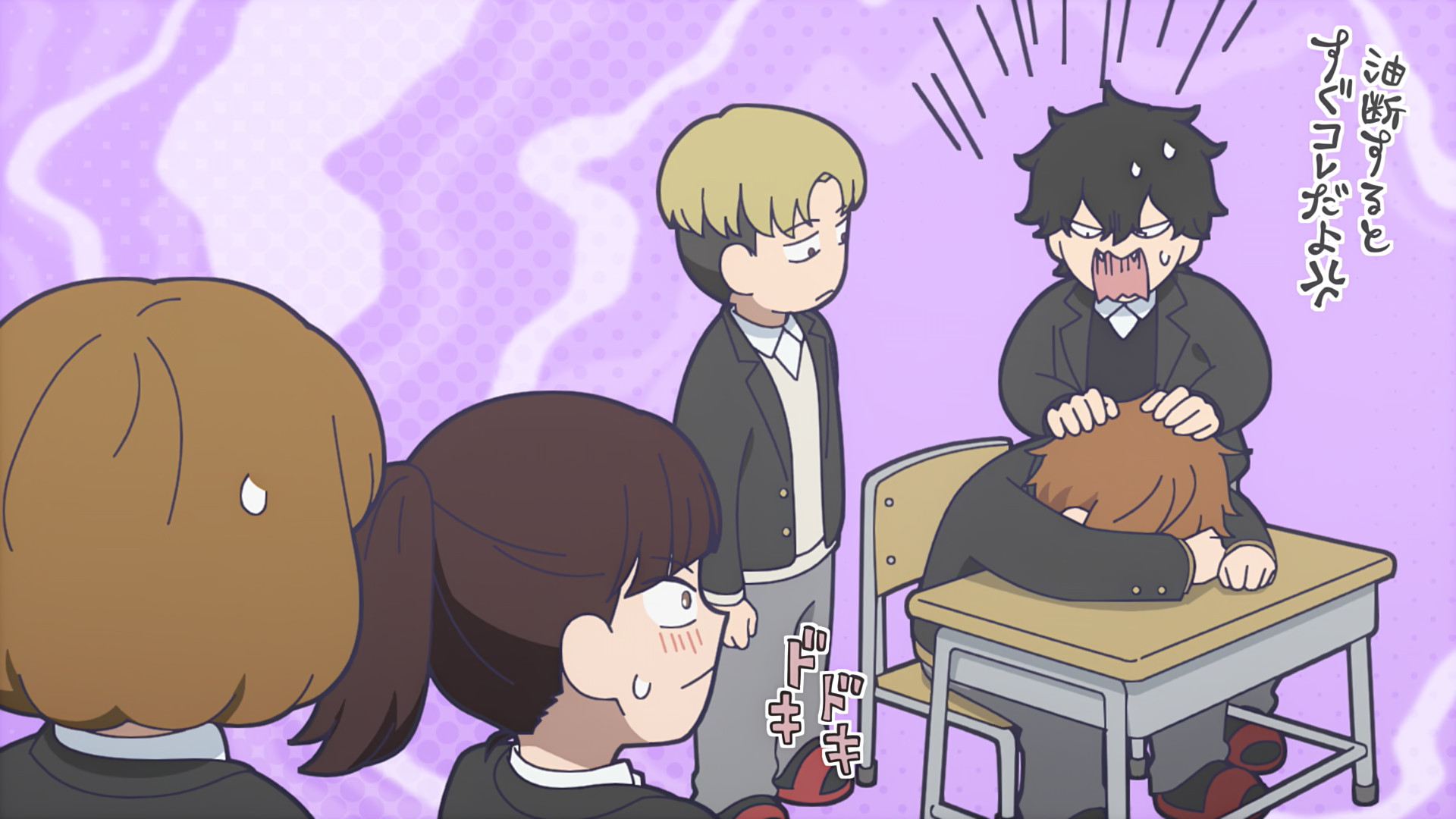
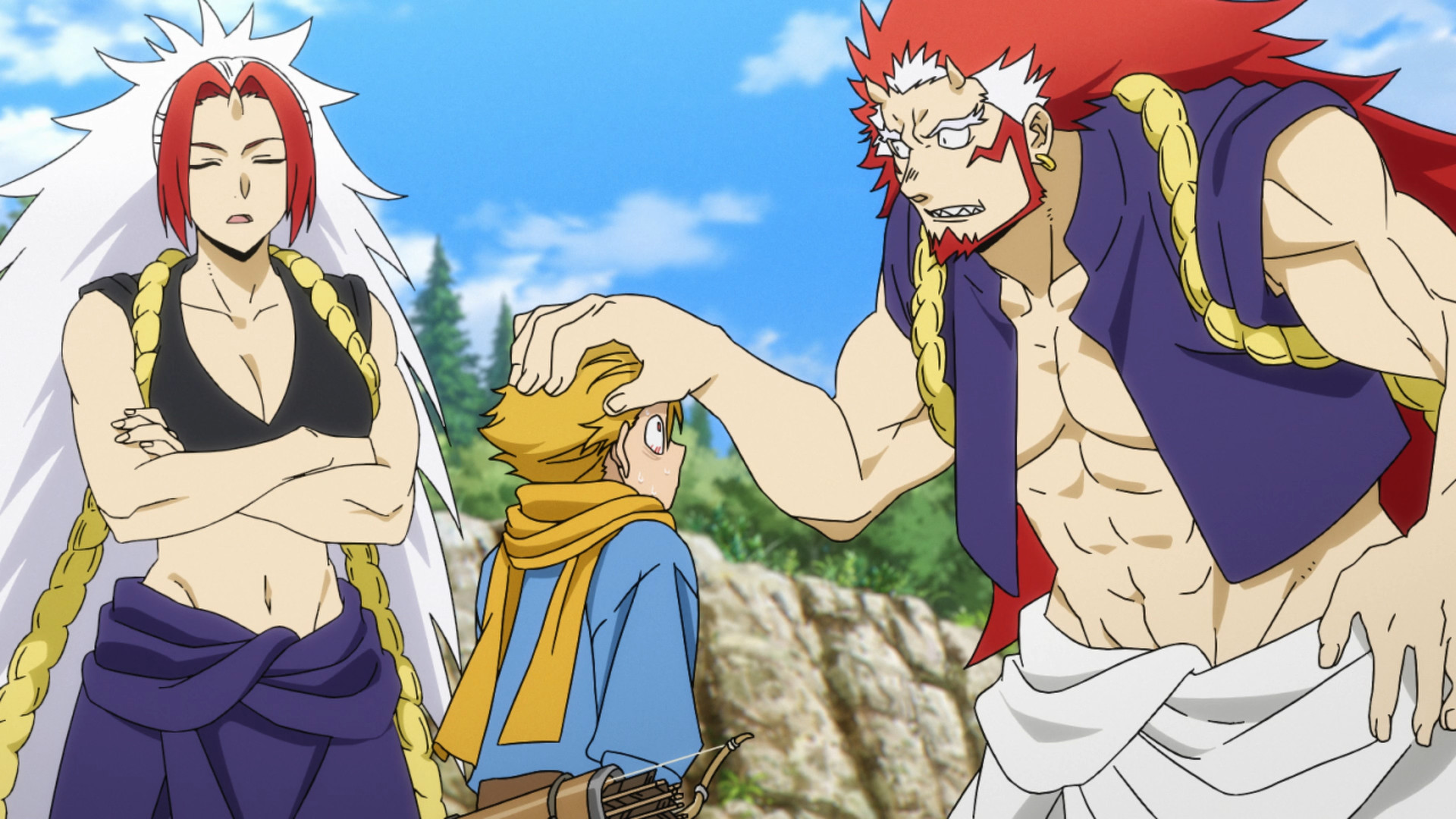
Akane-banashi: Given that Akane-banashi’s premiere was more of a prologue, this second episode felt like the story’s real start. It established the teenage Akane’s personality, sensei, senpai, rival, and her ultimate goal of vindicating her father’s style of rakugo, but it’s that last thing that’ll be the trickiest. From what I remember, her dad was kind of a bumbler, whereas she’s on the sharp side – perhaps one of the series’ major milestones will be her realization that her father wasn’t the performer she remembers.
The Ramparts of Ice: Koori no Jouheki is a contender for “most improved second episode” among these 24 series. The rapport that evolved between Koyuki and Youta thanks to Miki (their mutual acquaintance) was refreshing in its ease, and whatever is going on with Minato has my interest. His fixation on Koyuki has the potential to create another social nightmare for her, which could shed some light on whatever happened to her in middle school. The dialogue about Miki’s “dual personalities” (which are anything but) could use some trimming down, though.
Yomi no Tsugai: This show has attracted complaints about the lack of direction in its first season, but I’m rocking with it so far (admittedly, I’m 22 episodes behind). My favorite part of this second episode was the appearance of Oshirasama while Yuru and company were driving to their new hideout. The horse animation and choral vocals were beautiful, and the broadening of the “daemon” label suggested we’ll be meeting many more of them over time. Hopefully we learn why Gabby is getting the sympathetic treatment after committing mass murder in time, as well.
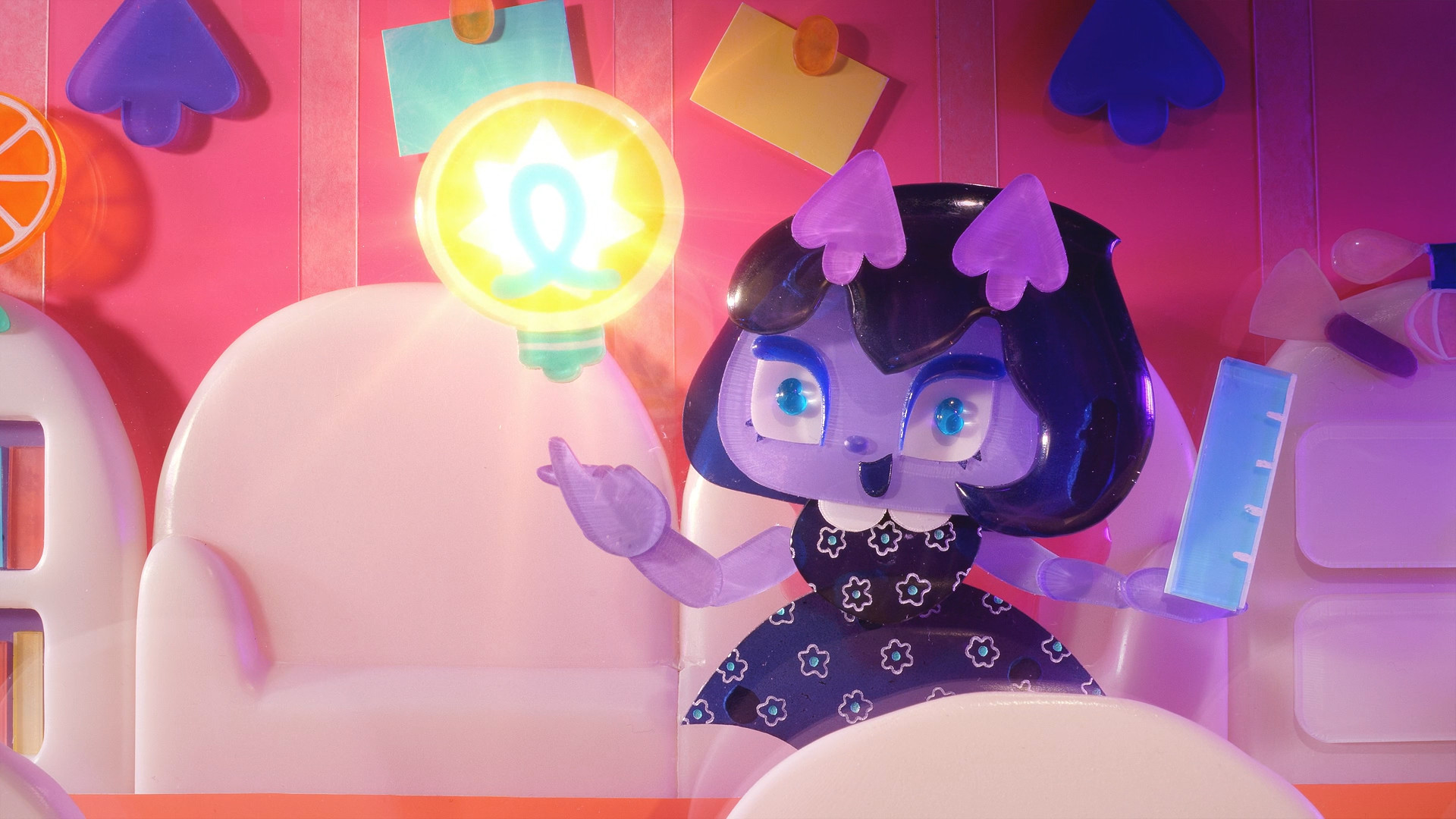
Candy Caries: The other shows here were limited to their second installments, but Candy Caries comes in three minute bites, so I watched episodes 3-4 instead, and they were excellent. Its gelatinous stop motion style is a lot less limiting than you might expect, as proven by its arrangement of foreground elements to create the low angle pickaxe shots for episode 3’s horror parody. 4 was the funnier of the two, however, getting the main character involved in a drug dispute through her possession of a sugar packet. Such creative animation during the shootout between the crooks and cops!
Summer
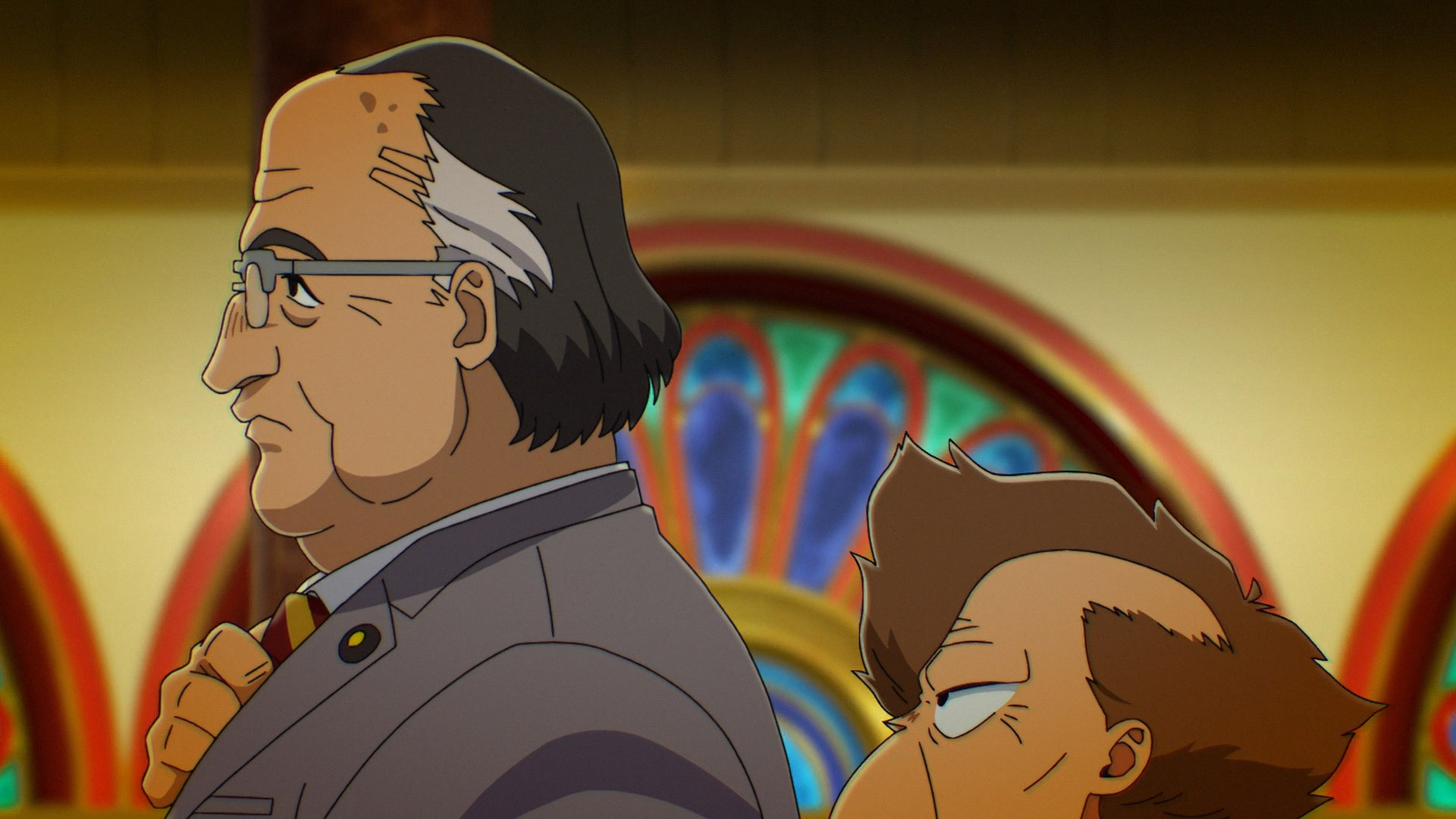
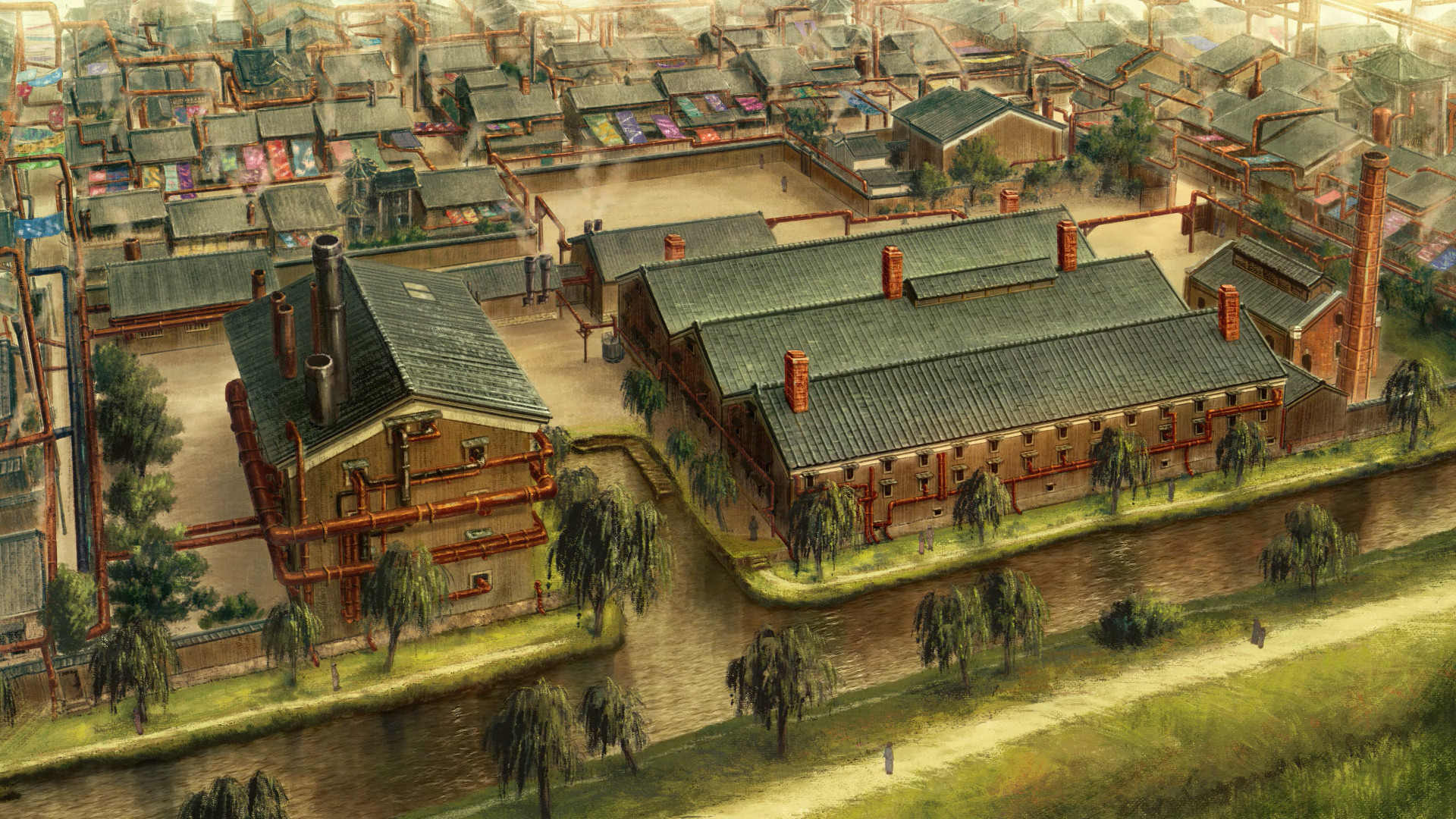
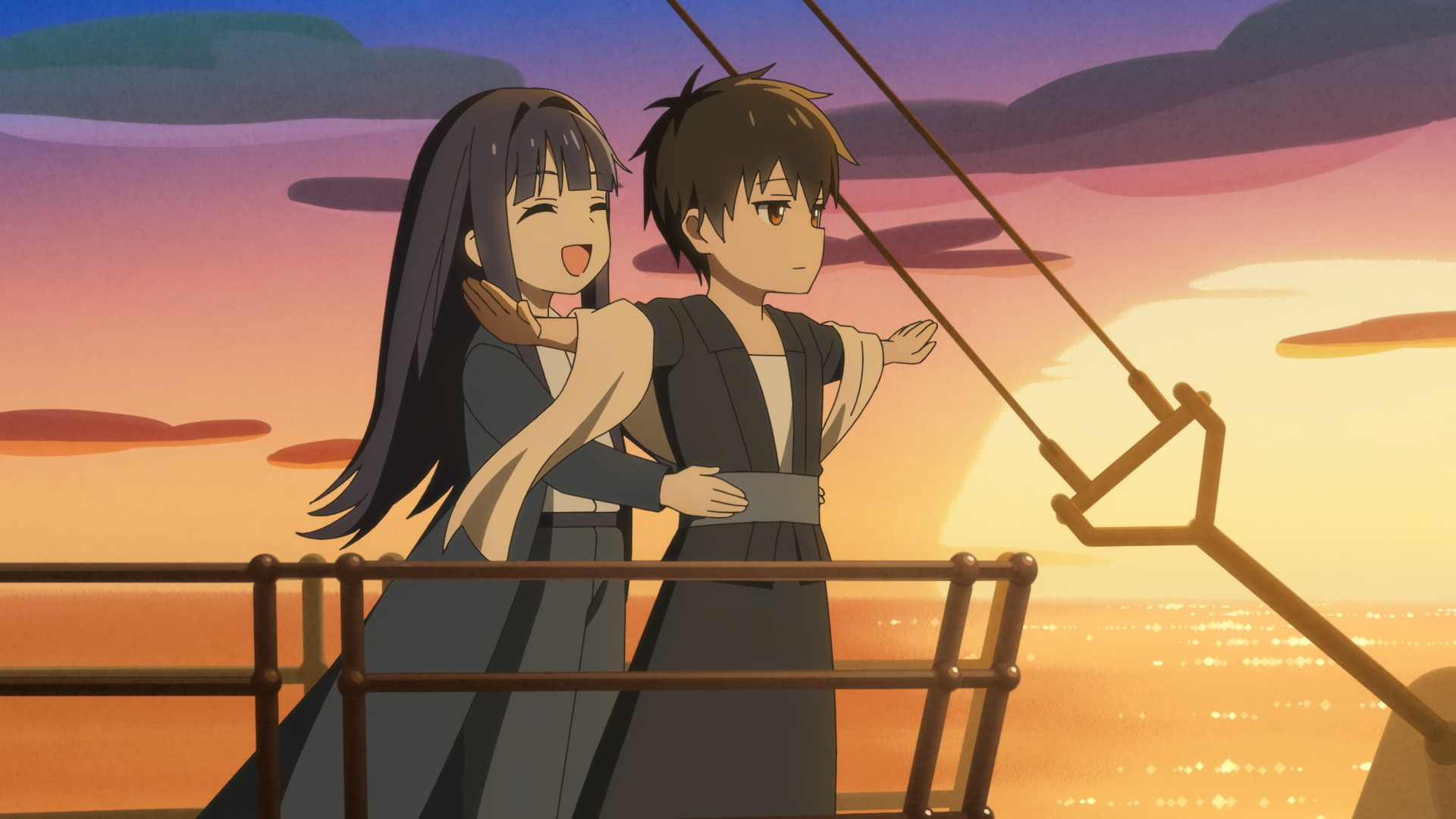
The Ghost in the Shell: My lack of appreciation for this episode doesn’t bode well for the future. I tried both the sub and dub, but neither one managed to hook me into the exposition, which is non-negotiable for a GitS anime. The colorful production and raucous humor (more face punching) aren’t exactly a match for this sort of info-heavy script, and that’s not just my familiarity with past Ghosts in the Shell talking. Even so, the show is building several smaller stories in service of a bigger one about the Puppet Master, so I’ll be patient.
Sparks of Tomorrow: After Yosuke caught up with our lead characters in the previous episode, this one took the form of a wild goose chase for the Electric Catalog. Of course, the book they were competing over ended up being a fake, which made the whole half hour feel somewhat frivolous, but it was also overflowing with impressive action and canvas-style background art (the latter of which came across a little better than in the premiere). I’m not invested in any part of the story yet, but KyoAni sure can animate a paraglider scene, huh?
Love Unseen Beneath the Clear Night Sky: The third wheel supporting characters weren’t very involved this week, so it gave Fuyutsuki and Sorano plenty of time to get closer – or perhaps I should say Fuyutsuki and Kakeru, since she’s received permission to call Kakeru by his first name. The rest of this episode was just okay, but the sequence at the end where she asked to refer to him as Kakeru-kun was memorable, measured as it was by the physical distance between them as the rain came down on their umbrella.
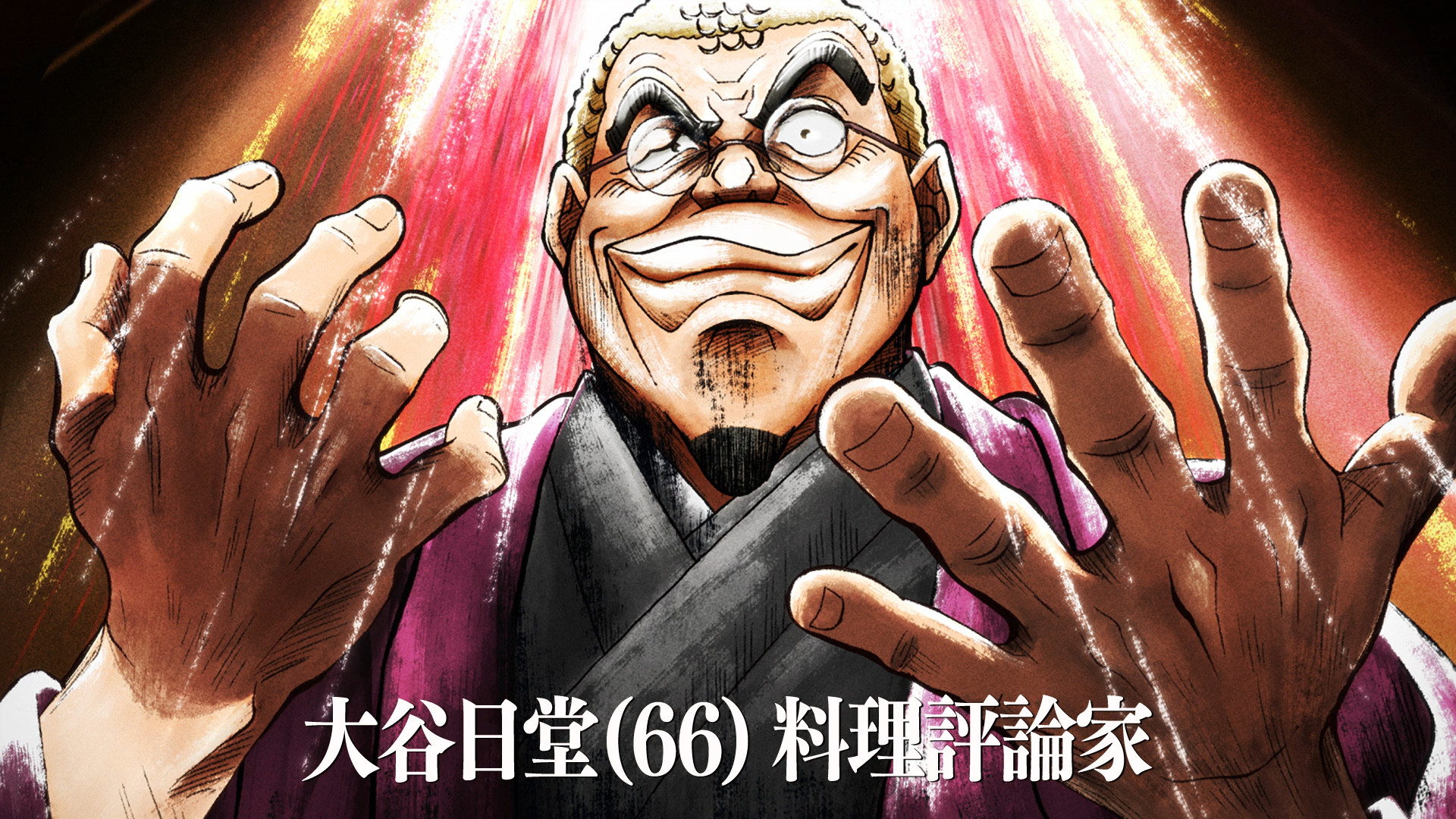
Iron Wok Jan: After going at each other’s throats in the premiere, watching Akiyama and Kiriko team up to embarrass a pay-for-play food critic was a treat. They still hate each other, of course, but this episode did a good job of making their mutual enemy even more hateable, with ludicrous laughter and Dezaki-style freeze frames. The show’s bursts of electronic music give it a modern flair that helps balance its old school presentation, too. I’m still not committed to a full-course meal here, but I’ll make it to the entrée, at least.
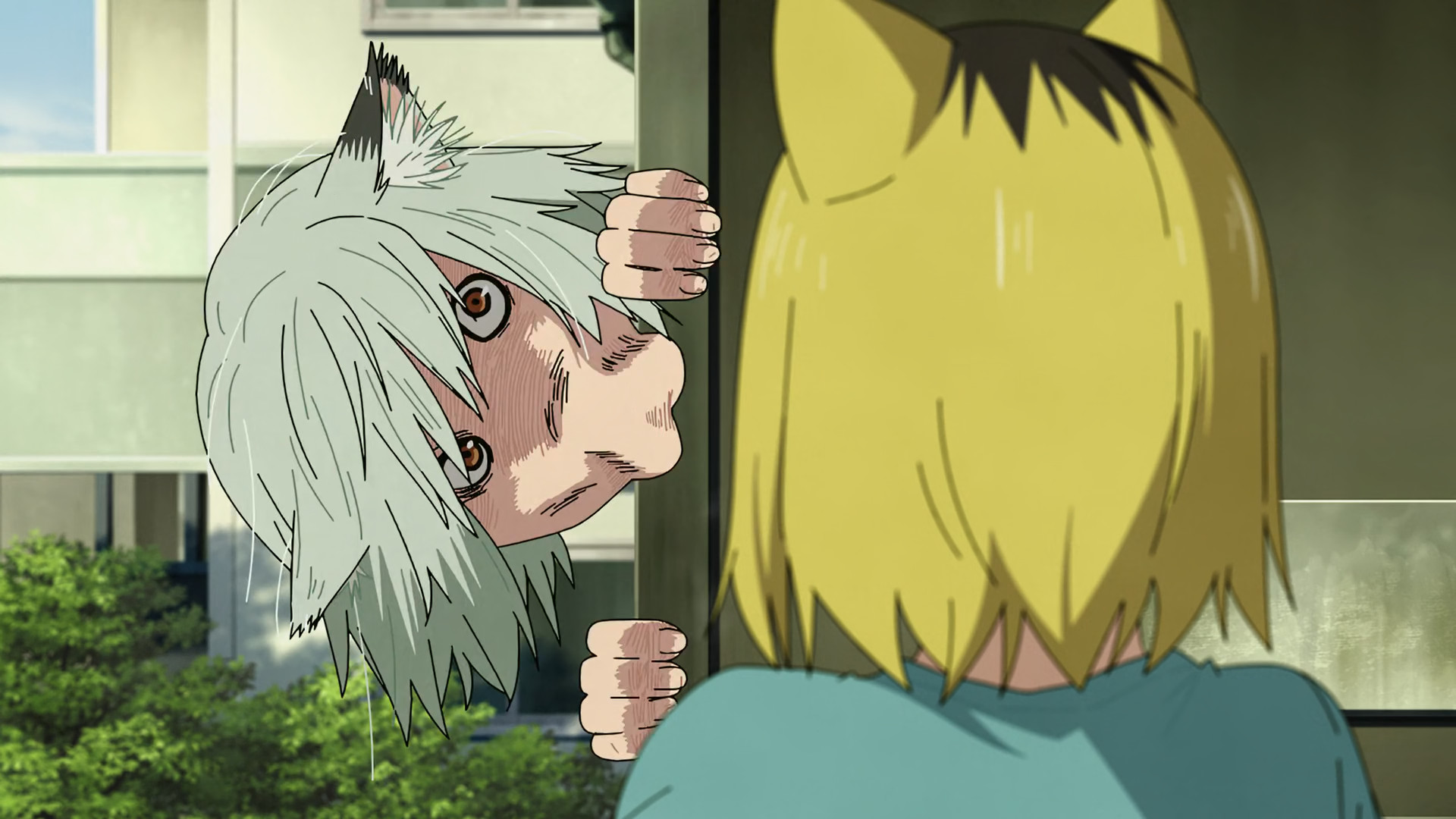

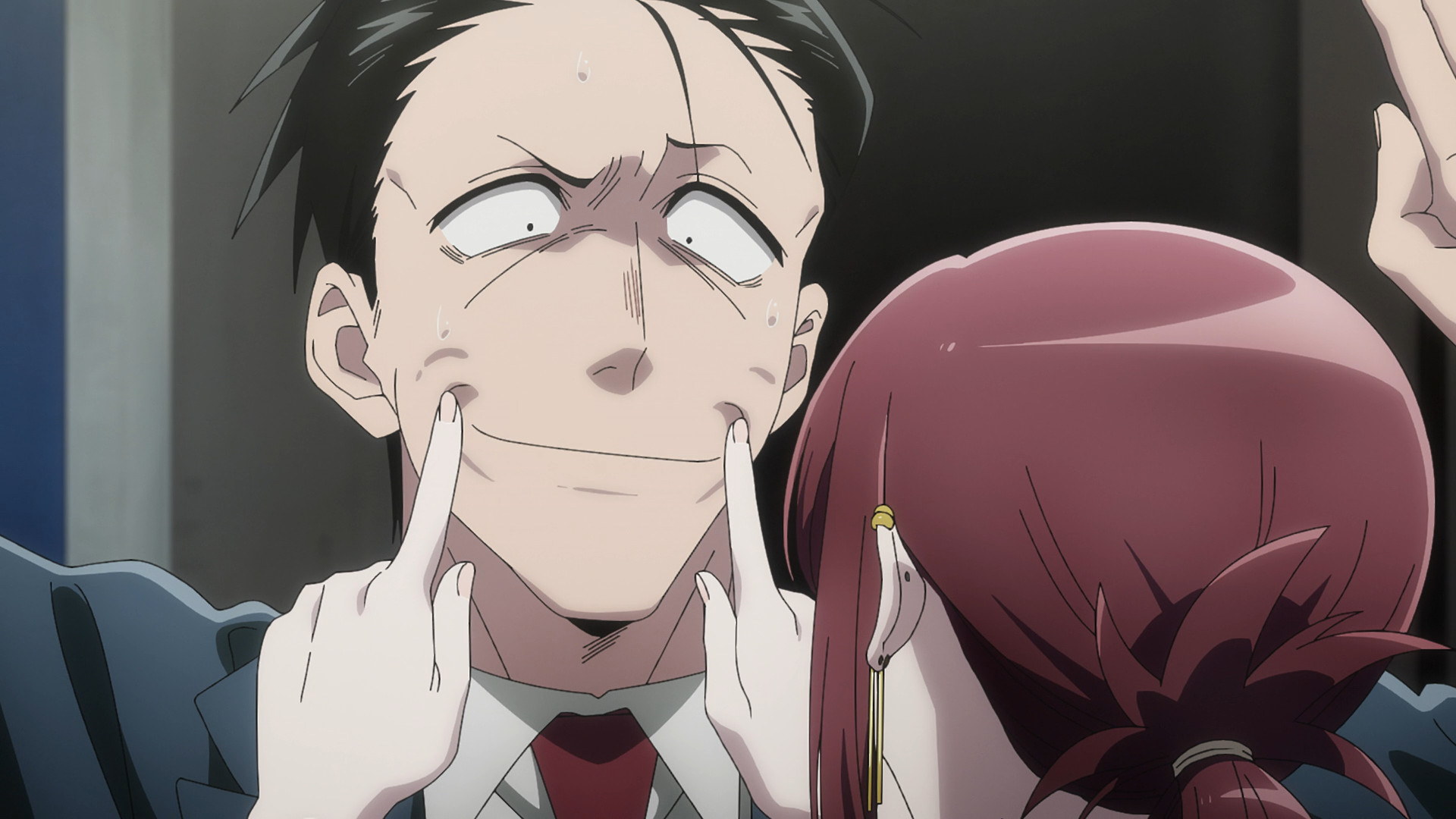
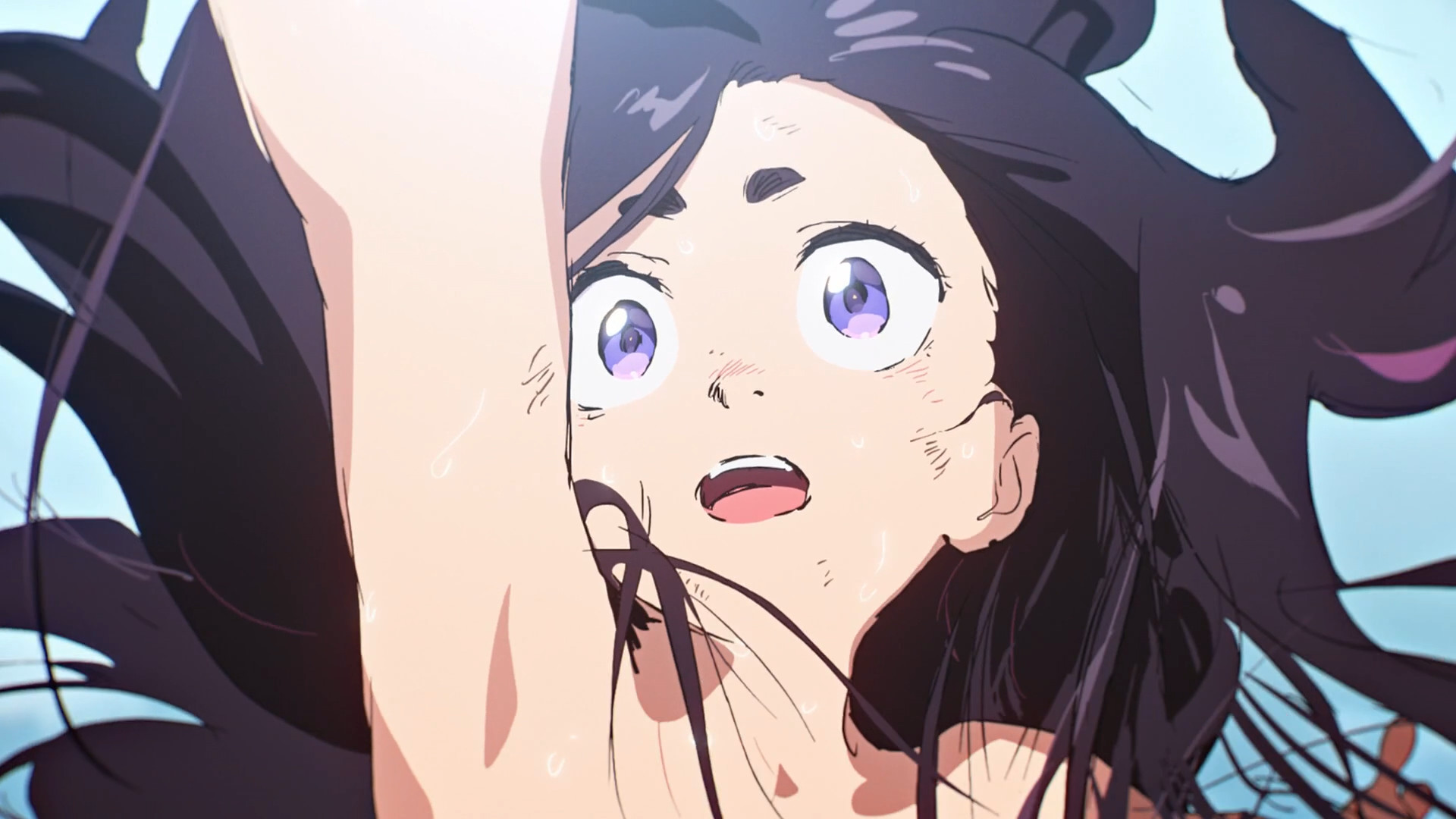
Chainsmoker Cat: I totally understand the POV of anyone who doesn’t want to watch beyond Yani Neko’s first episode, but I can’t look away from the filth. Side by side with its sophomoric humor is real social commentary about discrimination (albeit against fictional “beastmen”), the damage done by vice industries, and now the hollowness of internet culture, thanks to the introduction of catgirl streamer Hameko. Drug addict Yakuko got a funny intro as well, masking the tragedy of her situation with intense and typically premature denials of her habits.
Flaming Dodgeball Girl Danko: I’ve been writing about anime for a decade or so, and in that time I’ve gotten pretty good at explaining why I do or don’t like particular shows, but this one is a stumper. Danko has a ridiculous premise, is full of fanservice (much of it ironic), and has trouble depicting its characters at scale, but I can’t stop myself from grinning while it’s on. The leaders of two rival dodgeball teams experiencing Hisoka-esque arousal after witnessing each other’s special moves is just the right amount of stupid for me, I guess.
Smoking Behind the Supermarket: After that shot of Yamada gazing longingly at Sasaki while he makes his vending machine selection, there’s no way this show can delay getting its main characters together for long – is what I would say, if this weren’t an anime. Japan regularly pushes its TV shows’ pining phases past their breaking points, but for now, at least, YaniSuu is damn good propaganda for both smoking and fraternization. I’m impressed with how much mileage it gets out of its limited ‘behind the supermarket’ location, throwing in occasional shots using odd angles or silhouettes.
World is Dancing: This will probably go down as a top five episode of the year for me. The nameless shirabyoshi from the premiere blossomed into a fully-fledged character here, stricken with illness and forced into prostitution despite the artistic promise she’d once shown. Even days before her death, she was still an incredible performer – the only one whose self-expression had ever cut through Oniyasha’s doubts about the artform, making his mistreatment of her all the more bitter. Both characters had remarkable dance sequences here, and the wild, cathartic final scene was a thing of beauty.
Fall
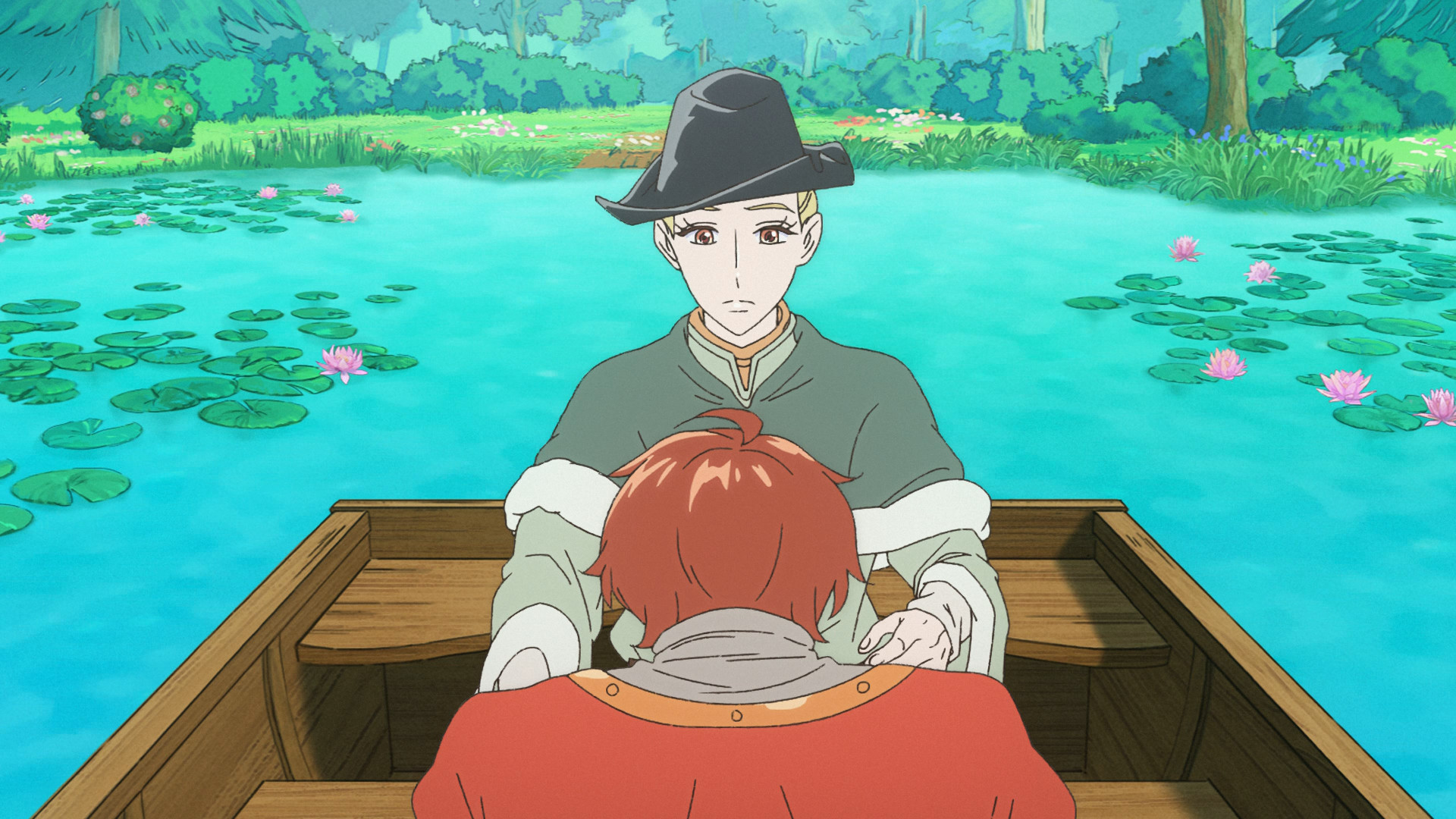
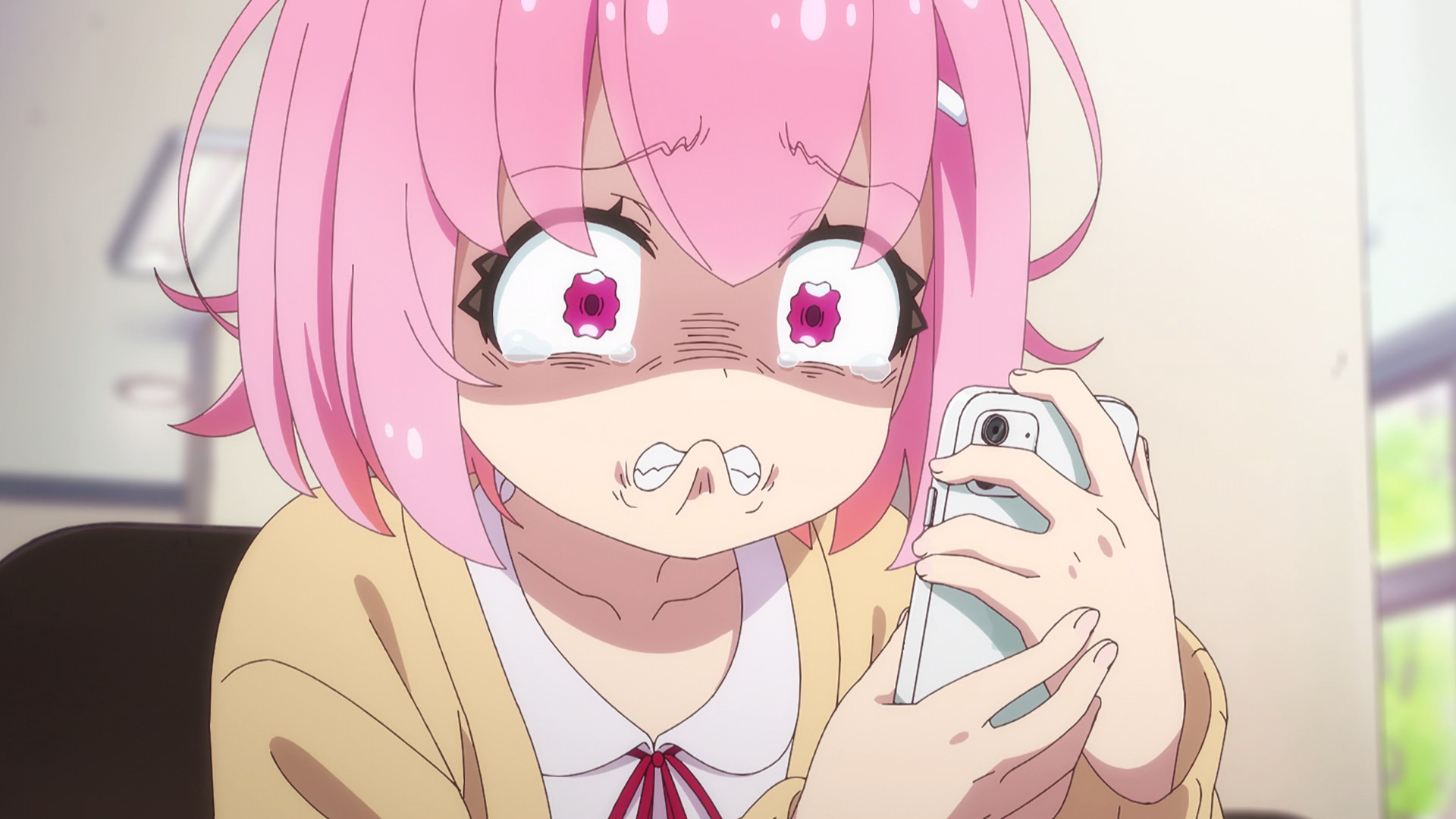
Seven Knights of Marronnier: On paper, one of the most attractive things about this show is its lack of urgency. Even though the seven central brothers have already received their diplomatic missions, Marronnier still isn’t in any hurry to send them on their way. They work in the castle kitchen, help with children’s archery lessons, and quarrel with other knights who don’t even rank as secondary characters. Still, everything to do with Samugariya and “Lord Bruno” feels a bit too extraneous, and since that was this episode’s biggest point of continuity with the premiere, I wasn’t exactly dialed in as I watched.
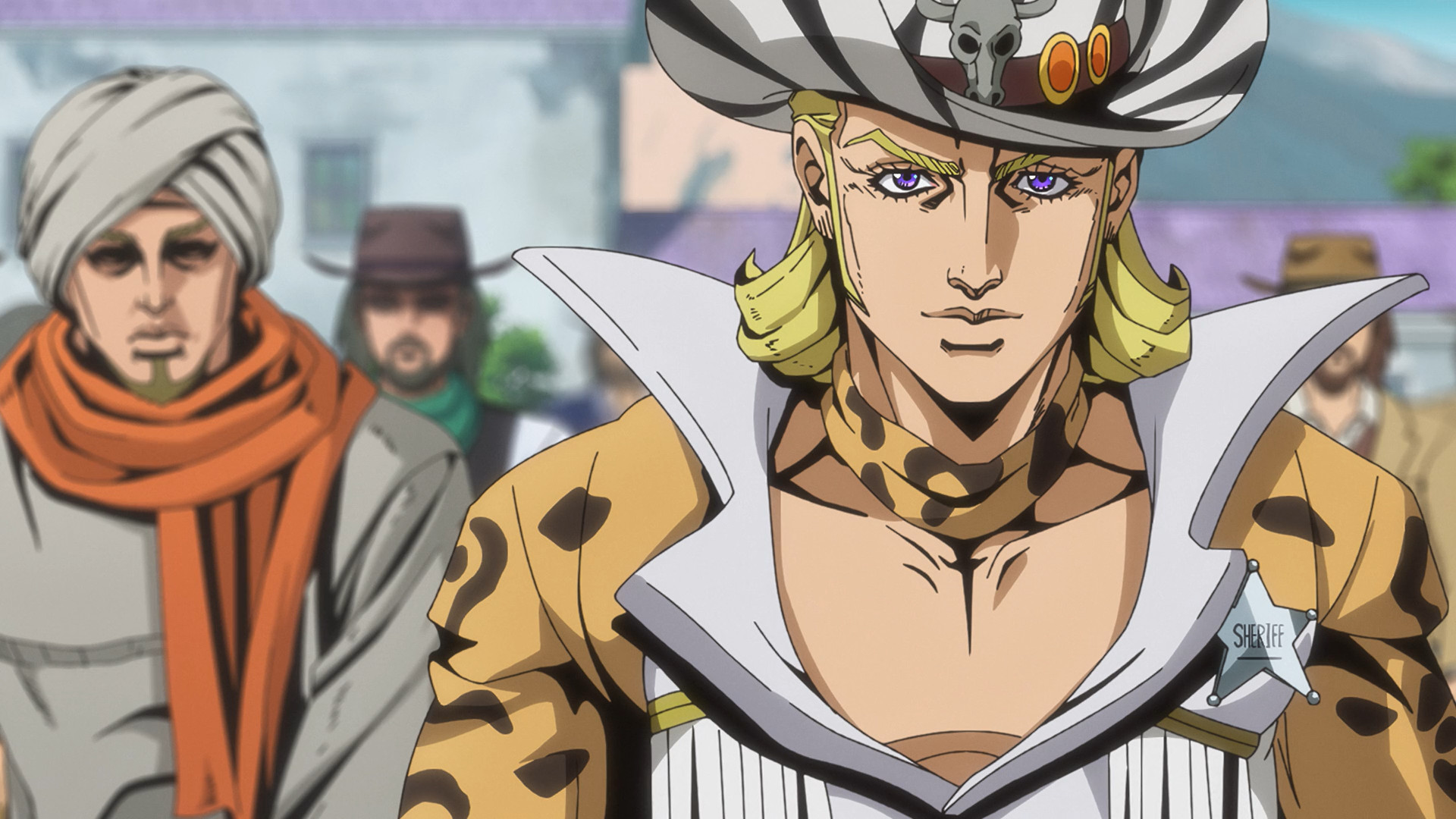
Steel Ball Run: JoJo avoids the opening paragraph’s “no sequels” rule due to the technicality of its seasons being “parts.” Steel Ball Run got off to a rip-roaring start back in March, but this second installment wasn’t a match for that double-length opener. Its third act, in particular, transitioned extremely bluntly from Gyro and Johnny’s daytime trailblazing to a twilight standoff with Mrs. Robinson involving an absurd patch of 3DCG cacti. I did like the murder mystery angle introduced partway through this episode, but it was a letdown overall.
FX Senshi Kurumi-chan: It’s only the second episode and Kurumi is already stealing from her dad to avoid forced liquidation? I’m going to be mad when she miraculously avoids bankruptcy despite trading with 59x leverage. The show’s explanations of financial terms and principles are fun, and there’s a (very) minor thrill to watching someone else watch a live financial graph. But unless this show has the balls to go beyond weekly “Wow, that was a close one!” conclusions, it may not be a wise investment.
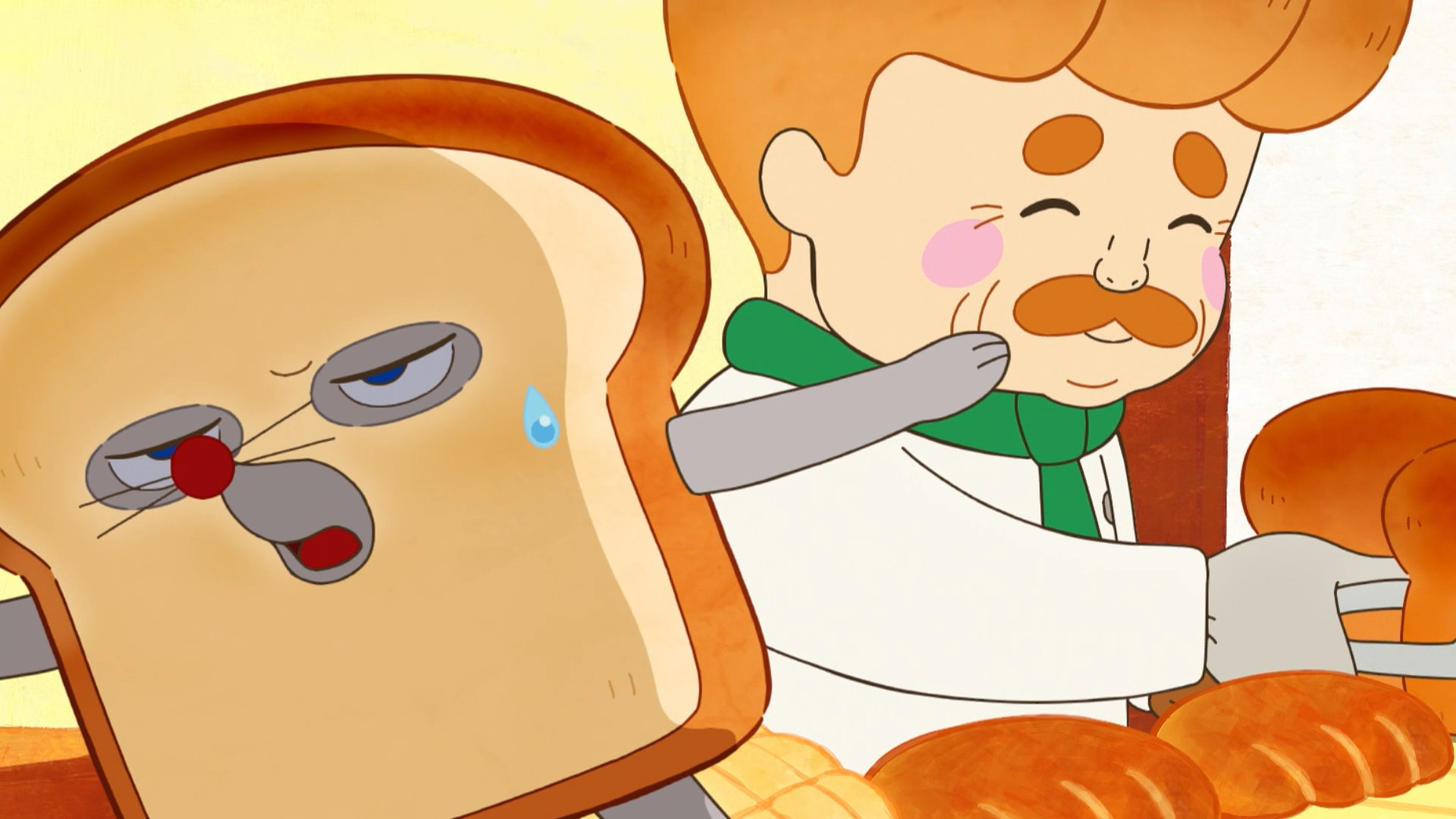
Pan Dorobou: Pan Dorobou didn’t charm me as thoroughly here as he did in his first episode, but the show’s environment design and animation are still bread and shoulders above most other shows this year. How can you not love an anime about a rodent with a hollowed out piece of bread for a sink, and a bigger version of the same thing for a tub? The anticlimax of his pilfered baguette tasting so gross wasn’t quite the punchline that the writers envisioned, but perhaps it’ll play into a “no stealing” moral down the line. It’s a kids show, after all.

The World is Dancing peaked for me on that second episode if I’m being honest since the rest of the series left me incredibly cold in spite of its sakuga dance sequences. GitS didn’t feel nearly as “complete” or definitive as Oshi’s 1995 film. Sparks of Tomorrow was KyoAni’s worst show since Phantom World which was a real shocker. Everything else I’ve seen in this list was decent to great.